
Elm Dining Table: A Complete Guide to Nature's Character-Rich Wood
Discover why elm wood dining tables are prized for their distinctive grain patterns, durability, and timeless appeal. Learn everything you need to know before investing in an elm table for your dining space.
START READINGWhy Elm Wood? Elm has been a favored furniture wood for centuries, particularly in traditional European and American craftsmanship. Its interlocking grain makes it resistant to splitting, while its warm honey-to-chestnut tones bring natural elegance to any dining room. Whether you're drawn to a rustic farmhouse look or a refined modern aesthetic, an elm dining table delivers both character and substance.
Recommended Elm Dining Tables
⚠️ AFFILIATE DISCLOSURE: This website contains affiliate links. As an affiliate Associate, we earn from qualifying purchases. If you make a purchase through these links, we may receive a small commission at no additional cost to you. Read our full affiliate policy.

Mobili Fiver, Easy, Extendable Dining Table, 55.1(86.6) x35.4 in, Pearled Elm, for 6-8 People, Expandable Dining Table for Kitchen, Italian Furniture
Check price on Amazon
Mobili Fiver, First Extendable Table, 47.2(78.7) x31.5 in, Pearled Elm, for 6-8 People, Expandable Dining Table for Kitchen, Living Room, Italian Furniture
Check price on Amazon
LITTLE TREE Round Dining Table for 4-6 People, 47 Inches Dining Room Table with Wooden Pedestal Base, Circle Kitchen Tables for Dining Room, Kitchen, Living Room, Oak
Check price on Amazon
Jocoevol Round Dining Table for 4,Kitchen Dining Room Circle Dinner Pedestal Table,Space Saving Wood Kitchen & Dining Room Furniture (Vintage, 46In)
Check price on Amazon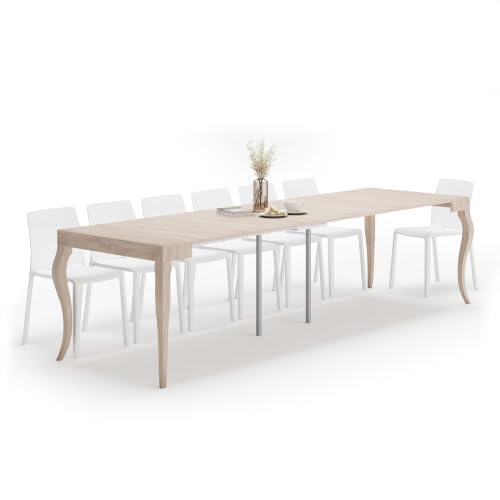
Mobili Fiver – Expandable Console Table from 17 to 120 in | Pearled Elm | Extendable Dining Room Table from 2 to 14 People | Space-Saving Design for Small Spaces and Entertaining | Made in Italy
Check price on Amazon
Tribesigns Modern Dining Table for 6 to 8 People, 71" Large Kitchen Dining Table with Wood Pedestal Base, Rectangular Long Dinner Table for Kitchen, Dining Room, Living Room, Rustic Brown
Check price on Amazon
55-94.5IN Extendable Oval Dining Table with Storage for 6 10 12,Walnut | 94.5''Modern Farmhouse Expandable Kitchen Table,Fluted Wood Door Long Wooden Tables,Double Pedestal Base for Kitchen,Dinner
Check price on AmazonWhat Makes Elm Wood Special for Dining Tables?
Elm (Ulmus) is a hardwood that has been used in furniture making for generations, particularly in Europe and North America. Its unique properties make it an excellent choice for dining tables that need to withstand daily use while maintaining visual appeal.
Distinctive Grain Patterns
Elm's most celebrated feature is its interlocking, zigzag grain pattern. Unlike oak or walnut which have more linear grain structures, elm produces a wild, flowing cathedral grain that creates natural visual movement across the table surface. This makes every elm table unique — no two pieces are ever identical. The grain often exhibits a feathered or "flame" pattern that catches light differently depending on the viewing angle.
Natural Durability
Elm is classified as a medium-to-hard hardwood with a Janka hardness rating that places it in a practical range for dining surfaces. Its interlocking grain structure gives it excellent resistance to splitting and impact damage. While not as hard as oak or maple, elm offers a solid balance of durability and workability that has made it a traditional choice for chair seats, table tops, and cabinetry.
Warm Color Tones
Elm wood ranges in color from light honey to warm reddish-brown, with heartwood typically darker than sapwood. When finished with oil or lacquer, elm develops a rich, warm patina that deepens over time. This natural warmth makes it particularly well-suited to dining rooms where a welcoming atmosphere is desired.
Working Properties
Despite its interlocking grain, elm responds well to steam bending — a property historically exploited in furniture making for curved components. For dining tables, elm is typically used in solid plank tops, veneered surfaces, or as part of a mixed-material design. It accepts stains and finishes evenly, allowing for a range of aesthetic outcomes from natural oiled looks to darker stained finishes.
Elm vs. Other Common Dining Table Woods
Understanding how elm compares to other popular dining table materials helps you make an informed decision based on your priorities — whether that's durability, appearance, or maintenance requirements.
| Wood Type | Grain Character | Durability Tier | Best For |
|---|---|---|---|
| Elm | Wild interlocking grain, cathedral patterns | Mid-range durability | Character-rich rustic and traditional tables |
| Oak | Straight, pronounced grain rays | High durability | Heavy-use family dining tables |
| Walnut | Rich, dark, flowing grain | Mid-to-high durability | Premium, elegant dining settings |
| Pine | Knotty, straight grain | Entry-level durability | Casual, farmhouse-style tables |
| Maple | Fine, subtle grain | High durability | Clean, modern dining surfaces |
When considering an elm dining table against a solid oak dining table guide, remember that oak generally offers superior hardness for heavy daily use, while elm provides more visual drama and character. For those drawn to darker, richer tones, exploring a walnut dining table guide may also be worthwhile — walnut offers a premium appearance with excellent workability. If you prefer a lighter, more understated wood, an ash oak dining table offers clean grain lines with dependable durability.
Key Considerations When Buying an Elm Dining Table
Solid Elm vs. Elm Veneer
Elm dining tables come in two main constructions: solid elm and elm veneer over a substrate (typically MDF or plywood). Solid elm tables are more substantial, can be refinished multiple times, and develop patina with age. Veneered tables offer more consistent grain appearance and are generally lighter, but they cannot be sanded or refinished as aggressively. For a long-term investment piece, solid elm construction is generally preferred.
Size and Seating Capacity
Elm dining tables are available in the same size configurations as other wood tables. A standard height of around 30 inches suits most dining chairs. For seating, allow approximately 24 inches of table width per person. If you're exploring size options, a dining table size chart can help you match your room dimensions to the right table footprint. For larger gatherings, an 8-person oak dining table or a wood dining table for 10 provides reference points for capacity planning, even if you ultimately choose elm.
Finish Options
Elm accepts a wide range of finishes. Natural oil finishes highlight the wood's warm tones and tactile grain. Matte lacquer provides protection with a more uniform appearance. Distressed or washed finishes can enhance the rustic character of elm's grain. For care guidance applicable to most wood finishes, a dining table surface care guide offers practical maintenance advice.
Base and Leg Styles
Elm table tops can be paired with various base styles — from traditional turned legs to modern trestle bases. A solid oak trestle dining table illustrates how trestle bases pair with solid wood tops, a look that translates well to elm. Pedestal bases, as seen in a round pedestal dining table modern design, offer another option for elm tops, particularly in round or oval configurations.
Styling Your Elm Dining Table
Elm's natural character makes it versatile for various interior styles. Here are some approaches to consider:
Rustic and Farmhouse
Elm's wild grain and warm tones align naturally with rustic and farmhouse aesthetics. Pair a solid elm table with a white and brown farmhouse dining table style bench or mismatched wooden chairs for an authentic, lived-in look. A solid oak farmhouse dining table shares similar design language — both woods celebrate natural grain and substantial proportions.
Modern and Minimalist
For a contemporary look, choose an elm table with clean lines and a simple base. The grain provides visual interest without needing elaborate detailing. A modern solid oak dining table demonstrates how solid wood tops work in minimal settings — elm can achieve a similar effect with more grain drama.
Traditional and Transitional
Elm has deep roots in traditional furniture making. A traditional dark wood dining table approach — perhaps with a darker stain on the elm — can suit formal dining rooms. For a bridge between traditional and modern, a transitional dining table set might pair an elm table with upholstered chairs for comfort and refinement.
Mixing Materials
Elm tops work beautifully with metal bases for an industrial or mixed-material aesthetic. A teak and metal outdoor dining table shows how wood-metal combinations function outdoors — a similar approach indoors with elm and steel creates a striking contrast. For outdoor settings specifically, a outdoor deck dining table guide covers weather-resistant considerations.
Caring for Your Elm Dining Table
Elm is a durable wood, but like all natural materials, it benefits from proper care to maintain its appearance and structural integrity over time.
Daily Care
Dust regularly with a soft, dry cloth to prevent grit from scratching the surface. Use coasters and placemats to protect against heat and moisture rings. Wipe spills promptly — elm's interlocking grain resists water penetration better than some woods, but prolonged exposure can still cause damage. A dining table routine upkeep guide provides a comprehensive daily maintenance schedule applicable to elm.
Periodic Maintenance
For oiled elm tables, reapply oil annually or as the surface begins to look dry. For lacquered finishes, use a quality furniture polish every few months. Avoid silicone-based products, which can build up and make refinishing difficult later. If scratches appear, light sanding and spot-refinishing can usually address them. A dining table scratch touch-up guide offers detailed repair techniques.
Protecting Against Environmental Factors
Wood expands and contracts with humidity changes. Keep your elm dining table away from direct heat sources and extreme humidity fluctuations. A dining table humidity care guide explains how to manage indoor conditions for wood furniture longevity. For sun-exposed locations, a sunlight fade prevention guide offers strategies to minimize UV damage.
Frequently Asked Questions About Elm Dining Tables
Is elm a good wood for dining tables?
Yes, elm is a solid choice for dining tables. Its interlocking grain resists splitting, and it offers a distinctive appearance that many people find more interesting than more uniform woods. It falls in the mid-range for hardness, making it suitable for regular dining use with reasonable care.
How does elm wood compare to oak for dining tables?
Oak is generally harder and more resistant to dents, making it a better choice for heavy daily use in busy households. Elm offers more dramatic grain patterns and a warmer tone in many cases. Both are durable hardwoods suitable for dining furniture — the choice often comes down to aesthetic preference and expected use intensity.
Can I use an elm dining table outdoors?
Standard interior elm dining tables are not suitable for outdoor use unless specifically designed and finished for exterior conditions. Elm can be used outdoors with proper marine-grade finishes, but most residential elm tables are intended for indoor dining rooms and kitchens. For outdoor dining, consider a outdoor garden dining table designed for weather exposure.
What does elm wood grain look like?
Elm has a distinctive interlocking grain with a zigzag or feather-like pattern. The grain often creates cathedral arches and flowing lines that give the wood a sense of movement. The color ranges from light honey to warm reddish-brown, with the grain often appearing more pronounced on quarter-sawn surfaces.
How do I know if an elm dining table is solid wood or veneer?
Check the edge of the table top. Solid wood will show end-grain patterns that match the face grain. Veneered tables often have a visible seam or a different material at the edge. Also, solid elm tables are significantly heavier than veneered ones of the same size. Look underneath — solid wood tops typically show continuous grain, while veneered tops may reveal a substrate material.
Explore Related Dining Table Guides
Broaden your knowledge with these related articles from our collection: