
Dining Table Edge Profile Guide
Discover how the shape and finish of your tabletop edge affects comfort, safety, durability, and design. Learn the most common edge profiles and choose the right one for your dining space.
Why the edge profile matters: The dining table edge profile is one of the most overlooked details in furniture selection, yet it influences daily comfort, child safety, long-term durability, and the overall visual character of your table. This guide explains every major edge style so you can choose with confidence and match it to your lifestyle, room style, and tabletop material.
What Is a Dining Table Edge Profile?
A dining table edge profile is the shape and finish of the tabletop’s outer border — the transition between the flat top surface and its vertical sides. It is created during manufacturing through cutting, routing, sanding, and finishing processes. The profile determines how the table feels under your forearms while eating, how resistant the edge is to chipping or impact, and how the table reads stylistically in a room.
Edge profiles are closely tied to the table’s overall construction. The dining table frame guide explains how the top connects to the base, while the dining table apron guide covers the structural rail that sits just below the edge. Understanding these components helps you evaluate whether an edge is solid wood, veneered, banded, or molded — a detail that strongly influences durability.
Why the Edge Profile Deserves Your Attention
During research, most buyers focus on table shape, seating capacity, and material. Edge profile often gets decided by default — whatever the model happens to ship with. That is a missed opportunity. The edge is one of the few parts of a table you physically touch every single day.
- Comfort: A hard square edge digs into forearms when you lean; a softly rounded edge feels forgiving during long meals and conversations.
- Safety: Rounded and bullnose profiles reduce injury risk from accidental impact, especially in homes with children.
- Durability: A well-formed bevel or chamfer distributes impact forces and hides minor wear better than a razor-thin square edge.
- Style: Sharp, crisp edges suit modern and industrial interiors; soft, sculpted edges suit farmhouse, Scandinavian, and organic designs.
- Material performance: Some profiles suit solid timber better, while others work well for marble, glass, and composite tops.
The Major Edge Profiles Explained
The following profiles cover the vast majority of dining tables available today. Each entry describes the shape, how it feels and performs, and which settings suit it best.
Square Edge
A flat vertical edge at 90 degrees to the top. Crisp and contemporary. Entry-level and mid-range tables often use square edges because they are efficient to produce. Requires careful sanding to avoid sharp corners.
Rounded Edge (Bullnose)
A fully rounded, semicircular profile. Extremely comfortable on forearms and the safest choice for families with young children. Common on round dining tables and family-oriented designs.
Beveled Edge
A flat, angled cut that slopes inward or outward from the top. Adds visual refinement and softens the transition without losing a clean line. Popular on rectangular tables in contemporary interiors.
Chamfered Edge
A small, precise 45-degree cut along the top and bottom corners. Retains a square silhouette while removing sharpness. Often specified on premium and flagship tier solid wood tables.
Live Edge
The natural, irregular contour of the tree is preserved. Each table is one of a kind. Suits rustic, organic, and industrial interiors. Best paired with solid oak or walnut slabs.
Waterfall Edge
The tabletop surface continues vertically down the sides to the floor, forming a continuous L-shape. A hallmark of luxury and designer-tier tables, frequently seen in stone and marble constructions.
Straight / Square Edge
The square edge is the baseline profile: a vertical face meeting the top at 90 degrees. On high-quality pieces the top corner is slightly eased (a tiny radius of a couple of millimetres) to remove sharpness while keeping the silhouette crisp. This profile reads as minimal, architectural, and modern. It pairs naturally with metal frames and industrial styling. The main trade-off is comfort — leaning on a hard square edge for long periods is less pleasant than a rounded profile, and the top corner can show impact dents over time if not eased.
Rounded / Bullnose Edge
The bullnose edge is a full semicircular rounding of the tabletop border. It is the most forgiving profile for daily use: forearms rest comfortably, children are less likely to be injured, and the soft curve visually warms the table. Because the rounding removes the vulnerable sharp corner, it also resists chipping well. Many 6-seater and 8-seater family tables use this profile. The trade-off is stylistic: a heavily rounded edge can look dated in very modern interiors, so check the radius — a subtle, tight rounding often reads as contemporary, while a large radius feels traditional.
Beveled Edge
A bevel is an angled flat cut that slopes from the top surface toward the side. It can be small (a few millimetres) or large and dramatic. A standard bevel keeps the top surface visually light, reduces the apparent thickness of the top, and creates a subtle highlight line that catches light. It is comfortable enough for occasional leaning and far safer than a sharp square edge. Because the angled face is wider than a knife-edge, it handles knocks better than a thin square profile. Bevels are common on matte and lacquered finishes where the angle shows off the coating.
Chamfered Edge
A chamfer is a small, precise cut — usually 45 degrees — along the top and sometimes bottom corners of the edge. Unlike a bevel, which can be large and sloping, a chamfer is typically a narrow accent that removes sharpness while preserving the square profile. It is a hallmark of thoughtful craftsmanship: the table looks square from a distance but feels smooth to the touch. Chamfers are frequently specified on premium solid wood tables and are a good signal that the manufacturer paid attention to finishing details.
Live Edge
A live edge (also called natural edge) keeps the organic contour of the tree’s outer trunk or branch. The result is a wavy, irregular border unique to each table. Live edge tables are statement pieces that suit rustic, farmhouse, and organic modern interiors. They are almost always solid wood — commonly oak, walnut, teak, or mango wood. Because the contour varies, the top surface area is slightly reduced and seating position matters more; check that place settings will sit comfortably. Live edges require more careful maintenance, since the natural contour collects dust and can chip if knocked.
Waterfall Edge
The waterfall edge continues the tabletop material vertically down one or both ends, creating a continuous L- or U-shaped form. It is a designer-tier feature most often seen in stone tables such as marble and quartz, and occasionally in thick timber. The look is sculptural and luxurious. Structurally, the vertical sections stiffen the top and can replace a traditional leg at that end, changing seating layout. Waterfall edges are visually striking but require precise fabrication, and any damage to the vertical face is highly visible.
Edge Profile Comparison
The table below summarizes how each profile scores on the factors that matter most to buyers. Use it to shortlist profiles before comparing specific tables.
| Profile | Comfort | Child Safety | Chip Resistance | Best Style Fit |
|---|---|---|---|---|
| Square | Low | Moderate | Moderate | Modern, industrial, minimal |
| Rounded / Bullnose | High | High | High | Farmhouse, family, transitional |
| Beveled | Moderate | Moderate | Moderate–High | Contemporary, mid-century |
| Chamfered | Moderate–High | Moderate | High | Modern, Scandinavian, premium |
| Live Edge | Varies | Low–Moderate | Moderate | Rustic, organic, industrial |
| Waterfall | Moderate | Moderate | Varies by material | Luxury, designer, contemporary |
How Edge Profile Interacts With Tabletop Material
The same edge shape performs very differently across materials. Before committing, match the profile to the surface you are buying.
Solid Wood
Solid timber accepts every profile well and can be re-sanded and re-profiled during restoration — a major advantage. A chamfer or bevel on solid oak or walnut is durable and refinishable. Rounded edges are also excellent on solid wood because the cross-grain rounding hides minor dents. The main caution is that a very thin square edge in soft timber can dent easily.
Stone & Glass
Marble, granite, quartz, and glass tops are usually finished with polished or eased edges rather than sharp square cuts, because sharp stone and glass edges are both fragile and dangerous. Bullnose, bevel, and chamfer profiles are common on stone. Waterfall edges are a natural fit for stone. Note that stone edges cannot be re-profiled the way solid wood can, so damage is more permanent.
Veneer & Engineered Tops
Veneered tables use a thin layer of real wood over a core. The edge is often finished with solid wood edge banding or a matching veneer tape. Edge profiles on veneer must be conservative — large roundings can expose the core. Bevels and chamfers are safer than heavy bullnose on veneered tops. If the edge is damaged, the dining table veneer repair guide explains the repair options.
Choosing the Right Edge Profile for Your Home
Use this decision framework to narrow your options quickly:
- Households with young children: Prioritize rounded / bullnose or a well-chamfered edge. Avoid sharp square edges and live edge profiles with protruding points.
- Frequent long dinners and entertaining: Comfort matters — rounded or chamfered edges are noticeably better for leaning. Consider a extendable table so the profile stays consistent when guests arrive.
- Small dining nooks and tight spaces: Softer edges reduce the visual weight of the table and the risk of bumping into corners. See the narrow dining room layout guide for placement considerations.
- Modern or industrial interiors: Square edges with a slight easing, or small chamfers, keep the architecture clean. Pair with metal or steel bases.
- Farmhouse, rustic, and organic interiors: Live edge or generously rounded edges suit the warmth of distressed and natural finishes.
- Luxury and designer spaces: Waterfall edges, crisp chamfers, and precision bevels signal high-end fabrication, especially on stone.
Practical tip: When shopping online, zoom into product photos to inspect the edge. A true chamfer shows a clean facet line; a cheap square edge shows a razor corner or an inconsistent sanding line. If the listing does not describe the edge, look for close-up images of the tabletop corner — it is often the easiest way to judge overall build quality.
Edge Profile and Seating Comfort
The edge profile works together with chair height and seating depth to determine comfort. If chairs are slightly too low, diners lean forward and rest forearms on the edge — a hard square edge becomes painful quickly. The dining table chair height guide explains the ideal relationship between tabletop height and seat height. If you choose a squared or minimally eased edge, verify chair fit carefully. For benches, where several people share a line of seating, a rounded or chamfered edge is usually the more comfortable choice — see the dining bench seating guide.
Maintenance and Protection by Profile
Edge profiles wear differently, so protection strategies should adapt:
- Square edges: The top corner is the vulnerable line. Use a dining table pad during crafts or heavy use, and touch up dents early with the scratch touch-up guide.
- Beveled and chamfered edges: Facets show wear as finish thinning. Re-oil or re-polish on schedule using the wood wax and polish guide.
- Rounded edges: Generally the most forgiving, but finish can wear thin along the curve with heavy use. The routine upkeep guide covers periodic inspection.
- Live edge: The irregular contour traps crumbs and moisture. Clean and dry thoroughly, and watch for cracks developing along natural lines; the humidity care guide explains why moisture control matters most here.
- Waterfall edges: The vertical faces receive foot traffic and vacuum impacts. Protect with furniture pads and inspect regularly.
For a complete cleaning and protection routine across all profiles, start with the dining table care and maintenance hub.
Edge Profile in the Overall Table Design
The edge is one design decision among several that should harmonize. A heavy, thick top with a large bullnose reads traditional; a thin top with a small chamfer reads modern. The profile should also relate to the base: a sculptural pedestal base pairs well with a softened edge, while a clean leg design often suits a crisper edge. For a broader view of how all components fit together, browse the dining table types hub and the materials and finishes hub.
Common Mistakes to Avoid
- Ignoring the edge entirely: Buying on shape and material alone often leads to comfort regrets.
- Assuming all rounded edges are safe: A large, loose radius is safe but can look dated; a tight, precise radius is both safe and modern. Check the execution.
- Choosing a sharp square edge for a family table: It is the most common source of daily comfort complaints and minor injuries.
- Buying live edge without measuring usable surface: The irregular border reduces functional dining area; confirm place settings fit.
- Overlooking construction quality: A beautiful profile cannot compensate for poor edge banding or a hollow-sounding core. The dining table buying mistakes guide lists what to check.
- Forgetting proportion: Edge size should scale with top thickness. A large bevel on a thin top can look weak; a tiny chamfer on a thick slab can vanish.
Frequently Asked Questions
What is a dining table edge profile?
A dining table edge profile is the shape and finish of the tabletop’s outer border. It defines how the top transitions to its sides and directly affects comfort, safety, durability, and visual style.
Which edge profile is safest for families with children?
Rounded and bullnose edge profiles are generally the safest choices for households with young children because they eliminate sharp corners and reduce the risk of impact injuries.
Do beveled edges chip easily?
A beveled edge creates an angled transition that distributes impact more gradually than a sharp square edge. However, thin bevels on soft woods may still be vulnerable to chipping if struck hard.
Can a damaged edge profile be repaired?
Minor dents and chips on wood edges can often be repaired with wood filler and refinishing. Severe damage to veneered or engineered edges may require professional restoration or edge banding replacement.
What is the difference between a beveled and a chamfered edge?
A bevel is an angled slope, often large, that forms the whole edge transition. A chamfer is a small, precise 45-degree cut that removes sharpness while preserving the square silhouette. Chamfers are typically narrow accents; bevels are broader profile shapes.
Recommended Dining Tables for Edge Profile Selection
⚠️ AFFILIATE DISCLOSURE: This website contains affiliate links. As an affiliate Associate, we earn from qualifying purchases. If you make a purchase through these links, we may receive a small commission at no additional cost to you. Read our full affiliate policy.

Corner Protectors for Toddlers 6 Pack, L-Shape Desk Table Edge Bumpers | Small pack starter kit, food-grade clear PVC, strong adhesive no residue, fits desks and tables
Check price on Amazon
36" ProGrip Straight Edge Clamp and Guide
Check price on Amazon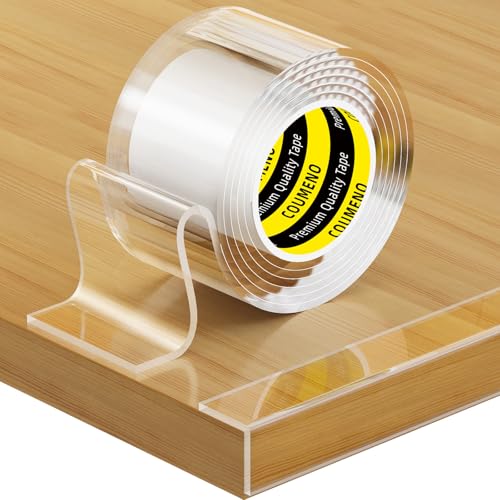
COUMENO Clear Corner Protector,Baby Proof Bumper Strip,1.6inx6.6 ft,1 Roll | Baby proof bumpers fit furniture and table sharp edges & corners, practical corner guard for household baby safety protection
Check price on Amazon
LONGFITE Table Wall Edge Protector Clear Corner Protectors Guards 6.56 feet Furniture Fireplace Safety Bumpers 8 Pack Baby Proofing with Wide Coverage and Safe Silicone Material (Semitransparent)
Check price on Amazon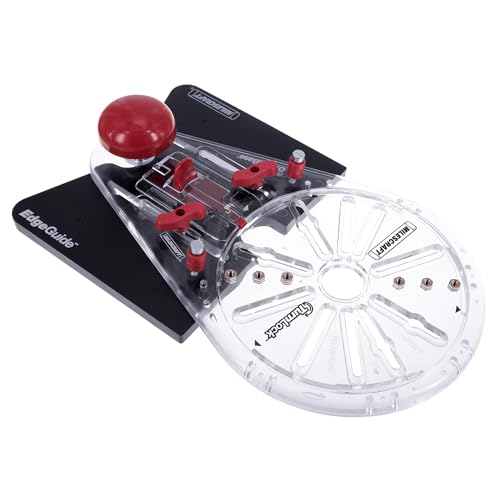
Milescraft 1224 Edge & Mortise Guide - Universal Router Guide for Straight or Cylindrical Edges - Built in Mortise Guide - Bonus Offset Base
Check price on Amazon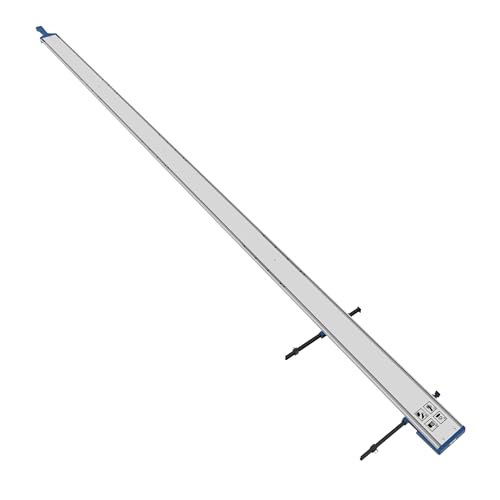
KREG Straight Edge Guide XL 244 mm (8 ft.)
Check price on Amazon
Sofits Fall Fitted Oval Table Cloth with Elastic 42x60 Inch Floral Tablecloth Spandex Stretchy Fabric Dining Table Cover for Outdoor Party Wrinkle Free Non Slip Red and Yellow Leaf
Check price on Amazon
SAFAVIEH Furniture - Amelin Dining Table - Walnut Wood - Modern Rectangular Dining Table - Ideal for Dining Room, Kitchen, 47.2" W x 31.5" D x 29.5" H (DTB4302A)
Check price on AmazonReady to Choose Your Dining Table Edge?
Now that you understand every major edge profile, you can evaluate tables with a sharper eye. Compare construction details across our guides and find the table that fits your home and lifestyle.
Explore Dining Table ReviewsFor a structured approach from first measurement to final delivery, follow the first dining table checklist and the dining table purchase timeline. If you are renovating an older table rather than buying new, the dining table refinishing guide explains how to re-cut or restore an edge profile.