
Dining Table Humidity Care Guide
Protect your dining table from moisture damage, warping, cracking, and mold. Discover expert strategies for maintaining ideal humidity levels and preserving your table for years to come.
Why Humidity Matters: Your dining table is more than furniture—it is an investment in your home's comfort and style. Whether you own a solid oak dining table, a walnut dining table, or a marble dining table, humidity fluctuations are one of the most overlooked threats to its longevity. Wood expands when moisture rises and contracts when the air dries out, while stone and composite surfaces can develop stains or micro-cracks. This guide gives you a complete humidity care strategy for every table material.
How Humidity Affects Different Dining Table Materials
Not all dining tables respond to moisture in the same way. Understanding your table's material is the first step toward effective humidity care. For a broader overview of material properties, explore our dining table materials and finishes hub.
Solid Wood Tables
Wood is hygroscopic—it absorbs and releases moisture from the air. In high humidity, wood swells, causing joints to tighten and boards to bow. In dry conditions, it contracts, leading to gaps, cracks, and splitting.
- Ideal relative humidity: 40–50%
- High risk: warping, cupping, joint separation
- Low risk: cracking, splitting along the grain
Veneer & Composite Tables
Veneered tables feature a thin wood layer over a manufactured core. Humidity changes can cause the veneer to lift, bubble, or peel, especially at edges and seams.
- Ideal relative humidity: 40–50%
- High risk: veneer lifting, bubbling, delamination
- Low risk: edge shrinkage and cracking
Stone Tables (Marble, Granite, Quartz)
Natural stone is porous and can absorb moisture, leading to staining and, in extreme cases, structural weakness. Quartz is less porous but still benefits from humidity management.
- Ideal relative humidity: 40–55%
- High risk: staining, efflorescence, surface degradation
- Low risk: minimal, but sealant can dry out
Glass & Metal Tables
Glass surfaces are non-porous and largely unaffected by humidity. Metal frames, however, can rust or corrode in consistently damp environments, especially if the finish is compromised.
- Ideal relative humidity: 40–60%
- High risk: metal corrosion, condensation buildup
- Low risk: glass is humidity-resistant
The Ideal Humidity Range for Your Dining Table
Most furniture experts and wood scientists agree that a stable relative humidity (RH) between 40% and 50% is optimal for solid wood dining tables. For marble and granite tables, the range can extend slightly to 55%. The key is stability—rapid swings in humidity cause more damage than consistently slightly high or low levels.
Quick Reference: Humidity Levels and Table Risk
Below 30% RH: High risk of wood cracking and joint separation. Above 60% RH: High risk of mold, warping, and veneer damage. 40–50% RH: The safe zone for most dining tables. Monitor with a digital hygrometer placed near your table for accurate readings.
| Humidity Level | Risk Level | Common Effects | Recommended Action |
|---|---|---|---|
| Below 30% RH | High (Dry) | Cracking, splitting, joint gaps, veneer shrinkage | Use a humidifier, avoid direct heat sources |
| 30–40% RH | Moderate (Dry) | Minor shrinkage, slight joint loosening | Monitor closely, consider mild humidification |
| 40–50% RH | Low (Ideal) | Stable wood, minimal movement | Maintain current conditions |
| 50–60% RH | Moderate (Damp) | Slight swelling, tighter joints, early mold risk | Improve ventilation, use dehumidifier if needed |
| Above 60% RH | High (Damp) | Warping, mold growth, veneer bubbling, metal rust | Use dehumidifier, increase airflow, treat mold promptly |
Seasonal Humidity Care Strategies
Humidity levels change dramatically with the seasons. Your dining table care routine should adapt accordingly. For related seasonal guidance, see our summer heat protection guide and winter moisture control guide.
Summer & Humid Months
Warm air holds more moisture, increasing indoor humidity. Air conditioning helps, but inconsistent use can create swings. Focus on dehumidification and airflow.
- Run a dehumidifier to keep RH below 55%
- Use ceiling fans or portable fans to circulate air
- Wipe up condensation promptly
- Keep table away from open windows during rain
Winter & Dry Months
Heating systems strip moisture from the air, dropping indoor humidity to 20% or lower. Wood tables are at high risk of cracking and joint separation.
- Use a humidifier to maintain 40–50% RH
- Keep table at least 3 feet from radiators and vents
- Apply a quality wood conditioner or wax before winter
- Avoid placing table near drafty doors
Rainy Season & Monsoons
Prolonged damp conditions create the highest risk of mold and warping. Proactive moisture control is essential.
- Use a dehumidifier continuously in the dining room
- Ensure good cross-ventilation when weather permits
- Inspect table underside and joints for mold regularly
- Consider a moisture-absorbing product for enclosed rooms
Transitional Seasons
Spring and autumn often bring rapid humidity swings. Stability is the goal—avoid abrupt changes.
- Monitor RH daily with a hygrometer
- Adjust HVAC settings gradually
- Keep table away from open windows during weather changes
- Re-oil or wax wood tables as part of seasonal upkeep
Wood Dining Table Humidity Care: Detailed Steps
Wood tables require the most attentive humidity care. Whether you own an entry-level teak table or a premium oak or walnut table, the principles are the same. Follow these steps to protect your investment.
Step 1: Seal and Protect the Surface
A quality finish is your table's first line of defense against moisture. Oil finishes (see our oiled dining table guide) allow wood to breathe while repelling surface moisture. Lacquered and polyurethane finishes (covered in our lacquered dining table guide) create a more impermeable barrier. Reapply finish as recommended—typically every 6–12 months for oiled tables.
Step 2: Control the Room's Humidity
Use a digital hygrometer to monitor relative humidity near your table. Keep it between 40% and 50%. In dry seasons, a humidifier adds moisture; in damp seasons, a dehumidifier removes it. Avoid dramatic swings—gradual adjustments are safer for wood.
Step 3: Manage Airflow and Placement
Good air circulation prevents moisture pockets. Avoid pushing your table flush against a wall or placing it in a closed, unventilated corner. Keep it away from direct heat sources (radiators, fireplaces, heating vents) and direct sunlight, which can dry and fade the wood—see our sunlight fade prevention guide.
Step 4: Use Protective Pads and Linens
Table pads and tablecloths offer a physical barrier against condensation and spills. Our dining table pad protection guide explains how to choose and use pads that allow the table to breathe underneath. Avoid leaving damp linens on the surface for extended periods.
Step 5: Regular Inspection and Maintenance
Inspect your table monthly for early signs of humidity damage: small cracks, joint gaps, cupping, or mold spots. Address issues promptly using our DIY repair guide or consult a professional for significant damage. Routine upkeep, covered in our routine upkeep guide, extends your table's life.
Stone Dining Table Humidity Care
Stone tables are durable but porous. Marble, granite, and travertine require sealing to prevent moisture absorption and staining. For quartz and glass, humidity care is simpler but still worthwhile.
- Seal regularly: Apply a penetrating stone sealer every 6–12 months. See our marble dining table sealing guide for step-by-step instructions.
- Wipe up spills immediately: Even sealed stone can absorb liquids if left standing.
- Avoid acidic cleaners: Use pH-neutral stone cleaners to preserve the sealant.
- Monitor humidity: Keep RH below 55% to reduce condensation and efflorescence risk.
For a complete guide to travertine care, see our travertine dining table guide. If you own a quartz table, our quartz dining table guide covers its lower-maintenance humidity profile.
Mold Prevention: When Humidity Becomes a Health Concern
Persistent humidity above 60% creates conditions for mold growth on wood, veneer, and upholstered chairs. Mold not only damages your table but can affect indoor air quality. For comprehensive prevention strategies, read our dining table mold prevention guide.
Recognize Early Mold Signs
Look for musty odors, visible dark spots, or a powdery film on the table underside and joints. Mold often starts in hidden areas where air circulation is poor.
Prevent Mold Growth
Keep RH below 55%, ensure airflow around the table, and avoid storing damp items on or under the table. Clean and dry the surface regularly.
Treat Mold Safely
For minor surface mold, wipe with a diluted vinegar solution and dry thoroughly. For significant mold or mold on upholstered chairs, consult a professional.
Tools for Monitoring and Managing Humidity
You cannot manage what you do not measure. Invest in these simple tools to protect your dining table:
| Tool | Purpose | Best For |
|---|---|---|
| Digital Hygrometer | Measures relative humidity and temperature | Every dining room with a wood or stone table |
| Humidifier | Adds moisture to dry air | Winter months, dry climates |
| Dehumidifier | Removes excess moisture from the air | Humid months, rainy seasons, damp rooms |
| Moisture Meter (for wood) | Checks wood moisture content directly | Solid wood tables, especially antique or vintage pieces |
| Ceiling or Portable Fan | Improves air circulation | All dining rooms, especially in humid conditions |
When to Call a Professional
Some humidity damage is beyond DIY repair. Contact a furniture restoration professional if you notice:
- Deep cracks or splitting that affect structural integrity
- Extensive mold growth, especially on upholstered chairs or table undersides
- Veneer lifting or bubbling across a large area
- Persistent musty odors that return after cleaning
- Warping that affects the table's stability or flatness
For restoration projects, our vintage dining table restoration guide and dining table refinishing guide offer professional-level insights. If your table has sustained significant damage, our veneer repair guide and heat mark repair guide can help you assess the next steps.
Protect Your Dining Table Investment
Humidity care is one of the simplest yet most impactful things you can do for your dining table. By maintaining stable humidity, using protective finishes, and monitoring conditions, you can enjoy your table for decades.
Explore More Care & Maintenance GuidesRecommended Humidity Control & Table Care Products
⚠️ AFFILIATE DISCLOSURE: This website contains affiliate links. As an affiliate Associate, we earn from qualifying purchases. If you make a purchase through these links, we may receive a small commission at no additional cost to you. Read our full affiliate policy.

Visit the World from Your Dining Room Table: How to Host a Themed Dinner Party with Ease
Check price on Amazon
Butlers Do It On Dining Tables: Dining Etiquette for Hosts & Guests including Table Setting & Table Manners (English Etiquette)
Check price on Amazon
WORHE Natural Travertine Marble Coasters Set of 4-4" Round Stone Drink Coasters, Non-Slip Cork Backing, Housewarming Gift, Wedding, Protect Tables from Stains & Scratches (BD140)
Check price on Amazon
WORHE Natural Marble Coasters Set of 4-4" Round Stone Drink Coasters, Non-Slip Cork Backing, Housewarming Gift, Wedding, Protect Tables from Stains & Scratches Cream Grey (WH117)
Check price on Amazon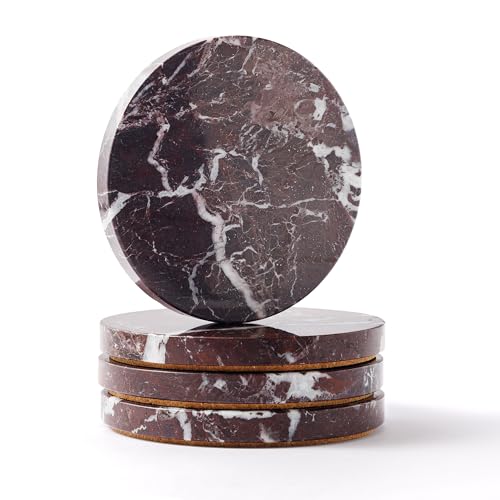
WORHE Natural Marble Coasters Set of 4-4" Round Stone Drink Coasters, Non-Slip Cork Backing, Housewarming Gift, Wedding, Protect Tables from Stains & Scratches Rosso Lepanto (WH114)
Check price on Amazon
Manhattan Comfort Whythe Modern PU Leather Dining Chair, Standout Simplistic Design, White
Check price on Amazon
GENIMO 8X10 Washable Area Rug for Living Room, Abstract Soft Non Slip | Green Artistic Rug for Bedroom and Dining Room, Stain Resistant Faux Wool Rug, Pet-Friendly, Low Pile, Spill Resistant
Check price on Amazon
Ironwood Gourmet 28330 Local 338 Bagel Miter, Acacia Wood, 7 x 5.5 x 2.5 inches
Check price on AmazonFrequently Asked Questions About Dining Table Humidity Care
What is the ideal humidity level for a wood dining table?
The ideal relative humidity for most solid wood dining tables is between 40% and 50%. This range minimizes expansion and contraction, reducing the risk of warping, cracking, and joint separation. Use a digital hygrometer to monitor levels near your table.
Can humidity cause cracks in my dining table?
Yes. When humidity drops below 30%, wood loses moisture and contracts. This contraction can cause cracks, splitting, and gaps at joints. In contrast, high humidity causes swelling and warping. Stability is key—avoid rapid swings.
How do I protect my marble dining table from humidity?
Marble is porous, so seal it every 6–12 months with a penetrating stone sealer. Wipe up spills immediately, use pH-neutral cleaners, and keep indoor humidity below 55%. For detailed steps, see our marble dining table sealing guide.
Should I use a humidifier or dehumidifier in my dining room?
It depends on the season and your climate. Use a humidifier during dry winter months to keep RH above 40%. Use a dehumidifier during humid summer months to keep RH below 55%. A hygrometer tells you which is needed at any given time.
Can mold grow on my dining table from humidity?
Yes, mold can grow on wood, veneer, and upholstered chairs when humidity exceeds 60% for extended periods. Prevent mold by maintaining proper humidity, ensuring airflow, and cleaning and drying surfaces regularly. For more, read our mold prevention guide.
How often should I apply a protective finish to my wood table?
For oiled finishes, reapply every 6–12 months or when the surface starts to look dry. For lacquered or polyurethane finishes, inspect annually and touch up as needed. Regular waxing—covered in our wood dining table wax and polish guide—adds an extra layer of moisture protection.
Is it safe to place my dining table near a heating vent or radiator?
No. Direct heat sources dramatically lower local humidity and can cause the wood to dry out unevenly, leading to cracks and warping. Keep your table at least 3 feet away from radiators, heating vents, and fireplaces.
What should I do if my dining table already has humidity damage?
Minor cracks and water rings can often be repaired with DIY methods—see our water ring removal guide and scratch touch-up guide. For significant warping, splitting, or mold, consult a professional furniture restorer.
Continue Your Dining Table Care Journey
Humidity care is part of a broader maintenance routine. Explore these related guides to keep your dining table in top condition:
- Dining Table Care & Maintenance Hub — your central resource for all care topics
- Seasonal Deep Cleaning Guide — quarterly cleaning routines
- Stain Removal Guide — tackle spills and marks effectively
- Scratch Touch-Up Guide — repair surface scratches
- Wobbly Table Fix Guide — stabilize a table affected by humidity shifts
- Surface Leveling Guide — address uneven surfaces
- Moving Safely Guide — protect your table during relocation
- Routine Upkeep Guide — daily and weekly care habits
Ready to shop for a humidity-resistant table? Browse our shopping and reviews hub, start with our first dining table checklist, and avoid common pitfalls with our dining table buying mistakes guide. For size planning, consult the dining table size chart.