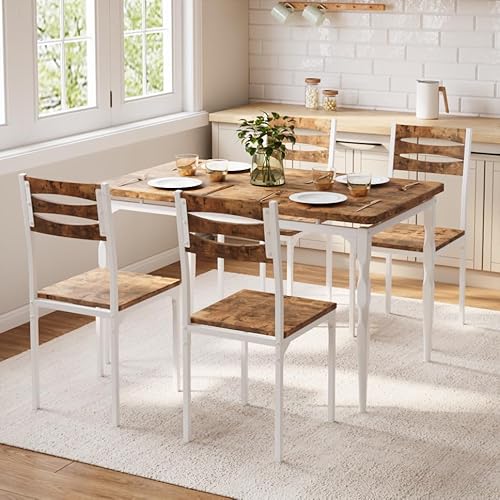
White and Brown Farmhouse Dining Table: The Complete Buying Guide
A two-tone farmhouse table pairs a crisp white base with a warm natural wood top. This guide explains finishes, materials, sizing, durability, and styling so you can choose a table built to last for years of family meals.
Why this guide matters: A white and brown farmhouse dining table is one of the most versatile anchors for a dining room or open kitchen. The contrast between a painted base and a natural wood top softens rustic character while keeping the design bright and modern. Below we break down everything a research-stage buyer needs before committing: wood species, paint durability, seating capacity, table proportions, and long-term care.
What Defines a White and Brown Farmhouse Dining Table
A farmhouse table traditionally uses sturdy timber construction, visible joinery, and a generous work surface. The white and brown variation adds a two-tone finish: the legs, apron, and pedestal are painted white, while the tabletop keeps its natural brown wood tone. This split design is popular because it balances the airy feel of painted furniture with the warmth and depth of raw wood grain.
The best examples share a few traits: a thick top of at least one and a half inches, a reinforced frame or apron, and a finish that protects the wood from daily spills. If you prefer a darker silhouette, a dark wood farmhouse dining table reverses the palette and delivers a more moody, traditional look. The white and brown version, by contrast, suits bright rooms, coastal interiors, and transitional spaces.
Two-Tone Contrast
A painted base paired with a natural wood top creates visual depth without overwhelming a room. It also hides scuffs on the base better than an all-white table.
Rustic Character
Distressed edges, visible grain, and simple turned or tapered legs give the table a lived-in, welcoming feel that suits family homes.
Solid Construction
Farmhouse tables favor thick tops, reinforced aprons, and sturdy legs. These build choices directly affect how well the table handles daily use.
Flexible Styling
White and brown pairs equally well with linen runners, woven placemats, ceramic dinnerware, and both warm and cool color palettes.
Wood Species for the Brown Top
The brown top does most of the visual work, so the wood species matters. Each species brings a different grain pattern, hardness level, and long-term behavior. Below is a comparison to help you match the wood to your household.
| Wood Species | Grain Character | Durability | Best For |
|---|---|---|---|
| Oak | Bold, open grain | High — resists dents | Busy family homes |
| Walnut | Rich, flowing grain | High — dense and stable | Premium and luxury interiors |
| Pine | Soft, casual grain | Moderate — dents more easily | Entry-level rustic looks |
| Mango | Wavy, varied grain | Moderate to high | Mid-range farmhouse designs |
| Rubberwood | Uniform, subtle grain | Moderate | Starter-tier two-tone tables |
For a table that will be used for homework, crafts, and daily meals, oak or walnut are the safest long-term investment. Pine and mango suit lighter use and give a more relaxed, cottage-style appearance.
Paint and Finish Quality on the White Base
The painted base is where two-tone tables often differ most in quality. Entry-level tables may use a thin coat of flat paint that chips at the corners. Mid-range and premium tables typically apply a satin or semi-gloss finish over a sealed primer, which resists stains and wipes clean more easily.
- Satin finish: A soft sheen that hides minor scuffs and is easy to clean. Common on mid-range tables.
- Semi-gloss finish: More reflective and more stain-resistant. Suits high-traffic family dining areas.
- Distressed or rubbed finish: Intentional wear on edges gives a weathered look and masks new scratches.
- Sealed primer: Prevents the wood grain from showing through and improves paint adhesion over time.
If you want a similar look with a stone surface instead of wood, a marble top extendable dining table offers a comparable two-material contrast with a cooler, more polished feel.
Sizing and Seating Capacity
Farmhouse tables are often available in generous lengths, which makes them ideal for larger households. The right size depends on your room dimensions, the number of regular diners, and whether you want room for occasional guests.
| Seating Capacity | Typical Length | Room Footprint Guidance | Best For |
|---|---|---|---|
| 4 seats | Compact to medium | Fits smaller dining nooks | Couples and small families |
| 6 seats | Medium to long | Needs clear walkway around all sides | Everyday family dining |
| 8 seats | Long | Suits dedicated dining rooms | Regular entertaining |
| 10 seats | Extra long | Requires a large open room | Large gatherings and holidays |
Leave at least 36 inches of clearance between the table edge and walls or other furniture so chairs can pull out comfortably. For a long rectangular footprint, a 36 x 96 dining table is a proven proportion that seats six to eight diners with room to spare.
Construction Details That Affect Longevity
Two tables can look identical in a showroom yet age very differently. The difference usually comes down to construction details that are easy to check once you know what to look for.
- Apron reinforcement: A solid apron or corner braces prevent the top from sagging over time.
- Leg attachment: Bolted or mortise-and-tenon joints hold up better than simple screws into end grain.
- Tabletop thickness: Thicker tops resist warping and feel more substantial during daily use.
- Expansion allowance: Solid wood tops need room to expand and contract with humidity changes.
- Sealed underside: A sealed underside reduces moisture absorption and helps prevent cupping.
If you plan to place the table in a sunroom or covered patio, look for weather-resistant construction and a sealed finish. An outdoor ceramic dining table is a better fit for fully exposed spaces where solid wood would struggle.
Styling a White and Brown Farmhouse Table
The two-tone palette is forgiving and easy to layer. Neutral linens, woven textures, and natural materials reinforce the farmhouse feel without competing with the table itself.
Linens and Runners
A natural linen runner in oatmeal or stone gray softens the contrast between the white base and brown top.
Seating Mix
Pair a wooden bench on one side with cross-back chairs on the other for a relaxed, balanced layout.
Tabletop Decor
Ceramic pitchers, wooden bowls, and simple greenery keep the look grounded and uncluttered.
Lighting
A linear pendant or a pair of woven pendants centered over the table highlights the wood grain.
Care and Maintenance for Two-Tone Tables
Routine care keeps both the painted base and the wood top looking sharp. Wipe spills promptly, avoid harsh chemical cleaners, and reapply a wood conditioner or wax on the top once or twice a year depending on use.
- Dust the top weekly with a soft microfiber cloth.
- Use coasters and trivets to prevent heat marks and water rings on the wood.
- Clean the white base with a damp cloth and mild soap; avoid abrasive pads.
- Touch up chips on the base with matching paint before they spread.
- Keep the table away from direct radiator heat and prolonged sunlight.
If the top ever needs a refresh, light sanding and a fresh coat of oil or hardwax restores the grain. For a deeper understanding of what separates a durable table from a fragile one, read our guide to a good quality dining table.
How a Two-Tone Farmhouse Table Compares to Other Styles
A white and brown farmhouse table sits between fully rustic and fully modern designs. Compared with a single-tone rustic table, it feels brighter and more adaptable. Compared with a sleek modern table, it feels warmer and more inviting.
If your room leans coastal or airy, a white and brown farmhouse table is a natural fit. If you prefer a bolder industrial edge, a concrete dining table for 8 delivers a heavier, more architectural presence. For a compact round footprint with a metallic accent, a round brass dining table offers a different take on mixed materials.
Extendable and Space-Saving Options
Many farmhouse tables are available in extendable versions, which let you add seating for holidays without committing to a permanently long footprint. A pine extendable model is a popular choice for households that want the farmhouse look with flexible hosting.
For a closer look at how extendable pine tables perform over time, see our guide to the solid pine extendable dining table. If your priority is outdoor hosting on a covered patio, a glass top outdoor dining table set or a composite dining table for outdoor use may suit the space better than solid wood.
Frequently Asked Questions
What makes a white and brown farmhouse dining table different from a single-tone table?
A two-tone design pairs a white or painted base with a natural brown wood top. This contrast adds visual depth, hides wear on the base, and lets the wood grain stand out as the focal point of the room.
Which wood works best for the brown top of a farmhouse table?
Oak, pine, mango, and walnut are common choices. Oak and walnut are dense and resist dents well, while pine and mango offer softer grain patterns and a more casual, rustic character suited to farmhouse interiors.
How do I keep a white painted base looking clean?
Wipe spills promptly with a damp cloth, avoid abrasive cleaners, and touch up scuffs with matching paint. A satin or semi-gloss finish on the base resists stains better than a flat finish.
Is a two-tone farmhouse table suitable for everyday family use?
Yes. Mid-range and premium two-tone tables with sealed tops and reinforced frames handle daily meals, homework, and gatherings well. Choose a sealed, slightly distressed finish if you want to mask minor wear.
What seating pairs best with a white and brown farmhouse table?
Wooden benches, cross-back chairs, and upholstered ladder-back chairs all suit the farmhouse look. Mixing a bench on one side with chairs on the other keeps the layout flexible and visually balanced.
Ready to Choose Your Farmhouse Table?
Use this guide to shortlist the wood, finish, and size that fit your home, then explore our related buying guides for side-by-side comparisons before you commit.
Recommended White and Brown Farmhouse Dining Tables
⚠️ AFFILIATE DISCLOSURE: This website contains affiliate links. As an affiliate Associate, we earn from qualifying purchases. If you make a purchase through these links, we may receive a small commission at no additional cost to you. Read our full affiliate policy.

Tribesigns Dining Table for 4-6 People, 63-Inch Rectangular Kitchen Table with Solid Wood Legs, Farmhouse Dinner Table for Dining Room, Kitchen, Rustic Brown & Cream White
Check price on Amazon
Tribesigns Farmhouse Dining Table for 6 People, 70.8-Inch Rectangular Wood Dining Table, Rustic Kitchen Table with Heavy Duty Metal Legs for Dining Room (Brown/White)
Check price on Amazon
JIVOIT 6-Piece Dining Table Set, Rustic Farmhouse Style Kitchen Set with Rectangular Dining Table/4 Chairs/Bench, Solid Wood Set for Kitchen Dining Room (Brown+Cottage White)
Check price on Amazon
SLEKVERSA Farmhouse Dining Counter Height Table with Wine Rack & 3 Shelves, 36" Wooden Tall Dining Table with 2 Drawers, Thick Frame Counter Height Kitchen Table for Entertaining, Retro White Brown
Check price on Amazon
Tribesigns 47-Inch Dining Table for 4, White Kitchen Dinner Table with Heavy Duty Pedestal, Farmhouse Wooden Eating Table for Home, Dining Room, Small Space, White & Brown
Check price on Amazon
Tribesigns Farmhouse Dining Table for 6-8 People, 78.7-Inch Rectangular Wood Dining Table, Rustic Kitchen Table with Heavy Duty Metal Legs for Dining Room
Check price on Amazon