
Resin Dining Table Guide: Materials, Care & Buying Tips
Resin dining tables blend modern design with practical performance. This guide explains how resin tables are built, what separates quality tiers, how to care for the surface, and how to choose the right model for your dining room.
Why resin deserves a place at your table: Resin — often in the form of epoxy or poly-resin — gives designers unusual freedom. It can be poured into wood, combined with pigments, or shaped into seamless surfaces that resist moisture far better than untreated timber. For buyers researching before a purchase, understanding the material is the key to choosing wisely.
What Is a Resin Dining Table?
A resin dining table uses a synthetic polymer — most commonly epoxy resin — as a core surface material or as a protective and decorative layer over a wood or composite base. The resin is poured, cured, and finished into a hard, smooth top that can be clear, tinted, or opaque.
Two main constructions dominate the market. First, solid resin tables use poured resin as the primary tabletop, sometimes reinforced with fiberglass or a wooden substrate. Second, resin-coated tables pair a wood or engineered core with a resin topcoat or inlay, giving the warmth of timber with a sealed, water-resistant surface. Both constructions sit within the broader family covered in our materials and finishes hub.
Resin tables are frequently compared with other modern surfaces. If you are weighing options, our guides on the glass dining table and the concrete dining table provide useful contrasts in weight, maintenance, and visual character.
Resin Table Construction: What Happens Under the Surface
The quality of a resin dining table is largely determined by what you cannot see. A well-built table typically includes a stable substrate — solid wood, plywood, or MDF — that prevents warping and supports the resin layer. Entry-level tables may use thinner substrates and thinner resin pours, while mid-range and high-end tier models use reinforced cores and thicker, more carefully cured resin.
Frames and legs matter just as much. A resin top is only as stable as its base, so look for frames made from metal or solid hardwood. Our dining table frame guide explains how frame construction affects longevity, and the dining table leg guide covers leg styles from pedestal to trestle. Edge treatment also affects both comfort and durability — see the edge profile guide for details.
Types of Resin Dining Tables
Resin tables are not a single product category. Understanding the variants helps you match the table to your room and lifestyle.
- River tables: A wood slab split by a flowing river of colored or clear epoxy. These are statement pieces, typically in the premium and luxury tiers, and suit large dining rooms.
- Solid resin tops: A poured, seamless surface in a single color or pattern. These are easy to clean and work well in modern and industrial interiors.
- Resin-coated wood tables: A timber top sealed with a resin finish. They keep wood grain visible while gaining water and stain resistance — a practical middle path between a solid oak table and a fully synthetic surface.
- Resin and stone hybrids: Resin combined with stone chips or marble-effect pigments, offering the look of a marble dining table with lighter weight and easier maintenance.
- Outdoor-rated resin tables: UV-stabilized and weather-resistant models designed for patios and covered terraces.
Resin vs. Other Table Materials
Buyers often ask how resin compares with wood, stone, and metal. The table below summarizes the trade-offs without straying into territory covered by other guides.
| Material | Best For | Maintenance Level | Typical Tier |
|---|---|---|---|
| Resin / epoxy | Modern interiors, moisture-prone rooms, statement designs | Low to moderate | Entry-level to luxury |
| Solid oak | Traditional and farmhouse spaces, long-term use | Moderate | Mid-range to premium |
| Walnut | Warm, dark-toned dining rooms | Moderate | Premium to luxury |
| Marble | Formal dining rooms and elegant schemes | Moderate to high | Premium to luxury |
| Metal | Industrial and compact spaces | Low | Entry-level to mid-range |
For a deeper side-by-side on popular pairs, see our comparisons such as oak vs walnut and the broader shopping and reviews hub.
Quality Tiers: How Resin Tables Differ
Resin dining tables span a wide range of quality. Because construction and finish vary so much, buyers should evaluate tables by tier rather than by any single specification. This guide uses a consistent three-tier system.
- Entry-level tier: Thinner resin pours, simpler substrates, and basic topcoats. Suitable for light use and occasional dining. These models are a solid choice for a starter table, but they benefit most from protective pads and careful cleaning.
- Mid-range tier: Thicker resin, reinforced cores, and UV-stabilized finishes. These tables handle daily family meals well and typically offer smoother edges and more refined pigments. The mid-range tier is the balanced choice for most households.
- Premium and luxury tiers: Hand-poured river tables, custom pigments, and high-grade topcoats with strong scratch and heat resistance. These are long-term investments for buyers who want a focal piece with reliable durability.
Whatever tier you choose, the same principle applies as with wood: a well-specified table in the mid-range tier often outperforms a poorly finished table marketed at a higher tier. Feature-rich models in the mid-range tier usually deliver the best day-to-day experience.
Size, Shape, and Seating
Resin tables are available in every common configuration. A rectangular dining table remains the most popular choice for family dining, while a round dining table encourages conversation in compact rooms. For narrow spaces, an oval dining table softens the room and improves flow, and a square dining table works well in open-plan kitchens.
Match seating to the table size. A 4-seater table suits couples and small families, while a 6-seater dining table is the versatile standard for most homes. Larger households should review the 8-seater dining table and 10-seater dining table options. If your dining room doubles as an entertaining space, an extendable dining table adds flexibility. Use our dining table size chart and the space planning guide before committing.
Caring for a Resin Dining Table
Resin is among the easier surfaces to maintain, but it is not maintenance-free. Routine care keeps the finish clear and prevents dulling.
- Daily cleaning: Wipe with a soft, damp cloth and a mild soap solution. Avoid abrasive pads and harsh solvents that can dull the surface.
- Heat protection: Always use trivets and coasters. While premium resin resists heat better than entry-level resin, direct contact with hot cookware can leave marks. See the heat mark repair guide if marks appear.
- Scratch prevention: Felt pads under chairs, placemats, and a protective pad for craft projects all help. The table pad guide covers suitable options.
- Stain removal: Address spills promptly. The stain removal guide lists safe methods for common spills.
- UV exposure: Position the table away from harsh direct sunlight to slow fading and yellowing. Our sunlight fade prevention guide explains how.
- Humidity and moisture: Resin itself is moisture-resistant, but the wood substrate underneath still responds to humidity changes. Keep the room between moderate humidity levels and see the humidity care guide for seasonal adjustments.
For a broader routine, the routine upkeep guide and the care and maintenance hub are useful companions. Minor scratches can often be handled with the steps in the scratch touch-up guide.
Styling a Resin Dining Table
Resin surfaces range from glossy and reflective to matte and organic. A clear river table tends to dominate the room, so keep accessories restrained. A soft table runner and simple placemats add warmth without competing with the surface.
Pair resin tables with comfortable seating from the dining chair selection guide. Upholstered chairs soften the look of a hard resin top, while a dining bench works well with long rectangular tables. Check the chair height guide to ensure a comfortable match. A centerpiece with natural textures — stone, dried branches, linen — balances the synthetic finish, and the vignette ideas article offers starting points.
For lighting, a pendant or linear fixture above the table adds drama and function. The lighting placement guide covers positioning, and the style and design hub collects broader interior direction.
Common Buying Mistakes to Avoid
Resin tables have specific pitfalls worth knowing before you commit.
- Choosing a thin resin pour for daily family use. Thin surfaces are more prone to wear; a thicker mid-range tier table will serve better.
- Ignoring the substrate. A beautiful top on a weak core warps over time. Inspect the frame and substrate as carefully as the surface.
- Skipping UV protection. Sun-facing rooms need UV-stabilized resin or a shaded position.
- Underestimating weight. Large resin tables are heavy and need help to move. Read the moving safely guide before delivery day.
- Mismatched scale. A statement river table in a small dining nook overwhelms the room. Use the space planning guide and walkway clearance guide to get the proportions right.
Our buying mistakes guide and first dining table checklist are useful companions to this article. When comparing specific models, curated reviews and highest-rated roundups are also helpful.
Resin Dining Table FAQ
Is a resin dining table durable for daily use?
A well-made resin dining table with a quality topcoat is durable for daily use. Premium resin surfaces resist moisture, scratches, and stains, while entry-level options may require more careful handling and protective pads.
Can a resin dining table be repaired if scratched?
Light scratches on resin surfaces can often be polished out or touched up with resin repair kits. Deeper damage may require professional refinishing, which is why protective pads and routine upkeep are recommended.
Does resin furniture fade in sunlight?
Resin can fade or yellow with prolonged direct UV exposure. Mid-range and premium resin tables often include UV-stabilized coatings, but placing the table away from harsh direct sunlight remains the best prevention.
What chairs work best with a resin dining table?
Chairs with smooth glides or felt pads protect the resin surface. Upholstered and stackable chairs pair well, and matching chair height to table height ensures comfortable seating.
Recommended Resin Dining Tables
⚠️ AFFILIATE DISCLOSURE: This website contains affiliate links. As an affiliate Associate, we earn from qualifying purchases. If you make a purchase through these links, we may receive a small commission at no additional cost to you. Read our full affiliate policy.

The EPOXY RESIN River Table Art Guide: Step-by-Step Guide to Build Coffee, Dining and Outdoor Wood Tables, With Pour Formulas
Check price on Amazon
THE EPOXY RIVER TABLE MANUAL: A Practical DIY Guide to Designing, Building, Finishing, Repairing, and Maintaining Epoxy River Tables
Check price on Amazon
Woodworker's Guide to Live Edge Slabs: Transforming Trees into Tables, Benches, Cutting Boards, and More (Fox Chapel Publishing) Approachable Handbook to Creating Live-Edge Furniture, with 8 Projects
Check price on Amazon
KIAVEZO Resin Leveling Table for Epoxy, Resin Table 3 Height Settings 14.6''x 9.25'', Adjustable Leveling Magnetic Bubble Level Built-in Drawer Silicone Mat For Molds Waves Crafting Art
Check price on Amazon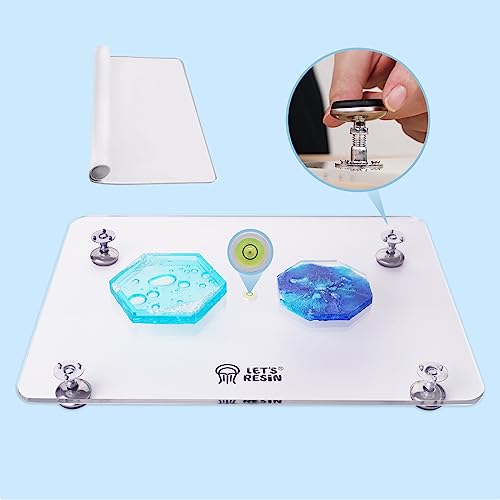
LET'S RESIN Resin Leveling Table, 16 x 12 in Adjustable Acrylic Platform | Adjustable Acrylic Platform with Silicone Mat Creates a Level Work Area for Resin Molds, Waves and Epoxy Projects
Check price on Amazon
Teexpert Leveling Table for Epoxy Resin: 16''x 12'' Adjustable Height & Tilt Angle High-Precision Board,No-Installation Required Nonstick Surface Multipurpose for Art Creation Resin Accessories Tool
Check price on Amazon
Crutello Resin Leveling Table, 24 x 16 Inch - Folding Craft Table | Foldable Legs, Epoxy Resin Supplies & Accessories for Art Mold Projects
Check price on Amazon
Resin Heating Leveling Board for Epoxy Set 16.5" x 11" with Timer | Adjustable Self Leveling Table 2 in 1 Quick Curing Dryer Machine 2 Silicone Mat Cover for DIY Resin Molds Supply
Check price on AmazonFinal thought: A resin dining table is a design-forward, practical choice when the construction and finish match your room and routine. Focus on the substrate, the quality of the resin pour, and the topcoat — then match the size and shape to your space. For next steps, explore the dining table types hub, the materials and finishes hub, and the shopping and reviews hub.