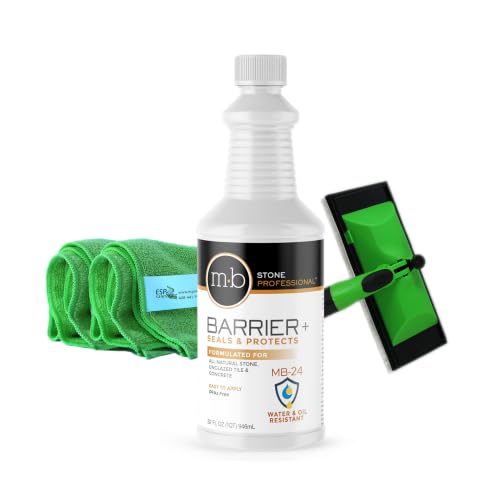
Marble Dining Table Sealing Guide: Protect and Preserve Your Table
A complete walkthrough on how to seal a marble dining table — from choosing the right sealer to the step-by-step application process that guards against stains, etching, and everyday wear.
Why sealing matters: Marble is a calcium-based natural stone with a porous surface. Without a protective sealer, spilled wine, citrus juice, oil, and even water can penetrate the surface and cause staining, dullness, or etching. Sealing is the single most effective maintenance step you can take to keep a marble dining table looking pristine for years. This guide explains the types of sealers, the preparation steps, application techniques, curing times, and a maintenance schedule you can follow with confidence.
Understanding Marble and How Sealers Work
Marble forms from limestone under heat and pressure, which gives it its characteristic veining and soft elegance. That same crystalline structure is what makes marble sensitive to acids and prone to absorbing liquids. A sealer works by filling the microscopic pores near the surface, slowing down liquid absorption and giving you valuable time to wipe up spills before they set in.
There are two main families of sealers relevant to a dining table:
- Penetrating sealers: These soak into the stone and form a barrier just below the surface. They are breathable, do not change the appearance of the marble, and are the standard recommendation for dining tables. Most quality penetrating sealers last between six and twelve months.
- Topical sealers (coatings): These sit on top of the stone like a thin film. They can add sheen but are more prone to scratching, clouding, and trapping moisture. For a dining surface that sees plates, glasses, and cleaning, penetrating sealers are generally the safer choice.
If your table has a polished or honed finish, confirm that the sealer is compatible with that finish. A materials and finishes overview can help you match the right product to your surface type before you begin.
When to Seal (and Reseal) Your Marble Table
New marble tables are often factory-sealed, but that protection weakens over time. The water droplet test is the simplest way to check: place a few drops of water on the surface and wait about 15 minutes. If the water beads up and stays on the surface, the sealer is still working. If the water darkens the stone or absorbs in, it is time to reseal.
As a general schedule:
- Daily-use dining tables: reseal every 6 to 12 months.
- Formal or occasional-use tables: reseal every 12 to 18 months, or whenever the droplet test indicates absorption.
- After any deep cleaning, stain removal, or repair work: reseal once the surface is fully dry.
If you are also planning a broader maintenance routine, pair this guide with the dining table care and maintenance hub for a complete schedule.
Tools and Materials You Will Need
- Marble-compatible penetrating stone sealer (check the label for marble suitability)
- Clean microfiber cloths or soft white rags
- A soft sponge or lint-free applicator pad
- Mild pH-neutral stone cleaner
- Clean water and a spray bottle
- Nitrile gloves
- Painter's tape (optional, to protect edges or nearby surfaces)
- Ventilation: open windows or run a fan
Safety note: Most sealers emit mild fumes. Work in a well-ventilated room, wear gloves, and keep children and pets away from the table until the sealer has fully cured. Always follow the manufacturer's instructions on the product label.
Step-by-Step Marble Sealing Process
Clear and Clean the Surface
Remove everything from the table. Wipe the surface with a pH-neutral stone cleaner and a soft cloth to remove dust, grease, and residue. Rinse with clean water and dry thoroughly. Sealer will not bond properly over dirt or cleaning film.
Let the Table Dry Completely
Allow the marble to dry for at least 24 hours after cleaning. Moisture trapped in the pores blocks the sealer from absorbing evenly. A dry, room-temperature surface is essential for a consistent result.
Test in a Small Area
Apply a small amount of sealer to an inconspicuous spot, such as the underside of the table or a corner. Wait the recommended time to confirm there is no discoloration or reaction before treating the whole surface.
Apply the Sealer Evenly
Pour a small amount of sealer onto a soft sponge or applicator pad. Spread it in thin, overlapping passes, working section by section across the table. Do not flood the surface; a thin, even layer is more effective than a heavy one.
Allow the Penetration Time
Follow the product label for the recommended dwell time — commonly 5 to 15 minutes. The sealer should visibly absorb into the stone. If puddles remain after the dwell time, wipe away the excess with a clean dry cloth.
Buff and Cure
Buff the surface with a clean microfiber cloth to remove any residue and leave an even finish. Then let the table cure undisturbed for 24 to 48 hours, avoiding water, food, and heavy objects during that window.
Choosing the Right Sealer: A Tier Comparison
Sealers vary in performance and formulation. The table below uses quality tier descriptors rather than specific figures, so you can match a product to your needs regardless of where you shop.
| Tier | Best For | Key Characteristics |
|---|---|---|
| Essential tier | Light-use tables and entry-level maintenance | Basic penetrating protection, shorter reseal interval, straightforward application |
| Balanced tier | Everyday family dining tables | Good absorption resistance, longer service life, low odor, water-based options available |
| Premium tier | High-traffic tables and polished finishes | Deeper penetration, strong stain and moisture resistance, refined finish with no visible residue |
| Professional-grade | Commercial or heavily used dining surfaces | Maximum durability, extended reseal intervals, formulated for demanding environments |
Mid-range and premium sealers typically offer a longer effective life than essential-tier products, which can reduce how often you need to repeat the process. Whichever tier you choose, consistency matters more than the product alone.
Aftercare: Keeping the Seal Working
Sealing is not a one-time event. Day-to-day habits determine how long the protection lasts:
- Wipe spills promptly, especially wine, citrus, vinegar, and oily foods.
- Use coasters and trivets to reduce heat shock and ring marks.
- Clean with a pH-neutral stone cleaner; avoid acidic or abrasive cleaners.
- Use placemats during messy meals to reduce direct contact with the surface.
- Recheck with the water droplet test every few months.
For a deeper routine, see the routine upkeep guide. If a spill does leave a mark, the stain removal guide walks through safe methods. For tables near windows or in humid rooms, the humidity care guide explains how environmental conditions affect stone surfaces.
Common Sealing Mistakes to Avoid
- Sealing a dirty or damp surface: Traps debris and moisture, leading to uneven protection.
- Over-applying: Excess sealer that cannot absorb leaves streaks and sticky residue.
- Skipping the cure time: Using the table too soon reduces the sealer's effectiveness.
- Using the wrong product: Granite-only or film-forming coatings can cloud marble.
- Ignoring the droplet test: Resealing too early wastes product; waiting too long risks permanent stains.
Frequently Asked Questions
How often should I seal a marble dining table?
Most marble dining tables benefit from resealing every 6 to 12 months, depending on usage and the type of sealer. High-traffic tables used daily may need sealing more frequently, while tables in low-use formal dining rooms can go longer between applications. A simple water droplet test helps you determine when it is time to reseal.
Can I use a universal stone sealer on a marble dining table?
Yes, a quality penetrating stone sealer formulated for marble and other calcium-based stones is suitable. Avoid sealers designed only for granite or dense stones, and never use topical film-forming coatings that can trap moisture and cause clouding. Always confirm the product label lists marble as a compatible surface.
Does sealing marble prevent etching from acidic foods?
Sealing significantly slows the absorption of liquids and reduces staining, but it does not make marble acid-proof. Acidic substances such as citrus juice, vinegar, wine, and tomato sauce can still etch the surface if left standing. Prompt cleanup remains essential even on a freshly sealed marble dining table.
How long should a marble dining table dry after sealing?
Most penetrating sealers require 24 hours of curing before the surface is fully protected, with some products recommending up to 48 hours. Light use after the initial drying period is usually acceptable, but avoid heavy cleaning, water spills, and hot dishes during the full cure window to allow the sealer to bond properly.
Recommended Marble Sealers and Stone Care Products
⚠️ AFFILIATE DISCLOSURE: This website contains affiliate links. As an Amazon Associate, we earn from qualifying purchases. If you make a purchase through these links, we may receive a small commission at no additional cost to you. Read our full affiliate policy.

Stone Care International Granite Stone Sealer - 16 Ounce - for Granite Marble Soapstone Quartz Quartzite Slate Limestone Corian Laminate Tile Countertop
Check price on Amazon
MORE Premium Stone Sealer - Water-Based Protectant - Granite, Marble, Concrete & Grout Sealer - for Indoor & Outdoor Use - Protects Against Oil, Water-Based Stains - Unscented - Gallon (128oz)
Check price on Amazon
Flitz Granite Sealer (+ Quartz) - Countertop & Marble Sealant (32oz) | USA-made, food-safe quartz sealer for glass and more. Helps shield against hard water stains, mineral deposits, and oil
Check price on Amazon
Tenax Hydrex Stone Sealer – Professional Penetrating Sealer for Granite, Marble, Natural Stone & Concrete – Stain & Water Protection for Countertops, Tile, Indoor & Outdoor Surfaces – 1 Quart
Check price on Amazon
Morden Fort White Marble Dining Table for 6 | Rectangle, Modern, Fluted Base, Gold Trim
Check price on Amazon
Signature Design by Ashley Zendalia Dining Table, 80" Faux Marble, Seats 8 | Solid Hardwood, MDF Substrate, Decorative Paper Laminate, Double Pedestal Base, Glossy Polyester Topcoat, Rectangular
Check price on Amazon
Granite Waterproofing Cleaner Wax – Protects & Waterproofs Light Stone Surfaces into a Radiant stain proof Finish - Instantly seal Marble, Quartz, & Soapstone – Luxury Countertop Shine – Made in USA
Check price on Amazon