
Dining Table Sunlight Fade Prevention: A Complete Protection Guide
Sunlight can quietly strip the color, finish, and character from your dining table over time. This guide explains exactly how UV exposure damages wood, stone, glass, and metal surfaces, and gives you practical, long-lasting strategies to prevent fading before it happens.
How Sunlight Damages Dining Tables
Sunlight contains two components that matter for furniture: visible light and ultraviolet (UV) radiation. While visible light can gently warm a surface, UV radiation is the primary culprit behind fading, discoloration, and finish degradation. UV rays break down the chemical bonds in wood stains, dyes, clear coats, and sealers, causing them to lose pigment and structural integrity.
The damage is cumulative and often invisible at first. A table positioned near a south- or west-facing window may show no obvious change for months, then suddenly display a noticeable lighter patch where the sun hits most directly. This uneven fading is especially problematic because it creates a two-tone appearance that is difficult to correct without refinishing the entire surface.
The Three Stages of Sun Fade
- Stage 1 — Surface dulling: The clear coat or polish loses its gloss, and the surface feels slightly rougher. This is the earliest warning sign.
- Stage 2 — Pigment shift: Wood stain, paint, or dye begins to lighten or shift hue. Dark woods may turn reddish or gray; painted surfaces may chalk.
- Stage 3 — Structural degradation: The finish cracks, peels, or flakes, exposing raw material underneath. At this stage, simple cleaning is no longer enough.
Material-by-Material Vulnerability
Not all dining tables respond to sunlight the same way. Understanding your table's material is the first step toward targeted protection. For a broader overview of how different materials behave, explore our materials and finishes hub.
Wood Dining Tables
Wood is the most common dining table material and also one of the most vulnerable to sun fade. Natural wood contains lignin, a compound that breaks down under UV exposure and causes the wood to lose its warm tone. Stained and painted wood is even more susceptible because the pigment itself is degraded. Solid hardwood tables, such as solid oak dining tables, tend to fade more evenly but still shift in color over years of direct exposure. For a deeper look at wood protection, see our wood wax and polish guide.
Marble and Stone Dining Tables
Stone surfaces like marble dining tables are more resistant to UV than wood, but they are not immune. Polished marble can dull under sustained sun, and certain sealers used on natural stone can yellow or break down when exposed to UV light. Dark marble varieties may show uneven lightening, especially if one side of the table receives more sun than the other. Proper sealing is essential — see our marble sealing guide.
Glass Dining Tables
Glass itself does not fade, but the frame, tint, and coatings around it can. Frosted glass may lose its uniformity, and metal frames can discolor. A glass dining table often acts as a magnifier for sunlight on the floor beneath it, which can indirectly affect nearby rugs and flooring. Learn more in our glass table cleaning guide.
Metal and Composite Tables
Powder-coated metal and resin composites are generally more UV-stable than wood, but prolonged exposure can still cause chalking, color shift, and surface dulling. Metal dining tables with painted or coated finishes should be inspected regularly for fading at the edges where the sun hits most.
| Material | Sun Fade Risk | Primary Concern | Best Protection |
|---|---|---|---|
| Solid wood (oak, walnut, teak) | High | Lignin breakdown, stain fading | UV window film + rotation + wax |
| Veneer wood | Very high | Delamination plus color fade | Curtains + table pads + placement |
| Marble and stone | Moderate | Dulling, sealer yellowing | Re-sealing + window treatment |
| Glass | Low (surface) | Frame and coating fade | Frame care + indirect placement |
| Metal and composite | Low to moderate | Chalking, color shift | UV-resistant coatings + covers |
Window and Room-Level Protection
The most effective way to prevent sun fade is to stop UV radiation before it reaches the table. This is best handled at the window and room level, not at the table surface. For more on positioning and layout, see our dining table space planning guide.
UV-Blocking Window Film
Modern window films can block up to 99% of UV radiation while still allowing visible light through. They are applied directly to the glass and are essentially invisible once installed. This is the single most effective passive protection you can add to a sunlit dining room. For rooms with large windows, film is often the most practical solution.
Curtains, Blinds, and Shades
Layered window treatments — sheer curtains for daytime diffusing and heavier drapes or blinds for peak sun hours — can dramatically reduce UV exposure. Cellular shades and roller shades with UV-rated fabrics are especially effective. If your dining table sits near a window, closing the treatments during the strongest sun hours (typically 10 a.m. to 4 p.m.) is a simple daily habit that makes a measurable difference.
Smart Placement and Rotation
If the room layout allows, position the table out of direct sun paths. Even moving the table 1–2 feet farther from the window can reduce UV intensity significantly. For tables that must stay in a sunlit spot, rotate the table 180 degrees every few months so that fading, if it occurs, stays even rather than creating a patchy two-tone look.
Quick Room-Level Checklist
✔ Install UV-blocking film on dining room windows
✔ Use sheer curtains for daytime diffusing
✔ Close heavier shades during peak sun hours
✔ Position the table outside direct sun paths when possible
✔ Rotate the table every 3–6 months if it stays in a fixed sunlit position
Surface Care That Resists Fading
Even with window protection, some UV will reach the table. A well-maintained surface resists fading better than a neglected one. The right care routine reinforces the finish and slows pigment degradation. For a full routine, see our dining table routine upkeep guide.
Wax and Polish for Wood
A quality furniture wax or polish adds a sacrificial layer that absorbs some UV energy before it reaches the wood itself. Wax also restores sheen and helps the finish stay flexible, reducing cracking. Reapply every 2–3 months for tables in sunlit rooms. Our wood wax and polish guide walks through the process step by step.
Sealing for Stone and Marble
Stone sealers create a protective barrier that slows both staining and UV degradation. However, not all sealers are UV-stable. If your marble or granite table sits near a window, choose a sealer explicitly rated for UV resistance, and re-seal according to the manufacturer's schedule. See our marble sealing guide for details.
Coatings for Metal and Composite
Automotive-grade UV protectants or specialized furniture coatings can be applied to metal and composite surfaces to slow chalking and color shift. Always test on a small hidden area first, and avoid abrasive products that strip existing protective layers.
Table Covers, Pads, and Protective Layers
When the table is not in use, a physical cover is the most direct defense against UV. This is especially useful for tables in sunrooms, enclosed porches, or rooms with large unshaded windows.
- Fitted table pads: Rigid or semi-rigid pads with UV-resistant felt backing protect both the surface and the finish. See our table pad protection guide.
- Quilted table covers: A quilted cover with a light-colored, UV-resistant top layer is ideal for seasonal or part-time dining rooms.
- Tablecloths: A tightly woven, light-colored tablecloth reflects rather than absorbs sunlight. For more on choosing one, read our tablecloth guide.
- Custom covers for outdoor-adjacent tables: If your dining table sits in a sunroom or near sliding doors, a custom-fit cover used during off-hours is a highly effective supplement to window film.
Restoring an Already-Faded Table
If your table has already begun to fade, all is not lost. Restoration options depend on the material and the extent of the damage. Before starting any restoration, read our dining table refinishing guide.
Wood Tables
Light fading can sometimes be improved with a tinted wax or polish that adds back warmth. Deeper fading usually requires sanding and re-staining the entire surface to achieve an even color. For minor scratches or scuffs that accompany fade, our scratch touch-up guide is useful. For antique or vintage pieces, see antique wood dining table revival.
Stone and Marble Tables
Dull stone can often be restored through professional re-polishing. If the sealer has yellowed, it may need to be stripped and replaced. Always consult a stone care professional for deep restoration, especially on polished marble.
Painted and Lacquered Tables
For painted or lacquered finishes, a fresh coat of paint or lacquer is often the most reliable fix. Our paint refresh guide covers surface preparation and application in detail. If the surface has heat or water damage in addition to fade, see the heat mark repair guide.
Building a Year-Round Prevention Plan
Sun fade prevention is not a one-time task; it's a set of habits. The table below summarizes a practical, season-by-season plan that keeps your dining table protected all year.
| Season | Focus Area | Key Action |
|---|---|---|
| Spring | Window film inspection | Check UV film for bubbles or wear; reapply if needed |
| Summer | Peak sun defense | Close shades during midday; use table cover when not in use |
| Autumn | Surface refresh | Re-wax wood or re-seal stone before winter dryness |
| Winter | Low-angle sun awareness | Rotate table if low winter sun hits a new angle |
For related seasonal care, see our summer heat protection guide and humidity care guide. If your table is exposed to both sun and moisture, the combined stress can accelerate damage, so address both factors together.
Recommended Dining Tables for Sun-Sensitive Spaces
⚠️ AFFILIATE DISCLOSURE: This website contains affiliate links. As an affiliate Associate, we earn from qualifying purchases. If you make a purchase through these links, we may receive a small commission at no additional cost to you. Read our full affiliate policy.
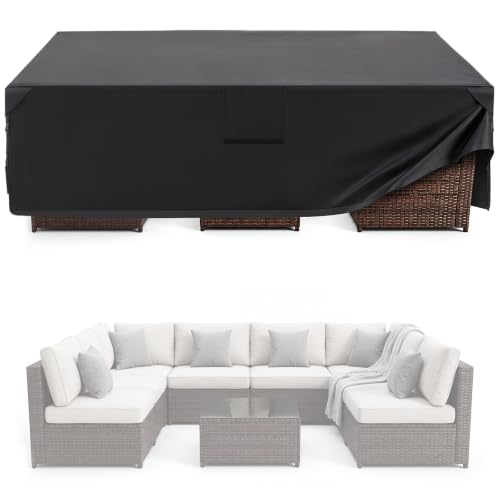
DUMOS Outdoor Furniture Cover 600D Waterproof Patio Sofa Cover 108" X 82" | Air Vent, All Weather Protection, Fits Sectional Couch Dining Table Set, Heavy Duty Oxford Rectangular For Deck Backyard
Check price on Amazon
ComfCove HDPS Outdoor Dining Table, Aluminum All Weather Table, White&Teak | Durable 67" rectangular patio dining table seats 6-8, with 1.77" umbrella hole for outdoor dining and gatherings
Check price on Amazon
Vinyl Floor Mat for Home, 5'×7' Black Waterproof Area Mat for Kitchen | Sturdy Plastic Rug Protector for Under Dining Room Table, Living Room, Yard, Garage
Check price on Amazon
Pantanker Light Teal Jacquard Tablecloth for 6ft rectangle tables,60 x 102 | Heat Resistant Fabric, Low shrinkage, Fade Resistant, Elegant Table Cloth for Dining, Picnic,6-8 seat
Check price on Amazon
Arcedo Patio Furniture Set Cover, 88''L x 62''W x 28''H, Beige & Brown | Heavy Duty, Waterproof, Rectangular Dining Table and Chairs Cover, Outdoor Furniture Cover for Sectional Conversation Set
Check price on Amazon
LOUNZY 7 Piece Patio Dining Set for 6, Outdoor Table and Chairs,White | 75.2” table,6 seat patio dining set, HDPE wood-look, fade resistant and waterproof, low maintenance outdoor furniture
Check price on Amazon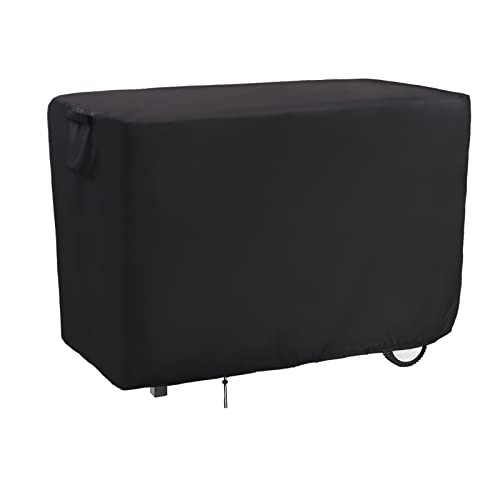
Jungda Outdoor Prep Table Cover for Royal Gourmet Double-Shelf Table | 41 Inch Patio Table Cover for Royal Gourmet Dining Cart Table, Grill Cart Pizza Oven Table Cover - 41x24x32 Inch
Check price on Amazon
Patio Dining Table Cover for 8-10 Person Large 7-8 FT Rectangle Furniture | 87x37x30,Waterproof Dustproof Heavy Duty Oxford Fabric, Patio Table Cover with Air Vent, Buckle, Handle and Drawstring
Check price on AmazonFrequently Asked Questions
How long does it take for a dining table to fade in sunlight?
Can sunlight fade a marble dining table?
Does glass dining table fade from sunlight?
What is the best way to protect a dining table from window sunlight?
Can I restore a dining table that has already faded from sunlight?
Protect Your Dining Table Before the Sun Does
Whether your table is wood, stone, glass, or metal, the right combination of window protection, surface care, and smart placement will keep it looking rich and even for years. Explore our related guides and make an informed decision for your dining space.
Explore Care & Maintenance Guides →