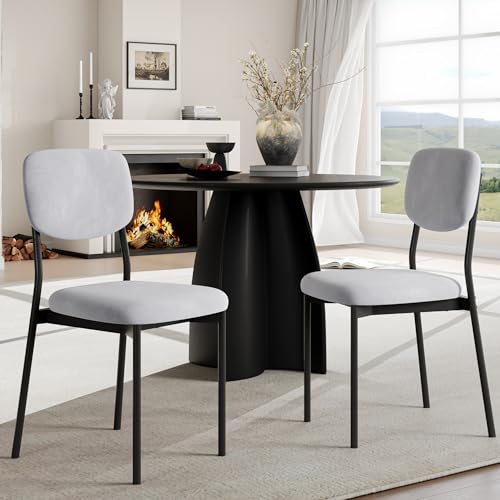
Stackable Dining Chair Guide: Smart Space-Saving Seating
Discover how stackable dining chairs can transform your dining space. From materials and stacking capacity to comfort and style, this guide covers everything you need to choose the right stacking chairs for your home.
What Are Stackable Dining Chairs?
Stackable dining chairs are seating designed to be placed one on top of another in a vertical column for compact storage. Unlike conventional dining chairs, which occupy floor space permanently, stackable chairs allow you to reclaim valuable room when the chairs are not in use. This makes them an excellent solution for small dining areas, multi-purpose rooms, and homes that frequently host gatherings.
The core design principle is straightforward: the seat and backrest of each chair are shaped and angled so that the chair above rests securely on the frame of the chair below. A well-designed stackable chair maintains stability and alignment even when stacked several units high. The result is a seating collection that can be stored in a closet, corner, or utility area without consuming the footprint of an entire dining set.
Stackable chairs are widely used in both residential and commercial settings. In homes, they are popular for breakfast nooks, small apartments, and dining rooms that double as workspaces or play areas. In commercial environments such as cafés, event venues, and community halls, stackable chairs are valued for their efficient storage and quick setup. The versatility of these chairs has driven continuous innovation in materials, ergonomics, and aesthetics.
Key insight: A stackable chair is not simply a folding chair. Unlike folding chairs, stackable chairs retain a rigid, full-frame structure that provides stable seating without assembly or unfolding. This distinction matters for comfort, durability, and long-term daily use.
Key Benefits of Stackable Dining Chairs
The popularity of stackable dining chairs stems from a combination of practical advantages. Understanding these benefits helps you evaluate whether stackable seating aligns with your lifestyle and dining room layout.
Space Efficiency
The most obvious benefit is space savings. A set of four stackable chairs can be condensed into the footprint of a single chair, freeing up floor area for walking, cleaning, or other furniture. In compact dining rooms and open-plan living spaces, this flexibility is invaluable. If you are working with a tight layout, our dining table space planning guide offers complementary strategies for maximizing your room's potential.
Flexible Seating Capacity
Stackable chairs allow you to adapt quickly to changing needs. Keep a core set of chairs around the table and store extras for holidays, dinner parties, or family gatherings. When guests arrive, retrieve the stored chairs and stack them again afterward. This adaptability is especially useful for households that entertain intermittently.
Easy Cleaning and Maintenance
With fewer chairs on the floor, sweeping and mopping become simpler. Stackable chairs can be moved aside in seconds, making routine cleaning faster and more thorough. Many stackable designs also feature smooth surfaces that resist stains and wipe clean easily, which is a practical advantage for households with children or pets.
Versatility Across Rooms
Stackable chairs are not confined to the dining room. They can serve as extra seating in a home office, bedroom, or outdoor patio. Lightweight plastic and resin stackable chairs are particularly popular for balconies and gardens because they resist moisture and are easy to carry. This cross-room versatility extends the value of each chair beyond a single function.
Cost-Effective Scaling
Because stackable chairs can be stored efficiently, you can purchase additional chairs without dedicating permanent floor space to them. This allows you to scale your seating capacity gradually and without the spatial constraints that accompany traditional dining chairs. For buyers evaluating overall value, our dining chair selection guide provides a broader framework for comparing seating options across categories.
Materials & Construction of Stackable Dining Chairs
The material of a stackable chair determines its weight, durability, weather resistance, comfort, and aesthetic character. Each material category brings distinct strengths, and the right choice depends on where and how you plan to use the chairs.
Molded Plastic and Polypropylene
Molded plastic and polypropylene are the most common materials for entry-level and mid-range stackable chairs. These materials are lightweight, moisture-resistant, and easy to clean. They are available in a wide range of colors and finishes, from matte neutrals to bright statement shades. Plastic stackable chairs are ideal for casual dining, outdoor patios, and children's areas. Higher-grade polypropylene formulations offer improved UV resistance and structural rigidity compared with basic plastic.
Resin and Fiberglass-Reinforced Composites
Resin and fiberglass-reinforced composites represent an upgrade over basic plastic. These materials provide greater strength-to-weight ratios, allowing for thinner profiles and more refined designs. Resin stackable chairs often mimic the look of wood or metal while retaining the weather resistance of plastic. They are well suited to indoor-outdoor use and commercial environments where durability is essential.
Aluminum and Steel
Metal stackable chairs offer a more premium feel and superior load-bearing capacity. Aluminum is lightweight and rust-resistant when properly coated, making it a popular choice for outdoor dining. Steel provides exceptional durability and stability but is heavier. Powder-coated steel stackable chairs are common in cafés and restaurants. For a deeper comparison of metal options, see our metal dining table guide, which covers the broader family of metal furniture construction.
Wood and Wood-Composite
Wood stackable chairs bring warmth and traditional character to dining spaces. Solid wood stackable chairs are less common than plastic or metal versions because wood is heavier and requires more precise joinery to stack safely. However, well-crafted wooden stackable chairs exist and are prized for their natural beauty. Wood-composite and bentwood designs offer a middle ground, combining the look of wood with the consistency and affordability of engineered materials.
Upholstered and Padded Stackable Chairs
A growing category of premium stackable chairs features upholstered seats and backrests. These chairs use high-density foam and durable fabrics or faux leather to deliver comfort comparable to standard dining chairs. Upholstered stackable chairs typically stack lower—often three to four chairs—because the padding adds bulk. They are ideal for formal dining rooms where comfort and appearance are priorities. Our upholstered dining chair guide explores fabric and padding considerations in greater depth.
Stacking Capacity & Storage Considerations
Stacking capacity refers to how many chairs can be safely stacked together. This figure varies widely by material, design, and intended use. Understanding stacking capacity helps you plan storage and avoid unsafe stacking practices.
Typical Stacking Ranges
- Lightweight plastic and polypropylene chairs: Often stack 8 to 12 chairs high. These are the most space-efficient option for storage.
- Resin and composite chairs: Typically stack 6 to 10 chairs, depending on frame design and weight distribution.
- Aluminum and steel chairs: Usually stack 4 to 8 chairs. Metal chairs are heavier and require more stable stacking geometry.
- Wood stackable chairs: Generally stack 3 to 6 chairs, as wood is heavier and more prone to surface wear during stacking.
- Upholstered stackable chairs: Commonly stack 2 to 4 chairs. Padding and fabric require gentler handling and lower stacks.
Storage Space Planning
When planning storage, measure the height of a full stack and confirm it fits your closet, utility room, or storage corner. Also consider the weight of the full stack: a column of ten metal chairs can be substantial, so ensure the storage location can support it and that the stack is placed on a level surface. For broader room-planning guidance, our dining table walkway clearance guide explains how to balance seating and circulation space.
Safe Stacking Practices
Always follow the manufacturer's recommended maximum stack height. Overstacking can cause instability, scratching, or structural stress. Stack chairs on a flat, stable surface and avoid placing tall stacks in high-traffic areas where they might be bumped. When moving a stack, carry chairs individually or use a furniture dolly rather than dragging the entire column.
Comfort & Ergonomics in Stackable Chairs
Early stackable chairs were utilitarian and often uncomfortable for extended sitting. Modern designs have largely closed the comfort gap, but it is still important to evaluate ergonomic features before purchasing.
Seat Contour and Padding
A contoured seat distributes weight more evenly than a flat seat, reducing pressure points during long meals. Mid-range and premium stackable chairs often feature molded seat contours that follow the body's shape. Upholstered stackable chairs add foam padding for further comfort. If the chairs will be used for daily family meals rather than occasional seating, prioritize models with supportive seat contours or padding.
Backrest Angle and Height
The backrest should provide support without forcing an unnatural posture. A slight recline and adequate height help maintain comfortable alignment during meals. Stackable chairs with taller backrests generally offer more support, though they may increase the overall stack height. Check that the backrest does not interfere with your dining table's apron or edge profile; our dining table apron guide explains how apron depth affects chair clearance.
Seat Height and Table Compatibility
Standard dining chairs have a seat height of roughly 18 inches, designed to pair with standard-height dining tables. Stackable chairs are available in standard, counter, and bar heights. Before purchasing, confirm that the chair height matches your table. Our dining table chair height guide provides detailed guidance on matching chairs to tables, including clearance recommendations.
Weight Capacity and Stability
Reputable manufacturers publish weight capacity ratings for their stackable chairs. Choose chairs with a capacity that comfortably exceeds the needs of your household and guests. Stability is equally important: a chair with a wide base and well-engineered leg geometry will feel more secure than a narrow, top-heavy design. Anti-slip feet or glides further improve stability on hard floors.
Styles & Design Options for Stackable Dining Chairs
Stackable chairs are available in a broad range of aesthetic styles, allowing them to integrate with diverse dining room designs. The right style choice depends on your interior theme, table material, and personal preference.
Modern and Minimalist
Modern stackable chairs feature clean lines, slim profiles, and neutral or monochrome finishes. Molded plastic and metal designs dominate this category. These chairs pair well with glass, metal, and concrete dining tables. If your dining room follows a contemporary aesthetic, explore our modern dining table styling guide for complementary design ideas.
Industrial and Urban
Industrial-style stackable chairs often combine metal frames with wood or faux-leather seats. Exposed rivets, matte black finishes, and distressed textures give these chairs a rugged character. They suit loft apartments, converted warehouses, and dining rooms with exposed brick or concrete elements. Our industrial dining table styling guide offers further inspiration.
Scandinavian and Nordic
Scandinavian stackable chairs emphasize light wood tones, soft curves, and understated elegance. Bentwood and molded plywood designs are common in this category. These chairs harmonize with pale wood tables, white walls, and natural textiles. See our Scandinavian dining table styling guide for pairing suggestions.
Rustic and Farmhouse
Rustic stackable chairs may feature wood-grain finishes, cross-back designs, or distressed paint. While true solid-wood stackable chairs are less common, resin and composite chairs can convincingly replicate rustic aesthetics while offering practical weather resistance. Our rustic dining table styling and farmhouse dining table styling guides provide broader context for these looks.
Color and Finish
Stackable chairs are available in an extensive palette, from classic black, white, and natural tones to bold accent colors. Consider how the chair color relates to your table and room palette. Our dining table color harmony guide explains how to coordinate furniture colors effectively.
Stackable Dining Chair Tier Comparison
Stackable chairs span a wide range of quality and construction tiers. The table below summarizes the characteristics of each tier to help you align your expectations with product positioning. Descriptors are relative and reflect market positioning rather than absolute figures.
| Tier | Typical Materials | Stacking Capacity | Comfort Features | Best For |
|---|---|---|---|---|
| Entry-Level | Basic molded plastic, polypropylene | 8–12 chairs | Flat or lightly contoured seat, minimal padding | Occasional seating, outdoor use, tight storage |
| Mid-Range | Reinforced polypropylene, resin, light metal | 6–10 chairs | Contoured seat, optional seat pad, improved backrest | Daily family dining, indoor-outdoor versatility |
| Premium | Powder-coated steel, aluminum, premium resin | 4–8 chairs | Ergonomic contours, upholstered seat options | Frequent entertaining, design-forward dining rooms |
| Luxury | High-grade metal, solid wood, full upholstery | 2–4 chairs | Full padding, premium fabrics, tailored ergonomics | Formal dining rooms, comfort-focused households |
As a general rule, mid-range stackable chairs offer the most balanced combination of stacking efficiency, comfort, and durability for residential use. Entry-level chairs excel at storage efficiency but may sacrifice long-term comfort. Premium and luxury tiers prioritize comfort and aesthetics, often at the expense of stacking height.
How to Choose the Right Stackable Dining Chair
Selecting stackable chairs involves balancing several factors. Use the following framework to narrow your options and make a confident decision.
1. Define Your Primary Use Case
Start by clarifying how often the chairs will be used and by whom. If they will serve as everyday dining chairs, prioritize comfort and durability. If they are primarily backup seating for guests, emphasize stacking efficiency and storage convenience. For households that entertain frequently, a hybrid approach—comfortable primary chairs plus stackable extras—often works well.
2. Measure Your Space
Measure the dining area and identify a storage location for stacked chairs. Confirm that the stack height fits your closet or storage nook. Also account for chair pull-out space around the table; our dining table space planning guide explains the clearance needed for comfortable seating.
3. Match Chair Height to Table Height
Verify that the chair seat height aligns with your dining table. Standard tables pair with standard-height chairs, while counter-height and bar-height tables require matching chair heights. Our counter height dining table guide and bar height dining table guide provide detailed pairing guidance.
4. Evaluate Material and Environment
Consider whether the chairs will be used indoors, outdoors, or both. Plastic and resin chairs handle moisture and sun exposure well. Metal chairs offer durability but require rust-resistant finishes for outdoor use. Wood and upholstered chairs are best suited to protected indoor environments.
5. Prioritize Comfort Features
Look for contoured seats, supportive backrests, and optional padding. If the chairs will be used for long meals, comfort features justify the trade-off in stacking height. Our dining chair selection guide covers additional comfort and ergonomic considerations.
6. Consider Aesthetic Integration
Choose a style that complements your dining table and room decor. A stackable chair should look intentional, not like a temporary solution. Review our style and design hub for broader aesthetic guidance across dining room elements.
Advantages of Stackable Chairs
- Compact storage frees floor space
- Flexible seating for variable guest counts
- Easy to move and clean around
- Wide range of styles and materials
- Often weather-resistant for outdoor use
Limitations to Consider
- Upholstered versions stack lower
- Some entry-level models sacrifice comfort
- Stacking can cause surface wear over time
- Heavy metal stacks require careful handling
- Design options may be narrower than standard chairs
Care & Maintenance for Stackable Dining Chairs
Proper care extends the lifespan of stackable chairs and keeps them looking presentable. Maintenance routines vary by material, but a few general practices apply across categories.
Routine Cleaning
Wipe plastic, resin, and metal chairs with a damp cloth and mild detergent as needed. Avoid abrasive cleaners that can dull finishes or scratch surfaces. For upholstered stackable chairs, vacuum the fabric regularly and spot-clean stains promptly with a fabric-appropriate cleaner. Our dining table stain removal guide offers stain-treatment principles that apply to chair upholstery as well.
Stacking Surface Protection
Repeated stacking can cause friction and surface wear where chairs contact one another. Some chairs include protective bumpers or glides to minimize this. If your chairs lack such features, consider adding felt pads or protective strips at contact points. Store stacks on a clean, flat surface to avoid unnecessary stress.
Material-Specific Care
Metal chairs should be inspected periodically for scratches or chips in the coating, as exposed metal can corrode over time. Touch up minor damage with a matching coating where possible. Wood stackable chairs benefit from occasional conditioning to prevent drying and cracking. Plastic and resin chairs should be kept away from prolonged direct heat sources, which can distort molded shapes.
Long-Term Storage
For seasonal storage, clean chairs thoroughly before stacking and cover the stack with a breathable sheet to protect against dust. Avoid storing stacks in damp basements or areas with extreme temperature fluctuations, which can damage certain materials. Our care and maintenance hub provides a comprehensive overview of furniture upkeep across materials.
Ready to Explore Stackable Dining Chairs?
Browse our curated selection of stackable dining chairs and find the right balance of comfort, storage efficiency, and style for your dining space.
Explore Buying Guides →Frequently Asked Questions
What is a stackable dining chair?
A stackable dining chair is a chair designed to be stacked vertically on top of one another for compact storage. These chairs typically feature a stable frame, flat or contoured seat, and a design that allows the seat of one chair to rest securely on the seat or frame of the chair below it. They are widely used in homes, cafés, and event venues where flexible seating and efficient storage are important.
How many stackable dining chairs can be stacked together?
Most stackable dining chairs can be stacked in groups of 4 to 10 chairs, depending on the design and construction. Lightweight plastic and resin chairs often stack higher, while upholstered or heavy-duty metal chairs typically stack lower for stability and safety. Always follow the manufacturer's recommended maximum stack height.
Are stackable dining chairs comfortable for everyday use?
Yes, many modern stackable dining chairs are designed with ergonomic contours, padded seats, and supportive backrests. Mid-range and premium stackable chairs often include upholstered seats and backrests that provide comfort comparable to standard dining chairs. If the chairs will be used for long daily meals, prioritize models with contoured seats or padding.
What materials are best for stackable dining chairs?
Common materials include molded plastic, polypropylene, resin, aluminum, steel, and wood. Plastic and resin are lightweight and weather-resistant, making them ideal for indoor-outdoor use. Aluminum and steel offer durability and a more premium feel, while wood stackable chairs provide a classic aesthetic for formal dining spaces. Upholstered options add comfort but reduce stacking capacity.
Can stackable chairs be used outdoors?
Many stackable chairs are suitable for outdoor use, particularly those made from plastic, polypropylene, resin, or powder-coated aluminum. These materials resist moisture and UV exposure. However, wood and upholstered stackable chairs should be kept in protected indoor environments unless specifically rated for outdoor use.
How do I prevent scratches when stacking chairs?
Choose chairs with protective bumpers or glides at contact points. If your chairs lack these features, add felt pads or protective strips where chairs touch during stacking. Stack chairs carefully on a clean, flat surface, and avoid overstacking beyond the manufacturer's recommendation.
Recommended Stackable Dining Chairs
⚠️ AFFILIATE DISCLOSURE: This website contains affiliate links. As an affiliate Associate, we earn from qualifying purchases. If you make a purchase through these links, we may receive a small commission at no additional cost to you. Read our full affiliate policy.

Universal Stack Chair Glides (100 Pack) - Non-Marring Square Help Protect Floors and Property - Easy to Install, Great for Replacements or Repairs - Heavy-duty Plastic Construction (3/4" OD Chair Leg)
Check price on Amazon
2 Pack Seat Post Guide Bushing for Swivel Chairs, Plastic | Ribbed Press Fit Design, 28mm Tube Repair Part for Desks, Rolling Chairs, and Busy Work Areas
Check price on Amazon
VECELO 4 Pack Plastic Stacking Chairs, Stackable Dining Chairs for Kitchen Patio, Portable Indoor Outdoor Use, No Assembly Required, Classic Black
Check price on Amazon
Einhomn Upholstered Dining Chairs Set, Modern Stackable Dining Room Chairs with Soft Velvet Backrest, Kitchen Chairs with Sturdy Metal Legs for Living Room, Restaurant, Set of 4,Beige Linen
Check price on Amazon
Einhomn Upholstered Dining Chairs Set, Modern Stackable Dining Room Chairs with Soft Velvet Backrest, Kitchen Chairs with Sturdy Metal Legs for Living Room, Restaurant, Set of 4,Black
Check price on Amazon
Sidanli Stackable Chairs Set of 4, Waiting Room Chairs with Metal Legs and Ergonomic Plastic Seat, Stacking Office Chairs for Conference Reception Church Banquet, Black
Check price on Amazon
Einhomn Upholstered Dining Chairs Set, Modern Stackable Dining Room Chairs with Soft Velvet Backrest, Kitchen Chairs with Sturdy Metal Legs for Living Room, Restaurant, Set of 2,Light Green
Check price on Amazon