
Wood vs Glass Dining Table: Which Material Is Right for Your Home?
An in-depth comparison of durability, maintenance, style, safety, and long-term performance to help you choose the ideal dining table material for your lifestyle.
Choosing between wood and glass is one of the most consequential decisions in dining table selection. Both materials offer distinct aesthetic and functional advantages, but they differ significantly in maintenance requirements, durability, safety considerations, and how they interact with your dining room environment. This guide breaks down every factor you need to evaluate before making your final decision.
Understanding the Core Differences
Wood Dining Tables: Warmth and Timeless Durability
Wood is the most traditional and widely chosen dining table material. Solid wood tables — whether oak, walnut, teak, or mango — offer natural warmth, unique grain patterns, and the ability to be refinished and repaired over time. A well-constructed wooden dining table can last for decades and often becomes a family heirloom. The material also pairs naturally with a wide range of interior styles, from rustic dining table styling to Scandinavian dining table styling.
Wood tables are available across multiple quality tiers. Entry-level models often use veneered MDF or softer woods like pine, while mid-range options typically feature solid oak or mango wood with durable finishes. Premium and luxury tiers use hardwoods like walnut or teak with hand-finished surfaces and reinforced joinery for commercial-grade stability.
Glass Dining Tables: Modern Elegance and Visual Lightness
Glass dining tables bring a contemporary, open feel to dining spaces. Tempered glass tops create an illusion of space, making them particularly effective in compact dining rooms or open concept dining layouts. Glass surfaces reflect light and allow the table's base design — whether a sculptural pedestal or slim metal frame — to become a visual feature. A 54-inch glass dining table or a glass-top dining set for four can anchor a modern dining room beautifully.
Glass dining tables span from essential-tier models with basic tempered tops and metal frames to premium options with thick, beveled glass and designer bases. The material pairs especially well with modern dining table styling and contemporary circular dining tables.
Durability and Long-Term Performance
How Wood Holds Up Over Time
Solid wood is inherently durable and can withstand daily use for many years. Scratches, dents, and water rings can occur, but unlike glass, these imperfections can often be sanded out or treated. High-quality wood tables with reinforced joinery and protective finishes — such as oiled or lacquered surfaces — are built for longevity and can be maintained with routine care outlined in our dining table material care guide.
Wood is also more forgiving of impact. A dropped plate or a child's toy is unlikely to cause structural damage to a solid wood surface, whereas glass is vulnerable to chipping or cracking under concentrated force.
How Glass Performs in Daily Use
Tempered glass is significantly stronger than standard glass and is designed to withstand normal dining use. However, it remains susceptible to scratches from abrasive objects and can chip along edges if struck. Deep scratches and chips are generally not repairable and may require full top replacement. Glass tables with heavy-duty frames and thick tempered tops offer better long-term resilience, but they are still less forgiving than solid wood in high-traffic family environments.
Pros and Cons at a Glance
Wood Dining Table Advantages
- Can be sanded, refinished, and repaired
- Warm, natural aesthetic that suits many styles
- More forgiving of impact and daily wear
- Unique grain patterns — no two tables are identical
- Long-term investment that can last generations
- Hides minor scratches and smudges well
Wood Dining Table Considerations
- Requires periodic conditioning and polishing
- Sensitive to heat, moisture, and humidity changes
- Can be heavy and difficult to move
- May fade if exposed to direct sunlight over time
- Higher-quality solid wood tables occupy premium tiers
Glass Dining Table Advantages
- Creates a visual sense of space in small rooms
- Reflects light and brightens the dining area
- Easy to wipe clean on a daily basis
- Modern, sleek aesthetic that pairs with many bases
- Does not absorb stains, odors, or moisture
- Highlights the design of the table base
Glass Dining Table Considerations
- Shows fingerprints, smudges, and streaks easily
- Scratches are permanent and not repairable
- Susceptible to chipping and cracking under impact
- Requires frequent cleaning for a polished look
- Can feel cold and less inviting in some settings
- Heavy tempered glass tops require careful handling
Side-by-Side Comparison
| Factor | Wood Dining Table | Glass Dining Table |
|---|---|---|
| Durability | High — solid wood withstands daily use; repairable | Moderate — tempered glass is strong but not impact-proof |
| Maintenance | Periodic conditioning, polishing, and protection from heat/moisture | Frequent cleaning to remove smudges and streaks |
| Repairability | Can be sanded and refinished to remove scratches | Deep scratches and chips are generally permanent |
| Aesthetic | Warm, natural, and timeless | Modern, sleek, and visually light |
| Space Perception | Grounding but can feel heavy in small rooms | Creates an open, airy feel — ideal for compact spaces |
| Heat Resistance | Requires trivets and protection from hot items | Generally resistant to heat, but sudden temperature changes can stress glass |
| Stain Resistance | Susceptible to water rings and stains if unsealed | Non-porous — resists stains and odors |
| Family-Friendliness | More forgiving of impact and daily wear | Requires more caution with children and heavy objects |
| Style Versatility | Works across rustic, farmhouse, modern, and transitional styles | Best suited to modern, contemporary, and minimalist interiors |
| Longevity | Decades with proper care — refinishable | Long-lasting if undamaged, but not restorable |
Maintenance and Cleaning Requirements
Wood Table Care
Wood dining tables require a consistent but relatively infrequent care routine. Dusting with a soft cloth and using a mild wood cleaner once a week is usually sufficient. Depending on the finish, wood tables may need periodic oiling or waxing to maintain their protective layer. It is important to wipe up spills promptly, use coasters for beverages, and place trivets under hot dishes to prevent heat marks. Humidity control also matters — wood expands and contracts with moisture changes, so keeping the dining room at a stable humidity level helps prevent warping or cracking. For detailed guidance, see our wood dining table wax and polish article.
Glass Table Care
Glass dining tables demand frequent cleaning to maintain their appearance. Fingerprints, smudges, and dust are highly visible on glass surfaces, so daily or near-daily wiping is often necessary. A microfiber cloth and a glass cleaner are the standard tools; avoiding abrasive pads is essential to prevent scratches. While glass resists stains naturally, it can show water spots and streaks if not dried properly after cleaning. A glass dining table cleaning guide can help you establish an efficient routine.
Style, Design, and Room Integration
When Wood Works Best
Wood dining tables anchor a room with warmth and texture. They are the natural centerpiece in farmhouse dining table styling, rustic dining table styling, and traditional interiors. Wood also provides an excellent foundation for layered tablescapes, from dining table floral centerpiece ideas to holiday tablescape ideas. If your dining room features a neutral palette and you want a grounding, textured element, a heavy solid wood dining table or a farmhouse dining room table with bench can be an ideal choice.
When Glass Works Best
Glass dining tables excel in modern and contemporary settings where visual lightness is a priority. In smaller dining rooms or compact dining nook arrangements, a glass top can make the space feel less crowded. A modern pedestal round dining table with a glass top or a glass-top dining set for four can be a smart choice for apartments and open-plan living areas. Glass also works well when you want to showcase the table base — whether a sculptural pedestal or a minimalist metal frame.
Safety Considerations
Households with Children and Pets
For families with young children or active pets, wood dining tables are generally the safer and more practical option. Wood absorbs impact, does not shatter, and its surface imperfections can be repaired. Glass tables — even tempered ones — carry a risk of chipping or shattering under concentrated force, and any breakage creates sharp edges. If you prefer the look of glass, choose a table with thick tempered glass and rounded or beveled edges, and consider a glass-top table with a solid wood or metal frame for added stability.
Weight and Stability
Glass tops are heavy and can make a table top-heavy if paired with a lightweight base. Always verify that the frame or pedestal is rated for the glass top's weight. Wood tables distribute weight more evenly and are generally more stable, particularly pedestal models. Whether you choose a double pedestal dining table set or a round dining table with insert, ensure the base is proportionate to the top.
Material Tiers and What to Expect
Wood Dining Table Tiers
- Essential tier: Veneered MDF or softwood construction with basic finishes. Suitable for light use and temporary setups.
- Mid-range: Solid oak, mango, or pine with durable lacquer or oil finishes. A balanced choice for everyday family dining.
- Premium tier: Solid hardwood such as walnut or teak with reinforced joinery and hand-finished surfaces. Built for long-term daily use.
- Luxury and commercial-grade: Thick-cut hardwood slabs, live-edge designs, and artisan construction. Designed for decades of use and heavy traffic.
Glass Dining Table Tiers
- Starter tier: Standard tempered glass with a basic metal frame. Suitable for light dining and compact spaces.
- Mid-tier: Thicker tempered glass with polished edges and a sturdier base. A solid choice for everyday use.
- High-end tier: Beveled or textured glass with a designer pedestal or sculptural base. Combines aesthetics with improved stability.
- Premium and commercial-grade: Thick, custom-cut glass with heavy-duty frames rated for high-traffic use. Often found in hospitality and designer settings.
How to Decide: A Practical Checklist
Choose wood if you:
- Have children or pets and want a forgiving, repairable surface
- Prefer a warm, natural aesthetic that works across seasons and styles
- Want a long-term investment that can be refinished and passed down
- Enjoy layering tablescapes and decor on a textured surface
- Live in a climate where you can maintain stable humidity
Choose glass if you:
- Have a compact dining room and want to maximize the sense of space
- Prefer a modern, minimalist, or contemporary interior
- Want a table that reflects light and brightens the room
- Are comfortable with frequent cleaning to maintain a polished look
- Want to showcase a sculptural table base or pedestal
Explore Related Dining Table Guides
Still weighing your options? These resources can help you refine your decision:
- Wooden Dining Table Buying Guide — material selection, joinery, and finish options
- Dining Table Material Care Guide — maintenance routines for every surface type
- Marble vs Granite Dining Table — another natural stone comparison
- Round vs Rectangular Dining Table — shape considerations for your space
- Extendable vs Fixed Dining Table — flexibility versus stability
- Dining Table Material Care Guide — keep your table looking its best
- Modern Dining Table Styling — design ideas for glass and sleek wood tables
Ready to Make Your Choice?
Browse our curated selection of wood and glass dining tables, or explore our expert reviews to find the perfect match for your dining room.
Explore Dining TablesRecommended Wood and Glass Dining Tables
⚠️ AFFILIATE DISCLOSURE: This website contains affiliate links. As an affiliate Associate, we earn from qualifying purchases. If you make a purchase through these links, we may receive a small commission at no additional cost to you. Read our full affiliate policy.

71'' Glass Dining Table, Modern Kitchen Table, Clear Dining Room Table with 0.39" Tempered Glass Tabletop with Plated Metal Legs and MDF Crossbar, Ideal for Dining Room, Kitchen.
Check price on Amazon
Ganooly 71" Glass Dining Table, Modern Kitchen Table for 6-8, Large Rectangle Dinner Table with Tempered Glass Top and Wooden Base for Dining Room, Kitchen
Check price on Amazon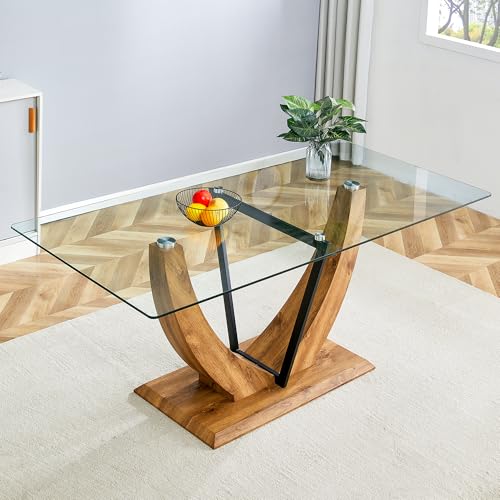
71" Glass Dining Table for 6, Modern Kitchen Table with Tempered Glass Tabletop, Elegant Dining Room Table for Kitchen or Dining Area
Check price on Amazon
SIZOTA Round Dining Table, 47" Glass Dining Table for 4-6, Glass Kitchen Table with Robust Pedestal for Apartment Home Kitchen Living Room(Black)
Check price on Amazon
Moccha 51” Glass Dining Table, Modern Rectangular Table with Spacious Tempered Glass Tabletop & Wood Grain Metal Legs, Adjustable Foot Pads, Transparent Kitchen Table for Home Office
Check price on Amazon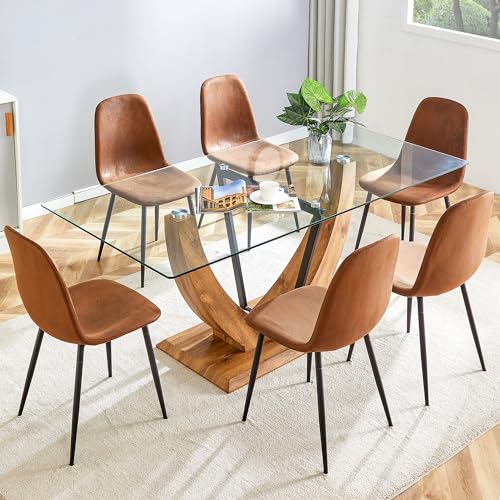
JEARGE 71" Glass Dining Table Set for 6, 7 Piece Dining Table Set,Tempered Glass Table Top with U-Shaped Legs and Fabric Dining Chairs,Ideal for Kitchens, Living Rooms (Brown Chair, 1 Table+6 Chairs)
Check price on Amazon