
Metal Dining Table Guide
Discover how steel, aluminum, and mixed-material metal dining tables combine durability, modern design, and low-maintenance living — and learn how to choose the right one for your home.
EXPLORE METAL TABLESWhy a Metal Dining Table? Metal dining tables have moved far beyond the industrial workshop. Today they anchor modern, minimalist, farmhouse, and even transitional dining rooms. With reinforced frames, powder-coated finishes, and smart pairings with wood and glass tops, a metal table delivers structural strength, easy cleaning, and a design-forward look that holds up to everyday family life. This guide walks you through materials, construction, styling, and care so you can decide with confidence.
What Defines a Metal Dining Table?
A metal dining table uses metal as a primary structural element — most often the frame, legs, or pedestal base — and sometimes the entire tabletop. Common metals include steel, stainless steel, aluminum, and iron, each with distinct strengths. Many designs pair a metal base with a wood, glass, or stone top, blending the stability of metal with the warmth of natural materials. If you are still comparing core material families, our dining table materials and finishes hub gives a helpful overview before you dive deeper.
The appeal is straightforward: metal frames resist warping and wobbling, handle heavy loads, and stand up to moisture far better than untreated wood. Combined with a rust-proof finish, a quality metal table is a long-term investment that suits busy households, open-plan spaces, and design-led interiors alike.
Metal Types Compared: Steel, Aluminum, Iron, and More
Not all metals behave the same way. The right choice depends on how much weight the table must carry, whether it will sit near moisture, and how much maintenance you are comfortable with. Here is a practical comparison of the most common options.
| Metal Type | Best For | Key Strength | Watch-Out |
|---|---|---|---|
| Steel | Heavy-duty frames, large family tables | Exceptional strength and rigidity | Needs a rust-proof coating in humid rooms |
| Stainless Steel | Modern, low-maintenance dining rooms | Natural corrosion resistance and easy cleaning | Fingerprints show on glossy surfaces |
| Aluminum | Lightweight tables, apartments, flexible layouts | Light, rust-resistant, easy to move | Lighter gauge can dent if overloaded |
| Iron | Industrial and rustic styling | Very heavy and stable, vintage character | Prone to rust without protective finish |
| Brass & Bronze | Premium and luxury interiors | Warm tone, develops rich patina | Requires gentle, specific cleaning products |
For a deeper dive into specific metals, explore our dedicated steel dining table guide and aluminum dining table guide. If you prefer a composite or molded look, the resin dining table guide covers another durable alternative.
Construction and Frame: What Separates Good From Great
Two metal tables can look identical online yet perform very differently. The difference usually comes down to construction quality. When evaluating a metal dining table, look at the following:
- Frame gauge: Thicker steel or aluminum tubing resists flexing under heavy dishes and elbows. Entry-level tables often use thinner walls; mid-range and premium models use heavier gauge metal.
- Joint quality: Welded joints outperform bolted ones for rigidity, though bolted frames are easier to disassemble for moving. Check for clean welds and reinforced corners.
- Base design: Four legs offer classic stability, while pedestal or trestle bases free up legroom. Our dining table pedestal guide explains how base shape affects seating comfort.
- Leveling feet: Adjustable glides compensate for uneven floors and prevent wobble — a small feature that makes a big difference.
- Finish: Powder coating is the gold standard for durability and color consistency, while brushed or lacquered finishes offer different aesthetics. See our matte finish guide and glossy finish guide for surface comparisons.
If you want to understand how leg shape and frame geometry affect stability, the dining table frame guide and dining table leg guide are excellent next reads.
Advantages and Trade-Offs of Metal Dining Tables
✔ Strengths
- Durable construction that resists warping and wobble
- Easy to wipe clean — ideal for families with children
- Slim profiles fit compact and narrow dining spaces
- Rust-proof finishes handle humid climates well
- Versatile across industrial, modern, and farmhouse styles
✖ Trade-Offs
- Metal can feel cold without a wood or textile top
- Bare legs may scratch hard floors without glides
- Cheaper finishes can chip or rust over time
- Heavier solid-steel models are harder to move
- Glossy surfaces show fingerprints more readily
Most trade-offs are easy to solve: protective foot caps handle floor scratches, a table runner or placemats soften the surface, and choosing a rust-proof finish addresses humidity concerns. If you are planning a move or a room refresh, our dining table moving guide helps you transport heavy metal tables without damage.
Sizing and Seating: Matching the Table to Your Room
Metal frames are often slimmer than wood, which means a metal table can fit into tighter footprints without feeling cramped. Still, seating capacity and clearance matter. As a general guide:
- Two-seater: ideal for breakfast nooks and apartments. See the 2-seater dining table guide.
- Four-seater: the most common family size — review the 4-seater dining table guide.
- Six-seater: comfortable for growing families and hosting — read the 6-seater dining table guide.
- Eight-seater and beyond: for formal dining rooms, see the 8-seater guide and 10-seater guide.
Always allow roughly 24 inches of table width per seated diner and at least 36 inches of clearance between the table edge and walls or other furniture. Our dining table space planning guide and walkway clearance guide break down the measurements in detail. For narrow rooms, the narrow dining room layout guide is especially useful.
Style Pairings: Making Metal Feel Warm and Inviting
The biggest concern about metal tables is that they can feel cold or stark. The solution is thoughtful pairing. Here are proven approaches:
- Wood-top metal base: A black steel frame under a solid oak or walnut top balances industrial edge with natural warmth. See the solid oak dining table guide and walnut dining table guide for top options.
- Glass-top metal frame: Creates a light, airy look in small rooms. The glass dining table guide covers cleaning and safety.
- Upholstered seating: Soften the look with fabric or leather chairs — the upholstered dining chair guide explains how to match comfort and style.
- Textile layering: A runner, placemats, or a centerpiece instantly warms a metal surface. Explore the dining table runner guide and centerpiece guide.
- Lighting: A pendant or chandelier above the table adds glow and draws the eye. See the lighting placement guide.
For a fully styled look, browse our industrial dining table styling guide and modern dining table styling guide. If you are choosing chairs, the dining chair selection guide and chair height guide will help you get proportions right.
Care and Maintenance for Metal Dining Tables
Metal is low-maintenance, but a few habits keep the finish looking new for years:
- Wipe spills promptly with a soft, damp cloth to prevent moisture sitting on joints or seams.
- Avoid abrasive cleaners — they can dull powder coatings and scratch brushed finishes. Mild soap and water is usually enough.
- Inspect protective feet regularly and replace worn glides to protect both floors and the frame.
- Address scratches early with touch-up paint or wax — see the scratch touch-up guide.
- Control humidity in coastal or damp climates; the humidity care guide explains how to protect metal and wood components alike.
For a complete routine, read the dining table routine upkeep guide and the broader care and maintenance hub. If a table starts to wobble, the wobbly table fix guide shows how to tighten joints and adjust leveling feet.
Quality Tiers: Understanding What You Get at Each Level
Rather than focusing on numbers, it helps to understand how quality tiers differ in construction and finish. Use this framework to set expectations as you shop.
| Tier | Typical Construction | Best For |
|---|---|---|
| Entry-Level | Thinner gauge steel or aluminum, bolted joints, basic powder coat | Occasional use, starter apartments, light daily dining |
| Mid-Range | Heavier gauge metal, welded or reinforced joints, quality powder coating | Everyday family use and regular hosting |
| Premium | High-grade steel, precision welds, brushed or multi-layer finishes | Design-led homes and long-term daily use |
| Luxury | Brass, bronze, or designer metals, hand-finished details, mixed-material tops | Statement dining rooms and formal interiors |
In general, mid-range models offer the smoothest balance of durability and design flexibility, while premium and luxury tiers add refinement in finish and detailing. If you are mapping out a purchase, the first dining table checklist and dining table buying mistakes articles help you avoid common oversights.
Recommended Metal Dining Tables
⚠️ AFFILIATE DISCLOSURE: This website contains affiliate links. As an affiliate Associate, we earn from qualifying purchases. If you make a purchase through these links, we may receive a small commission at no additional cost to you. Read our full affiliate policy.

Yesterday’s Silver for Today’s Table: A Silver Collector’s Guide to Elegant Dining
Check price on Amazon
Lazy Susan Hardware Rotating Turntable Bearings Swivel Plate Hardware Aluminum Metal for Dining-Table and Workbench (10 Inchs) Non-Slip
Check price on Amazon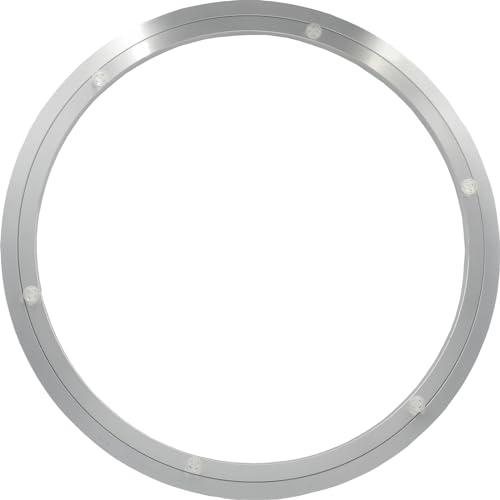
20 Inchs Lazy Susan Hardware Metal Rotating Turntable Bearings Swivel Plate Hardware for Dining-Table and Workbench Non-Slip
Check price on Amazon
Aluminum Lazy Susan Hardware Metal Rotating Turntable Bearings Swivel Plate Hardware for Dining-Table and Workbench (14 Inchs) …
Check price on Amazon
Dining Etiquette Chart For Children Wall Art Metal signs 12x8 Inch | Table manners guide tin plaque encourages good behavior during family meals Metal signs
Check price on Amazon
Lazy Susan Hardware Aluminum Metal Rotating Turntable Bearings Swivel Plate Hardware for Dining-Table Non-Slip and Workbench (16 Inchs) …
Check price on Amazon
Metal Table Legs 28 Inch, Round Dining Table Base Fits Glass Marble Wood | 1000LBS Capacity, Golden Ratio Easy To Install with Suction Cups, 4 Adjustment Pads, Suitable for Indoor and Outdoor Use
Check price on Amazon
42"-58" Extendable Round Dining Table for 4-6,with Butterfly Leaf | Space‑Saving Modern Oval Dining Table, Storage Shelf & Sturdy Metal Legs, for Kitchen & Dining Room,Office,Apartments
Check price on AmazonMetal vs. Other Dining Table Materials
How does metal compare with the other popular table materials? Here is a quick, practical comparison:
- Metal vs. wood: Wood offers warmth and natural grain, while metal brings slim profiles and superior moisture resistance. Many buyers combine both — a metal base with a wood top. Compare in our wood vs. glass dining table comparison for broader context.
- Metal vs. glass: Glass tops create an airy feel but need frequent cleaning; metal frames are typically the structural backbone in both cases. See the glass dining table guide.
- Metal vs. stone: Marble and granite add luxury and weight, but require sealing and careful cleaning. The marble dining table guide and granite dining table guide cover those considerations.
- Metal vs. concrete: Concrete offers raw texture but is extremely heavy; the concrete dining table guide explains when it makes sense.
Frequently Asked Questions
Is a metal dining table durable enough for everyday family use?
Yes. A well-built metal dining table with a reinforced frame and a rust-proof finish is highly durable for daily family use. High-grade steel and aluminum models resist scratches, moisture, and heavy loads better than many softer materials, making them a solid long-term investment for busy households.
Do metal dining tables scratch floors or make noise?
Bare metal legs can scratch hard floors and create scraping sounds. Choosing models with protective foot caps, felt glides, or rubberized feet solves both issues. You can also add aftermarket floor protectors to any metal table leg for extra peace of mind.
How do I prevent rust on a metal dining table?
Choose tables with a powder-coated, rust-proof finish and wipe up spills promptly. Avoid leaving wet cloths on the surface, and in humid climates use a dehumidifier or apply a thin protective wax to exposed metal joints. Routine upkeep keeps the finish intact for years.
Can a metal dining table work in a warm or traditional interior?
Absolutely. Metal pairs beautifully with wood tops, warm textiles, and upholstered chairs to soften the industrial edge. A black steel base under a solid oak top, for example, bridges modern and traditional styles, while brass or bronze finishes add warmth to classic dining rooms.
Ready to Choose Your Metal Dining Table?
Start with the right size and seating capacity, confirm the construction tier matches your daily use, and layer in textiles and lighting to make metal feel warm. Explore our related guides to finalize every detail of your dining space.
Explore All Table Types