
Dining Table Wall Decor: Styling Your Dining Space
Discover how to choose and arrange wall decor that complements your dining table, elevates the room's atmosphere, and creates a cohesive, welcoming dining environment.
Why Wall Decor Matters: Your dining table is the centerpiece, but the walls around it shape the entire experience. Well-chosen wall decor frames the dining area, adds visual depth, and ties together your table style, color palette, and lighting. This guide walks you through every element, from art and mirrors to shelves and accent lighting, so you can make confident decisions for your dining room.
Recommended Dining Table Wall Decor & Styling Pieces
⚠️ AFFILIATE DISCLOSURE: This website contains affiliate links. As an affiliate Associate, we earn from qualifying purchases. If you make a purchase through these links, we may receive a small commission at no additional cost to you. Read our full affiliate policy.
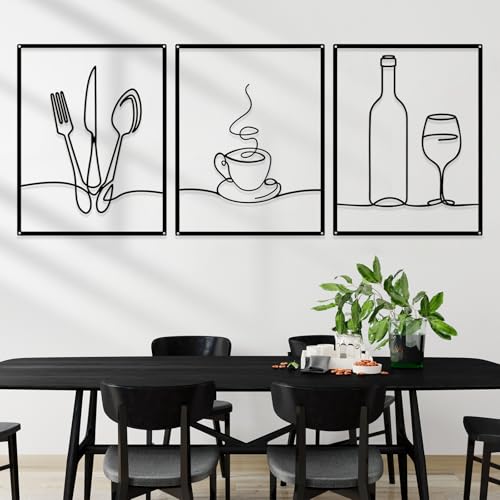
Otoolling 3 Pcs Metal Kitchen Wall Art Line 14x11,Dining Room,Black | Minimalist Line Art with Fork Knife Coffee Wine Motifs, Rustic Decor for Dining Living Bathroom, Metal Frame on Black
Check price on Amazon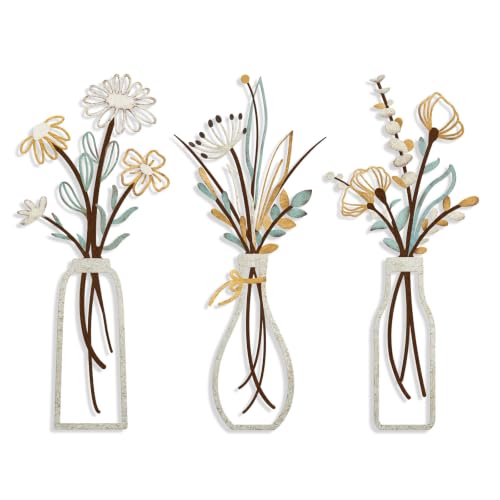
Pigort 3 Pieces Metal Flowers Wall Art- Rustic Farmhouse Decor Minimalist Decor for Living Room Bathroom Bedroom Dining Room, Housewarming Gifts Christmas Decoration(Beige, Vase-C)
Check price on Amazon
Easozoom Bless The Food Before Us Home Decor Wall Sign For Family Kitchen Farmhouse Dining Room Vintage Rustic Retro Boho Wood House Wall Art Decoration For Living Room Bedroom 40 x 15 Inch white
Check price on Amazon
Rutiyoka the Best Memories are Made Gathered Around the Table Sign Framed Farmhouse Dining Room Wall Decor Large 42"×15" Wood Kitchen Wall Art White
Check price on Amazon
Dining Room Sign Wall Decor Bless the Food Before Us 40"X15", Black | Large, Kitchen Farmhouse, Framed Wood, Rustic Home Wall Art, Kitchen Hanging Decoration
Check price on Amazon
Jetec 3 Pcs Kitchen Wall Decor Art Signs, Vivid Color | Eat Drink Love Cute Sign, Kitchen Accessories, Funny Art Rustic Farmhouse Dining Room Wall Decor, for Home Bar Cafe
Check price on AmazonPlanning Wall Decor Around Your Dining Table
Before selecting pieces, take stock of the room itself. Wall decor should respond to the dining table's proportions, the room's architecture, and the way people move through the space. A disciplined plan prevents overcrowding and ensures every piece earns its place.
Start With Proportions
The scale of your wall decor should relate directly to the dining table below it. A large rectangular table against a long wall benefits from a wide arrangement or a single oversized statement piece, while a compact round table pairs naturally with a tighter, centered composition. As a rule of thumb, wall art or a grouping should span roughly two-thirds to three-quarters of the table's width when viewed from the main sightline.
Consider Height and Sightlines
Hang the center of your main wall piece at eye level for a seated guest, typically around 57 to 60 inches from the floor, though ceiling height and table height will shift this slightly. If your dining area opens into a living space, check the sightline from both rooms; decor that works when seated may sit awkwardly when viewed standing. Open-concept layouts benefit from decor that reads well from multiple distances.
Respect the Table's Style
Your wall decor should feel like a natural extension of your table's design language. A sleek modern dining table styling pairs with clean-lined frames, abstract art, or sculptural mirrors. A farmhouse dining table styling calls for rustic wood frames, botanical prints, or vintage signage. For an industrial dining table styling, metal-framed art, exposed shelving, and Edison-style sconces reinforce the aesthetic.
Types of Dining Room Wall Decor
There is no single correct choice; the strongest dining rooms often layer two or three complementary categories. Below is a breakdown of the most effective wall decor types for dining spaces, with guidance on when each works best.
Wall Art and Gallery Arrangements
Art is the most direct way to introduce color, personality, and a focal point. A single large canvas or framed print can anchor the wall behind the table, while a gallery wall suits longer walls or open-plan spaces. When building a gallery arrangement, keep spacing consistent (typically 2 to 3 inches between frames), align the group's center with the table's centerline, and mix frame sizes while repeating one or two unifying elements such as frame color or matting.
Mirrors
A mirror behind or beside the dining table reflects light and visually expands the room, which is especially valuable in compact or darker dining areas. A large round or arched mirror softens angular furniture, while a rectangular mirror reinforces a formal, symmetrical layout. Position mirrors so they reflect a pleasing view, such as a window or a styled sideboard, rather than a cluttered corner.
Floating Shelves and Display Ledges
Open shelving adds texture and function. A narrow picture ledge above a sideboard or along an empty wall can hold small art, ceramics, and seasonal accents that change with the year. Floating shelves work particularly well in Scandinavian dining table styling, where clean lines and a restrained palette let objects breathe. Keep shelf styling deliberate: group items in odd numbers, vary heights, and leave breathing room between objects.
Textiles and Wall Hangings
Woven wall hangings, macrame pieces, and textile art introduce softness and sound absorption, which can improve the acoustics of a hard-surfaced dining room. These pieces pair naturally with rustic dining table styling and bohemian or coastal interiors, adding warmth without competing with the table itself.
Wall Lighting as Decor
Sconces, picture lights, and wall-mounted pendants serve double duty as illumination and visual interest. A pair of sconces flanking a mirror or piece of art creates symmetry and flattering light for evening meals. Picture lights draw attention to artwork and add a gallery-like quality to the dining wall. Coordinate the finish with your table's hardware or chair frames for a cohesive look.
Matching Wall Decor to Your Dining Table Style
The table sets the tone, and the walls should support it. Use the table below as a starting framework, then adjust based on your room's light, size, and architecture.
| Table Style | Wall Decor Direction | Best For |
|---|---|---|
| Modern / Minimalist | Large abstract art, sleek metal frames, sculptural mirrors, linear sconces | Clean, uncluttered dining rooms |
| Farmhouse | Rustic wood frames, botanical prints, vintage signs, open shelving with ceramics | Warm, family-oriented spaces |
| Industrial | Metal-framed art, exposed pipe shelving, Edison sconces, factory-style signage | Loft and urban dining areas |
| Scandinavian | Simple line art, light wood frames, picture ledges, woven textiles | Bright, airy dining nooks |
| Traditional / Classic | Oil paintings, ornate frames, symmetrical sconce pairs, large mirrors | Formal dining rooms |
| Rustic / Coastal | Woven hangings, driftwood art, landscape prints, natural fiber frames | Relaxed, textured interiors |
Color Strategy for Dining Room Walls
Wall decor is one of the easiest places to introduce or reinforce color. The goal is harmony, not uniformity. A neutral dining table palette gives you room to add a bold artwork or a saturated textile as the room's accent. Conversely, if you prefer a bold dining table palette, let the walls stay quieter so the table remains the star.
Understanding dining table color harmony helps you connect the table, walls, and decor into one composition. Pull one or two colors from your table's finish or upholstery and repeat them in the artwork or frames. For a more deliberate approach, the dining table color psychology guide explains how different hues influence appetite, mood, and perceived warmth in a dining room.
Placement and Layout Rules That Work
Good wall decor placement follows the same discipline as furniture layout: it should feel balanced and intentional. The following principles apply across nearly every dining room style.
- Center on the table, not the wall. Align the main piece or grouping with the centerline of the dining table for visual stability.
- Maintain breathing room. Leave at least 6 to 8 inches between the bottom of the art and the top of the table or chair backs, and avoid crowding decor into corners.
- Repeat shapes. If the table is round, consider a round mirror or circular art arrangement; if it is rectangular, square or rectangular frames reinforce the lines.
- Balance asymmetrical walls. On an off-center wall, offset a larger piece with a smaller cluster or a vertical element to keep the composition weighted evenly.
- Check the view from the entry point. The wall decor should read clearly from where guests first enter the dining area.
If your dining area is small or unusually shaped, review the compact dining nook arrangement guide for space-specific placement strategies. For rooms that open into other living areas, the open concept dining layouts guide explains how wall decor can define zones without adding physical barriers.
Wall Decor and the Room's Focal Point
Every dining room benefits from a clear focal point. Often this is the table itself, but a strong wall treatment, a large mirror, or a gallery arrangement can share or redirect that focus. The dining room focal point design guide explains how to decide whether the table or the wall should lead the composition, and how to keep the two from competing.
Symmetry and Visual Weight
Symmetrical wall decor, such as a pair of sconces flanking a mirror or two matching art pieces, creates calm and formality. Asymmetrical arrangements feel more relaxed and contemporary. Whichever you choose, follow the principles in the dining room symmetry guide to keep visual weight balanced on both sides of the table.
Combining Wall Decor With Tabletop Styling
Wall decor and table styling should feel like part of one design, not two separate projects. A dining table vignette, such as a dining table vignette, becomes more cohesive when the colors, textures, and forms echo the wall decor above it. For example, a floral dining table floral centerpiece in muted tones can mirror botanical prints on the wall, while metallic candle holders can pick up the finish of wall sconces.
Seasonal styling is another opportunity to connect wall and table. The dining table holiday tablescape ideas guide shows how to shift tabletop accents throughout the year while keeping wall decor as the stable backdrop. Pair a neutral wall palette with rotating tabletop color stories for a room that feels fresh without frequent redecorating.
Materials and Finishes for Dining Room Walls
Dining rooms experience heat, moisture, and occasional splashes, so wall decor materials should be chosen with durability in mind. Wood frames and canvas prints handle humidity better than paper prints in unsealed frames. Metal and glass pieces are easy to wipe clean and resist staining. Textiles should be positioned away from high-splash zones and spot-cleaned according to their care labels.
- Frames: Solid wood and metal frames offer the most durable construction; thin composite frames are best for low-traffic accent pieces.
- Canvas and prints: Canvas resists glare and moisture better than glass-covered prints; choose UV-resistant inks for sunlit walls.
- Mirrors: Look for quality glass with a consistent reflective surface and secure mounting hardware for larger pieces.
- Textiles: Natural fibers such as cotton and wool breathe well; synthetic blends resist fading but may trap odors near cooking areas.
- Lighting: Choose fixtures rated for damp locations if the wall is near a kitchen zone, and confirm compatibility with your bulb type.
Whatever materials you choose, verify the mounting method suits your wall type. Heavy mirrors and large art require anchored hardware; lightweight prints can use removable hooks. If you are also maintaining a wood table in the same room, the dining table material care guide covers compatible cleaning practices so both surfaces age gracefully together.
Common Wall Decor Mistakes to Avoid
Even well-chosen pieces can underperform if placement or proportion is off. Watch for these common issues:
- Hanging art too high. Art centered above eye level floats away from the table and feels disconnected. Keep the group's center near seated eye level.
- Ignoring the table's width. A tiny frame over a long table looks lost; a massive canvas over a small round table overwhelms the space.
- Overcrowding the wall. More pieces do not equal more impact. Leave negative space so each piece can be seen.
- Mismatched styles. Mixing farmhouse signs with ultra-modern abstract art can work, but only with intentional bridging elements such as a shared color or frame finish.
- Forgetting lighting. Wall decor without adequate light disappears after sunset. Add sconces, picture lights, or ceiling dimming to keep the wall readable at dinner time.
Frequently Asked Questions
How high should I hang wall decor above a dining table?
Center the main piece or arrangement at seated eye level, roughly 57 to 60 inches from the floor. Leave at least 6 to 8 inches of clearance above the table or chair backs so the art does not feel crowded.
Should the wall decor match the dining table exactly?
No. Harmony matters more than matching. Echo one or two elements, such as the wood tone, metal finish, or a color from the table, and let the rest of the decor add contrast and personality.
Can I use a mirror above the dining table?
Yes. A mirror reflects light and expands the room. Position it so it reflects something pleasant, such as a window or a styled sideboard, rather than a cluttered corner or the back of a television.
What is the best wall decor for a small dining room?
Choose a single large statement piece, a mirror, or a narrow picture ledge. Avoid dense gallery walls in tight spaces; fewer, larger pieces create a calmer, more expansive feel.
How do I style wall decor with a round dining table?
Reinforce the table's shape with a round mirror, circular art, or a radially arranged gallery. Center the composition on the table's centerline so the round form below and above read as one balanced composition.
Do I need special lighting for wall art in a dining room?
Dedicated picture lights or adjustable sconces make artwork and mirrors far more effective in the evening. Choose warm, dimmable bulbs so the lighting can shift from bright meals to relaxed dinners.