
Outdoor Garden Dining Table: The Complete Buying Guide
Everything you need to choose a weather-resistant, durable, and beautiful outdoor dining table for your patio, deck, or garden.
START EXPLORINGWhy an Outdoor Garden Dining Table Deserves Careful Thought: An outdoor dining table is more than patio furniture — it is the centerpiece of your al fresco lifestyle. It hosts summer lunches, evening gatherings, and quiet morning coffees in the fresh air. Because it lives outdoors, it must withstand sun, rain, humidity, and temperature swings while still looking inviting. This guide walks you through every decision point: material science, size and seating, frame construction, surface finishes, and long-term care. By the end, you will have a clear picture of which outdoor garden dining table suits your space, your climate, and your entertaining style.
What You Will Learn
- Why Invest in a Dedicated Outdoor Table
- Outdoor Table Materials Explained
- Size, Shape & Seating Capacity
- Frame Construction & Stability
- Tabletop Surfaces & Finishes
- Matching Your Table to Your Climate
- Style & Design Coordination
- Care & Seasonal Maintenance
- Smart Buying Checklist
- Frequently Asked Questions
1. Why Invest in a Dedicated Outdoor Garden Dining Table
A dedicated outdoor garden dining table transforms a patio or lawn into a genuine living space. Unlike indoor tables that may be temporarily moved outside, a purpose-built outdoor table is engineered from the ground up for weather exposure, UV radiation, moisture, and temperature fluctuations. That engineering difference shows up in longevity and in how pleasant the table is to use season after season.
Homeowners who entertain frequently often find that an outdoor dining set becomes the most-used furniture in the home during warmer months. It extends living space without construction, supports healthy outdoor time, and creates a natural gathering point. For smaller gardens, a compact outdoor table can double as a potting bench or a quiet workspace when not in dining use.
If you are still deciding between a patio-focused model and a more garden-integrated design, the guide to an outdoor deck dining table explores deck-specific considerations such as weight distribution and railing clearance. For those planning larger gatherings, the overview of a 14-person outdoor dining table covers the logistical and structural factors of very large outdoor sets.
2. Outdoor Table Materials Explained
The material of your outdoor garden dining table is the single most important decision. It determines weight, maintenance rhythm, weather resilience, and the table's visual character. Below is a practical breakdown of the most common outdoor table materials.
Teak and Hardwoods
Teak is the benchmark for outdoor wood furniture. Its natural oils make it highly resistant to rot, insects, and moisture. Left untreated, teak weathers to a soft silver-grey; oiled regularly, it retains a warm honey tone. Other dense hardwoods such as iroko, acacia, and eucalyptus offer similar resilience at different points in the market. A teak and metal outdoor dining table combines the warmth of wood with the structural rigidity of a metal frame — a popular hybrid for windy gardens.
If you prefer the look of teak without the maintenance commitment of natural hardwood, a faux teak outdoor dining table uses high-quality composite materials to mimic the grain while requiring only occasional washing.
Aluminum and Metal Frames
Powder-coated aluminum is lightweight, rust-proof, and easy to move — ideal for balconies and rooftops. Steel is heavier and more rigid but requires a rust-proof finish to survive outdoors. Wrought iron offers a classic garden aesthetic but is heavy and needs periodic touch-ups. An extendable outdoor aluminum dining table is a strong choice for households that need flexibility without sacrificing weather resistance.
Ceramic and Stone Tops
Ceramic tabletop surfaces are fired at high temperatures, making them resistant to scratches, UV fading, and thermal shock. They are heavier than resin but far more durable. A ceramic top outdoor dining table is an excellent option for sunny climates where color retention matters. For a more rustic, natural-stone feel, a slate top patio dining table brings texture and coolness to hot afternoons.
Resin and Composite
Modern resin and composite tables are lightweight, entry-level tier options that resist moisture and UV damage. They are easy to clean and store, making them a solid choice for renters or seasonal setups. Quality varies widely — mid-range resin tables use thicker walls and UV-stabilized pigments that hold color far longer than starter-tier models.
Glass and Mixed Materials
Glass tops bring a light, airy look but require care in windy locations and show water spots readily. Tempered glass is essential outdoors. Glass pairs well with metal frames and is often found in contemporary garden sets.
3. Size, Shape & Seating Capacity
Outdoor dining tables follow the same ergonomic rules as indoor tables, but with extra clearance for chair pull-out on uneven surfaces and for serving traffic on grass or gravel. A practical minimum is 24 inches of tabletop width per seated diner, and at least 36 inches of clearance between the table edge and any wall, railing, or planter.
Common Outdoor Seating Configurations
- 4 to 6 seats: Ideal for balconies, small patios, and courtyards. A 60-inch rectangular or 48-inch round table typically works well.
- 6 to 8 seats: The most common family-sized setup. A 6-person patio dining table balances footprint and hosting capacity.
- 8 to 10 seats: Suited to larger decks and gardens. Consider an oval or rectangular table to preserve walkway width.
- 10+ seats: Requires careful planning for umbrella placement, serving access, and frame rigidity.
Round, Oval, or Rectangular?
Round tables encourage conversation and fit well in square or compact spaces. A round outdoor dining table with umbrella is a classic garden solution that keeps shade centered. Oval tables offer the sociability of round shapes with more usable surface area. Rectangular tables maximize seating per square foot and align neatly with deck boards and patio edges.
Height Considerations
Standard dining height is around 28 to 30 inches. Counter-height and bar-height outdoor tables are popular for casual entertaining and provide better views over railings. If you are unsure which height suits your chairs, the reference on dining table height in inches gives exact measurements and clearance guidance.
Large-Gathering Options
For households that host reunions or extended family meals, a 10-person round outdoor dining table keeps everyone within conversational range. Those planning very large events may prefer a long rectangular format — see the guide to a 14-person outdoor dining table for structural and layout advice.
4. Frame Construction & Stability
An outdoor table's frame carries the load, resists wind, and determines how the table feels when someone leans on it. Look for welded joints rather than screwed-only connections, and check that leg bases are wide enough to prevent sinking into grass or gravel.
Leg Styles and Stability
Four-legged tables are the most stable on flat surfaces. Pedestal and trestle bases free up legroom but can be less stable on uneven ground unless fitted with adjustable feet. If your patio is sloped or paved with irregular stones, prioritize a table with leveling glides or a wide, weighted base.
Umbrella Compatibility
If shade is essential, choose a table with a pre-drilled umbrella hole and a sufficiently reinforced center. Umbrella-ready tables often include a stabilizing ring or a heavier base. A round outdoor dining table with umbrella is a turnkey solution, while rectangular tables may require an offset umbrella to avoid blocking sightlines.
Weight and Portability
Heavy tables stay put in windy conditions but are difficult to move for cleaning or seasonal storage. Aluminum frames offer the best strength-to-weight ratio. Wood and stone-topped tables are heavier and should be positioned with their final layout in mind before assembly.
5. Tabletop Surfaces & Finishes
The tabletop takes the most abuse: sun, rain, hot plates, spilled drinks, and occasional craft projects. Surface choice should match how you actually use the table.
Wood Slats and Solid Tops
Slatted wood tops drain water efficiently and reduce pooling, which extends the life of the finish. Solid wood tops offer a cleaner look but require more careful sealing. Oiled finishes are easier to spot-repair; lacquered finishes offer more initial protection but can crack under thermal stress.
Ceramic and Porcelain
Ceramic tops are non-porous, UV-stable, and easy to wipe clean. They resist scratches from plates and cutlery far better than resin or glass. A outdoor ceramic dining table is a top-tier choice for sun-drenched gardens where color fade is a concern.
Stone and Slate
Natural stone tops bring permanence and a cool surface in hot weather. They are heavy and may require sealing to prevent staining. A slate top patio dining table pairs especially well with rustic and cottage garden styles.
Resin and Composite Tops
Resin tops are lightweight and resistant to moisture, but lower-tier versions can fade or become brittle over years of UV exposure. Mid-range and high-end composite tops use UV stabilizers and thicker profiles for much longer service life.
Glass Tops
Tempered glass is strong but can shatter under impact. Avoid glass in households with young children or in windy, debris-prone gardens. Glass performs best under a covered pergola or in a sheltered courtyard.
6. Matching Your Table to Your Climate
Climate is the hidden variable in every outdoor furniture decision. A table that thrives in a dry Mediterranean garden may fail in a humid coastal environment, and vice versa.
Coastal and Humid Climates
Salt air and constant moisture accelerate corrosion and rot. Prioritize powder-coated aluminum, marine-grade stainless steel, teak, and high-density composite. Avoid untreated steel and lower-tier resin. A teak and metal outdoor dining table is a strong coastal performer when the metal components are properly coated.
Hot, Sunny Climates
UV exposure fades finishes and degrades plastics. Ceramic, stone, and teak handle intense sun best. Choose light-colored surfaces that stay cooler to the touch, and pair with a shade umbrella or pergola.
Rainy and Cool Climates
Drainage and mold resistance matter most. Slatted tops, rust-proof frames, and quick-drying materials are essential. Consider a table with a slight surface slope or removable slats to prevent standing water.
Four-Season Regions
If the table stays outside year-round, invest in a high-end tier material and use a fitted cover during off-season months. Aluminum and ceramic are the most forgiving through freeze-thaw cycles.
7. Style & Design Coordination
An outdoor garden dining table should feel like a natural extension of your home's interior style and your garden's character. Style coordination is not vanity — it determines whether the table looks intentional or out of place.
Rustic and Cottage Gardens
Wood slat tables, slate tops, and painted finishes suit informal planting schemes. A dining table with bench outdoor setup reinforces the relaxed, communal feel of a cottage garden.
Contemporary and Minimalist Patios
Sleek aluminum frames, ceramic tops, and monochrome palettes work best. Extendable designs keep the footprint tidy when not in use — an extendable outdoor aluminum dining table is a natural fit for modern spaces.
Traditional and Formal Gardens
Teak, wrought iron, and stone tops with classic profiles suit formal garden layouts. Pair with matching chairs and a central umbrella or pergola for a cohesive look.
Mixed and Eclectic Spaces
Mixing materials — for example, a ceramic top on a wood-look aluminum frame — can bridge indoor and outdoor aesthetics. Keep the palette limited to two or three tones for visual calm.
8. Care & Seasonal Maintenance
Outdoor furniture care is mostly about rhythm: small, regular actions prevent large, expensive problems. The exact routine depends on material, but the principles are universal.
Routine Cleaning
- Wipe spills promptly to prevent staining and sticky residue.
- Rinse frames and tops monthly with mild soap and water.
- Avoid abrasive pads on ceramic, glass, and coated metal.
- Check for standing water in slats, joints, and umbrella holes.
Seasonal Protection
- Apply a fresh coat of oil to teak and hardwood at the start of the season if you prefer a warm tone.
- Re-seal stone tops annually to maintain stain resistance.
- Tighten bolts and check welded joints before peak entertaining season.
- Use a breathable cover during off-season months — avoid sealed plastic that traps moisture.
Long-Term Durability
Store removable cushions and umbrella canopies indoors during extreme weather. Touch up powder-coated frames at the first sign of chipping to prevent corrosion spread. With consistent care, a well-chosen outdoor table can serve for a decade or more.
9. Smart Buying Checklist
Use this checklist to evaluate any outdoor garden dining table before purchase. It is organized around the decisions that most affect long-term satisfaction.
| Decision Area | What to Verify | Why It Matters |
|---|---|---|
| Material tier | Entry-level, mid-range, premium, or luxury construction | Determines weather resilience and service life |
| Frame joints | Welded vs. screwed connections | Welded joints resist loosening and wobble |
| Surface finish | UV-stable, scratch-resistant, non-porous | Reduces fading, staining, and maintenance |
| Umbrella readiness | Pre-drilled hole, reinforced center, compatible base | Essential for sunny gardens and hot climates |
| Foot design | Adjustable glides or wide bases | Stability on uneven patios and lawns |
| Seating clearance | 24+ inches per diner, 36-inch walkway | Comfort and safe traffic flow |
| Climate match | Coastal, humid, sunny, rainy, or four-season rated | Prevents premature wear and corrosion |
| Assembly and weight | Portability vs. wind resistance | Balances safety with practical placement |
| Warranty | Frame and finish coverage terms | Protects your long-term investment |
Ready to Find Your Outdoor Garden Dining Table?
Browse our curated selection of weather-resistant outdoor dining tables and compare features, materials, and seating options in one place.
Explore Outdoor Dining TablesRecommended Outdoor Garden Dining Tables
⚠️ AFFILIATE DISCLOSURE: This website contains affiliate links. As an affiliate Associate, we earn from qualifying purchases. If you make a purchase through these links, we may receive a small commission at no additional cost to you. Read our full affiliate policy.
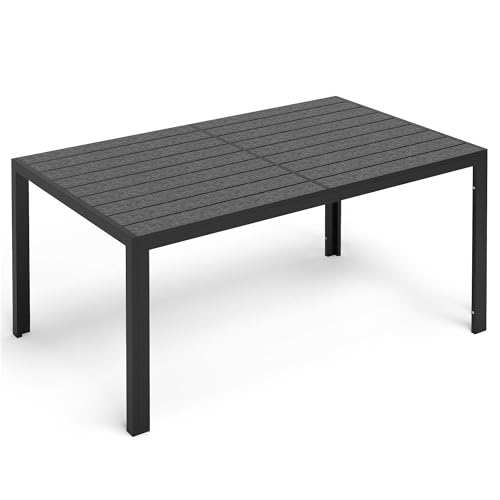
PIZZELLO Patio Dining Table for 6, 59" Rectangular Outdoor Patio Tables | Wood-Like HIPS Slat Top, All Weather Metal Outdoor Dining Table for Lawn Backyard Garden, Black
Check price on Amazon
SERWALL Outdoor 84" HDPE Rectangular Dining Table for 6-8,All-Weather,Black | Durable 84" rectangular dining table seats 6-8, with pre-cut umbrella hole for outdoor dining and gatherings.
Check price on Amazon
PIZZELLO Patio Dining Table for 8, 83" Rectangular Outdoor Patio Tables | Wood-Like HIPS Slat Top, All Weather Metal Outdoor Dining Table w/Umbrella Hole for Lawn Backyard Garden, Black
Check price on Amazon
CHINNLUU 63'' Outdoor Dining Table for 6, Black Metal Patio Dining Table with Umbrella Hole, Anti-Rust Waterproof Rectangular Table for Porch Deck Poolside Garden Backyard
Check price on Amazon
Devoko 7 PCS Acacia Wood Patio Dining Set, Black Rattan | Outdoor Patio Furniture Set, Patio Dining Table Set for 6, Patio Table and Chairs Set For Garden Backyard Pool Side
Check price on Amazon
Flash Furniture 28" Square Patio Table, Black | Commercial Grade, Steel Frame, Indoor/Outdoor
Check price on Amazon
VOYSIGN 5 Piece Outdoor Patio Dining Sets, 60" Rectangular Metal Dining Table with Umbrella Hole & 4 Stackable Metal Chairs, Weather Resistant Garden Furniture Set for Backyard, Deck, Porch
Check price on Amazon
ADREAK Patio Dining Table, 83''×38'' Rectangle Metal Steel Slat Table Brown | 8-Person Outdoor Table, 1.65-2 Inch Adjustable Umbrella Hole, All-Weather Table, for Backyards, Porches, Gardens, Poolside
Check price on AmazonFrequently Asked Questions
Teak, powder-coated aluminum, and ceramic are the most durable outdoor table materials. Teak resists rot and insects naturally, aluminum is rust-proof and lightweight, and ceramic tops resist UV fading and scratches. The best choice depends on your climate: teak and aluminum for humid or coastal areas, ceramic for intense sun.
Allow at least 24 inches of tabletop width per seated diner and 36 inches of clearance between the table edge and any wall, railing, or planter. For serving traffic behind chairs, aim for 42 to 48 inches. On grass or gravel, add a few extra inches for chair stability.
Yes, if the table is designed for year-round outdoor use. Aluminum, teak, and ceramic tables handle full exposure well. Use a breathable cover during off-season months and inspect joints and finishes before each season. Tables with lower-tier resin or untreated wood are best stored or covered during harsh winters.
Choose slatted tops that drain water, avoid standing water in joints and umbrella holes, and clean monthly with mild soap. Ensure air circulates around the table — avoid pushing it tight against walls or stacking items on top. For wood tables, apply a fresh oil coat at the start of the season to maintain water resistance.
Round tables are better for conversation and compact spaces, and they work well with a central umbrella. Rectangular tables maximize seating per square foot and align neatly with decks and patios. Oval tables combine the sociability of round shapes with more surface area. Choose based on your space dimensions and hosting style.