
Scandinavian Dining Table Styling: The Complete Guide
Discover how to create a warm, minimalist, and functional Nordic dining space. From natural materials and soft color palettes to hygge-inspired tablescapes and layered lighting—everything you need to style your Scandinavian dining table with confidence.
Why Scandinavian styling works: Scandinavian design is built on the belief that everyday objects should be both beautiful and useful. A Scandinavian dining table is not just a place to eat—it is a gathering point where form meets function, where natural light is celebrated, and where simplicity creates a sense of calm. Whether you own a light oak table, a white-painted piece, or a minimalist round design, this guide will help you style it with the principles that define Nordic living: simplicity, functionality, natural materials, and warmth.
Understanding Scandinavian Design Principles
Before you place a single candle or choose a runner, it helps to understand what makes Scandinavian design feel so distinctive. The style emerged in the early 20th century across Denmark, Norway, and Sweden, and it was driven by a simple idea: beautiful design should be accessible to everyone. Over the decades, it has evolved into a global aesthetic that prioritizes light, natural materials, and a clutter-free approach to living.
For your dining space, these principles translate into five pillars you can apply immediately. Each pillar works together—removing one weakens the overall effect. Think of them as a checklist you return to whenever you feel your styling has drifted off course.
Natural Materials
Light woods like oak and ash, linen, wool, and ceramic. These materials age gracefully and connect your dining table to the natural world—a core tenet of Nordic design.
Functional Minimalism
Every object on the table should serve a purpose or bring genuine joy. Empty space is not wasted space—it is a design element that allows the eye to rest.
Soft Neutral Palette
Whites, warm greys, pale blues, and muted greens inspired by Nordic landscapes. Accent colors are drawn from nature and used sparingly.
Celebration of Light
Scandinavian homes maximize natural light. For dining tables, this means reflective surfaces, light-colored linens, and carefully layered artificial lighting.
Hygge Warmth
The Danish concept of cozy contentment. Achieved through candles, soft textiles, warm textures, and a lived-in feeling that makes people want to linger.
Quality Over Quantity
Fewer, better things. Invest in well-crafted pieces that will last for years rather than seasonal trends that come and go.
Choosing the Right Table Foundation
Your dining table is the foundation of the entire styling scheme. Scandinavian design favors tables in light woods—particularly oak, ash, and birch—with clean lines and minimal ornamentation. A pale wood surface naturally reflects light and creates the airy, spacious feeling that defines Nordic interiors.
If you are still in the process of choosing your table, our guide to the wooden dining table buying guide covers species, finishes, and construction in detail. For those who already own a table—whether it is light oak, white-painted, or even a darker wood—the styling principles in this guide remain the same. The key is to work with the natural tone of your table rather than fighting it.
Round and oval tables are particularly well-suited to Scandinavian styling because they encourage conversation and flow naturally in open-plan spaces. If you are deciding between shapes, our round vs rectangular dining table comparison breaks down the practical and aesthetic considerations. And if flexibility is important to you, an extendable vs fixed dining table analysis can help you choose a table that adapts to everyday meals and larger gatherings alike.
Styling tip: If your table has a darker wood tone, you can still achieve a Scandinavian look by using lighter linens, pale ceramics, and plenty of natural light. The contrast can be striking when handled intentionally.
The Scandinavian Color Palette for Dining Tables
Scandinavian color schemes are drawn directly from the Nordic landscape: snow, stone, sky, sea, and forest. The palette is intentionally restrained, allowing natural materials and textures to take center stage. Below are the core colors used in Scandinavian dining table styling, along with how each is typically applied.
Soft White
Linens, ceramics, walls
Warm Grey
Textiles, stoneware, accents
Pale Sage
Botanical accents, candles
Muted Blue
Glassware, runners, accents
Natural Wood
Table surface, boards, utensils
Deep Charcoal
Contrast accents, frames
The most effective Scandinavian tablescapes use no more than three colors at once, with one color dominating, one supporting, and one accent. For example: a soft white linen runner (dominant), pale sage ceramic plates (supporting), and a muted blue glass vase (accent). This restraint is what creates the sense of calm and intention that Scandinavian design is known for.
If you want to explore color theory more deeply, our guide to dining table color harmony explains how to balance warm and cool tones, while neutral dining table palettes dives into the art of working within a restrained color range. For those who prefer more contrast, the bold dining table palette guide shows how to introduce stronger hues without losing the Scandinavian feel.
Natural Materials: The Heart of Scandinavian Styling
Scandinavian design is inseparable from natural materials. The textures of wood, linen, wool, leather, stone, and ceramic create a sensory richness that synthetic materials cannot replicate. When styling your dining table, aim to incorporate at least three different natural textures in each arrangement—this creates visual and tactile interest without relying on color or pattern.
Linen
The quintessential Scandinavian textile. Use linen runners, napkins, or placemats in natural, white, or soft grey tones. Linen softens the table's surface and adds a relaxed, lived-in quality.
Wool
Wool throws, seat pads, or felt placemats bring warmth and texture. In colder months, a wool runner or a folded wool blanket on a bench adds instant hygge.
Ceramic & Stoneware
Hand-thrown ceramic plates, bowls, and mugs in matte glazes. Look for organic shapes and slightly irregular edges—perfection is not the goal; character is.
Wood
Wooden serving boards, bowls, and utensils. Choose items in the same wood tone as your table or in a complementary lighter tone. Wood-on-wood creates a harmonious, grounded look.
The materials you choose should feel good to the touch. Scandinavian design is as much about tactile experience as visual appearance. When you run your hand across a linen runner or lift a ceramic mug, the material should feel honest and substantial—not thin or flimsy. This is why our dining table surface care guide emphasizes understanding your table's material, as proper care preserves both appearance and feel over time.
Building a Scandinavian Tablescape in Layers
A well-styled Scandinavian dining table is built in layers, from the surface up. Think of each layer as adding a new dimension of texture, function, or warmth. The goal is not to fill the table, but to create a composition that feels complete yet uncluttered.
This layered approach ensures that your table looks intentional from every angle. It also makes it easy to adapt for different occasions: remove the runner for a casual breakfast, add candles and a more elaborate centerpiece for dinner parties, or swap the centerpiece for a holiday-themed arrangement.
Hygge lighting tip: Candles are essential in Scandinavian tablescaping. Use unscented candles at the dining table so they do not compete with the aroma of food. Vary heights—a few tall taper candles alongside shorter pillar candles—for a dynamic, layered glow.
Centerpiece Ideas for Scandinavian Dining Tables
The centerpiece is the focal point of your table and should reflect the season and your personal style without overwhelming the space. In Scandinavian design, centerpieces are typically low, natural, and organic—nothing so tall that it blocks conversation across the table.
Everyday Centerpieces
For daily use, keep it simple: a small ceramic vase with a few stems of eucalyptus or dried grasses, a wooden bowl holding seasonal fruit, or a single candle in a stoneware holder. These arrangements take seconds to put together but instantly elevate the table from bare to styled.
If you enjoy changing your centerpiece with the seasons, our guide to dining table floral centerpiece ideas offers inspiration for spring, summer, autumn, and winter arrangements. For a more curated vignette approach that goes beyond the centerpiece, explore dining table vignette ideas to learn how to style the entire table surface as a cohesive composition.
Seasonal Centerpiece Ideas
Seasonal Nordic Centerpieces at a Glance
- Spring: White tulips or birch branches in a pale ceramic vase
- Summer: Fresh herbs in small pots, wildflowers, or a bowl of berries
- Autumn: Dried grasses, small pumpkins, or branches with berries
- Winter: Pine sprigs, dried orange slices, or candles on a bed of moss
- Year-round: A wooden bowl with fruit or a cluster of unscented candles
- Formal occasions: A low arrangement of white flowers with eucalyptus
Linens and Textiles: Softness and Warmth
Textiles are where Scandinavian styling becomes truly cozy. The right linens soften the hard surface of the table and introduce color and texture without adding visual weight. The most versatile choice is a natural linen runner—it works on any table shape and in any season.
When choosing linens, opt for natural fibers like linen and cotton over synthetics. They age better, feel better, and align with the Scandinavian value of quality over quantity. Neutral colors—white, oatmeal, warm grey, and pale blue—are the most versatile. If you want to introduce color, choose a muted tone inspired by nature: sage green, dusty rose, or soft ochre.
Napkins are another opportunity to add texture. Linen napkins in a color that complements the runner create a cohesive look. Fold them simply—a basic rectangle fold or a loose knot—and place them on or beside the plate. Avoid elaborate napkin folds, which feel out of step with Scandinavian minimalism.
If your table has a high-gloss finish, a linen runner can help reduce glare and create a softer visual effect. For those with glass or stone tables, our wood vs glass dining table comparison explores how different surfaces interact with lighting and textiles.
Layered Lighting for Scandinavian Dining Spaces
Lighting is perhaps the most underrated element of Scandinavian dining table styling. In Nordic countries, where winter days are short and dark, lighting is used deliberately to create warmth and intimacy. The same principles apply to any dining space—even in sunnier climates, layered lighting transforms the evening dining experience.
The Three Layers of Dining Light
Ambient Light
A pendant lamp or chandelier hung low over the table. Choose a design with a diffuser or fabric shade to avoid harsh glare. Warm white bulbs (2700K–3000K) create the softest glow.
Task Light
If you use the table for work or hobbies, a focused light source—like an adjustable floor lamp nearby—provides illumination without flooding the entire room.
Accent Light
Candles, small table lamps on a sideboard, or a floor lamp in the corner. These sources add depth and warmth, making the dining space feel layered and inviting.
Candlelight
The simplest and most effective mood-setter. Unscented candles in simple holders—tapers, pillars, or tealights—create instant hygge. Use them daily, not just for special occasions.
When positioning a pendant over the dining table, hang it low enough to create an intimate pool of light but high enough that it does not obstruct sightlines—typically 30 to 36 inches above the table surface. Dimmable bulbs are ideal, allowing you to adjust the intensity from bright daytime brightness to soft evening glow.
Surrounding Your Table: Walls, Rugs, and Focal Points
The dining table does not exist in isolation. The walls, floor, and surrounding furniture all influence how your table styling is perceived. In Scandinavian design, the overall space should feel cohesive and uncluttered, allowing the table to remain the star.
For the walls, consider a simple gallery arrangement of framed prints, a large mirror to reflect light and make the space feel larger, or a single piece of art that adds color without overwhelming the palette. Our guide to dining table wall decor offers specific ideas for arrangement and placement.
A rug under the dining table defines the dining zone and adds warmth and texture underfoot. Choose a rug in a neutral tone or with a subtle Scandinavian pattern—think simple geometric or stripes in muted colors. Our dining table rug placement guide explains sizing and positioning. If you want to create a stronger focal point in the room, our dining room focal point design guide can help you use your table and surrounding decor to anchor the space.
Symmetry is a common characteristic of Scandinavian dining rooms—a pendant centered over the table, matching chairs on each side, or a symmetrical arrangement on a sideboard. Our dining room symmetry guide dives into how to use symmetry without making the space feel rigid.
Styling Different Table Types in Scandinavian Style
Not all dining tables are the same, and the best styling approach varies depending on the table's size, shape, and material. Here are tailored recommendations for the most common Scandinavian table types.
| Table Type | Best For | Styling Approach |
|---|---|---|
| Round Dining Table | Essential / Balanced | A single, low centerpiece in the middle; avoid runners that obscure the shape. Candles work especially well on round tables. |
| Rectangular Dining Table | Balanced / Top Tier | A linen runner down the center; multiple small centerpieces spaced evenly; simple place settings at each seat. |
| Extendable Dining Table | Balanced / Top Tier | Keep everyday styling compact; when extended, add additional candle clusters or a second small vase to fill the added length. |
| Small or Apartment Table | Essential | Minimal approach—one small vase or a single candle; avoid clutter. Wall decor can extend the visual space if floor area is limited. |
| Glass Top Table | Balanced | Use textiles to soften the reflective surface—a linen runner and fabric placemats work well. Choose ceramic over glass tableware for warmth. |
| Marble or Stone Top | Top Tier | Let the stone texture stand out; avoid busy patterns. Soft linen and warm wood accents create a pleasing contrast with the cool stone. |
If you are still deciding on a table type, the dining table style & design hub is the best place to explore different styles and find the one that aligns with your vision. And if you are working with a compact space, our compact dining nook arrangement guide offers specific solutions for small Scandinavian dining areas.
Scandinavian Styling vs Other Design Approaches
Scandinavian design shares some qualities with other styles—particularly modern and farmhouse—but the differences are instructive. Understanding what distinguishes Scandinavian styling helps you make intentional choices.
| Style | Key Characteristics | Best Fit |
|---|---|---|
| Scandinavian | Light wood, neutral palette, minimal clutter, natural textures, hygge warmth | Anyone seeking a calm, airy, functional dining space that feels warm year-round |
| Modern / Contemporary | Sleek lines, higher contrast, metallic accents, more polished surfaces | Those who prefer a more polished, architectural look |
| Farmhouse | Distressed wood, vintage accessories, warmer colors, more rustic textures | Those who love a cozy, nostalgic aesthetic with more decorative elements |
| Industrial | Metal and wood combinations, exposed hardware, darker palettes | Loft-style spaces or those who prefer an edgier, urban look |
If you are exploring styles, our guides to modern dining table styling, farmhouse dining table styling, rustic dining table styling, and industrial dining table styling each offer dedicated advice. Scandinavian design is also closely related to a neutral dining table palette, which is a foundational element of the style.
Adapting Scandinavian Styling Through the Seasons
One of the strengths of Scandinavian design is its adaptability. The core principles remain consistent, but the specific materials, colors, and centerpieces shift with the seasons—a natural reflection of the Nordic relationship with nature.
Spring and Summer
Lighter linens, fresh flowers and greenery, and a more minimalist approach. Let the table breathe. Use white and pale green ceramics, and keep centerpieces low and airy. Natural light is abundant, so minimize artificial lighting during the day. For spring styling inspiration, our floral centerpiece ideas guide includes seasonal arrangements.
Autumn and Winter
Lean into hygge. Layer wool textiles, add candles at every meal, and use warmer tones like ochre, rust, and deep forest green. Dried branches, pinecones, and seasonal foliage make beautiful centerpieces. This is the season when Scandinavian styling feels most distinctive—cozy, warm, and inviting. For holiday-specific tablescaping, our dining table holiday tablescape ideas offers inspiration that stays true to the Scandinavian aesthetic.
Seasonal tip: In winter, place a sheepskin or wool throw over one or two dining chairs. This simple addition adds warmth and texture while signaling that the dining space is a place for lingering.
Common Scandinavian Styling Mistakes to Avoid
Even with the best intentions, it is easy to drift away from the Scandinavian aesthetic. Here are the most common pitfalls and how to correct them.
Pitfalls and Fixes
- Overcrowding the table: Keep it minimal—remove anything that does not serve a purpose or bring joy.
- Using too many colors: Stick to three colors maximum—one dominant, one supporting, one accent.
- Ignoring texture: Add at least three natural textures (linen, wood, ceramic) to every tablescape.
- Harsh lighting: Use warm, dimmable bulbs and add candles for soft, layered light.
- Choosing synthetic materials: Opt for natural fibers and materials whenever possible.
- Forgetting the surrounding space: The table should be part of a cohesive room, not a styling island.
Putting It All Together: A Step-by-Step Styling Plan
Ready to style your Scandinavian dining table? Here is a simple, repeatable process that you can adapt to your table and space.
This process takes only a few minutes but creates a table that feels intentional, warm, and inviting. Once you have established this base, you can swap elements seasonally or for special occasions without losing the Scandinavian character.
Explore More Scandinavian and Nordic-Inspired Dining Ideas
Whether you are furnishing a new dining room or refreshing an existing table, our style guides cover every aspect of Scandinavian-inspired living.
Browse the Style & Design HubContinue Exploring
Deepen your understanding of Scandinavian and related styles with these guides:
Frequently Asked Questions
Scandinavian dining table styling focuses on five core elements: natural materials like light wood and linen, a neutral color palette with soft whites and warm greys, functional minimalism with only essential items, abundant natural light, and hygge-inspired warmth through candles and textured textiles.
The Scandinavian palette centers on soft whites, warm greys, muted blues, pale sage greens, and natural wood tones. Accent colors are typically drawn from nature—dusty pink, ochre, or forest green—used sparingly to maintain the airy, calm aesthetic.
For everyday Scandinavian styling, keep it simple: a linen runner or bare wood surface, a small ceramic vase with seasonal branches, a bowl of fruit, and simple candle holders. Avoid clutter and let the natural beauty of the table and materials shine through.
Layered lighting is essential: a low-hanging pendant lamp as the focal point, candles for ambient warmth, and soft wall sconces or floor lamps for background glow. Choose warm white bulbs (2700K–3000K) and avoid harsh overhead lighting.
Recommended Scandinavian Dining Tables & Styling Essentials
⚠️ AFFILIATE DISCLOSURE: This website contains affiliate links. As an affiliate Associate, we earn from qualifying purchases. If you make a purchase through these links, we may receive a small commission at no additional cost to you. Read our full affiliate policy.
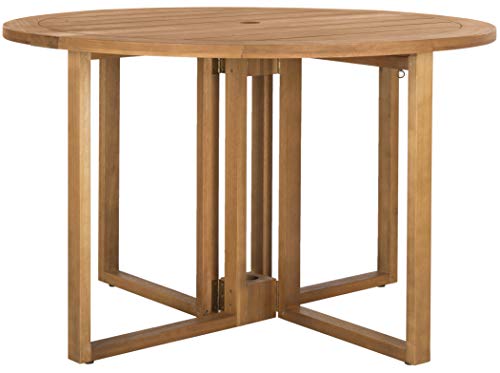
SAFAVIEH Outdoor Wales Wood Dining Table, 47" Natural PAT7036A | Dining Table, 47", Eucalyptus Wood, Galvanized Steel, Patio Outdoor
Check price on Amazon
IRONCK 47" Round Dining Table for 4 with Pedestal Base, Gray | Farmhouse Dinner Table, Circle Kitchen Tables for Dining Room, Kitchen, Living Room
Check price on Amazon
Round Dinner Table for 4, 42 Inch Kitchen & Dining Room Table with Storage | Wooden Circle Dining Table, Mid Century Modern kitchen Table with Metal Legs for Kitchen, Apartment, Dining Room, Office
Check price on Amazon
IDEALHOUSE 47" Round Dining Table for 4-6, Modern Farmhouse Kitchen Table | Wooden Accent Furniture with 2-Layer Storage Shelf & Drawer, Circle Dining Tables with Fluted Pedestal Base, Natural
Check price on Amazon
IRONCK 47" Round Dining Table for 4-6 People, Walnut | Wood Kitchen Table with Pedestal Base, Circle Dinner Table for Dining Room, Kitchen
Check price on Amazon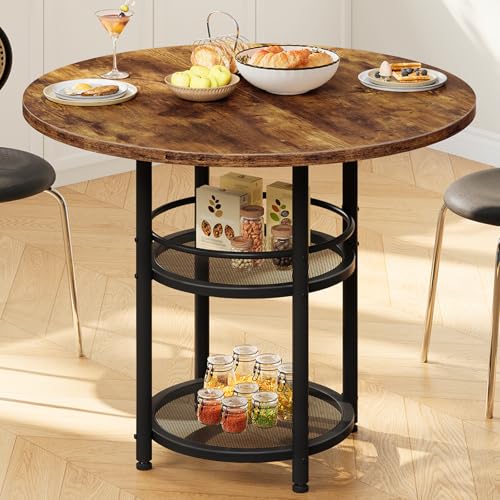
HOOBRO Dining Table, Round Dining Table for 2, 31.5" Kitchen Table for Small Spaces, Farmhouse Small Dining Room Table, 2-Tier Storage, Easy to Assemble, for Living Room, Rustic Brown BF19CZ01
Check price on Amazon
domusdisn Modern 47.2"-63" Extendable Rectangular Dining Table, White | Removable Extension Leaf, Durable MDF Tabletop, Accommodates 4-8 Guests, Great for Dining Room Small Kitchen & Dinner Spaces
Check price on Amazon
Remagr Scandinavian Christmas Decor 71x13" Nordic Swedish Table Runner | Scandinavian Heart Pattern Design, Linen Christmas Dining Table Decor, Christmas Party Decoration, Holiday Party Decorative
Check price on AmazonThe takeaway: Scandinavian dining table styling is not about following strict rules—it is about embracing a philosophy of simplicity, natural beauty, and warmth. Start with a clean foundation, layer in natural textures, choose a restrained color palette, and let candlelight do the rest. Your table will not just look beautiful; it will feel like a place where people want to gather, linger, and enjoy each other's company. That is the true essence of Nordic design.