
Dining Chair Selection Guide: How to Choose the Right Chairs
Match seat height, ergonomics, materials, and style to your table and space. A practical, research-friendly guide for confident dining chair decisions.
Why dining chairs deserve their own research phase: A dining table anchors the room, but chairs decide whether that room actually feels comfortable. Poorly matched chairs create banged knees, aching backs, and a mismatched visual rhythm that no centerpiece can fix. This guide walks through the measurable factors first — seat height, table clearance, seating width, and ergonomics — then moves into materials, styles, and practical pairing strategies, so you can shortlist chairs with confidence before you compare options.
If you are still shaping the bigger picture, start with our overview of dining table types and the dining table chair height guide for the measurement fundamentals that this page builds on.
Step 1: Start With Your Table, Not the Chair
The most common dining chair mistake is shopping for chairs as standalone furniture. Chairs are always in a relationship with the table: seat height against table height, seat depth against apron depth, and chair width against table width per person. Before shortlisting any chair, confirm two numbers: your table's height (floor to tabletop) and its apron height (floor to the lowest point of the table's underside edge).
The comfort band: seat-to-table clearance
As a working rule, a dining chair seat should sit roughly 10 to 12 inches below the tabletop, which usually leaves about 7 to 8 inches of clearance between the seat surface and the underside of the table. That gap is what allows thighs to rest naturally and lets most adults cross their legs without striking the table frame.
- Too little clearance: knees press against the apron or tabletop edge; guests end up sitting sideways or slouching.
- Too much clearance: elbows float too high, shoulders hike up, and the chair feels disconnected from the table.
Measure before you shortlist
Measure your table height and apron height, then compare them with the seat height listed on each chair specification. Standard dining tables are typically around 28 to 30 inches high and pair with standard chairs whose seats sit around 17 to 19 inches from the floor. Taller or bar-style tables need their own matching chair families — this is covered in detail in the bar height dining table guide and the counter height dining table guide.
If you are still deciding on the table itself, the rectangular, round, oval, and square table guides each explain how shape affects chair placement and circulation. Extendable tables add a wrinkle: the extendable dining table guide explains how leaf mechanisms change per-seat spacing when the table is fully open.
Step 2: Plan Seating Capacity and Per-Person Width
Chair count is not just a table-length decision; it is a per-person allocation decision. The working standard is about 24 inches of table edge per chair for comfortable eating, with 26 to 28 inches if your guests are broad-shouldered or you want elbow room for serving dishes. Below 22 inches, chairs crowd each other and the table feels overfilled even when it technically fits everyone.
| Table Setting | Typical Chair Layout | Practical Note |
|---|---|---|
| 2-seater | Two chairs, one per side | Best for compact nooks; see the 2-seater dining table guide |
| 4-seater | Two per long side, or one per side plus bench | Good baseline for couples and small families; see the 4-seater dining table guide |
| 6-seater | Two per long side plus one at each end | The most common family arrangement; see the 6-seater dining table guide |
| 8-seater | Three per long side plus one at each end | Ends benefit from narrower armless chairs; see the 8-seater dining table guide |
| 10-seater | Four per long side plus one at each end | Consider mixed chair widths to avoid crowding; see the 10-seater dining table guide |
Round tables behave differently: chairs wrap around the perimeter, so the round dining table guide notes that a 60-inch round table typically seats six comfortably with standard chairs, while a 48-inch round seats four. For non-standard shapes and leaf extensions, the dining table size chart is a useful cross-check before you commit to a chair count.
Step 3: Evaluate Ergonomics Beyond Seat Height
Seat height gets all the attention, but four other measurements determine whether a chair is comfortable for a full meal rather than just a quick sit test:
- Seat depth: roughly 15 to 18 inches is the working range for most adults. Too shallow and the chair feels like a perch; too deep and shorter sitters lose back support because their knees cannot bend comfortably.
- Seat width: 17 to 20 inches per person is typical. Armrests add width — check whether armed chairs still fit between table legs or pedestals, especially on the ends of the table.
- Back height and angle: a slight recline of about 5 to 10 degrees supports the lower back during long meals. High backs feel formal; low or open backs feel casual and visually lighter in small rooms.
- Arm height: arms should slide under the table edge or stop just below it. Arms that collide with the apron force guests to sit farther back than the table intends.
Test like a diner, not a shopper
At the store, sit for at least five minutes with your feet flat and your back against the chair. Simulate reaching across the table, leaning back after a course, and sliding the chair in and out. If you are shopping online, compare the published seat height, depth, width, and arm height against a chair you already find comfortable at home. Our dining table spec glossary explains how these dimensions are usually listed.
Chair ergonomics also interact with table frames. Thick aprons and wide legs reduce the usable knee space, which is why the dining table apron guide and dining table leg guide are worth reading alongside any chair shortlist. Pedestal tables free up the corners but can crowd chair legs near the center — the dining table pedestal guide covers the trade-offs.
Step 4: Choose Chair Materials for Real Life
Material choice drives comfort, maintenance, and longevity more than any other decision. Rather than ranking materials as universally better or worse, match them to your household: kids, pets, humidity, direct sunlight, and how often the chairs move.
Frame materials
- Solid wood frames: warm, repairable, and long-lasting. Oak, walnut, and teak are common dining chair hardwoods; each behaves differently with humidity and sunlight. Our solid oak dining table guide, walnut dining table guide, and teak dining table guide explain how these woods age, which translates directly to chair frames.
- Metal frames: steel and aluminum chairs are durable and easy to wipe down, and stackable designs are popular for flexible spaces. See the metal dining table guide for finish and rust considerations.
- Mixed frames: wood seats with metal legs, or upholstered shells on wooden bases, are common in contemporary designs. Check joint construction, not just the headline material.
Seat and back surfaces
- Solid wood seats: easiest to clean, most durable for daily family use, and visually consistent with wooden tables. Add a seat pad for longer meals.
- Upholstered seats and backs: more comfortable for long dinners but require fabric care. Performance fabrics, tightly woven covers, and removable or reversible cushions make upholstery far more practical. See the upholstered dining chair guide for fabric and foam guidance.
- Woven, rattan, and cane: breathable and lightweight, ideal for warm climates and casual dining rooms, though they need gentle cleaning.
- Molded plastic and resin: lightweight, weather-tolerant, and simple to clean; a strong fit for patios and family breakfast nooks. The resin dining table guide covers how these surfaces perform over time.
Whatever you choose, plan for maintenance from day one. Routine wiping, felt pads on legs, and prompt spill cleanup prevent most chair wear. The dining table routine upkeep guide and dining table pad protection guide apply just as well to chair seats and frames.
Step 5: Match Chair Style to Your Dining Space
Style is where most shortlists stall, because "matching" is less about identical sets and more about consistent visual language. A few practical filters narrow the field quickly:
- Visual weight: heavy, upholstered chairs suit large rooms and generous tables; slim, open-frame chairs keep compact dining areas from feeling blocked in. If your room is narrow, the narrow dining room furniture layout guide explains how chair bulk affects walkways.
- Material echo: repeating one material from the table — wood tone, metal finish, or stone accent — ties mismatched chairs together without requiring an identical set.
- Line language: straight-edged, rectilinear chairs read modern and pair naturally with rectangular tables; rounded backs and soft curves pair naturally with round and oval tables.
- Formality: high backs, arms, and deep upholstery signal formal dining; low backs, benches, and mixed seating signal relaxed everyday meals.
Chair style also sets the tone for the tabletop. Once chairs are chosen, the dining table centerpiece guide and dining table lighting placement guide help complete the room without competing with the seating.
Step 6: Decide Between a Matching Set, Mixed Chairs, or Benches
All three approaches work; the key is committing to a system rather than improvising.
Matching sets
The simplest route, and still the most reliable for formal dining rooms. Identical chairs guarantee consistent seat height and spacing, and they simplify replacement if one chair is damaged. The trade-off is visual uniformity, which can feel flat in open-plan spaces.
Mixed chairs
Mixing works when you keep three things constant: seat height, a shared color or material family, and roughly similar visual weight. A common pattern is matching chairs on the long sides with two accent chairs at the ends. Avoid mixing armed and armless chairs at the same side of a table, where arm collisions are most likely.
Benches and hybrid seating
Benches maximize seating along one side, suit casual and family-oriented dining rooms, and tuck fully under the table to free floor space. The catch is that benches lack back support and individual adjustability. The dining bench seating guide covers length-to-seat ratios and pairing benches with chairs. For flexible spaces, stackable dining chairs and folding dining table setups make sense together in multi-use rooms.
Step 7: Use a Tier Framework to Compare Quality
Because chair quality varies enormously within the same visual style, comparing chairs is easier with a consistent tier vocabulary. Use these universal descriptors when reading reviews or shortlisting:
- Starter tier Basic joinery, lighter frames, and simpler seat construction. Suitable for occasional dining and light-use spaces, but expect more frequent tightening and touch-ups over time.
- Mid-tier Solid frames with reinforced joints, better foam, and more consistent finishing. This is where most households find the best balance of durability and comfort for daily family meals.
- High-end tier Hardwood frames, precision joinery, higher-density cushioning, and performance upholstery. These chairs are built for long dinners and heavy daily use, and they tend to hold their appearance longer.
- Luxury and professional-grade Hand-finished frames, premium upholstery, and commercial-grade construction. These are appropriate for design-led dining rooms and hospitality settings where chairs see constant use.
Tier language is also the most honest way to compare materials: a mid-tier solid wood chair will typically outlast a starter-tier upholstered chair in daily family use, even if the upholstered option looks more substantial in photos. For a wider comparison of product tiers, see the mid-range picks overview and the luxury collections overview — the same tier logic applies to seating.
Step 8: Final Pre-Purchase Checklist
Before you commit to any chair, run through this short checklist. It catches the majority of return-worthy mistakes:
- Measure your table: confirm table height, apron height, and total length. Compare against the chair's seat height and seat depth.
- Confirm seating capacity: divide table edge length by your per-person allowance (24 to 28 inches) and check that chair widths fit end-to-end without overlap.
- Verify arm clearance: if choosing armed chairs, confirm they slide under the table or fit between legs and pedestals at the ends.
- Match materials to household reality: factor in kids, pets, humidity, and sun exposure. Upholstery needs a cleaning plan; wood needs humidity awareness.
- Check construction details: look for reinforced joints, corner blocks, and quality fasteners. These matter more than surface finish for long-term comfort.
- Plan floor protection: felt pads and floor-safe glides prevent chair legs from damaging hard floors, especially with heavy solid wood chairs.
- Think about maintenance: book a routine upkeep habit from day one — wiping frames, vacuuming upholstery, and tightening joints annually keeps chairs stable.
For a broader purchase framework that covers the table and the chairs together, the first dining table checklist and the dining table buying mistakes article are useful companion reads before you place an order.
Recommended Dining Chairs for Every Seating Need
⚠️ AFFILIATE DISCLOSURE: This website contains affiliate links. As an affiliate Associate, we earn from qualifying purchases. If you make a purchase through these links, we may receive a small commission at no additional cost to you. Read our full affiliate policy.

Universal Furniture X-Back Dining Chair (Set of 2)
Check price on Amazon
2 Pack Seat Post Guide Bushing for Swivel Chairs, Plastic | Ribbed Press Fit Design, 28mm Tube Repair Part for Desks, Rolling Chairs, and Busy Work Areas
Check price on Amazon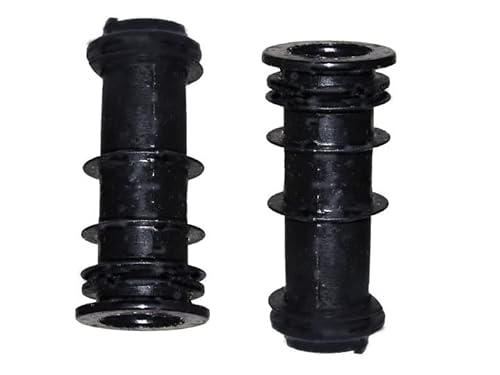
Abacus Swivel Chair Parts 2-1/8" at top. 1 7/8" ID. Replacement Plastic Insert Seat Post Bushing. #502C for Chromcraft and Others Kitchen, Dinette Chairs - 2 Pack.
Check price on Amazon
GOSTADY Round Back Dining Chair Covers French Country Chairs Slipcovers | Set of 4, Beige Stretch Jacquard, Pet Friendly, Chair Cover for Dining Room Home Kitchen Hotel Banquet
Check price on Amazon
Fuloon Waterproof Seat Cushion Covers 4 PCS, Stretch Dining Room Chair Covers Washable Kitchen Chair Slipcover Protector Removable (Green)
Check price on Amazon
GOSTADY Round Back Dining Chair Covers French Country Chairs Slipcovers | Set of 4, Light Grey Stretch Jacquard, Pet Friendly, Chair Cover for Dining Room Home Kitchen Hotel Banquet
Check price on Amazon
100% Solid Oak Midcentury Modern Dining Room Chairs Set of 6, Natural Tone | Wooden Kitchen Chairs, Curved Backrests, For Breakfast Nooks, Apartments & Cafés, Farmhouse, Rustic & Scandinavian Interiors
Check price on Amazon
GOSTADY Round Back Dining Chair Covers French Country Chairs Slipcovers | Set of 4, Khaki Stretch Jacquard, Pet Friendly, Chair Cover for Dining Room Home Kitchen Hotel Banquet
Check price on AmazonContinue Your Dining Room Research
Frequently Asked Questions
How tall should dining chairs be relative to a dining table?
As a general rule, the seat of a dining chair should sit roughly 10 to 12 inches below the table apron, leaving about 7 to 8 inches of clearance between the seat and the underside of the table. This range keeps thighs comfortable and allows room to cross legs. Standard dining tables are typically around 28 to 30 inches high and pair with standard chairs whose seats sit around 17 to 19 inches from the floor.
How many dining chairs fit at a rectangular table?
Allow about 24 inches of table width per chair. A standard rectangular table seats one person per long side plus one at each end, so a 4-seater arrangement needs at least 48 inches of length, while a 6-seater typically needs 60 to 72 inches. If guests are broad-shouldered or you want extra serving space, plan for 26 to 28 inches per person.
Are upholstered dining chairs practical for everyday family use?
Yes, when you choose performance fabrics and tightly woven upholstery. Look for stain-resistant, easy-clean covers and removable or reversible cushions, and avoid light colors in high-traffic family dining spaces. Solid wood seats remain the easiest option to wipe down, while upholstered chairs are better for long meals and formal dining rooms.
Can I mix dining chair styles around one table?
Mixing chairs works well when you keep a consistent seat height, a shared color or material family, and a similar visual weight. A common approach is to use matching chairs on the long sides and a bench or two accent chairs at the ends. Avoid mixing armed and armless chairs on the same side of the table, where arm collisions are most likely.
What is the difference between standard, counter, and bar height chairs?
Standard dining chairs pair with tables about 28 to 30 inches high. Counter-height chairs suit tables around 34 to 36 inches, while bar-height chairs pair with tables around 40 to 42 inches. Always match chair seat height to the table, not the other way around — the goal is that same 10-to-12-inch seat-to-tabletop relationship in every configuration.
Ready to Shortlist Dining Chairs?
Use the recommended chairs above as a starting point, then compare seat height, materials, and per-person width against your table measurements. Confident chair selection starts with numbers, not just photos.
Review the Chair Height Guide