
Dining Table Mold Prevention Guide
Protect your dining table from mold and moisture damage with practical, long-term strategies. Learn how humidity, ventilation, and daily habits affect your table — and what you can do to keep it dry, clean, and structurally sound for years.
What You'll Learn
Why Mold Grows on Dining Tables
Mold is a naturally occurring fungus that thrives in environments where moisture, warmth, and organic material are present. A dining table — especially one made from wood or other porous materials — can become an ideal breeding ground when conditions align.
The three primary conditions that allow mold to develop on a dining table are:
- Moisture: Spills, condensation, high indoor humidity, or damp cleaning methods introduce water into the surface and grain of the table.
- Organic food source: Crumbs, grease, juice residue, and even microscopic food particles trapped in crevices feed mold spores.
- Poor air circulation: Tables placed against walls, in corners, or in rooms with limited airflow stay damp longer, giving spores time to colonize.
Understanding these conditions is the foundation of effective prevention. By disrupting just one of them — preferably moisture — you significantly reduce the likelihood of mold growth.
Quick Insight: Mold spores are present in virtually every indoor environment. The goal is not to eliminate spores entirely, but to remove the conditions that allow them to settle and grow on your table surface.
Material-Specific Mold Risk
Different dining table materials respond differently to moisture. Understanding your table's material helps you apply the right prevention strategy.
| Material | Mold Risk Level | Key Vulnerability |
|---|---|---|
| Solid wood (oak, walnut, teak, pine, mango) | High | Porous grain absorbs moisture; unfinished or oiled surfaces are especially susceptible. |
| Veneer & engineered wood | Moderate to High | Edges and seams can trap moisture; substrate may swell and delaminate. |
| MDF & particleboard | High | Highly absorbent core; moisture causes swelling and creates hidden mold habitats. |
| Marble, granite, quartz, travertine | Low (surface) / Moderate (seams) | Non-porous surface resists mold, but seams, sealant gaps, and undersides can harbor moisture. |
| Glass | Low | Non-porous; mold may grow on residue or in frames and supports rather than the glass itself. |
| Metal (steel, aluminum) | Low | Surface does not support mold, but joints and welds can trap debris and moisture. |
If your table is made from a high-risk material — particularly solid wood or engineered wood — the prevention strategies in the following sections are especially important. For wood-specific care guidance, see our wood dining table wax and polish guide and the broader dining table humidity care guide.
Humidity & Moisture Control
Indoor humidity is the single most influential factor in mold prevention. When relative humidity consistently exceeds 60%, mold spores can germinate on susceptible surfaces within 24 to 48 hours.
Target Humidity Range
Aim to keep indoor relative humidity between 30% and 50%. This range is comfortable for occupants and inhospitable for mold growth on furniture surfaces.
Practical Humidity Control Measures
- Use a hygrometer: An inexpensive indoor humidity monitor helps you track levels in real time, especially during humid seasons.
- Dehumidify when needed: In basements, coastal areas, or during rainy seasons, a dehumidifier keeps humidity within safe bounds.
- Run air conditioning: Air conditioning removes moisture from the air while cooling the space — a dual benefit in warm, humid climates.
- Avoid placing the table near moisture sources: Keep distance from humidifiers, kitchen steam, bathroom doors, and windows that collect condensation.
- Wipe condensation promptly: If windows or cold surfaces near the table collect condensation, dry them regularly to prevent moisture migration.
Seasonal Note: Winter often brings dry air indoors, but the transition between seasons — when outdoor humidity rises and heating systems cycle — can create unexpected moisture spikes. Monitor humidity year-round. Our winter moisture control guide covers cold-season strategies in detail.
Ventilation & Airflow Strategies
Even in a room with moderate humidity, stagnant air allows moisture to linger on surfaces. Good airflow accelerates evaporation and prevents microclimates from forming around your table.
How to Improve Airflow Around Your Dining Table
- Avoid pushing the table flush against a wall: Leave a gap of at least several inches so air can circulate behind and beneath the table.
- Use ceiling fans or portable fans: Gentle air movement keeps surfaces dry without creating drafts that might damage finishes.
- Open windows during dry weather: Cross-ventilation is one of the most effective ways to reduce indoor humidity naturally.
- Keep air vents unobstructed: Ensure HVAC vents are not blocked by the table, chairs, or nearby furniture.
- Consider the room layout: Tables in enclosed corners or narrow spaces are more vulnerable. Our space planning guide and traffic flow planning guide can help you arrange furniture for better air movement.
If your dining area is in a basement or a room with limited windows, a small circulating fan placed at low speed can make a meaningful difference in preventing dampness.
Daily Prevention Habits
Consistent daily habits are your first line of defense. Mold prevention is far easier than mold removal, and small actions compound over time.
Cleaning & Drying Routine
- Wipe spills immediately: Do not let liquids sit on the table surface, especially near seams, edges, and grain openings.
- Dry after cleaning: After wiping with a damp cloth, follow up with a dry microfiber cloth to remove residual moisture.
- Avoid soaking the surface: Use a lightly damp cloth rather than a wet one. Excess water can penetrate finishes over time.
- Clear crumbs daily: Food particles attract moisture and provide nutrients for mold. Brush or vacuum crumbs from the table and chairs regularly.
- Clean underneath: The underside of the table and the area beneath it are often overlooked and can accumulate dust and moisture.
Table Usage Habits
- Use coasters and placemats: These simple barriers prevent condensation rings and liquid contact. See our placemat guide and table runner guide for practical options.
- Use a table pad for heavy use: A dining table pad adds a protective layer during meals, crafts, or gatherings.
- Avoid leaving damp items on the table: Wet dish towels, napkins, or flower vases with condensation should not sit directly on wood surfaces for extended periods.
- Rotate table linens: If you keep a tablecloth or runner on the table continuously, air it out and wash it regularly to prevent trapped moisture.
Protective Finishes & Barriers
A properly finished table resists moisture penetration far better than an unfinished or poorly maintained one. The right finish creates a barrier that keeps water and humid air away from the material underneath.
Finish Options for Wood Tables
- Polyurethane or lacquer: These film-forming finishes provide strong moisture resistance. They require periodic inspection for cracks or wear.
- Oil finishes (tung oil, linseed oil): These penetrate the wood and offer moderate protection, but require more frequent reapplication. See our oiled dining table guide for maintenance details.
- Wax: A coat of furniture wax adds a water-resistant layer and helps fill microscopic pores. Our wax and polish guide explains the process.
- Matte or glossy finishes: Both can be effective when intact. The key is regular inspection for wear. See our matte finish guide and glossy finish guide.
Stone & Non-Porous Surfaces
While stone like marble and granite does not support mold growth on its surface, the sealant and seams can degrade if neglected. Reapply sealant according to manufacturer recommendations and clean seams regularly. For stone-specific care, see our marble sealing guide.
Finish Maintenance Tip: Inspect your table's finish every few months. Any area where water no longer beads up is an area where moisture can penetrate. Reapply the appropriate finish or wax to maintain the protective barrier.
Early Detection & Warning Signs
Catching mold early dramatically reduces the effort required to address it. Be attentive to the following signs, especially in humid months or after spills.
- Musty odor: A persistent earthy or musty smell near the table is often the first indicator of mold growth, even before visible signs appear.
- Discoloration: Dark spots, greenish-black patches, or white fuzz on the surface, edges, or underside of the table.
- Surface texture changes: Areas that feel rough, fuzzy, or slightly raised compared to the rest of the surface.
- Warping or bubbling: Moisture penetration can cause veneer to bubble or wood to warp — these conditions often accompany hidden mold.
- Peeling finish: If the finish lifts or flakes, moisture has likely compromised the barrier and reached the material beneath.
Inspect the underside of the table and the areas near legs and joints periodically. These less-visible zones are common starting points for mold because they receive less airflow and attention.
Safe Mold Removal Basics
If you discover early-stage mold on your dining table, prompt action can prevent it from spreading or penetrating deeper into the material.
General Steps for Surface Mold
- Ventilate the area: Open windows and use a fan to improve airflow before and during cleaning.
- Protect yourself: Wear gloves and a mask to avoid inhaling spores, especially if you are sensitive to mold.
- Prepare a cleaning solution: A diluted white vinegar solution (equal parts vinegar and water) is a mild, effective option for many surfaces. For wood, test in an inconspicuous area first.
- Wipe gently: Use a soft cloth or sponge. Avoid scrubbing aggressively, which can damage the finish or push spores deeper into grain.
- Dry thoroughly: After cleaning, wipe with a dry cloth and allow the table to air dry completely. Do not use harsh heat, which can warp wood.
- Reassess the finish: If the finish was compromised, reapply a protective coat after the surface is fully dry.
For persistent or deep mold, professional restoration may be necessary. Our dining table DIY repair guide and refinishing guide provide more advanced options for restoring damaged surfaces.
Important: Never mix bleach with vinegar or other cleaning agents. Always follow safety guidelines on any cleaning product and ensure the area is well-ventilated.
Seasonal Care Checklist
Mold risk fluctuates with the seasons. Use this checklist to stay ahead of moisture issues throughout the year.
| Season | Key Risks | Prevention Actions |
|---|---|---|
| Spring | Rising outdoor humidity, condensation on cool surfaces | Increase ventilation, monitor indoor humidity, wipe condensation promptly |
| Summer | High humidity, air conditioning condensation | Use dehumidifier or AC, keep table away from vents and windows, dry spills immediately |
| Autumn | Rainy spells, fluctuating indoor temperatures | Maintain airflow, inspect finish before heating season, reapply wax if needed |
| Winter | Heating dries air indoors, but moisture can enter through windows or from kitchen use | Monitor humidity, avoid placing table near cold windows, use a humidifier carefully to avoid over-humidifying |
For deeper seasonal care guidance, see our humidity care guide, summer heat protection guide, and winter moisture control guide. A consistent routine upkeep schedule ties these seasonal actions together.
Recommended Products for Mold Prevention & Table Care
⚠️ AFFILIATE DISCLOSURE: This website contains affiliate links. As an affiliate Associate, we earn from qualifying purchases. If you make a purchase through these links, we may receive a small commission at no additional cost to you. Read our full affiliate policy.

Correll 42" Square Pub Table, 29" High Dining Cocktail Table, Durable Mahogany High Pressure Laminate Top, Cast Iron Base, Top Made in The USA, Leveling Glides
Check price on Amazon
Correll 42" Round Pub Table, 29" High Dining Cocktail Table, Durable Fusion Maple High Pressure Laminate Top, Cast Iron Base, Top Made in The USA, Leveling Glides
Check price on Amazon
Correll 36" Round Pub Table, 29" High Dining Cocktail Table, Durable Black Granite High Pressure Laminate Top, Cast Iron Base, Top Made in The USA, Leveling Glides
Check price on Amazon
Couristan Woodburn Ivory Medallion Washable Outdoor Round Area Rug, 6.5 Ft | Durable Floral Design for Patio Dining Table, Breakfast Nook, Sunroom, Foyer, Low Pile Flatweave, UV Stabilized Color
Check price on Amazon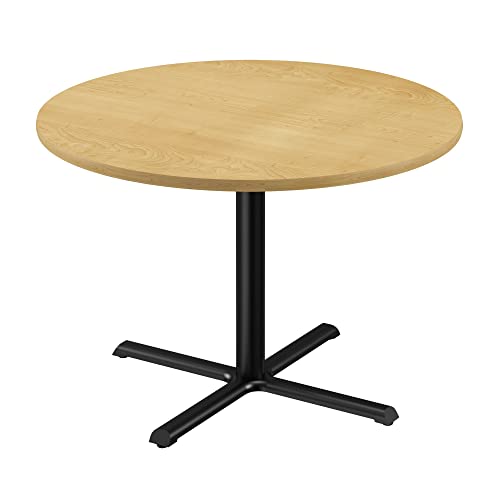
Correll 48" Round Pub Table, 29" High Dining Cocktail Table, Durable Fusion Maple High Pressure Laminate Top & Edge, Cast Iron Base, Made in The USA, Leveling Glides
Check price on Amazon
Couristan Woodburn Ivory Medallion Washable Outdoor Round Area Rug, 8 Ft | Durable Floral Design for Patio Dining Table, Dining Room, Sunroom, Foyer, Low Pile Flatweave, UV Stabilized Color
Check price on AmazonKeep Your Dining Table Dry and Durable
Explore our complete dining table care and maintenance hub for more guides on protecting your table from moisture, stains, and everyday wear.
Frequently Asked Questions
What causes mold on a dining table?
Mold on a dining table is primarily caused by prolonged exposure to high humidity, moisture accumulation, poor ventilation, and organic residue like food crumbs or spills that provide a food source for spores.
Can mold on a wooden dining table be removed?
Yes, surface mold can often be removed with a mild vinegar solution or a specialized wood cleaner. However, mold that has penetrated deep into the wood grain may require professional restoration or refinishing.
How can I prevent mold from returning?
Maintain indoor humidity between 30-50%, ensure proper ventilation, wipe up spills immediately, use a protective finish or table pad, and clean the table regularly to remove organic residue.
Is mold on a dining table dangerous?
Some mold species can produce allergens or irritants. While not all mold is harmful, it is best to address any mold growth promptly, especially on surfaces used for food. If you experience allergic reactions or the mold covers a large area, consult a professional.
Does a tablecloth prevent mold?
A tablecloth can protect the table surface from spills, but if moisture becomes trapped beneath it, the risk of mold can increase. Air out and wash table linens regularly, and avoid leaving damp cloths on the table.
Can mold grow on a marble dining table?
Mold does not grow on the polished surface of marble, but it can develop in seams, sealant gaps, and on residue that accumulates on the stone. Regular cleaning and resealing are effective preventive measures.
What humidity level should I maintain to prevent mold?
Keep indoor relative humidity between 30% and 50%. Use a hygrometer to monitor levels and a dehumidifier or air conditioning to bring humidity down when it rises above 60%.
Should I use bleach to remove mold from my dining table?
Bleach can be harsh on wood finishes and may discolor or damage the surface. A diluted vinegar solution is generally safer for most table materials. Always test any cleaning solution in an inconspicuous area first.