
Granite Dining Table Guide
Discover why granite remains one of the most durable, elegant, and practical natural stone surfaces for a dining table — and learn how to choose, style, and care for one with confidence.
Why Choose a Granite Dining Table
A granite dining table brings a rare combination of natural beauty, resilience, and permanence to the heart of your home. Unlike wood, which can dent and stain, or glass, which demands careful handling, granite is a natural stone that handles the realities of daily family life with remarkable composure. If you are at the research stage and already leaning toward a stone surface, this guide will walk you through everything that matters before you commit.
Granite is formed deep underground from cooled magma, and that geological origin gives each slab a unique pattern of minerals, crystals, and veining. No two granite dining tables are identical, which means your table becomes a genuinely one-of-a-kind centerpiece. Beyond aesthetics, granite is prized for its hardness, heat resistance, and ability to hold a polished or honed finish for decades. For households that entertain often or have young children, that durability is a meaningful long-term investment.
Editorial Note: Granite sits firmly in the premium and luxury tiers of dining table surfaces. It is a long-term investment piece rather than a starter-tier option, so understanding its characteristics before buying is essential. If you are still comparing broad material categories, start with our dining table materials and finishes hub for the full landscape.
Key Characteristics of Granite
Before deciding on a granite top, it helps to understand the properties that define how the table will perform in your dining room over time.
Hardness and Scratch Resistance
Granite is one of the hardest natural stones used in furniture. It resists everyday scratches from plates, cutlery, and children's craft projects far better than wood veneers or composite surfaces. While no surface is entirely scratch-proof, granite holds up well to the wear of daily meals and gatherings.
Heat Resistance
Hot dishes, serving pans, and warm beverages are part of dining life. Granite tolerates heat far better than wood or laminate, though sudden extreme temperature changes can still cause thermal shock. Using trivets for very hot cookware remains a sensible habit even on granite.
Stain and Moisture Behavior
Granite is naturally porous, but a properly sealed surface resists stains from oil, wine, and food remarkably well. Sealing is the single most important maintenance step, and it is straightforward to do yourself. This is one reason granite tables remain popular in busy family dining rooms.
Weight and Structural Demands
Granite is heavy. A large slab can weigh substantially more than a comparable wood or glass top, which has implications for the base you choose. A sturdy pedestal base or a reinforced trestle frame is often the right pairing. Our dining table frame guide explains how to evaluate structural support for heavy tops.
Natural Variation
Each granite slab is unique. Mineral patterns, color balance, and veining will differ from any sample or photo you see online. This is part of the appeal, but it also means you should inspect the actual slab or request detailed photos of the specific top before purchasing.
Styles, Shapes, and Base Pairings
Granite is versatile enough to suit a wide range of dining room aesthetics, but the pairing of the stone top with the right base and shape is what makes a granite table feel intentional rather than heavy.
Shape Selection
- Rectangular granite tables are the most common choice for family dining and formal entertaining. They offer generous surface area and pair naturally with bench or chair seating on both sides. See our rectangular dining table guide for spacing guidance.
- Round granite tables soften the visual weight of stone and encourage conversation. They work especially well in compact dining areas. Explore the round dining table guide for layout considerations.
- Oval granite tables combine the sociability of a round top with more usable surface area, and they ease walkway flow in narrow rooms. The oval dining table guide covers this option in detail.
- Square granite tables suit intimate dining nooks and four-person settings. Read the square dining table guide for seating capacity tips.
Base Pairings
The visual contrast between a solid stone top and a lighter or more sculptural base is what keeps granite from feeling oppressive. Popular pairings include slim metal pedestals, solid wood trestles, and minimalist steel frames. For a broader look at component choices, browse the dining table types collection.
Seating Capacity Planning
Granite tops are usually sized generously, so plan your seating around the finished dimensions rather than the base. Capacity guides are available for 4-seater, 6-seater, and 8-seater configurations to help you match the slab to your household.
Finish Options
Granite can be finished in several ways. A polished finish offers a reflective, formal look, while a honed or matte finish feels more contemporary and hides fingerprints better. Our matte finish guide and glossy finish guide explain the practical differences for daily use.
Granite vs Other Stone Surfaces
Granite is one of several natural stone options for dining tables. The table below compares it against common alternatives so you can see where it fits relative to your priorities.
| Surface | Best For | Durability | Maintenance Level | Visual Character |
|---|---|---|---|---|
| Granite | Busy family dining, heat resistance, unique natural patterns | Very high | Moderate (periodic sealing) | Bold, mineral-rich, one-of-a-kind |
| Marble | Formal elegance, soft veining, classic interiors | High, but more prone to etching | High (sealing and stain care) | Soft, elegant, uniform veining |
| Quartz | Low-maintenance modern dining, consistent color | High | Low (non-porous engineered surface) | Uniform, engineered patterns |
| Travertine | Warm, rustic, and Mediterranean-inspired rooms | Moderate | Moderate to high (porous) | Textured, earthy, layered |
| Concrete | Industrial and minimalist interiors | High | Moderate (sealing recommended) | Raw, architectural, matte |
If you are weighing stone against warmer materials, the glass dining table guide and the solid oak dining table guide offer useful contrasts in feel and upkeep.
Recommended Granite Dining Tables
⚠️ AFFILIATE DISCLOSURE: This website contains affiliate links. As an affiliate Associate, we earn from qualifying purchases. If you make a purchase through these links, we may receive a small commission at no additional cost to you. Read our full affiliate policy.

Correll 48" Round Pub Table, 29" High Dining Cocktail Table, Gray Granite Thermal Fused Laminate Top, Cast Iron Base, Tops Made in The USA, Leveling Glides
Check price on Amazon
Correll 36" Round Pub Table, 29" High Dining Cocktail Table, Durable Black Granite High Pressure Laminate Top, Cast Iron Base, Top Made in The USA, Leveling Glides
Check price on Amazon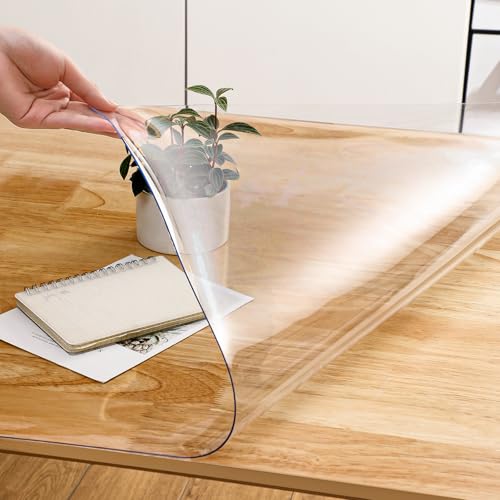
Clear Plastic Table Cover Protector Waterproof Tablecloth Vinyl Rectangle Table Cloth Protector Crystal Clear Plastic Tablecloth Cover for Dining Tables Parties Camping 15" x 46"
Check price on Amazon
Granite Stone Look Pattern Table Flag Home Durable, Easy to Clean, Non Shrinking Decorative Table 13x72 Inches
Check price on Amazon
Vampire Killer 2 Pack 28in Folding Cocktail Table,Folding Round High Top Indoor Outdoor with Removable Legs, Tall Bistro Foldable Bar Height Table for Parties, Patio, Backyard, Dining, Wedding, White
Check price on Amazon
Bobbing Lak 28in Folding Cocktail Table,Folding Round High Top Indoor Outdoor with Removable Legs, Tall Bistro Foldable Bar Height Table for Parties, Patio, Backyard, Dining, Wedding, White
Check price on Amazon
Moon Maine: Acadia National Park, Lobster & Lighthouses, Outdoor Adventures (Travel Guide)
Check price on Amazon
Modern Round Dining Table with Black Granite Top & Metal Base - Stylish 70cm Coffee & Leisure Table for Kitchen & Dining Room, Home Decor Essential
Check price on AmazonGranite Dining Table Buying Checklist
When you have narrowed your search to a specific granite table, use this checklist to evaluate it thoroughly before committing.
Before You Buy
- Measure the room and walkways. Granite tops are heavy and often large; confirm clearance around the table. The walkway clearance guide and space planning guide will help you avoid a cramped result.
- Confirm the slab. Ask to see the actual slab or detailed photos of the specific top. Natural variation means the delivered stone will differ from a sample.
- Check the sealer status. Ask whether the granite is pre-sealed and what sealer was used. This affects how soon you will need to reapply protection.
- Evaluate the base. A heavy granite top needs robust support. Review the frame and leg construction using the dining table leg guide.
- Plan delivery and assembly. Granite requires careful handling and often professional delivery. The moving safely guide is a useful reference.
Questions to Ask the Seller
- Is the granite natural stone, and where was it quarried?
- Has the top been sealed, and with what product?
- What is the exact thickness of the slab and the weight of the finished table?
- What does the warranty cover — chips, cracks, or only manufacturing defects?
- Is professional delivery and installation included or recommended?
Common Mistakes to Avoid: Skipping the walkway measurement, assuming the sample matches the delivered slab, and underestimating the base strength needed for a heavy stone top. Our dining table buying mistakes article covers these pitfalls in more depth.
Care and Maintenance Essentials
Granite is low-fuss compared with many natural materials, but it does reward a simple, consistent routine. The goal is to keep the sealer effective and prevent stains from setting.
Routine Cleaning
Wipe the surface daily with a soft cloth and a mild, pH-neutral cleaner. Avoid acidic or abrasive cleaners, which can dull the finish over time. For a broader routine, see the dining table routine upkeep guide.
Sealing
Reapply a granite sealer periodically — typically once or twice a year depending on the stone and the sealer. A simple water-bead test can indicate when re-sealing is due. The stone sealing guide walks through the process, and the principles apply to granite as well.
Stain and Spill Response
Blot spills promptly rather than wiping aggressively. For oil-based stains, a poultice may be needed. The dining table stain removal guide explains safe approaches for different spill types.
Protecting the Surface
Use placemats and trivets under hot dishes and sharp objects. A fitted dining table pad is a practical option for households with young children or frequent entertaining.
Chips and Scratches
Small chips can often be repaired by a stone specialist with color-matched epoxy. Surface scratches can sometimes be polished out. For DIY-oriented owners, the DIY repair guide and scratch touch-up guide provide starting points, though professional help is advisable for visible damage on premium slabs.
Environmental Care
Keep the table away from prolonged direct sunlight to reduce fading risk, and maintain stable indoor humidity to protect both the stone and any wood components in the base. The humidity care guide and sunlight fade prevention guide cover these considerations.
For a complete overview of stone and wood care routines, visit the dining table care and maintenance hub.
Who Should Choose a Granite Dining Table
Granite is an excellent fit for some households and a less natural match for others. Consider these profiles before deciding.
Granite Is a Strong Fit If You:
- Want a table that can handle daily family meals, homework, and gatherings without constant worry.
- Value natural, one-of-a-kind surfaces and are comfortable with variation between slabs.
- Entertain often and want a surface that resists heat and stains well.
- Are planning a long-term investment piece rather than a short-term furnishing.
- Prefer a modern, contemporary, or transitional dining room aesthetic.
Consider Alternatives If You:
- Move furniture frequently or live in a rental where heavy stone is impractical.
- Prefer a warm, soft, or highly customizable surface; wood remains the natural alternative — see the walnut dining table guide for a rich wood contrast.
- Want minimal maintenance and consistent appearance; quartz is often the closer match.
- Have a compact dining space where lighter materials and slim frames suit the room better.
If you are still exploring which category fits your lifestyle, the pre-owned dining table guide and luxury collections overview can help frame the decision.
Ready to Explore Granite Dining Tables?
Browse our curated selection of granite dining tables and compare features, styles, and configurations that suit your dining room.
View Recommended Granite TablesFrequently Asked Questions
Is a granite dining table durable for daily family use?
Yes. Granite is one of the most durable natural stone surfaces available for dining tables. It resists scratches, heat, and stains well when properly sealed, making it a solid long-term investment for busy family dining rooms.
Does a granite dining table need regular sealing?
Most granite dining tables benefit from periodic sealing, typically once or twice a year depending on the stone's porosity and the sealer used. Regular sealing helps prevent stains and moisture absorption.
Can a granite dining table be repaired if it chips?
Minor chips and scratches can often be repaired by a professional stone specialist using color-matched epoxy and polishing techniques. Deep cracks or structural damage are harder to fix and may require slab replacement.
Is granite heavier than other dining table materials?
Yes. Granite is significantly heavier than wood, glass, or composite materials. This weight affects delivery, assembly, and the type of base or frame needed to support the slab safely.
What dining table styles work best with granite tops?
Granite tops pair well with modern, contemporary, transitional, and rustic bases. Metal pedestals, solid wood trestles, and minimalist steel frames are all popular choices that complement the natural stone surface.