
Dining Table Winter Moisture Control: Complete Protection Guide
Winter air and indoor heating create a punishing cycle of dryness and condensation for your dining table. Learn how to stabilize humidity, protect every material type, and prevent warping, cracking, and mold before damage sets in.
Your dining table is the centerpiece of daily life — shared meals, homework sessions, holiday gatherings, and quiet morning coffees. During winter, that same table faces its toughest environmental test of the year. Cold outdoor air holds very little moisture, and once it enters your home and warms up, its relative humidity drops sharply. Add central heating, closed windows, and occasional condensation from cooking or showering, and you have a recipe for wood movement, surface damage, and finish deterioration.
This guide is written for people who already own a dining table and want to protect their investment through the colder months. Whether you have a solid oak dining table, a marble dining table, or a glass dining table, the principles in this guide will help you understand what winter moisture does to your table and exactly how to respond.
Why Winter Threatens Your Dining Table
Winter creates a unique combination of environmental stressors that are not present during other seasons. Understanding these stressors is the first step toward effective protection.
Low Outdoor Humidity Meets Indoor Heating
Cold air cannot hold much water vapor. When outdoor air at 30°F with 70% relative humidity is drawn indoors and heated to 70°F, its relative humidity can drop below 20%. This extremely dry indoor air pulls moisture out of everything in your home — including wooden furniture. Your dining table's wood cells begin to release bound water, causing the material to shrink.
Condensation and Localized Moisture
At the same time, winter introduces localized moisture sources. Hot dishes placed on a cold table create condensation underneath. Windows near the dining area collect condensation that can drip onto the surface. Slow cooking, humidifiers, and bathroom steam migrate through open-plan homes. These localized moisture events create uneven swelling that is often more damaging than gradual humidity changes.
Temperature Fluctuations
Thermostat adjustments, space heaters, and fireplaces cause rapid temperature swings near the table. Wood expands and contracts in response to both temperature and humidity. When these two forces act in opposite directions — for example, a warm draft combined with dry air — internal stresses build up in the wood grain.
Key insight: The most damaging pattern in winter is not constant dryness but rapid fluctuation. A table that experiences 35% humidity during the day and 20% humidity at night will show more stress than a table held steadily at 30%.
The Humidity Science Behind Moisture Damage
To protect your table effectively, it helps to understand what is actually happening at the material level when humidity changes.
Wood: Hygroscopic Behavior
Wood is hygroscopic, meaning it absorbs and releases moisture from the surrounding air. In winter, dry indoor air pulls moisture from the wood, causing the cells to shrink. This shrinkage is not uniform — it is greater across the grain than along it. That uneven movement is why tabletops develop gaps at the joints, why panels cup, and why finishes crack along the grain lines.
Different wood species respond differently. Dense hardwoods like oak and walnut move less dramatically than softer species like pine. If you want a deeper explanation of how your specific wood type behaves, the dining table materials and finishes hub is a good companion resource.
Stone and Marble: Porosity and Sealing
Marble, granite, and other natural stones are porous to varying degrees. In winter, the risk shifts from humidity-driven movement (stone does not warp) to moisture penetration. Condensation on a cold stone surface, combined with a compromised sealer, can allow water to enter the stone and cause staining, etching, or in severe cases, spalling.
Glass and Metal: Condensation and Finish Damage
Glass surfaces are non-porous, but they are excellent condensation collectors. Water that sits on glass can seep into the frame joints or the adhesive layer connecting the glass to its base. Metal frames, especially those with painted or powder-coated finishes, can develop rust at joints and scratches when exposed to persistent moisture.
Target range: Aim for indoor relative humidity between 40% and 55% during winter. Below 30% accelerates wood shrinkage; above 60% encourages mold and swelling.
Material-by-Material Protection
Not every dining table responds to winter moisture the same way. Use the table below to understand the primary risk for your table material, then apply the detailed strategies that follow.
| Material | Primary Winter Risk | Protection Priority | Tier Guidance |
|---|---|---|---|
| Solid wood (oak, walnut, teak) | Shrinkage, joint separation, finish cracking | Humidity stabilization + oil/wax maintenance | Balanced tier |
| Mango, pine, softer woods | Rapid movement, cupping, surface checking | Humidity control + protective pads | Essential tier |
| Marble / granite | Moisture penetration, staining, etching | Sealing + immediate spill management | Premium tier |
| Glass | Condensation on surface and frame joints | Ventilation + frame drying | Balanced tier |
| Metal / steel frames | Rust at joints, finish chipping | Moisture wiping + rust-proof coating checks | Essential tier |
| Lacquered / glossy finishes | Cloudiness, hazing, micro-cracks | Gentle cleaning + humidity stability | Premium tier |
Solid Wood Tables
Solid wood tables need consistent humidity above all else. During winter, apply a quality furniture wax or oil to the surface before the heating season begins and repeat monthly. Products designed for oiled dining tables penetrate the grain and slow moisture exchange. Avoid placing the table directly over heating vents or near radiators. Use felt pads under all decor items so air can circulate under them.
Marble and Stone Tables
Before winter arrives, confirm that your stone is properly sealed. A marble dining table sealing guide will walk you through the process. During winter, wipe condensation from the surface every morning. Never leave wet glasses or damp cloths on the stone overnight. If you notice dark spots that do not disappear after drying, the sealer may need renewal.
Glass Tables
Glass itself is safe from moisture, but the junctions between glass and frame are vulnerable. Wipe condensation from the glass and frame daily. Check that any rubber or silicone gaskets are intact. Follow the glass dining table cleaning guide for safe cleaning products that will not leave streaks or residue that traps moisture.
Metal and Mixed-Material Tables
Metal frames should be inspected for scratches or chips in their protective coating. Any exposed metal is a candidate for rust during humid winter conditions. Touch up chips promptly. If your table has a steel frame, keep the joints dry and consider a light application of silicone spray on moving parts if applicable.
Lacquered and Glossy Finishes
Lacquered surfaces can turn cloudy when moisture sits on them or when humidity fluctuates rapidly. Use a soft microfiber cloth to dry the surface after meals. Avoid harsh cleaners. If you want to understand how different finishes react to environmental stress, the matte finish guide and glossy finish guide provide useful comparisons.
Room-Level Moisture Strategy
Individual table care matters, but the room environment determines whether your efforts succeed or fail. These room-level strategies create a stable microclimate around your dining table.
Monitor Humidity Actively
Place a digital hygrometer near the dining table. Check it at least twice daily — morning and evening — to catch swings early. A hygrometer is one of the most useful tools in winter furniture care because it turns guesswork into measurable data.
Use a Humidifier Correctly
A humidifier can stabilize the room, but position it at least three to four feet away from the table. Direct mist creates localized swelling and finish damage. Choose a model with an adjustable humidistat so you can target the 40–55% range rather than over-humidifying.
Control Drafts and Heat Sources
Cold drafts from windows and doors create localized cooling that encourages condensation. Hot air from vents and space heaters accelerates drying. Position your table away from both. If the table must sit near a window, use thermal curtains and keep the table at least a foot away from the glass.
Manage Cooking and Bathroom Moisture
In open-plan homes, steam from cooking and showers migrates toward the dining area. Use exhaust fans consistently. Wipe down the table after meals when the kitchen has been steamy. The principles in the dining table humidity care guide reinforce these room-level tactics.
Room strategy checklist: Hygrometer placed near table · Humidifier set to 40–55% · Table at least one foot from windows · Exhaust fans used during cooking and showers · Thermostat kept stable rather than frequently adjusted.
Weekly Winter Inspection Routine
A ten-minute weekly inspection catches moisture problems before they become permanent. Follow this routine every week from late autumn through early spring.
- Check the surface: Run your hand across the entire tabletop. Feel for raised grain, rough patches, or soft spots.
- Inspect joints and seams: Look for new gaps between boards or where the top meets the apron. A small gap that appears during winter may close in spring, but it should be monitored.
- Look for cloudiness or discoloration: White haze on wood or dark patches on stone are early moisture indicators.
- Check undersides and legs: Moisture damage often starts underneath where air circulation is poor. Look for mold spots, rust on metal legs, or soft wood.
- Verify humidity: Record the hygrometer reading and note whether it stayed within range during the week.
- Dry all surfaces: Even if no condensation is visible, wipe the table with a dry microfiber cloth to remove any surface moisture.
For a broader seasonal care framework, the seasonal deep cleaning guide and routine upkeep guide pair well with this winter-specific checklist.
Warning Signs You Should Not Ignore
Some moisture issues resolve when humidity stabilizes. Others require immediate intervention. Watch for these warning signs and act quickly.
- New cracks in the finish: Fine hairline cracks in the finish are early warning signs of wood shrinkage. If they appear suddenly, humidity is dropping too fast.
- Cupping or bowing: If the tabletop no longer sits flat, uneven moisture absorption has already begun. Check both the top surface and the underside.
- White or dark staining on stone: This indicates moisture has penetrated the sealer. Clean and reseal promptly. If the stain persists, consult a stone care professional.
- Musty odor: A musty smell around the table suggests mold growth, often underneath or in joints. The mold prevention guide explains how to address this safely.
- Cloudy glass or hazy finish: Moisture trapped under a finish layer or between glass and frame components causes this. Dry thoroughly and investigate the source.
- Rust spots on metal: Any rust on legs or frame joints is a sign of persistent moisture exposure. Address the moisture source and treat the rust immediately.
If you notice any of these signs, document them with a photo and check again after a week of stabilized humidity. If the condition worsens, take targeted action using the material-specific guides linked throughout this article.
Recovering a Moisture-Damaged Table
If winter moisture has already affected your table, the recovery path depends on the damage type and severity.
Wood: Surface Swelling or Water Rings
Light surface swelling and water rings can often be resolved with gentle treatments. The water ring removal guide covers safe methods for wood surfaces. If the wood has cracked or the finish has split, you may need the scratch and touch-up guide or, for deeper restoration, the refinishing guide.
Stone: Staining or Etching
Surface staining on marble or granite can sometimes be lifted with a poultice, but deeper penetration may require professional stone restoration. Always reseal the stone after any repair. Review the marble sealing guide before reapplying sealer.
Mold: Immediate Remediation
Mold on wood or in joints needs prompt treatment. The mold prevention guide explains both remediation and prevention. Do not simply paint over mold — address the moisture source first or it will return.
Structural Movement
If the table has warped significantly or joints have opened widely, the table may need professional assessment. Before that, read the frame guide and wobbly table fix guide to understand whether the issue is cosmetic or structural.
Recommended Dining Table Winter Moisture Control Products
⚠️ AFFILIATE DISCLOSURE: This website contains affiliate links. As an affiliate Associate, we earn from qualifying purchases. If you make a purchase through these links, we may receive a small commission at no additional cost to you. Read our full affiliate policy.

KylinLucky Patio Furniture Table Cover 84 x 56 x 28 inch Waterproof | Heavy Duty 600D for Outside Dining Table and Chairs, UV Resistant, Windproof Straps, All-Weather Protection Black
Check price on Amazon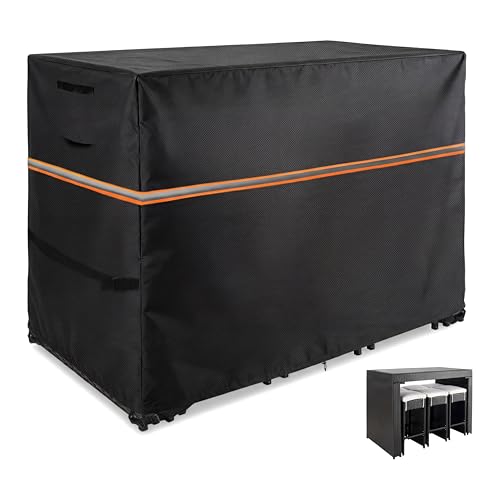
DearHoHo Patio High Top Dining Set Cover, 60"L x 30"W x 40"H,Black | 600D Heavy Duty, Thickened Waterproof, For 7-Piece Wicker Bar Dining Set, For Patio Dining Table and Chairs Set for 6
Check price on Amazon
CikaCika 9 Pcs Patio Dining Set, Aluminum Table & 8 Chairs, Teak | Dining Table & 8 Chairs, Dining Table Sets with Umbrella Hole, Outdoor Patio Furniture Set for Backyard, Poolside, Deck
Check price on Amazon
Svndlyn Lighted Christmas Centerpiece with Timer and Wooden Reindeer | Multicolor, Flashing Lights,Red Green Gold Ornaments,Pinecones and Silver Berries for Dining Table or Mantel
Check price on Amazon
RICHIE Outdoor Patio Furniture Cover - Heavy Duty Waterproof 600D Tough Canvas Protector for Square Table Cover, All-Season Dining Table and Chair Cover (106L x 106W x 28H Inch)
Check price on Amazon
RICHIE Outdoor Patio Furniture Cover - Heavy Duty Waterproof 600D Tough Canvas Protector for Round Table Cover, All-Season Dining Table and Chair Cover (110"DIAx28"H)
Check price on Amazon
Outdoor Grill Cart Cover Black Oxford Cloth Protector 122x89x76cm | Waterproof Design, Airflow Support, Moisture Control, Universal Fit for Grill Carts and Outdoor Prep Stations
Check price on Amazon
CikaCika 9 Pcs Patio Dining Set, Aluminum Table & 8 Chairs, Teak | Aluminum Outdoor Dining Table Sets with Umbrella Hole, Modern Outdoor Patio Furniture Set or Backyard, Poolside, Deck
Check price on AmazonFrequently Asked Questions
What humidity level is ideal for a wooden dining table in winter?
Maintain indoor relative humidity between 40% and 55% during winter. Levels below 30% cause wood to dry out and crack, while levels above 60% encourage mold growth and swelling. Use a digital hygrometer near the table and adjust your humidifier accordingly.
How do I prevent moisture damage on a marble dining table in winter?
Apply a penetrating sealer before winter begins, wipe up spills immediately, avoid placing hot or wet items directly on the surface, and keep the table away from drafts and condensation sources. Wipe morning condensation from the surface daily.
Can winter moisture cause my dining table to warp?
Yes. Rapid humidity swings cause wood to expand and contract unevenly, leading to warping, cupping, and joint separation. Stabilizing indoor humidity and using protective finishes are the most effective preventive measures.
How often should I inspect my dining table during winter?
Inspect your dining table weekly during winter. Check for swelling, surface cracks, mold spots, and finish cloudiness. Early detection prevents small issues from becoming permanent damage.
Should I use a humidifier near my dining table in winter?
Yes, a humidifier helps stabilize humidity, but position it at least three to four feet away from the table. Direct mist exposure can cause localized swelling and finish damage. Choose a model with an adjustable humidistat.
Ready to Protect Your Dining Table This Winter?
Explore our complete care and maintenance resources to build a year-round protection plan for every material and finish.
Explore Care & Maintenance Guides