
Dining Table Chair Height Guide
Match your seating to your table for comfortable, ergonomic dining. Learn standard, counter, and bar height specifications, clearance rules, and how to measure before you commit.
START THE GUIDEWhy chair height matters more than you think: A beautiful dining set only works if the seating is comfortable for the people who use it daily. The gap between your seat and the table apron determines whether elbows rest naturally, whether knees clear the frame, and whether long dinners feel relaxed or restless. This guide explains the measurements behind that comfort so you can choose seating with confidence.
Understanding the Three Core Measurements
Every dining seating decision comes down to three related dimensions: the height of the table, the seat height of the chair, and the clearance between them. When these three align, the table feels invisible—you simply sit, eat, and talk without adjusting. When they drift out of balance, small frustrations accumulate: bruised knees, hunched shoulders, or a chair that never tucks in properly.
The standard convention is a seat height between 17 and 19 inches paired with a dining table between 28 and 30 inches tall. That combination yields roughly 10 to 12 inches of space between the seat and the bottom edge of the table apron. Most adults find that range comfortable because it allows the thighs to rest horizontally, the feet to stay flat on the floor, and the forearms to rest on the tabletop without lifting the shoulders.
From that baseline, seating splits into a few recognizable families. Standard dining chairs serve the majority of dining rooms and kitchens. Counter height chairs raise the seat to 24 to 26 inches to match tables standing 34 to 36 inches tall. Bar height chairs sit higher still, typically 28 to 30 inches at the seat, and pair with tables around 40 to 42 inches. Each family follows the same clearance logic—only the reference numbers shift upward.
Chair Height Reference Table
Use this overview as a starting point when comparing seating categories. The "Best For" column describes the settings where each type typically makes the most sense.
| Seating Category | Typical Seat Height | Matching Table Height | Best For |
|---|---|---|---|
| Standard dining chair | 17–19 inches | 28–30 inches | Formal dining rooms, family kitchens, everyday meals |
| Counter height chair | 24–26 inches | 34–36 inches | Casual kitchens, breakfast bars, open-plan transitions |
| Bar height chair | 28–30 inches | 40–42 inches | Home bars, tall gathering tables, entertainment zones |
| Adjustable or multi-height chair | Varies (often 18–26 inches) | Matches the adjusted seat | Flexible households, multi-purpose rooms, guest seating |
| Bench seating | 17–19 inches (seat top) | 28–30 inches | Family-style tables, space-saving nooks, casual dining |
If you are still choosing the table itself, the dining table types overview explains how shape and height categories interact. For spaces built around stools or high seating, the bar height dining table guide and the counter height dining table guide cover the table-side specifications in more depth.
The Clearance Rule: 10 to 12 Inches
Clearance is the single most useful number in this entire guide. Measure from the top of the chair seat to the bottom of the table apron—the horizontal frame beneath the tabletop. That gap should land between 10 and 12 inches for most adults. Below about 9 inches, thighs start to collide with the apron and the chair feels cramped. Above roughly 13 inches, elbows float too high and the tabletop sits awkwardly far from the body.
The clearance rule explains why you cannot simply pick the tallest chair you like. A 24-inch counter chair paired with a 30-inch standard table leaves only about 5 inches of clearance after accounting for the apron—far too tight for comfortable sitting. Conversely, an 18-inch standard chair pushed under a 36-inch counter table leaves the diner reaching upward with every bite. Height must be judged as a pair, never in isolation.
Two additional details affect perceived comfort. First, apron depth varies: a table with a deep decorative apron reduces usable clearance even if the overall table height looks generous. Second, seat cushion thickness changes effective seat height—a 2-inch cushion on an 18-inch frame behaves like a 20-inch seat. Account for the cushion when comparing chairs against the clearance rule. The dining table apron guide explains how apron design influences legroom.
Quick Measurement Checklist
- Measure floor to tabletop height.
- Measure floor to the bottom of the table apron.
- Measure floor to the top of the chair seat (including cushion).
- Subtract seat height from apron height—target 10 to 12 inches.
- Confirm the chair tucks fully under the table without hitting the apron or legs.
Ergonomics Beyond the Numbers
Height is the foundation, but comfort also depends on how the body settles into the chair. Feet should rest flat on the floor or on a footrest; if the chair is tall enough that feet dangle, the seating will feel unstable over a long meal. The seat depth should allow the back to rest against the backrest while leaving a small gap behind the knees, so circulation is not restricted. Armrests, when present, should slide under the table apron or stop just below it—armrests that collide with the table force the diner to sit farther back.
Backrest height and angle matter as well. A dining chair is not a lounge chair: the back should support the lumbar region while encouraging an upright posture that keeps food within easy reach. Recline too far and the diner leans forward to compensate; sit too upright with a stiff back and long dinners become tiring. The dining chair selection guide explores these comfort factors alongside style, and the upholstered dining chair guide explains how padding and fabric affect the seating experience.
Household composition should shape the final decision. Taller diners often prefer the upper end of the standard range or a counter height setup; shorter diners may find a 17-inch seat with a footrest more comfortable than a taller chair. Children benefit from seating that can be adjusted as they grow, or from booster solutions that raise them to the table rather than forcing them to reach. If the household spans a wide range of heights, an adjustable or multi-height chair offers flexibility that fixed seating cannot.
Standard, Counter, and Bar Height in Practice
Standard dining height
Standard seating remains the default for a reason: it accommodates the widest range of body types and table styles. A 28 to 30 inch table with 17 to 19 inch chairs works for formal dining rooms, family kitchens, and most everyday meals. When pairing chairs with a standard table, verify that the chair back does not rise so high that it blocks sightlines across the table, and confirm that the chair frame fits under the apron without scraping. The rectangular dining table guide and round dining table guide discuss how table shape influences chair placement and traffic flow.
Counter height
Counter height seating sits between standard and bar height, making it a popular choice for kitchens and open-plan homes where the dining area doubles as a workspace. A 34 to 36 inch table with 24 to 26 inch chairs preserves the same 10 to 12 inch clearance logic while raising the overall sightline. Counter height works well for casual meals and conversations that continue while someone stands nearby, but it can feel less formal than standard seating. The counter height dining table guide covers the matching table specifications in detail.
Bar height
Bar height seating is the tallest common category, with seats around 28 to 30 inches and tables around 40 to 42 inches. It suits entertainment zones, home bars, and gathering tables where people expect to stand, lean, and mingle as much as sit. Footrests become essential at this height because dangling feet quickly become uncomfortable. Bar height also demands more attention to chair stability and floor space, since the taller center of gravity makes wobble more noticeable. The bar height dining table guide explains the trade-offs in more depth.
Matching Chairs to Table Styles
Pedestal tables and trestle tables often have different apron structures, which changes how much clearance a chair actually receives. A pedestal base may leave the full table perimeter open, allowing chairs to tuck in deeply, while a trestle or apron-heavy design may limit how far the chair can slide under. Measure the specific table you intend to pair, not just its height category. The dining table pedestal guide and dining table frame guide explain how base and frame design affect seating.
Table edge profile matters too. A thick, rounded edge can reduce the usable clearance slightly compared with a thin, chamfered edge, and it changes where the diner's forearms rest. The dining table edge profile guide covers these details. If the table includes extendable leaves, confirm that the mechanism does not add an apron beneath the seam that would interfere with chair placement at the ends.
Bench seating follows the same height logic as chairs. A bench with a 17 to 19 inch seat surface pairs with a standard table, but benches have no backrest and no individual adjustment, so clearance and seat depth must suit every person who will use them. The dining bench seating guide discusses when benches work well and when individual chairs are the better choice.
Measuring Before You Commit
The most reliable way to choose chair height is to measure the table you already own—or the table you plan to buy—and compare it against a chair that already feels comfortable. Start with the table: record the floor-to-tabletop height and the floor-to-apron height. Then measure your current chair's seat height at the point where you actually sit, including any cushion. Subtract to find your real-world clearance, and use that number as your benchmark when evaluating new seating.
If you are shopping without a table in place, work from the category table above and confirm the vendor's published dimensions. Look specifically for seat height, table height, and apron depth; some listings mention only one of the three. When dimensions are ambiguous, treat the clearance rule as your filter: if the numbers cannot plausibly produce 10 to 12 inches of gap, the pairing is unlikely to feel right. The dining table spec glossary explains the terminology you will encounter in product listings, and the dining table size chart helps with overall proportions.
Finally, think about the room as a whole. Chair height affects how the dining area reads visually: taller seating raises the visual center of the room and can make a small space feel more vertical, while standard seating keeps sightlines lower and more open. The dining table space planning guide and dining table walkway clearance guide explain how to leave enough room around the table for chairs to pull out and people to pass behind them.
Common Mistakes to Avoid
- Buying chairs before confirming table height. Seat height and table height must be evaluated together; a chair that looks right in the showroom may fail the clearance rule at home.
- Ignoring the apron. Two tables of the same height can offer very different legroom depending on apron depth and base design.
- Forgetting the cushion. A thick seat pad adds effective height and can push a borderline pairing out of the comfortable range.
- Mixing height categories. Standard, counter, and bar height seating are designed as systems; combining mismatched categories usually produces cramped or awkward seating.
- Overlooking foot support. Taller chairs need footrests or a footrail, otherwise feet dangle and the seating feels unstable.
- Skipping the tuck test. Before buying, confirm the chair slides fully under the table without hitting the apron, legs, or stretchers.
If you are still assembling the full dining setup, the dining table setup and accessories hub collects the related guides on seating, linens, lighting, and layout in one place. The first dining table checklist is a useful final pass before placing an order.
Recommended Dining Chairs for Proper Table Height
⚠️ AFFILIATE DISCLOSURE: This website contains affiliate links. As an affiliate Associate, we earn from qualifying purchases. If you make a purchase through these links, we may receive a small commission at no additional cost to you. Read our full affiliate policy.

NEWBYTEK 1/4"-20 Furniture Leveling Feet (1" Base) - PTFE Teflon Bottom Adjustable Levelers for Chairs, Tables, Screw-in Leg Glides (8 Pack)
Check price on Amazon
CSFMC Furniture Leveler Swivel Feet PTFE(Teflon) Bottom(35mm Base),Threaded Shank(5/16-18) Adjustment Pads,Table/Chair/Cabinet/Sofa Medium Legs Leveling,Nuts Installation and Floor Protection(4 Pack)
Check price on Amazon
CSFMC Furniture Leveler Swivel Feet PTFE(Teflon) Bottom(25mm Base),Threaded Shank(1/4-20) Adjustment Pads,Table/Chair/Cabinet/Sofa Medium Legs Leveling,Nuts Installation and Floor Protection(4 Pack)
Check price on Amazon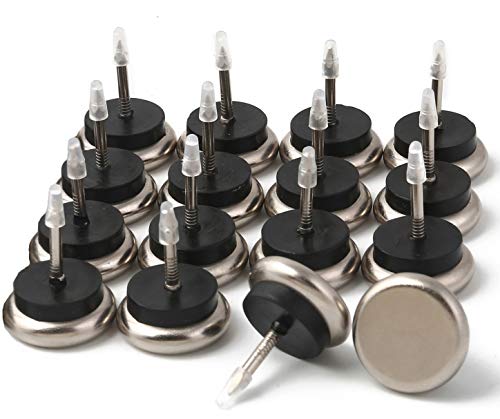
Dia Nail On Furniture Glides for Chairs, Tables - Furnigear Nickel Base Cushioned Furniture Nails - Allowing Chairs to Glide Effortlessly Over Carpet Floors (1-1/4", 16 Pack-Silver Gray)
Check price on Amazon
Dia Nail On Furniture Glides for Chairs, Tables - Furnigear Nickel Base Cushioned Furniture Nails - Allowing Chairs Glides Effortlessly Over Carpet Floors (3/4", 40 Pack-Silver Gray)
Check price on Amazon
TRIDOK 4 Pack Clear Plastic Dining Chair Covers, Waterproof Dining Chair Protectors with Backrest, PE Chair Seat Covers for Kitchen, Dining Room, Kids Messes, Pet Hair, Cat Claws, Fits 21" x 18" Seat
Check price on Amazon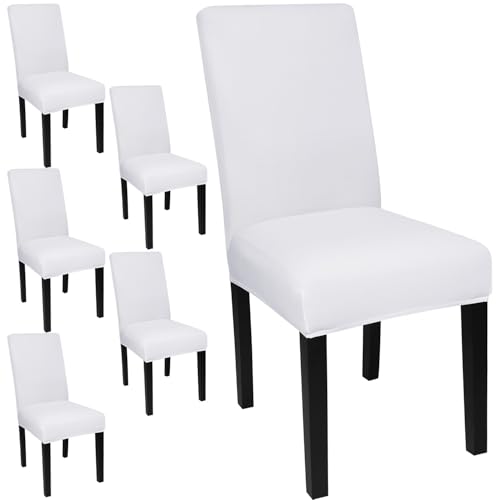
JQinHome Dining Chair Covers Set of 6,High Stretch Removable Washable Dining Room Chair Covers,Kitchen Chair Cover for Home Party Hotel Wedding Ceremony (White)
Check price on AmazonFrequently Asked Questions
What is the standard height of a dining chair?
Standard dining chairs have a seat height between 17 and 19 inches. This range pairs best with standard dining tables that stand 28 to 30 inches tall, allowing for approximately 10 to 12 inches of clearance between the seat and the table apron.
How much space should be between the chair seat and the table?
Aim for 10 to 12 inches of clearance between the top of the chair seat and the bottom edge of the table apron. This spacing allows most adults to sit comfortably with thighs clearing the table and provides room for the legs to move without obstruction.
What is the difference between counter height and bar height chairs?
Counter height chairs typically have a seat height of 24 to 26 inches and pair with counter height tables around 34 to 36 inches tall. Bar height chairs usually measure 28 to 30 inches at the seat and pair with bar height tables around 40 to 42 inches tall.
How do I measure for a dining chair that fits my table?
First measure from the floor to the bottom of your table apron. Then subtract 10 to 12 inches to find your ideal seat height range. You can also measure an existing chair that feels comfortable and use its seat height as your benchmark when shopping.
Ready to Complete Your Dining Setup?
Explore seating options that match your table height, then verify clearance and tuck before you order. A few minutes of measuring now saves years of small discomforts at every meal.
VIEW SEATING OPTIONS