
Walnut Dining Table Guide
Everything you need to know about choosing, styling, and caring for a walnut dining table — from wood grades and finishes to durability, design styles, and long-term maintenance.
START THE GUIDEWhy Walnut? Walnut is one of the most sought-after hardwoods for dining tables. Its deep chocolate tones, refined grain patterns, and dense structure make it a favorite for both modern and traditional interiors. This guide walks you through every decision — from understanding solid vs. veneer construction to selecting the right finish and keeping your table beautiful for decades.
What Makes Walnut a Premium Dining Table Wood
Walnut — particularly American black walnut — is prized for its rich, dark brown heartwood that ranges from warm honey tones to deep espresso. Its grain is typically straight but can feature subtle waves and curls that give each table a unique character. Beyond appearance, walnut is a dense hardwood with excellent dimensional stability, meaning it resists warping and shrinking better than many softer woods.
For dining tables, this combination of beauty and durability makes walnut a long-term investment. Unlike veneered or composite tables, a solid walnut table can be sanded and refinished multiple times over its lifetime, allowing it to age gracefully with your home. If you are still comparing wood species, our dining table materials and finishes hub provides a broader overview of options before you commit.
Walnut also pairs beautifully with a wide range of interior styles — from mid-century modern and Scandinavian to rustic farmhouse and contemporary luxury. Its natural warmth complements both light and dark color palettes, making it a versatile choice for dining rooms of any size.
Solid Walnut vs. Walnut Veneer: What You Need to Know
One of the most important decisions when buying a walnut dining table is understanding the construction. The two main categories are solid walnut and walnut veneer, and each has distinct advantages depending on your priorities.
Solid Walnut Construction
A solid walnut table is crafted from thick, full-length boards of walnut hardwood. This construction is heavier, more durable, and can be repaired or refinished repeatedly. Solid walnut tables often feature visible grain continuity across the tabletop and develop a rich patina over time. They sit in the premium to luxury tiers of the market and are typically built by specialist furniture makers or high-end brands.
Walnut Veneer Construction
Walnut veneer tables use a thin layer of real walnut bonded to a stable core such as plywood or MDF. This approach delivers the look of walnut with greater dimensional stability and a more consistent surface pattern. Veneer tables generally occupy the mid-range tier and can be an excellent choice if you want the walnut aesthetic with less maintenance concern. However, veneer cannot be sanded as aggressively as solid wood, so deep scratches require more careful repair — our dining table veneer repair guide covers those techniques in detail.
| Construction | Best For | Durability | Maintenance |
|---|---|---|---|
| Solid Walnut | Long-term investment, heirloom pieces | High — refinishable multiple times | Periodic oiling or waxing |
| Walnut Veneer | Consistent look, mid-range setups | Moderate — surface-sensitive | Gentle cleaning, avoid abrasives |
| Walnut with Engineered Core | Large tables, humidity-variable rooms | High stability, moderate surface wear | Same as veneer care |
Understanding Walnut Grades and Grain Patterns
Not all walnut is equal. The grade of walnut lumber affects both appearance and structural quality. Here is a practical breakdown of the grades you are likely to encounter:
- FAS (First and Seconds): The top grade, featuring long, clear cuttings with minimal defects. FAS walnut is used in high-end and luxury furniture where grain continuity and color consistency matter most.
- Select and Better: A mid-tier grade with fewer restrictions on color variation and small knots. This grade offers excellent character and is common in premium solid walnut tables.
- Character or Rustic Grade: Includes visible knots, sapwood streaks, and mineral deposits. This grade is popular in farmhouse and industrial styles where natural imperfections are celebrated. Browse our distressed dining table guide if this aesthetic appeals to you.
Grain patterns also vary significantly. Straight grain offers a clean, modern look, while cathedral and curly grain add visual drama. Some buyers prefer the contrast between dark heartwood and lighter sapwood, while others insist on uniform heartwood color. When shopping, ask for the grade and inspect the grain direction on the actual tabletop — not just a sample.
Choosing the Right Finish for Your Walnut Table
The finish you choose affects both the appearance and protection of your walnut dining table. Walnut responds beautifully to a range of finishes, but each has trade-offs:
- Oil Finish: Penetrates the wood and enhances the natural grain. Oil finishes are easy to spot-repair and give a warm, low-sheen look. They require periodic re-oiling. Learn more in our oiled dining table guide.
- Matte Lacquer: Provides a smooth, protective film with minimal sheen. Matte finishes are popular for modern walnut tables and resist moisture well. See our matte dining table finish guide for details.
- Glossy Lacquer or Polyurethane: Offers the highest level of surface protection and a reflective sheen. This finish can make walnut look darker and more dramatic, but it shows scratches more easily. Our glossy dining table finish guide explains when this finish makes sense.
- Wax Finish: A traditional approach that gives a soft, tactile surface. Wax finishes are less protective against heat and moisture but are easy to maintain. See our wood dining table wax and polish guide for application tips.
Whatever finish you choose, consistency in maintenance is key. A well-maintained walnut table can last for generations, while neglect can cause drying, cracking, or fading. Our dining table routine upkeep guide provides a seasonal maintenance calendar that applies well to walnut furniture.
Walnut Dining Table Pros and Cons
Advantages
- Rich, deep color that elevates any dining room
- Dense hardwood with excellent durability
- Refinishable for decades of use
- Unique grain patterns on every table
- Pairs well with many interior styles
- Develops a beautiful patina over time
Considerations
- Sits in the premium to luxury tiers of the market
- Susceptible to fading in direct sunlight
- Requires periodic oiling or waxing
- Can show scratches on softer finish types
- Heavier than many other wood tables
- Color variation between boards is normal
For many buyers, the visual warmth and long-term durability of walnut outweigh the maintenance requirements. If you are weighing walnut against other hardwoods, our oak vs walnut dining table comparison breaks down the differences in hardness, grain, color, and care.
Walnut Dining Table Styles and Shapes
Walnut works beautifully across a wide range of table shapes and design styles. Here are the most popular options and when each makes sense:
Rectangular Walnut Tables
The classic choice for family dining and formal entertaining. Rectangular tables maximize seating and fit naturally into most dining rooms. Our rectangular dining table guide covers sizing and clearance rules in detail.
Round and Oval Walnut Tables
Round tables encourage conversation and work well in compact spaces. Oval tables offer a softer silhouette while still accommodating larger groups. See our round dining table guide and oval dining table guide for layout advice.
Extendable Walnut Tables
If you host occasionally but need flexibility day to day, an extendable walnut table is a smart choice. Walnut's density makes extension mechanisms feel solid and smooth. Our extendable dining table guide explains the different leaf systems available.
Pedestal Walnut Tables
Pedestal bases eliminate corner legs, making seating more comfortable and the table easier to navigate around. Walnut pedestal tables often lean toward contemporary or mid-century styles. See our dining table pedestal guide for base options.
Whichever shape you choose, ensure the proportions match your room. A large rectangular walnut table in a narrow room will feel cramped, while a small round table in a spacious dining room may feel lost. Our dining table space planning guide helps you match table size to your floor plan.
How to Care for a Walnut Dining Table
Walnut is durable, but it still benefits from thoughtful care. Follow these habits to keep your table looking its best:
- Dust regularly with a soft, dry cloth to prevent grit from scratching the finish.
- Wipe spills immediately with a damp cloth and dry the surface afterward. Avoid letting liquids sit on the table.
- Use coasters and placemats for hot dishes and beverages. Heat marks are one of the most common issues on dining tables — our heat mark repair guide can help if one occurs.
- Re-oil or re-wax according to the finish manufacturer's guidance. Oil finishes typically need refreshing once or twice a year.
- Manage humidity by keeping the table away from radiators, air vents, and direct sunlight. Our dining table humidity care guide explains ideal indoor conditions.
- Use a table pad during heavy use or crafts to protect the surface from scratches and moisture. See our dining table pad protection guide for options.
For deeper cleaning and seasonal maintenance, our seasonal deep cleaning guide and dining table care and maintenance hub provide step-by-step routines for wood furniture.
Walnut Dining Table Buying Checklist
Before you commit to a walnut dining table, run through this checklist to make sure you are getting the right piece for your home:
- Confirm construction: Is it solid walnut, veneer, or a combination? Ask for the grade and core material.
- Measure your space: Use our dining table size chart to confirm the table fits your room and seating needs.
- Check the finish: Understand what finish is applied and how it should be maintained.
- Inspect the grain: Look for consistent grain direction and acceptable color variation.
- Test stability: A solid walnut table should feel heavy and stable with minimal wobble. Our wobbly dining table fix guide covers what to do if it is not.
- Review the frame and legs: Understand the joinery and leg design. Our dining table frame guide and dining table leg guide explain what to look for.
- Plan for delivery: Solid walnut is heavy. Read our dining table moving safely guide before the table arrives.
If you are new to furniture buying, our first dining table checklist and dining table buying mistakes articles will help you avoid common pitfalls.
Recommended Walnut Dining Tables
⚠️ AFFILIATE DISCLOSURE: This website contains affiliate links. As an affiliate Associate, we earn from qualifying purchases. If you make a purchase through these links, we may receive a small commission at no additional cost to you. Read our full affiliate policy.

The EPOXY RESIN River Table Art Guide: Step-by-Step Guide to Build Coffee, Dining and Outdoor Wood Tables, With Pour Formulas
Check price on Amazon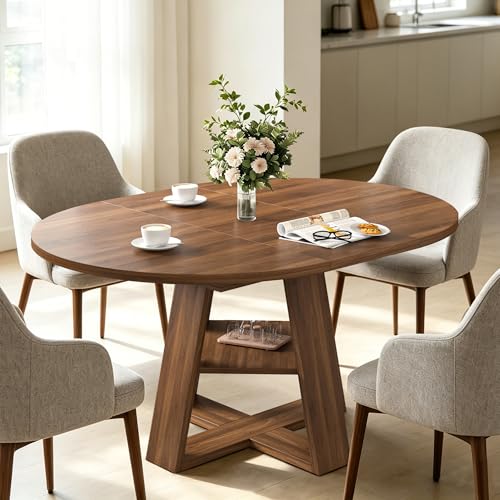
43.3"-59" Extendable Round Oval Dining Table for 4-8 with Storage Shelf | Modern Kitchen Oval Dining Table with Removable Leaves,Space Saving Extendable Table Wood Base for Kitchen Living Room Walnut
Check price on Amazon
Tribesigns 47-Inch Dining Table for 4, Walnut Brown Kitchen Dinner Table with Heavy Duty Pedestal, Farmhouse Wooden Eating Table for Home, Dining Room, Small Space
Check price on Amazon
YATINEY 63" Dining Table for 6-8 People, Modern Large Kitchen Table | Heat-Resistant Tabletop, Unique Rectangular Dinner Table, Wooden, Quick Assembly, for Dining Room, Kitchen, Natural Walnut
Check price on Amazon
Vipbear 35.5'' Round Dining Table for 2-4 with 2-Tier Storage Shelf | Small Space-Saving Dining Room Table Wood Kitchen Fluted Dinner Tables with Pedestal Base for Restaurant Kitchen(Walnut)
Check price on Amazon
East West Furniture OXT-AWA-T Oxford Square Kitchen Dining Table for Small Spaces, 36x36 Inch, Antique Walnut
Check price on Amazon
Extendable Dining Table with Charging Station, Convertible Folding Console Table for 6-8 People, Space-Saving Dining Table with LED Lights, Wood Rectangle Kitchen Table for Homes, Walnut (No Chairs)
Check price on Amazon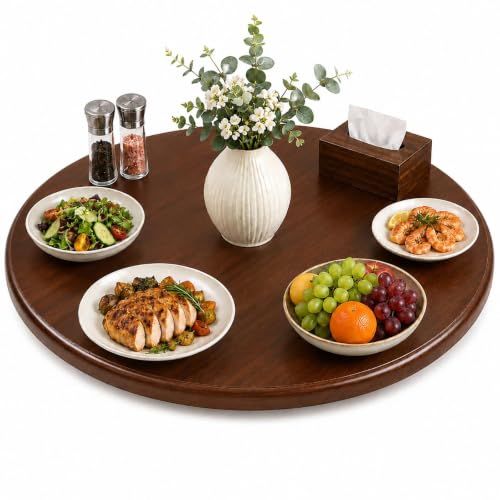
Wood Lazy Susan Turntable for Table Top 360° Rotation Large Lazy Susan for Dining Table Heavy Duty Wooden Lazy Susan for Countertop Lazy Susans for Family Dinner Party Serving(23.6",Walnut)
Check price on AmazonFrequently Asked Questions About Walnut Dining Tables
Is walnut a good wood for a dining table?
Yes. Walnut is one of the most respected hardwoods for dining tables. It offers a dense, durable grain, a rich chocolate-brown tone, and excellent resistance to everyday wear when properly finished and maintained. It sits in the premium to luxury tiers of the furniture market and is considered a long-term investment.
What is the difference between solid walnut and walnut veneer?
Solid walnut is a single piece of hardwood throughout the tabletop, while walnut veneer is a thin layer of walnut bonded over a core material such as plywood or MDF. Solid walnut is more durable and repairable, while veneer offers a more consistent look at a lower position in the market.
How do I care for a walnut dining table?
Dust regularly with a soft cloth, wipe spills promptly, avoid harsh chemical cleaners, and re-oil or re-wax the surface periodically depending on the finish. Keep the table away from direct heat and prolonged sunlight to prevent drying and fading. Our routine upkeep guide provides a full maintenance schedule.
Does walnut dining table color fade over time?
Walnut can lighten slightly with age and exposure to sunlight, which is a natural process. To minimize uneven fading, keep the table away from direct sun or use window coverings. Our sunlight fade prevention guide explains how to protect wood furniture from UV damage.
Can I refinish a walnut dining table?
Solid walnut tables can be sanded and refinished multiple times. Veneer tables require more care and should only be lightly sanded. Our dining table refinishing guide covers the process for both construction types.
Ready to Choose Your Walnut Dining Table?
Walnut dining tables combine natural beauty, durability, and timeless style. Whether you are furnishing a formal dining room or upgrading a kitchen table, walnut offers a warm, sophisticated foundation for everyday meals and special occasions. Use the buying checklist above, review the product recommendations on this page, and explore our related guides to make a confident decision.
For more inspiration and practical advice, browse our dining table shopping and reviews hub and our dining table types guide to compare styles side by side.