
Dining Table Runner Guide: Styles, Sizes & Styling Tips
Everything you need to choose, measure, and style a dining table runner that protects your table, elevates your decor, and suits your everyday lifestyle.
START READINGWhy a table runner matters: A dining table runner is one of the most versatile and practical additions to any dining space. It protects the tabletop from scratches, heat, and spills while instantly adding color, texture, and personality to the room. Unlike a full tablecloth, a runner leaves the table surface visible, allowing the natural beauty of wood, glass, or marble to remain on display. Whether you are setting a casual family breakfast or a formal dinner party, the right runner transforms the table without committing to a full linen arrangement.
If you have already decided to invest in a table runner but are unsure about sizing, fabric choice, or styling, this guide covers every decision point. We break down standard runner dimensions, explain which materials perform best in daily use, compare popular styles, and walk through practical styling techniques. By the end, you will have a clear picture of exactly which dining table runner fits your table, your routine, and your design taste.
What Is a Dining Table Runner and Why Use One?
A dining table runner is a long, narrow strip of fabric or other material laid lengthwise or crosswise across a table. It typically runs down the center, leaving place settings on either side. Runners are available in a wide range of fabrics, patterns, and lengths, from simple cotton strips for casual meals to embroidered silk for formal occasions.
The benefits go beyond decoration. A good runner:
- Protects the surface from hot dishes, condensation, and minor scratches, especially on wood and veneer tables.
- Anchors the tablescape by defining a visual centerline for centerpieces, candles, and serving dishes.
- Adds seasonal flexibility — swapping a runner is a simple way to refresh the dining room for holidays or new seasons.
- Reduces laundry load compared with a full tablecloth, since only the central strip needs washing after a meal.
Runners work on virtually every table type. They suit a small white dining table and chairs just as well as they do a larger rustic grey dining table set. On glass and polished stone surfaces, runners also reduce glare and soften the look of the table.
Dining Table Runner Sizes: Length and Width Guidelines
Getting the size right is the single most important step. A runner that is too short looks undersized, while one that is too long drags at the ends. Use the table below as a starting reference, then measure your own table to confirm.
| Table Seating | Typical Table Length | Recommended Runner Length | Recommended Runner Width |
|---|---|---|---|
| 2-seater | 30–36 inches | 48–60 inches | 13–14 inches |
| 4-seater | 48–60 inches | 60–72 inches | 13–14 inches |
| 6-seater | 60–72 inches | 72–90 inches | 14–16 inches |
| 8-seater | 72–96 inches | 84–110 inches | 16–18 inches |
| Round table (any size) | Varies by diameter | Diameter + 12 inches | 13–16 inches |
Length rule of thumb: The runner should overhang each end of the table by 6 to 12 inches. A shorter overhang of about 6 inches looks neat and tailored; a longer overhang of 10 to 12 inches gives a more dramatic, luxurious feel. For a dining table sized for 4, a 72-inch runner on a 60-inch table gives you a balanced 6-inch drop on each side.
Width rule of thumb: The runner should cover roughly one-quarter to one-third of the table width. On a 36-inch-wide table, a 13- to 14-inch runner leaves comfortable room for place settings on both sides. If you plan to use large chargers or wide plates, choose a slightly narrower runner so the plates are not crowded.
Crosswise runners: Some decorators lay two shorter runners across the table instead of one long runner. This works well on very long tables where a single runner would look stretched, and it pairs naturally with bench seating arrangements. If you use a bench for a dining table with back support, crosswise runners keep the center of the table visually open.
Choosing the Right Fabric for Your Table Runner
Fabric choice affects durability, maintenance, and the overall mood of the table. Here is how the most common materials compare.
| Fabric | Best For | Care Level | Notes |
|---|---|---|---|
| Cotton | Everyday use, casual meals | Easy — machine washable | Breathable, absorbs spills well, softens with each wash |
| Linen | Casual to semi-formal, textured looks | Moderate — gentle wash, ironing needed | Natural slub texture, excellent drape, wrinkle-prone |
| Cotton-linen blend | Balanced everyday option | Easy to moderate | Combines durability of cotton with linen's texture |
| Polyester and blends | High-traffic homes, outdoor dining | Very easy — wrinkle-resistant | Stain-resistant, holds shape, less breathable |
| Velvet | Formal, holiday, and winter settings | Delicate — dry clean recommended | Rich texture, strong color depth, not for daily use |
| Silk and jacquard | Formal dining rooms, special occasions | Delicate — dry clean | Elegant sheen, detailed patterns, best kept for occasions |
| Burlap and jute | Rustic, farmhouse, and outdoor themes | Easy — spot clean or shake out | Coarse texture, natural tone, adds warmth to neutral palettes |
Practical recommendation: For most households, a cotton or cotton-linen runner is the most versatile starting point. It handles daily meals, washes easily, and works in both casual and dressier settings. Keep a velvet or jacquard runner in a drawer for holidays and dinner parties.
If the runner will sit on a surface that sees hot casseroles or frequent spills, consider a reversible runner with a stain-resistant finish, and pair it with a clear plastic sheet for the dining table underneath during heavy-use periods. For heat protection on wood tables, a runner alone is not enough — use dining table hot pads under hot serving dishes as well.
Popular Dining Table Runner Styles
Runner style should follow the overall character of your dining room. Below are the main styles and the settings they suit best.
Solid Color and Neutral Runners
The most flexible option. A solid ivory, oatmeal, or charcoal runner blends with almost any palette and lets your dishware and centerpiece take the spotlight. Neutral runners are the easiest to layer — pair a plain linen runner with patterned placemats or a woven charger for added depth.
Striped and Plaid Runners
Stripes running lengthwise create a sense of elongation, which helps long slender dining tables feel more balanced. Plaid and checkered runners bring a cozy, cottage or farmhouse feel and work especially well with rustic dining room table decor.
Patterned and Floral Runners
Botanical prints, block prints, and subtle geometrics add personality without overwhelming the table. Patterned runners are a good choice for rooms with plain walls and simple furniture, where the table is the focal point.
Textured and Woven Runners
Runners made from jute, chunky weave, or macramé add tactile interest. They pair naturally with natural wood tables and organic, neutral decor, and they tolerate everyday use well because they do not show small marks as readily as smooth fabrics.
Seasonal and Holiday Runners
A dedicated holiday runner is an easy way to refresh the dining room. Deep reds and greens suit winter, while lighter floral patterns work for spring and summer. If you enjoy formal dining table decoration ideas, a seasonal runner layered with candlesticks and a low centerpiece delivers a polished look with minimal effort.
How to Style a Dining Table Runner
A runner is a foundation, not a finished look. These styling principles help you build a table that feels intentional rather than cluttered.
- Keep the centerpiece low. Sightlines matter at a dining table. Choose a centerpiece under about 12 inches tall, or use a long, low arrangement that follows the runner's line.
- Use odd-numbered groupings. Three candles, three small vases, or one long tray with five objects reads more naturally than symmetrical pairs.
- Layer textures, not just colors. Combine a smooth runner with woven placemats, matte ceramics, and a linen napkin for depth.
- Leave breathing room. The runner should not be crowded edge to edge with objects. Negative space makes the arrangement feel calmer and more elegant.
- Match the runner to the occasion. Weekday meals call for a simple runner with a small bowl of fruit; dinner parties call for candles, florals, and a runner with more sheen or pattern.
For more complete tablescape direction, see our guides on formal dining table centerpiece ideas and rustic dining table decor. If your table sits in a small apartment, small apartment dining table ideas covers space-conscious styling that still looks finished.
What to Check Before Buying a Dining Table Runner
Beyond size and fabric, a few practical details separate a runner that lasts for years from one that gets pushed to the back of the linen closet.
- Finished edges: Look for double-stitched or hemmed edges. Raw or single-stitched edges fray quickly, especially after washing.
- Shrinkage: Natural fibers like cotton and linen can shrink. Check whether the runner is pre-washed, or size up slightly if shrinkage is likely.
- Reversibility: A double-sided runner doubles the styling options and extends the useful life of the piece.
- Weight and drape: Heavier fabrics hang straighter and stay in place; very lightweight runners slide and wrinkle easily.
- Colorfastness: Dark or saturated colors should be tested for bleed before the first wash, particularly on light-colored tables.
- Table protection: If your table is wood or veneer, choose a runner with a soft backing or add a protective pad underneath. Our guide to dining table leg protectors covers related floor and furniture protection.
For tables that see frequent meals, a mid-range cotton-linen runner with reinforced edges offers the best balance of durability and appearance. Premium and luxury runners in silk or jacquard are best reserved for occasional settings where their delicate construction will not be stressed.
Common Dining Table Runner Mistakes to Avoid
- Buying before measuring. Always measure your table length and width first, then add your preferred overhang.
- Choosing a runner wider than one-third of the table. This crowds place settings and makes the table feel narrow.
- Ignoring the table material. A coarse burlap runner can scratch a polished veneer or glass surface; use a smooth backing or a protective layer.
- Over-styling. Too many objects on the runner defeats its clean, linear purpose. Edit down to a few meaningful pieces.
- Forgetting maintenance. Delicate fabrics used daily will wear out quickly. Match the fabric's care requirements to how often you actually eat at the table.
Related Dining Table Guides
Frequently Asked Questions
What is the ideal length for a dining table runner?
A runner should extend 6 to 12 inches over each end of the table. For a standard 72-inch table, choose a runner between 84 and 96 inches. A 6-inch drop looks tailored; a 10- to 12-inch drop looks more dramatic and luxurious.
What width should a dining table runner be?
Most runners are 13 to 18 inches wide. A 14-inch width is the most common and suits tables up to about 40 inches wide. Larger tables and layered settings benefit from 16 to 18 inches. Keep the runner to roughly one-quarter to one-third of the table width.
Which fabric is best for everyday dining table runners?
Cotton and cotton-linen blends are the most practical for daily use because they are durable, breathable, and machine washable. Reserve velvet, silk, and jacquard runners for formal occasions and holiday settings.
Can I use a dining table runner without a tablecloth?
Yes. A runner can go directly on a bare table to protect the surface and add visual interest. This is especially common on wood, marble, and glass tables where the surface itself is a design feature. Use a protective pad under the runner if the table is heat-sensitive.
How do I keep a table runner from sliding?
Choose a runner with a bit of weight and texture, or place a nonslip liner underneath. A cotton-linen blend drapes and grips better than smooth polyester. On polished glass or stone, a thin rubberized liner is the most reliable fix.
Can I use a table runner on a round table?
Yes. On a round table, a runner typically runs straight across the center, and the length should equal the table diameter plus about 12 inches. Some people prefer a circular center mat instead, but a standard straight runner works well and leaves room for place settings.
Ready to Choose Your Dining Table Runner?
Now that you know how to measure, which fabrics perform best, and how to style a runner for everyday and formal settings, you have everything needed to choose with confidence. Browse our recommended options below to find a runner that fits your table and your routine.
VIEW RECOMMENDED RUNNERSRecommended Dining Table Runners
⚠️ AFFILIATE DISCLOSURE: This website contains affiliate links. As an affiliate Associate, we earn from qualifying purchases. If you make a purchase through these links, we may receive a small commission at no additional cost to you. Read our full affiliate policy.

FEXIA Boho Table Runner for Fall Home Decor 12x72" Rustic with Tassels | 72 Inches Long Farmhouse Kitchen Dining Room Macrame Burlap Coffee Table Decoration Dresser Runner Pottery Barn Furniture
Check price on Amazon
ZeeMart Linen Checked Farmhouse Table Runner, 13x72 Inches Neutral Beige | Raised Grid Design, Rich Woven Texture, Linen Blend Table Runners 72 Inches Long, Machine Washable, Boho Home Kitchen Decor
Check price on Amazon
Xiomot Boho Macrame Table Runner with Tassels 72in Brown Farmhouse Runner | Macrame Rustic Dining Table Runner for Thanksgiving Fall Christmas Kitchen Decor(12x72nches)
Check price on Amazon
Christmas Cheesecloth Table Runner Burgundy Red Wedding Birthday Home Decor | Rustic Gauze 10FT 120in Cheese Cloth Sheer Farmhouse Dining Runner for Baby Shower Bridal Holiday Decorations
Check price on Amazon
Artoid Mode Dark Grey Farmhouse Rustic Table Runner 12x72 Inch | Seasonal Holiday Hollow Kitchen Dining Dresser Table Decoration for Home Party Decor, Macrame Cotton Blend 12x72 Inch
Check price on Amazon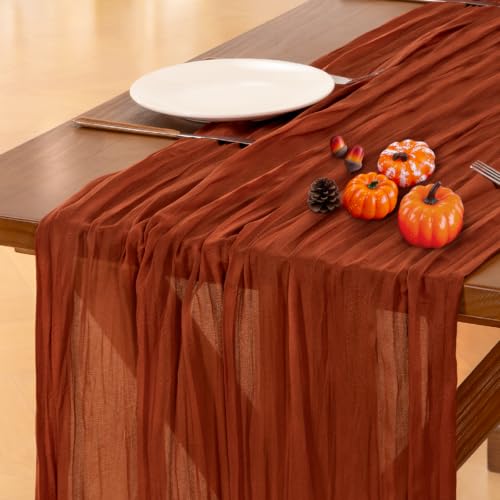
Fall Table Runner Terracotta Cheesecloth Boho Wedding Thanksgiving Decor | Friendsgiving Rustic Gauze 10FT Cheese Cloth 120 Inch Farmhouse Dining Runner for Baby Shower Holiday Party Home Decorations
Check price on Amazon