
Formal Dining Table Decoration Ideas: An Elegant Styling Guide
Learn how to layer centerpieces, linens, lighting, and place settings to create a refined formal dining table that feels intentional, balanced, and welcoming for special occasions.
Why formal tablescapes still matter: A formally decorated dining table signals care and occasion. It does not require elaborate or costly pieces; it requires proportion, restraint, and a clear visual hierarchy. Whether you are hosting a holiday dinner, an anniversary, or a milestone celebration, the principles below help you build a composed table that supports conversation and serves the meal without clutter.
Recommended Formal Dining Table Decor & Essentials
⚠️ AFFILIATE DISCLOSURE: This website contains affiliate links. As an affiliate Associate, we earn from qualifying purchases. If you make a purchase through these links, we may receive a small commission at no additional cost to you. Read our full affiliate policy.

Mkono Mason Jar Lights Centerpieces for Tables Dining Room Christmas Decor | Wood Tray Peonies Artificial Flowers Champagne, Warm Glow, Coffee Table Thanksgiving Decoration Kitchen Living Room
Check price on Amazon
Seraphic Dining Table Centerpiece Decor, Tealight Candle Holder, Clear | Votive Candle Holders, Wrought Iron 5 Cup Candelabra, Long Modern Coffee Console Decor, Black Finish, Clear Cups, 17in Long
Check price on Amazon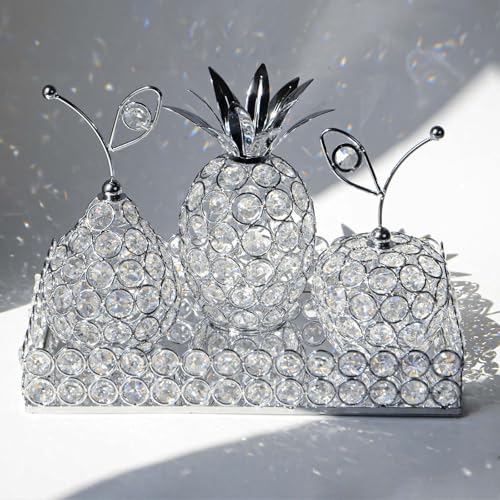
Elegant Decorative Trays & Crystal Fruit 4-Piece Set, Crystal Tea Light Holder - Wedding Centerpieces for Holidays, Home Table Decorations, Fruit Displays and Candle Holders (Silver, Set of Four)
Check price on Amazon
Dahey Fake Eucalyptus Plants Farmhouse Table Centerpieces for Dining Room | Set of 3 Galvanized Pots, Brown Wood Tray, For Bathroom Coffee Kitchen Entryway Living Room Decor, No Maintenance Required
Check price on Amazon
3 Pcs Mason Jar Table Centerpieces for Dining Room with Wood Tray&Led Light | Coffee Table Decor, Dining Table Decor, Fall Table Centerpieces for Dining Room Kitchen Living Room, White
Check price on Amazon
Mkono Mason Jar Lights Centerpieces for Tables Dining Room Christmas Decor | Wood Tray, 5 Jars, Peonies Artificial Flowers, Warm Glow, Coffee Table Decoration Kitchen Living Room Wedding Indoor Outdoor
Check price on Amazon
Rustic Wooden Tray with 8 Brown Glass Votive Candle Holders | Decorative Tea Light Holder Set for Mantel, Centerpiece, Dining Table Centerpiece Set, and Home Decor(Set of 8 Pieces)
Check price on AmazonThe Foundation: Start With the Right Base
Formal decoration begins beneath the plates. The base layer sets the tone and protects the table surface. For a formal look, choose a foundation that reads as deliberate rather than casual. A full-length tablecloth in a classic white, ivory, or deep neutral establishes a ceremonial backdrop. If you prefer to show the tabletop, a broad table runner running the length of the table can frame the setting while leaving the wood visible.
Fabric selection matters. Crisp linen or a cotton-linen blend offers a refined drape and a subtle texture that photographs well and feels appropriate for formal dining. Heavier fabrics suit cooler months, while lighter weaves are more comfortable in warm weather. If your table surface is a feature material such as marble or a modern round walnut dining table, a runner or placemat-based foundation can keep the surface visible while still signaling formality.
For tables that are used formally and casually, consider a layered approach: a full cloth for formal occasions and a runner with placemats for everyday meals. Browse table cloth options for a dining room table to compare fabric weights and finishes before committing to a formal set.
Proportion tip: A tablecloth should drape evenly on all sides. Measure the table length and width, then add your desired drop to both dimensions. Uneven drops are the most common formal tablescape mistake and instantly read as improvised.
Formal Centerpiece Ideas: Proportion and Restraint
The centerpiece is the visual anchor of a formal table, but it should never obstruct conversation. The guiding rule is height: keep the arrangement below eye level for seated guests, or use a tall, slender design that leaves sightlines open. Explore more formal dining table centerpiece ideas for season-specific arrangements.
Low-Profile Centerpiece Approaches
- Floral cluster in a low vessel: A tight, compact arrangement in a shallow bowl or low urn feels tailored and intentional.
- Branch and greenery runner: Layered eucalyptus or olive branches with a few statement blooms create length without height.
- Candle trio with minimal greenery: Three candles of varying heights in matching holders, ringed by a subtle greenery base.
- Fruit and foliage composition: Pears, figs, or pomegranates with magnolia leaves in a shallow tray add color and seasonal character.
- Sculptural single element: A ceramic vessel, a small urn, or a stone object can carry a formal table with minimal effort.
Tall Centerpieces for Grand Tables
On larger tables, a tall arrangement with a narrow base can add drama while preserving sightlines. Use a pedestal vase or a tall candelabra, and keep the lower portion sparse so guests can see across the table. Tall centerpieces suit long eight-seater dining tables especially well, where a single low arrangement can feel lost.
Symmetry vs. asymmetry: Formal tables often benefit from symmetry. A centered arrangement flanked by matching candlesticks reads as composed. If your room is asymmetrical or your table is a round shape, a single centered focal point can achieve the same formal effect.
Place Settings: Layering the Formal Look
Formal place settings are built in layers. Each layer adds function and visual refinement. The exact number of pieces depends on the meal, but the core sequence is consistent.
Layer 1: Charger or Base Plate
A charger anchors the setting and adds formality without cluttering. Choose a charger in a metallic, woven, or contrasting finish to frame the dinner plate. Chargers also protect the cloth and define each guest's space.
Layer 2: Dinner Plate and Accents
The dinner plate sits centered on the charger. For multi-course meals, stack a salad plate or soup bowl on top. Keep the stack flat and centered; a crooked stack undermines the formal impression.
Layer 3: Flatware and Glassware
Forks to the left, knives and spoons to the right. Glassware sits above and to the right of the plate. Use only the pieces needed for the meal to avoid a crowded setting.
Layer 4: Napkin and Final Touch
A folded napkin can sit on the plate, to the left, or in a napkin ring. A simple fold in a substantial linen napkin reads more formal than an elaborate origami fold. Add a place card for seated dinners.
If your table has a distinctive surface or finish you want to preserve, placemats or chargers can help. For tables that pair dark tops with metal accents, see black dining tables with gold legs for styling considerations. And if you are setting a round table, a round glass dining table and chairs set can support a radial place-setting layout that feels balanced from every seat.
Linens, Runners, and Textural Contrast
Textiles add warmth and softness to a formal table. Beyond the tablecloth, napkins, runners, and placemats introduce texture and color. Formal tables typically benefit from restraint: choose one or two textures and let the centerpiece carry the color story.
- Napkins: Linen or heavy cotton in a color that complements the centerpiece. Fold simply and press well.
- Runners: A runner can unify a long table and provide a base for the centerpiece. See options for a dining table runner that suits formal and everyday use.
- Placemats: Woven or metallic placemats add formality without a full cloth. They also protect the table from heat and moisture.
- Protection: Heat and moisture are the enemies of formal table surfaces. Use dining table hot pads under serving dishes and a clear plastic sheet for the dining table when children or heavy use are part of the occasion.
Lighting and Ambience for Formal Dining
Lighting shapes how a formal table feels. Overhead lighting should be dimmable and centered on the table; warm, diffused light flatters both food and guests. Candles are the classic formal accent, but they should be used with intention.
- Candle placement: Group candles in odd numbers, vary heights, and keep flames below eye level for seated guests.
- Chandelier or pendant: Center the fixture above the table and use a dimmer. Avoid harsh downlight that creates shadows on plates.
- Accent lighting: Low-voltage LED candles or a soft table lamp on a sideboard can extend the ambience beyond the table.
For tables in smaller or transitional spaces, the same principles apply but scale down. A small dining table set for 4 can still be formal with a restrained centerpiece and candle pair. If your formal table doubles as a workspace or family table, choose lighting that can shift from task to ambience.
Seasonal and Occasion-Based Formal Decor
Formal decoration can adapt to the season and occasion without changing the core structure. The foundation, centerpiece, place settings, and lighting remain; the materials and palette shift.
| Occasion | Centerpiece Direction | Palette and Texture |
|---|---|---|
| Holiday dinner | Evergreen branches, berries, low candles | Deep green, burgundy, brass accents |
| Anniversary | Blush or white florals in a low vessel | Ivory, blush, soft metallic |
| Spring celebration | Tulips or branches in a clear glass vessel | Fresh green, white, pale yellow |
| Autumn gathering | Squash, pears, magnolia leaves | Rust, amber, deep brown |
| Formal dinner party | Sculptural single element or candle trio | White, black, metallic accents |
For rustic-leaning formal events, a rustic dining room table decor approach can blend natural textures with formal structure. For table styles with retro character, retro round dining table and chairs pair well with mid-century centerpieces and warm metallic accents.
Common Mistakes in Formal Table Decoration
- Overcrowding the centerpiece: Too many objects compete for attention and block conversation.
- Ignoring scale: A tiny centerpiece on a large table looks lost; an oversized arrangement on a small table feels cramped.
- Mixing too many colors: Formal tables benefit from a restrained palette; let one or two colors carry the look.
- Neglecting the sightline: Tall arrangements that block seated guests undermine the social purpose of the table.
- Skipping the base layer: A formal table without a cloth, runner, or placemats can look unfinished, regardless of the centerpiece.
If you are designing a formal table in a compact space, scale every layer accordingly. A small round dining table for 4 can host a formal setting with a compact centerpiece and two candles rather than a full three-piece arrangement. Similarly, small white dining table for two setups benefit from a single low arrangement and simple place settings.
Formal Dining Table Decoration Checklist
- Choose a foundation: full tablecloth, runner, or placemats
- Select a centerpiece proportionate to the table and below eye level (or tall and slender)
- Layer place settings with charger, plate, flatware, and glassware
- Add napkins and optional place cards
- Introduce lighting: candles, dimmable overhead, or both
- Use heat and moisture protection under serving dishes
- Edit: remove one element if the table feels crowded
- Check sightlines from every seat
Frequently Asked Questions
What is the most important element of a formal dining table decoration?
The centerpiece is the visual anchor. A proportionate, low-profile arrangement keeps conversation open while establishing the formal tone. Height matters: aim for a centerpiece that sits below eye level for seated guests.
How do I choose a formal tablecloth for my dining table?
Select a tablecloth sized to drape evenly on all sides, with a fabric weight appropriate for the season. A classic white or ivory linen is a versatile formal foundation, while deeper tones and textured weaves can add seasonal character.
Can a formal dining table be decorated for everyday use?
Yes. Scale back the arrangement to a simple centerpiece, use placemats instead of a full cloth, and keep the palette restrained. The formal foundation can be layered with relaxed accents for daily dining.
How many decorative elements should a formal dining table have?
A balanced formal tablescape typically layers three to five elements: a foundation (cloth or runner), a centerpiece, place settings, lighting accents, and optional chargers or napkin treatments. Avoid overcrowding so each element reads clearly.
What lighting works best for a formal dining table?
A dimmable chandelier or pendant centered above the table provides ambient light, supplemented by candles or low-voltage accents. Aim for warm, diffused light that flatters faces and table settings without glare.
Bringing It Together
Formal dining table decoration is less about acquiring more pieces and more about arranging the right ones with intention. Start with a clean foundation, anchor the table with a proportionate centerpiece, layer place settings with care, and finish with lighting that supports conversation. Whether your table is a Scandinavian design dining table set, a modern white dining table set for 4, or a glass and chrome round dining table, the same principles apply. Edit ruthlessly, check sightlines from every seat, and let the table serve the people around it. That is the essence of formal dining done well.
Explore more: Continue with our guides on formal dining table centerpiece ideas, dining table runners, and rustic dining room table decor to refine your formal tablescape further.