
Dining Table Leg Protectors: Complete Buying Guide
Discover how the right leg protectors can safeguard your floors, reduce noise, and extend the life of your dining table. Our comprehensive guide covers materials, sizing, installation, and maintenance.
Explore MaterialsIn This Guide
Why Dining Table Leg Protectors Matter
Dining tables endure constant movement — chairs sliding in and out, accidental bumps, and the subtle shifts that happen during daily meals. Without proper protection, table legs can scratch hardwood, scuff tile, and leave permanent marks on laminate flooring. Dining table leg protectors are small, inexpensive accessories that deliver outsized benefits for any dining space.
Beyond floor protection, leg protectors serve several practical purposes:
- Noise reduction: Felt or rubber pads absorb the harsh scraping sound that metal or wood legs make on hard floors.
- Furniture longevity: Protectors prevent the table legs themselves from splintering, chipping, or absorbing moisture from the floor.
- Floor preservation: A single unprotected leg can create deep gouges in hardwood that require professional refinishing. Protectors act as a sacrificial barrier.
- Stability: Quality caps grip the floor, reducing wobble and keeping the table steady during use.
- Easier movement: Felt glides let you reposition the table without lifting, which is especially helpful for extendable models or when rearranging the room.
If you have recently refinished your dining table top or installed new flooring, protecting the legs becomes even more important. Our guide on refinishing a dining table top pairs well with choosing the right leg protection for a complete restoration.
Quick Tip: Even brand-new tables benefit from leg protectors. Factory-finished legs can still leave marks, and protectors from day one prevent the inevitable wear that comes from daily use.
Material Types Compared
The material of your leg protectors determines how well they perform on your specific floor type. Here is a comparison of the most common options:
| Material | Best For | Key Benefits | Limitations |
|---|---|---|---|
| Felt Pads | Hardwood, laminate, tile, vinyl | Smooth gliding, excellent scratch protection, quiet operation, self-adhesive options available | Can collect debris; may compress over time; less effective on carpets |
| Silicone Caps | All hard floors, outdoor surfaces | Durable, easy to clean, secure grip, won't dry out or crack, stretch to fit | May leave marks on delicate surfaces if grit gets trapped; firmer feel than felt |
| Rubber Protectors | Tile, concrete, garage floors | Excellent grip, prevents slipping, durable construction, weather-resistant | Can stain light-colored floors over time; less smooth glide than felt |
| Nylon Glides | Carpet, rugs, high-pile flooring | Allows furniture to glide over carpet fibers; durable; low profile | Not suitable for hard floors — can scratch; less cushioning |
| Combination Pads | Multi-surface homes | Felt top with rubber or silicone base; versatile; often reversible | Higher initial investment; may be bulkier than single-material options |
Felt Pads: The Classic Choice
Felt pads remain the most popular option for hardwood and laminate floors. They are available in adhesive-backed sheets, pre-cut circles, and heavy-duty versions with reinforced backing. High-grade felt pads glide smoothly and are gentle on delicate finishes. For dining tables that see frequent movement — such as an extendable outdoor teak dining table that gets repositioned — felt pads make the process effortless.
Look for felt pads with a strong adhesive backing and a dense, compressed felt core. Thicker pads (typically 3/16 to 1/4 inch) offer better cushioning and longevity. Some premium felt pads feature a silicone or rubber base layer for added grip on smooth surfaces.
Silicone Caps: The Modern Alternative
Silicone caps slip over the bottom of table legs like a sock, providing a secure, uniform fit without adhesives. They are ideal for tables with round legs and are available in various diameters. Silicone is naturally resistant to moisture, UV light, and temperature changes, making it a good choice for dining tables in sunrooms or near windows. For a small white dining table and chairs, clear or white silicone caps blend in seamlessly.
One advantage of silicone caps is that they are removable and washable. If they accumulate dust or grit, simply slip them off and rinse. This makes them a low-maintenance option for busy households.
Rubber Protectors: Heavy-Duty Grip
Rubber protectors excel on tile and concrete, where grip is more important than glide. They are less likely to slide out of position and can handle heavier tables without compressing. However, rubber can leave dark marks on light-colored flooring over time, so they are best reserved for darker or more forgiving surfaces. A black metal dining table and chairs set on tile flooring would pair well with rubber protectors.
Nylon Glides: For Carpeted Dining Areas
If your dining table sits on carpet or a large area rug, nylon glides are the appropriate choice. Felt pads can drag and bunch on carpet fibers, while nylon glides allow smooth movement. Our guide on dining table rug placement can help you plan the layout, and nylon glides will keep the table easy to adjust.
How to Choose the Right Size
Proper sizing ensures a secure fit and maximum protection. Follow these steps:
- Measure the leg base: Use a ruler or caliper to measure the diameter of round legs or the width of square/rectangular legs at the very bottom.
- Match or slightly exceed: Choose protectors that match the measurement exactly or are 1–2 mm larger. Caps that are too small will split or slip off; those that are too large will wobble.
- Consider leg shape: Round legs need round caps; square legs need square caps. Some silicone caps are designed to stretch over slightly tapered legs for a snug fit.
- Account for leg material: Metal legs may need slightly larger caps to accommodate welds or seams at the base. Wood legs can accept adhesive felt pads cut to size.
Pro Tip: When in doubt, buy an assortment pack with multiple sizes. It is better to have a few extra protectors than to force a poor fit. Many multi-size packs include both round and square options.
For tables with unusual leg profiles — such as a tree stump dining table base or a replacement dining table base — custom-cut felt pads or adjustable silicone caps may be necessary. Measure carefully and consider adhesive felt sheets that can be trimmed to fit irregular shapes.
Matching Protectors to Floor Types
The right protector depends on what is beneath your table. Here is a floor-by-floor breakdown:
Hardwood and Engineered Wood
Felt pads are the gold standard for wood floors. They glide without scratching and provide a soft barrier against grit. Avoid rubber or hard plastic protectors, which can trap abrasive particles and grind them into the finish. If you have a small oak drop leaf dining table on hardwood, felt pads will preserve both the floor and the table's finish.
Laminate and Vinyl
Laminate and luxury vinyl plank (LVP) are more scratch-resistant than hardwood but still vulnerable to gouges from heavy furniture. Felt pads work well, as do silicone caps. Avoid rubber protectors that may react with vinyl over time. A modern white dining table set for 4 on laminate flooring would benefit from clear silicone caps that blend in.
Tile and Stone
Tile and stone are hard and durable but can crack under concentrated pressure. Silicone or rubber protectors provide cushioning and grip. Felt pads can also work but may slide too easily on polished tile. For a glass and chrome round dining table on tile, silicone caps offer a secure, non-slip base.
Carpet and Rugs
Nylon glides are the best choice for carpeted dining areas. They allow the table to move without dragging and prevent the legs from snagging fibers. If you use a table cloth for dining room table to protect the surface, pair it with nylon glides underneath for complete protection.
Installation Tips for a Secure Fit
Proper installation ensures your protectors stay in place and perform as intended:
- Clean the leg base: Wipe away dust, grease, and debris with a damp cloth. Let dry completely before applying adhesive pads or caps.
- For adhesive felt pads: Peel and press firmly for 30 seconds. Avoid moving the table for 24 hours to allow the adhesive to cure fully.
- For silicone caps: If the fit is tight, warm the cap in warm water to make it more pliable. Slip it over the leg and press down firmly to remove air pockets.
- For rubber protectors: Ensure the leg base is dry and free of oil. Some rubber protectors have a friction-fit design; others require adhesive.
- Check level: After installation, place a level on the table surface. If the table wobbles, one protector may be thicker than the others. Adjust or replace as needed.
If your table has a dining table frame with adjustable feet, you may need to remove the existing glides before installing new protectors. Consult your table's assembly instructions or our guide on dining table setup for guidance.
Maintenance and Replacement
Leg protectors are not permanent fixtures. Regular inspection and timely replacement keep your floors and table in good condition:
- Inspect quarterly: Check for compressed felt, cracked silicone, or worn rubber. Replace any protector that has lost its cushioning or grip.
- Clean regularly: Wipe felt pads with a dry cloth to remove dust. Rinse silicone caps with water and mild soap; dry thoroughly before reinstalling.
- Rotate if possible: Some protectors can be rotated between legs to distribute wear evenly.
- Replace in sets: When one protector wears out, replace all of them to maintain even height and stability.
- Store spares: Keep a few extra protectors on hand for quick swaps. This is especially useful for folding dining tables on wheels that may see more movement than stationary tables.
For tables in high-traffic areas, such as a small kitchen dining table used daily, expect to replace felt pads annually. Silicone caps generally last longer but should still be inspected regularly.
Buying Checklist
Before purchasing dining table leg protectors, run through this checklist:
- ☐ Measured the diameter or width of all table legs
- ☐ Identified the floor type under the table
- ☐ Chosen a protector material suited to the floor
- ☐ Confirmed the protector is the correct shape (round, square, or custom)
- ☐ Selected a pack size with spares for future replacement
- ☐ Checked whether adhesive or slip-on installation is preferred
- ☐ Considered whether the table needs to glide or stay firmly in place
- ☐ Verified that the protector is compatible with the table's leg finish
Recommended Dining Table Leg Protectors
⚠️ AFFILIATE DISCLOSURE: This website contains affiliate links. As an affiliate Associate, we earn from qualifying purchases. If you make a purchase through these links, we may receive a small commission at no additional cost to you. Read our full affiliate policy.

Ansible 24 Pcs Chair Leg Floor Protectors Square | Silicone Felt Furniture Leg Pads Caps Covers for Hardwood Floors (Fit:1-1/16" to 1-1/2")
Check price on Amazon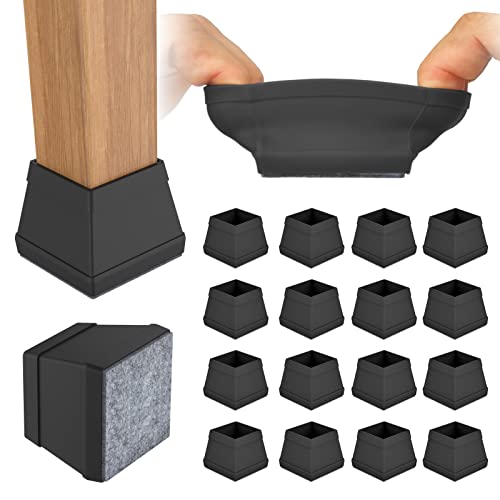
16 PCS Square Chair Leg Floor Protector, 1 1/2 in Black. | Silicone Chair Leg Cover, Furniture Leg Protectors with Felt, Mobile Table Leg pad, Protect The Floor from Scratches.
Check price on Amazon
Non Slip Furniture Pads for Hardwood Floors -Yelanon Furniture Grippers | 56pcs(1+2)” Furniture Couch Stoppers to Prevent Sliding ,Anti Slip Rubber Feet, Floor Protectors for Furniture Bed Chair leg
Check price on Amazon
24 Pcs Chair Leg Floor Protectors for Hardwood Floors Square | Silicone Covers to Protect Wood Tile Floors Felt Pads Furniture Leg Caps Anti-Scratch Reduce Noise (Fit:1-1/16" to 1-5/8")
Check price on Amazon
Square Chair Leg Protectors for Hardwood Floors,16 Pcs | Silicone Felt Furniture Legs Caps to Prevent Floor from Scratches and Reduce Noise, Easy to Move,1.26-1.57",Clear.
Check price on Amazon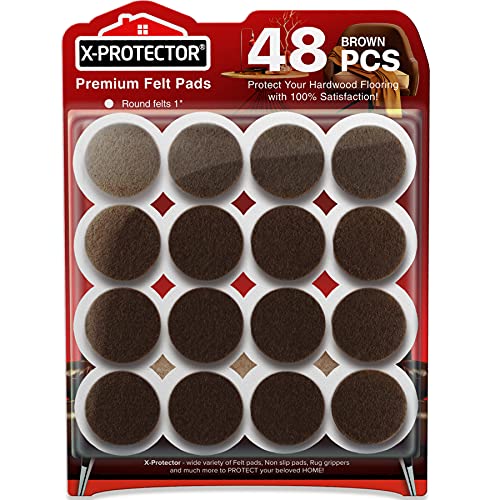
Felt Furniture Pads X-Protector - 48 PCS 1" - Premium Felt Pads (Brown) | Furniture Feet Wood Floors Protectors - Prevent Scratches, Annoying Noise & Protect Your Hard Surfaces!
Check price on Amazon
VIUME 24 Pcs Chair Leg Floor Protectors for Hardwood Floors Round | Silicone Covers Felt Pads Furniture Leg Caps Anti-Scratch Reduce Noise Fit (1-5/16" to 2")
Check price on Amazon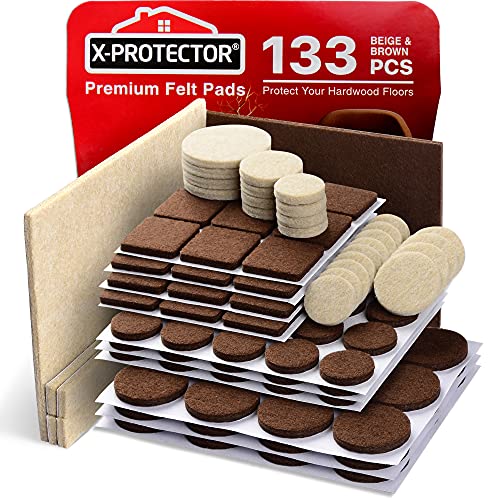
Felt Furniture Pads X-PROTECTOR 133 PCS Premium Furniture Pads - Felt Pads | Furniture Feet Wood Floor Protectors - Protect Your Hardwood & Laminate Flooring! Brown and Beige
Check price on AmazonFrequently Asked Questions
What are the best materials for dining table leg protectors?
Felt pads are ideal for hardwood and tile floors, offering smooth gliding and scratch protection. Silicone caps work well on all hard surfaces and provide a secure grip. Rubber protectors are best for preventing slipping on hard floors, while nylon glides suit carpets and rugs.
How do I choose the right size for my table leg protectors?
Measure the diameter or width of your table legs at the base. Choose protectors that match or slightly exceed this measurement for a snug fit. For square legs, measure the width and select square or adjustable caps.
How often should I replace dining table leg protectors?
Inspect protectors every few months. Replace them when they show visible wear, become compressed, lose grip, or accumulate debris. Felt pads typically last longer than rubber caps, but high-traffic tables may need replacement annually.
Can leg protectors prevent my dining table from wobbling?
Yes. If the wobble is caused by uneven leg height or missing glides, protectors can restore stability. However, if the table has structural damage, you may need to address that first. Our guide on fixing a wobbly dining table covers common solutions.
Are silicone caps better than felt pads?
It depends on your floor and needs. Silicone caps are more durable, washable, and secure on smooth surfaces. Felt pads provide smoother glide and are gentler on delicate hardwood. Many households use both — felt for hardwood and silicone for tile or laminate.
Do leg protectors work on outdoor dining tables?
Yes, but choose weather-resistant materials. Silicone and rubber protectors hold up well outdoors, while felt pads may absorb moisture and degrade. For an outdoor dining table with glass top, silicone caps are a reliable choice.
Proper floor protection is one part of a complete dining table care routine. For more information on protecting and maintaining your furniture, explore our dining table care and maintenance hub and our guide on routine upkeep.