
Small Side Table for Dining Room: The Complete Buyer's Guide
Discover how a well-chosen small side table can add storage, display space, and visual balance to your dining room without crowding the layout. Learn sizing rules, material choices, placement strategies, and styling tips before you buy.
Explore Top PicksWhy a small side table belongs in your dining room: The dining table is the centerpiece, but the space around it often goes underused. A compact side table fills that gap, giving you a landing spot for serving pieces, candles, napkins, or a table lamp, while adding a layer of design that makes the whole room feel intentional and complete. This guide walks you through everything you need to choose the right one with confidence.
What Is a Small Side Table for a Dining Room?
A small side table for a dining room is a compact accent piece placed beside or near the main dining table, typically against a wall, next to a buffet, or in a corner. Unlike a full-size console or buffet, it occupies minimal floor space, usually measuring between 14 and 24 inches in width and 18 to 28 inches in height. Its purpose is to provide a convenient surface for serving dishes, décor, or lighting while complementing the existing dining furniture.
Because dining rooms are often shared with living areas or kitchens in open-plan homes, a side table also helps define the dining zone without building walls. It acts as a visual anchor that separates the dining space from adjacent areas while keeping the room feeling open and breathable.
Why Add a Side Table to Your Dining Room?
Before choosing a specific model, it helps to understand the practical and aesthetic benefits. A well-placed side table can:
- Add serving and storage space for dishes, napkins, bottles, and serving trays during meals and gatherings.
- Support lighting by holding a table lamp or candle arrangement that creates warm ambient light for evening dinners. Pairing a side table with dining room lighting ideas can dramatically improve the mood of the room.
- Display décor such as vases, framed photos, or seasonal centerpieces that would otherwise clutter the main table. For more inspiration, see small dining table centerpiece ideas.
- Balance the room visually by filling empty corners or anchoring a bare wall.
- Improve function in compact spaces where a full buffet or console is not feasible. If your dining area is tight, consider pairing a side table with space-saving dining solutions.
Key Sizing Rules Before You Buy
Getting the size right is the single most important decision. A side table that is too large will crowd the room, while one that is too small will look lost and fail to serve its purpose.
Height Guidelines
As a general rule, the top of a dining room side table should sit slightly below or level with the dining table surface. Most dining tables are 28 to 30 inches high, so a side table between 18 and 28 inches works well for serving and display. If the side table is primarily for a lamp or décor, a taller model up to 30 inches is acceptable, provided it does not block sightlines across the room.
Width and Depth Guidelines
Keep the footprint compact. A width of 14 to 24 inches and a depth of 12 to 18 inches is usually enough for a dining room side table. Measure the walkway clearance around your dining table first: you need at least 36 inches between the table edge and any wall or furniture so chairs can slide out comfortably. If your space is tighter, explore narrow dining solutions that pair well with slim side tables.
Placement Clearance
Beyond the table itself, account for door swings, cabinet openings, and traffic paths. A side table placed in a high-traffic corridor should have a rounded or softened edge to reduce the risk of bumps. If you are working with a very compact room, a small two-seater dining table paired with a slim side table can create a functional, balanced layout.
Materials: What Works Best in a Dining Room?
Dining rooms see spills, heat, and daily use, so material durability matters. Here is how the most common options compare.
| Material | Best For | Durability Tier | Care Notes |
|---|---|---|---|
| Solid Wood | Traditional, farmhouse, transitional interiors | Mid-range to premium | Wipe with a damp cloth; re-oil or wax periodically |
| Metal (steel, iron, aluminum) | Industrial, modern, minimalist spaces | Essential to mid-tier | Dust regularly; check for rust on outdoor-grade pieces |
| Glass Top | Contemporary and small rooms | Mid-range | Use glass cleaner; avoid abrasive pads |
| Marble or Stone | Luxury and formal dining rooms | Premium to luxury | Seal periodically; wipe spills promptly |
| Engineered Wood / Veneer | Starter and mid-tier budgets | Entry-level to mid-range | Avoid standing water; use coasters |
If your dining room already features a strong material statement, such as a marble dining table or a white oak modern dining table, choose a side table that either matches the material or provides a deliberate contrast. Mixing wood tones works best when one tone dominates and the other supports it.
Styles That Suit Different Dining Rooms
The right style depends on the overall design language of your dining space. Consider these common directions:
- Modern and minimalist: Look for clean lines, thin metal legs, and a single material finish. A modern dining table style pairs naturally with a sleek side table in matte black or white.
- Rustic and farmhouse: Choose distressed wood, visible grain, and simple silhouettes. A rustic drop-leaf dining table often benefits from a matching wood side table.
- Vintage and antique: A small antique dining table pairs well with a side table that has turned legs or a weathered finish.
- Industrial: Metal frames with wood tops, exposed rivets, and dark finishes complement an industrial dining setup.
- Scandinavian: Light woods, tapered legs, and functional simplicity. A natural teak dining table is a natural partner for a light oak or ash side table.
Placement Strategies for Every Dining Room Layout
Where you place the side table matters as much as what you choose. Here are proven placement strategies:
1. Beside the Buffet or Console
If you already have a buffet or console against the wall, a small side table at one end extends the serving surface and creates a layered, collected look. This works especially well in longer dining rooms where the wall feels empty.
2. In an Empty Corner
Corners are often wasted space in dining rooms. A corner side table with a lamp and a small plant fills the void and adds warmth. This is a smart solution for rooms with small dining bistro tables where floor space is limited.
3. Between Windows
A narrow side table between two windows can hold a lamp, a vase, or a small sculpture without blocking natural light. Keep the table height below the window sill for a clean look.
4. At the End of the Dining Table
In a large dining room, a side table placed at one end of the dining table can serve as a staging area for dishes or a focal point. Ensure it does not interfere with chair movement, especially if you have a six-foot glass dining table with chairs at both ends.
5. Near the Entryway to the Dining Room
A side table just inside the dining room entrance acts as a transition piece. It can hold a tray for keys or mail in open-plan homes, or serve as a spot for a decorative object that welcomes guests.
How to Style a Small Side Table in a Dining Room
Styling a side table is about balance and restraint. Because the surface is small, every object should earn its place. Follow these principles:
- Use a tray: A tray corrals small items like candles, salt and pepper shakers, or a small vase, keeping the surface visually tidy.
- Layer heights: Combine a tall object (lamp or vase) with a medium object (stack of books or a bowl) and a small object (candle or figurine) for visual interest.
- Keep it functional: If the side table is used during meals, leave at least half the surface clear for serving.
- Seasonal refresh: Rotate décor with the seasons. A small side table is an easy place to add a holiday touch without redoing the whole room. Browse dining table decoration items for ideas.
- Lighting matters: A small table lamp on a side table creates a cozy glow. Choose a lamp with a shade that diffuses light softly. For more options, see dining room lighting for round tables.
Common Mistakes to Avoid
- Buying before measuring: Always measure the available floor space and walkway clearance before ordering.
- Choosing a table that is too tall: A side table that towers over the dining table looks out of proportion and blocks sightlines.
- Overloading the surface: A small table can quickly become cluttered. Keep décor minimal and functional.
- Ignoring the material context: A glass side table next to a heavy wood dining table can feel mismatched unless the contrast is intentional.
- Forgetting about chair clearance: If the side table sits too close to the dining table, chairs will bump it every time someone sits down.
Small Side Table vs. Other Dining Room Storage Options
Understanding how a side table compares to other storage and surface options helps you choose the right solution for your space.
| Option | Footprint | Best For | Trade-Off |
|---|---|---|---|
| Small Side Table | Compact (14–24 in wide) | Tight spaces, corners, layering with existing furniture | Limited surface and storage |
| Console Table | Medium (30–60 in wide) | Entryways, long walls, layered serving surfaces | Needs more wall space |
| Buffet / Sideboard | Large (48–72 in wide) | Formal dining rooms with ample space | Dominates the room; requires clearance |
| Bar Cart | Compact to medium | Flexible serving and storage; movable | Open storage; less surface stability |
For many homes, a small side table is the most versatile choice because it can be moved, layered, and repurposed as needs change. If you have a wall dining table or a wall-mounted dining table for two, a side table can complete the setup without adding bulk.
Budget Tiers: What to Expect at Each Level
Dining room side tables are available across a wide range of tiers. Here is a neutral overview of what each tier typically offers, without specific figures.
Entry-Level Tier
Entry-level side tables are usually made from engineered wood, veneer, or lightweight metal. They are a solid choice for renters, temporary setups, or secondary spaces. Expect simpler joinery and fewer finish options, but many entry-level pieces are well-specified for their class and can serve reliably for years with proper care.
Mid-Range Tier
Mid-range side tables often use solid wood legs, better hardware, and more refined finishes. This tier is the sweet spot for most dining rooms, offering durable construction and design flexibility. You will find a wider range of styles, including transitional and contemporary silhouettes, and materials like glass and mixed media.
Premium and Luxury Tiers
Premium and luxury side tables use high-grade materials such as solid hardwood, marble tops, and hand-finished metals. They often feature superior joinery, thoughtful details, and designs that can become heirloom pieces. For a formal dining room with a vintage teak dining table or a travertine rectangular dining table, a premium side table can elevate the entire composition.
Matching the Side Table to Your Dining Table
Your side table should feel like it belongs in the same room as your dining table, even if it is not a matching set. Consider these pairing principles:
- Match the wood tone family: A warm oak dining table pairs naturally with a warm oak or walnut side table. A vintage round oak dining table works well with a distressed wood side table.
- Echo the leg style: If your dining table has tapered legs, choose a side table with similar proportions. If it has a pedestal base, a side table with a sculptural base can create continuity.
- Repeat a finish: If your dining table has a matte finish, a matte side table keeps the room cohesive. A glossy side table next to a matte dining table can feel disjointed unless the contrast is deliberate.
- Consider scale: A large dining table, such as an eight-person glass dining table, can handle a slightly larger side table. A small two-seater dining table needs a proportionally smaller side table.
Care and Maintenance for Dining Room Side Tables
Keeping your side table in good condition is straightforward if you match the care routine to the material.
- Wood: Dust weekly with a soft cloth. Use coasters under drinks and wipe spills immediately. Re-oil or wax every six to twelve months depending on use. For deeper guidance, see our wood dining table wax and polish guide.
- Metal: Wipe with a damp cloth and dry immediately. Check for rust on outdoor-grade pieces, especially if the side table is near a window or door.
- Glass: Use a glass cleaner and a microfiber cloth. Avoid abrasive pads that can scratch the surface.
- Marble and stone: Seal the surface periodically and wipe spills promptly to prevent staining. Our marble dining table sealing guide covers the process in detail.
Frequently Asked Questions
What size should a small side table be for a dining room?
A dining room side table typically works best between 18 and 28 inches in height and 14 to 24 inches in width. It should sit slightly lower than or level with your dining table surface and fit comfortably in the surrounding walkway without obstructing traffic flow.
What is the best material for a dining room side table?
Solid wood, metal, and stone-topped side tables are the most durable choices for dining rooms. Wood suits traditional and transitional interiors, metal works well for industrial and modern styles, and stone or marble tops offer a premium, easy-to-clean surface for serving and display.
Where should I place a side table in a dining room?
Place a side table against a wall, beside a buffet or console, near a window, or at the end of the dining table. Keep at least 36 inches of clearance around the dining table so chairs can slide out without hitting the side table.
Can a side table replace a buffet in a small dining room?
Yes. In a compact dining room, a small side table can provide essential serving and display space without the footprint of a full buffet. Pair it with a slim console or a wall shelf for additional storage if needed.
How do I keep a side table from looking cluttered?
Use a tray to group small items, limit the number of objects to three or four, and choose pieces with visual weight that balance the size of the table. Leave at least half the surface clear if the table is used during meals.
Should the side table match the dining table exactly?
Not necessarily. Matching materials or wood tones creates cohesion, but a deliberate contrast, such as a metal side table beside a wood dining table, can add visual interest. The key is to ensure the scale and style feel intentional together.
Final Checklist Before You Buy
Use this checklist to confirm you have covered every decision:
- Measured the available floor space and walkway clearance.
- Confirmed the side table height relative to the dining table surface.
- Selected a material that suits the room's style and durability needs.
- Chosen a finish that complements the dining table and surrounding furniture.
- Planned a specific placement spot and verified it does not block doors or chairs.
- Decided on the primary function: serving, display, lighting, or a mix.
- Checked the care requirements and confirmed you can maintain the material.
- Reviewed the return policy and warranty before ordering.
With these steps complete, you are ready to choose a small side table that adds function and style to your dining room for years to come.
Recommended Small Side Tables for Dining Rooms
⚠️ AFFILIATE DISCLOSURE: This website contains affiliate links. As an affiliate Associate, we earn from qualifying purchases. If you make a purchase through these links, we may receive a small commission at no additional cost to you. Read our full affiliate policy.

Simple Trending Round Side Table, 2 Tiers End Table for Living Room with Storage Shelf, Slim Sofa Table Set of 2, Rustic Brown
Check price on Amazon
RISWER Round Small End Table - 3 Tier Oval Accent Table for Small Spaces, Rustic Wood and Metal Couch Side Table, Nightstand for Bedroom or End Table Living Room, Easy to Assemble, Rustic Brown
Check price on Amazon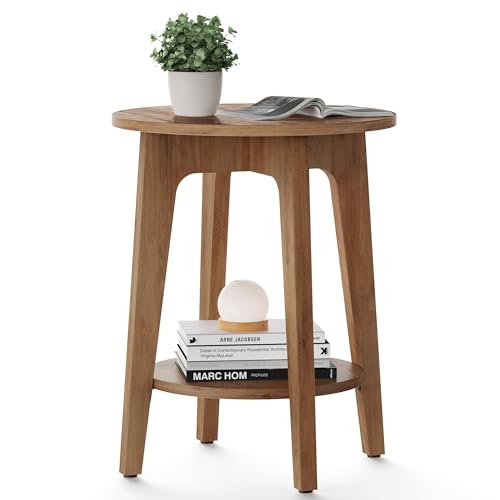
VASAGLE Round Side Table with Lower Shelf, End Table for Small Spaces | Nightstand with Tapered Legs, Curved Transitions, for Living Room, Bedroom, Honey Brown, MAEZO Collection ULET283T41
Check price on Amazon
Vantimo 3-Tier Side Table, Small End Table, Sofa Side Table for Narrow Spaces, Slim End Table, Nightstand Table, for Living Room Bedroom Office, Rustic Brown
Check price on Amazon
Yoobure End Table with Charging Station, Flip Top Side Table with USB Ports and Outlets, Sofa Couch Table Bedside Table for Living Room Bedroom, Narrow Nightstand with Storage Shelves for Small Space
Check price on Amazon
XBurmo Small Round Coffee Table - 3 Tier Design Accent Table, Narrow Side or Bedside Stand, Industrial Vintage Nightstand for Bedroom, Living Room, or Small Spaces, Rustic Brown
Check price on Amazon