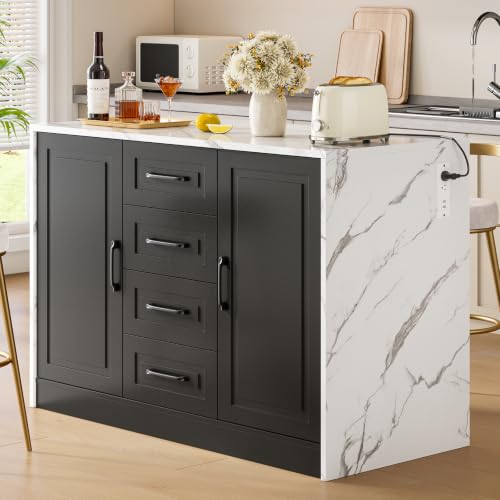
What Is a Large Quartz Dining Table?
A large quartz dining table pairs an engineered stone top with a sturdy base, creating a dining surface that is both visually striking and highly practical. Quartz is manufactured from ground natural quartz crystals combined with resins and pigments, resulting in a dense, non-porous material. For large dining tables, this matters: a bigger surface means more exposure to spills, heat, and daily wear, and quartz handles those conditions better than many alternatives.
Large quartz tables typically range from about 84 to 108 inches in length when rectangular, with widths around 36 to 44 inches. Oval and round quartz tables also scale up to seat eight or more diners. Because quartz slabs are heavy, the base design and structural support become a critical part of the purchase decision — not just the top itself.
If you are still comparing tabletop materials, our marble-top round dining set guide and faux marble counter-height table overview provide useful contrast points. Quartz sits between natural stone and solid-surface materials in terms of maintenance and consistency.
Why Choose Quartz for a Large Table
Quartz has become a popular choice for large dining tables because it addresses several weaknesses of natural stone and wood simultaneously. Here is what makes it stand out:
- Non-porous surface: Quartz resists absorbing liquids, which means wine, oil, and sauces stay on the surface rather than seeping in. This reduces the risk of stains compared with porous natural stone.
- Consistent appearance: Because quartz is engineered, patterns and color are uniform across the slab. On a large table, this consistency is especially noticeable and gives the surface a clean, deliberate look.
- Scratch resistance: Quartz ranks high on the Mohs hardness scale, so it withstands everyday utensil contact better than many softer materials. It is not scratch-proof, but it is more forgiving than wood or some laminates.
- Low maintenance: No sealing is required. Routine cleaning with a soft cloth and mild soap keeps the surface looking fresh, which is a real advantage for a table that gets daily use.
- Hygienic surface: The non-porous nature of quartz discourages bacteria and mold from settling into the material, which is a meaningful benefit for family dining.
That said, quartz is heavy and can chip at edges under impact. For large tables, edge profiles and base strength deserve extra attention. Our guide to solid oak dining table tops offers a useful comparison if you are weighing wood against engineered stone.
Design note: A large quartz tabletop acts as a visual anchor in the room. Because the surface is reflective and uniform, it can make a dining space feel brighter and more open — a helpful quality in smaller rooms where a big table is still desired.
Size, Shape & Seating Capacity
Choosing the right size is the most consequential decision when buying a large quartz dining table. The table needs to fit the room, allow comfortable chair movement, and match how you actually entertain. The table below summarizes common configurations and their typical seating capacity.
| Configuration | Typical Dimensions | Seating Capacity | Best For |
|---|---|---|---|
| Rectangular, mid-large | 84–90 in length | 6–8 people | Family dining with occasional guests |
| Rectangular, large | 96–108 in length | 8–10 people | Frequent entertaining and open-plan rooms |
| Oval, large | 84–96 in length | 6–8 people | Soft-edged rooms and traffic-friendly layouts |
| Round, large | 60–72 in diameter | 6–8 people | Conversation-focused dining and square rooms |
For context on standard dimensions, our standard size dining table for four and 8-chair dining table size guide explain how seating capacity maps to room dimensions. A large quartz table generally needs at least 36 inches of clearance on all sides for chair pull-out and walkway flow. If your room is tight, consider an oval or round shape rather than a long rectangle.
For a smaller footprint, our small dining table for two and dining table for four in a small space guides offer compact alternatives. The key is matching the table's scale to the room rather than maximizing surface area alone.
Base and Support Options
A large quartz top is heavy, so the base is not a cosmetic afterthought. The right support structure determines stability, legroom, and long-term safety. Here are the most common base types paired with large quartz tables:
Double Pedestal Base
Two pedestals distribute weight evenly and free up legroom along the table's length. This is one of the most popular choices for large rectangular quartz tables because it avoids the corner-leg obstruction that can make seating cramped. Look for a pedestal with a wide, weighted foot and reinforced column-to-top connection.
Single Central Pedestal
Best suited to round and oval quartz tables. A single pedestal creates an open seating perimeter, which is ideal for conversation-focused layouts. On very large tops, a single pedestal must be engineered for the load, often with a wider base plate.
Trestle and A-Frame Bases
Trestle bases add a architectural, farmhouse or industrial character. They work well with long rectangular tops, but check that the trestle span supports the full length of the quartz slab. Our fluted dining table base guide and modern dining table legs overview cover design-led alternatives.
Reinforced Metal Frames
Metal frames offer high strength-to-weight ratios and a contemporary look. For large quartz tables, a welded steel frame with cross-bracing is often the most stable option. Ensure the frame includes a sub-top or support rails to prevent the quartz from flexing.
Whatever the base, confirm the manufacturer's weight rating and assembly instructions. A large quartz top should never be supported only at its corners. For related structural guidance, see our floating dining table and timber slab dining table articles, which discuss support and span considerations in more detail.
Style & Design Considerations
Large quartz dining tables bring a polished, contemporary presence to a dining room. Because the surface is uniform and often light-reflective, styling choices have a strong impact on the overall feel of the space. Consider these directions:
Modern and Minimalist
Pair a white or pale grey quartz top with slim metal legs or a minimal pedestal. Keep the surrounding palette restrained and let the table surface be the focal point. Our modern dining table centerpieces guide offers ideas for low-profile styling that complements a sleek quartz surface.
Warm and Organic
Quartz with veined patterns in beige, taupe, or soft grey pairs well with warm wood chairs and natural textiles. This approach softens the engineered look and creates a more inviting dining atmosphere. Explore modern farmhouse dining table decor and light wood with black chairs for contrast ideas.
Statement and Dramatic
Darker quartz with bold veining makes a dramatic centerpiece, especially in rooms with strong lighting. Pair with metallic accents or sculptural chairs. The gold and glass dining set guide and vintage brass and glass table overview show how metallic tones interact with reflective surfaces.
Table Linens and Accessories
Because quartz is smooth and non-porous, placemats and table runners stay in place well and are easy to clean. Our guides to dining table tablecloths, placemats for dining tables, and long dining table centerpiece ideas help you dress a large quartz surface without overwhelming it.
Styling tip: On a large quartz table, scale your centerpiece to the surface. A single oversized bowl or a long low runner reads better than many small objects scattered across the top.
Care and Maintenance Essentials
One of the strongest arguments for quartz is its low-maintenance nature. Still, a large quartz dining table benefits from a few consistent habits:
- Clean with mild soap and water. Avoid abrasive pads and harsh chemical cleaners, which can dull the finish over time.
- Use trivets for hot items. Quartz is heat-resistant but not heat-proof. Sudden temperature changes can cause cracks, so never place a hot pan directly on the surface.
- Wipe spills promptly. Even though quartz is non-porous, standing liquids can leave residue or dull spots if left for long periods.
- Protect the edges. Chips most often occur at edges from impact. Edge profiles such as eased or bullnose reduce the risk compared with sharp square edges.
- Avoid cutting directly on the surface. Use a cutting board to preserve the polished finish.
For broader surface-care guidance, see our dining table surface care guide and marble dining table sealing guide (for contrast, since quartz does not require sealing). If you are planning a large table for an outdoor-adjacent space, the natural teak outdoor dining table guide covers weather-resistant alternatives.
Buying Checklist for Large Quartz Tables
Before committing to a large quartz dining table, run through this checklist to avoid common pitfalls:
- Measure the room and the delivery path. Large quartz tops are heavy and rigid; confirm doorways, stairwells, and turns can accommodate the slab.
- Confirm the base weight rating. Ask the manufacturer whether the base is rated for the quartz top's weight, and whether assembly requires professional help.
- Check the edge profile. Eased, beveled, or bullnose edges reduce chipping risk and feel more comfortable when seated.
- Review the warranty terms. Quartz warranties vary; check what is covered for chips, cracks, and finish defects.
- Plan chair clearance. Allow 24–30 inches of table width per seated diner and at least 36 inches of clearance around the table for walkways.
- Match the tier to your needs. Entry-level quartz tables often use thinner slabs and simpler bases; mid-range and premium tiers typically offer thicker tops, better edge finishing, and sturdier support systems.
- Consider the finish. Polished quartz reflects light and looks formal; matte or honed finishes feel more relaxed and hide fingerprints better.
For a broader purchasing framework, our dining table buying mistakes guide and first dining table checklist are useful companions. If you are furnishing a compact space and a large quartz table is not feasible, the space-saving dining table and chair set and small dining table and chairs overview present more compact options.
Frequently Asked Questions
Is a large quartz dining table suitable for a family with children?
Yes. Quartz is non-porous and resistant to stains, which makes it practical for families. It does not harbor bacteria or absorb spills, and most quartz surfaces resist scratching better than natural stone. Using placemats and avoiding direct heat still helps preserve the surface.
How many people can a large quartz dining table seat?
A large quartz dining table typically seats six to ten people, depending on length and shape. Rectangular tables around 84 to 96 inches long comfortably seat eight, while longer or oval versions can seat ten with proper chair spacing.
Does a quartz dining table need sealing?
No. Unlike natural stone, quartz is engineered with resin binders that make it non-porous, so it does not require periodic sealing. Routine cleaning with a soft cloth and mild soap is usually enough.
Can a large quartz dining table be repaired if chipped?
Minor chips can often be repaired by a professional fabricator using color-matched resin. Because quartz is engineered, the repair blends more predictably than natural stone. Deep cracks may require section replacement.
What base works best with a large quartz tabletop?
A solid wood pedestal, a double-pedestal base, or a reinforced metal frame are strong choices. The base must support the weight of a large quartz slab, so check weight ratings and consider professional assembly.
Is quartz better than marble for a large dining table?
Quartz requires less maintenance than marble because it is non-porous and does not need sealing. Marble offers unique natural veining, but it is more porous and prone to etching from acidic spills. For a busy family dining table, quartz is generally the more practical choice. See our marble-top round dining set guide for a direct comparison.