
Timber Slab Dining Table: The Complete Guide to Choosing a Live Edge Centerpiece
A timber slab dining table brings raw natural character into your home. Learn about wood species, slab construction, live edge profiles, durability, and styling so you can choose a table that lasts for generations.
Explore Recommended SlabsWhy a timber slab dining table stands apart: Unlike factory-built tables with uniform boards, a timber slab is cut from a single section of a tree trunk. That means every slab has a one-of-a-kind grain pattern, natural edge, and organic silhouette. For buyers researching this category, the key questions are usually about wood species, moisture stability, finish quality, and how the slab will age. This guide answers those questions in depth.
What Exactly Is a Timber Slab Dining Table?
A timber slab dining table is built from a thick, single-piece section of wood cut lengthwise through a tree trunk. Unlike conventional tables made from many narrow planks glued together, a slab preserves the tree's natural growth rings, knots, and often its live edge — the outer contour of the trunk just beneath the bark. The result is a dining surface with unmatched visual depth and individual character.
Slabs are typically air-dried or kiln-dried to stabilize moisture content, then finished with oil, wax, or a hard-wearing lacquer. Thickness commonly ranges from about 4 cm to 10 cm, with thicker slabs reading as more sculptural. Because each slab is unique, the buying process is closer to selecting a piece of art than picking a mass-produced table. If you want to explore how slab tables compare with other single-piece designs, the solid oak dining table top guide is a useful companion read.
Anatomy of a Timber Slab Dining Table
Understanding the components helps you evaluate quality before you commit. A well-made slab table is more than a thick board on legs — each element affects stability, comfort, and longevity.
The Slab Top
The heart of the table. Look for consistent thickness, properly dried wood, and a finish that penetrates rather than merely coats. Natural defects like knots and sap pockets are part of the charm, but structural cracks should be stabilized with bowties or resin inlays.
The Live Edge
The natural contour of the tree's outer trunk. Live edges can be gentle and sweeping or dramatic and rugged. A well-finished edge is sanded smooth so it feels comfortable against forearms and clothing.
The Base or Legs
Bases range from steel U-frames and hairpin legs to solid wood trestles. The base must support significant weight — a thick slab can be extremely heavy — and should leave ample legroom. Explore base styles in the fluted dining table base guide.
The Finish
Hardwax oil, polyurethane, or conversion varnish protect the surface. Oil finishes feel more natural and are easier to spot-repair; film finishes offer stronger resistance to spills. Whichever is used, it should enhance grain rather than obscure it.
Choosing the Right Wood Species for Your Slab
Wood species determines color, grain character, hardness, and how the table responds to seasonal humidity changes. Here is how the most common slab species compare.
| Species | Grain Character | Durability Tier | Best For |
|---|---|---|---|
| Oak | Bold, open grain with prominent rays | High-end tier | Busy family dining rooms |
| Walnut | Rich chocolate tones, subtle swirls | Premium tier | Elegant, moody interiors |
| Suar | Dramatic contrast, interlocking grain | Balanced tier | Statement live edge pieces |
| Teak | Golden brown, fine even texture | Top-tier | Humid climates and outdoor-adjacent spaces |
| Pine | Soft, knotty, light and warm | Entry-level | Rustic and farmhouse looks |
For buyers drawn to warm tropical grain, the suar wood dining table guide covers why this species is so popular for dramatic slabs. Those who prefer a classic hardwood look should review the solid oak dining table top resource for grain and finishing details.
Moisture, Movement, and Long-Term Stability
Wood is a living material even after it becomes furniture. It expands and contracts with seasonal humidity, and a wide slab moves more than narrow planks. That is why proper drying matters so much. Kiln-dried slabs are stabilized to a moisture content suited to indoor environments, typically in the 6–10% range depending on your climate. Air-dried slabs can be beautiful but require longer acclimation before finishing.
Look for tables with breadboard ends, butterfly keys, or steel reinforcement channels that allow the slab to move without cracking. A reputable maker will explain how the slab was dried and how the base accommodates movement. If your home swings between very dry winters and humid summers, consider a species with lower movement rates and a finish that flexes with the wood.
Shape, Size, and Seating Capacity
Slabs come in rectangular, oval, and organic freeform silhouettes. Rectangular slabs suit formal dining rooms and seat guests efficiently. Oval and freeform slabs soften the room and work well in open-plan spaces. As a planning baseline, allow about 60 cm of table width per diner and at least 75 cm of clearance behind chairs for walkways.
For a detailed sizing framework, the 8 chair dining table size reference helps you match slab dimensions to your guest count. If your dining room is narrow, the slender dining table guide offers space-planning strategies that apply equally to slab tables. Larger gathering spaces may benefit from comparing ideas in the dining table set 12 seater overview.
Live Edge Profiles: Natural, Straight, and Hybrid
Not every slab keeps both natural edges. Some tables have one live edge and one straight edge, which works beautifully against a wall or in tighter rooms. Others are trimmed straight on both sides for a more tailored look while still showing the slab's grain. When evaluating a live edge, run your hand along the contour — it should be sanded smooth with no splintering. Check that the edge thickness is consistent and that any soft sapwood has been sealed or stabilized.
If you are pairing your slab with a bench, the curved bench seat for dining table guide explains how to complement organic edges with seating that follows the same visual language.
Finishes That Protect Without Hiding the Grain
The finish is where craftsmanship shows most clearly. A hardwax oil penetrates the fibers and leaves a matte, tactile surface that ages gracefully and can be spot-repaired. Polyurethane creates a protective film that resists water rings and stains but can feel plasticky if applied too thickly. Conversion varnish offers strong chemical resistance for busy households. Whatever the finish, ask how many coats were applied and what maintenance it requires. The painted dining table guide is useful if you are considering a two-tone approach with a painted base beneath a natural slab top.
Caring for a Timber Slab Dining Table
Maintenance is straightforward but regular. Wipe spills promptly, dust with a soft cloth, and avoid harsh cleaners that strip oils. Re-oil oil-finished slabs every six to twelve months depending on use. Keep the table away from direct radiator heat and prolonged direct sunlight, which can cause uneven drying and fading. Use coasters under hot dishes and felt pads under decorative objects to prevent scratches. For a broader care framework, the paint for wood dining table article includes surface-preparation principles that apply to refinishing projects as well.
Styling Your Timber Slab Table
A slab table is a strong visual anchor, so styling should support rather than compete with it. Keep centerpieces low and natural — a ceramic bowl, a few branches, or a linen runner that echoes the wood's tones. Mixed materials work well: matte ceramics, woven placemats, and soft linen napkins balance the slab's visual weight. For coordinated looks, the dining table white and gold styling guide offers contrast ideas, while the placement mats for dining table article helps you protect the surface without hiding the grain. A well-chosen dining table table cloth can soften the look for formal occasions.
Chairs are equally important. Wood-on-wood pairings can feel heavy, so consider upholstered chairs, metal frames, or a bench on one side. The chairs for dark wood dining table guide is especially helpful if you choose a darker species like walnut or suar.
Matching a Slab Table to Your Room
Timber slabs suit many interior styles. In a modern farmhouse setting, pair a warm oak slab with white walls and black metal accents. In a contemporary space, a walnut slab with slim steel legs reads as sculptural. For coastal and light-filled rooms, the coastal dining table decor guide shows how to keep the palette breezy without losing the slab's presence. If you are refreshing the whole room, the modern farmhouse dining table decor guide offers cohesive ideas.
Lighting matters too. A linear pendant or a pair of low-hanging fixtures over a long slab highlights the grain. The width of chandelier over dining table reference helps you scale the fixture correctly. For centerpiece proportions, see the long dining table centerpiece ideas guide.
Timber Slab Buying Checklist
- Confirm moisture content: Ask for the kiln-drying record and target moisture level for your climate.
- Inspect the slab: Look for stabilized cracks, consistent thickness, and smooth edge sanding.
- Check the base: Ensure it supports the slab's weight and allows for seasonal wood movement.
- Understand the finish: Know whether it is oil, wax, or film, and what upkeep it needs.
- Measure your space: Account for chair clearance and walkways before committing to slab dimensions.
- Plan delivery: Thick slabs are heavy; confirm doorway widths and stair access with the seller.
Buyers who want a broader decision framework before choosing a slab can review the multipurpose dining table guide for versatility considerations, or the vintage wood dining table and chairs article if they prefer a pre-aged character.
Frequently Asked Questions
Is a timber slab table suitable for everyday family use?
Yes, with the right finish. A hardwax oil or a quality polyurethane film protects against daily wear. Slabs are durable, but they do require prompt spill cleanup and occasional re-oiling if oil-finished.
Will a live edge slab crack over time?
Properly dried slabs rarely develop structural cracks. Natural checks and small cracks are part of the material's character and are often stabilized with bowtie inlays. Significant new cracks usually signal moisture problems or inadequate base support.
How thick should a slab dining table be?
Most indoor slabs range from about 4 cm to 10 cm thick. Thicker slabs feel more sculptural and are heavier, while thinner slabs suit modern, minimalist interiors. Thickness should match the base design and the room's visual weight.
Can I use a timber slab table outdoors?
Standard indoor slab tables are not built for full outdoor exposure. If you want an outdoor wood table, look for weather-resistant species like teak and marine-grade finishes, and expect a different maintenance routine.
How do I move a heavy slab table?
Always remove the top from the base first and use two or more people. Lift rather than drag, protect edges with blankets, and confirm doorway clearances in advance. Professional delivery is recommended for very large slabs.
Recommended Timber Slab Dining Tables
⚠️ AFFILIATE DISCLOSURE: This website contains affiliate links. As an affiliate Associate, we earn from qualifying purchases. If you make a purchase through these links, we may receive a small commission at no additional cost to you. Read our full affiliate policy.

Live Edge Timber Co. Bench Legs with Back Rest - Raw Steel – Pair
Check price on Amazon
Garvee 71" Wood Dining Table for 2/4/6/8, Large Rectangular Kitchen Table | Anti-Collision Curved Corner Dinner Table with Recessed Footrest for Dining Room, Study & Home Office, Walnut Brown & Black
Check price on Amazon
Memobarco 47.2" Dining Table for 4-6 People, Rectangular Kitchen Table | Modern Wooden Dining Room Table with Open Storage Shelf and Rounded Corners for Kitchen Living Room (Walnut)
Check price on Amazon
EliteEdge 71" Oval Farmhouse Compact Dining Table for 6 People, Natural | Rustic Wood Double Pedestal Base, Spacious Kitchen & Dining Room Table for Home or Office
Check price on Amazon
IDEALHOUSE 62" Long Dining Table for 6-8, Wooden Kitchen Dinner Table | Rectangle Table with Double Robust Pedestal, Grille Design, Modern Table for Dining Room, Kitchen & Living Area, Light Oak
Check price on Amazon
HIPIHOM Farmhouse Square Oak Dining Table, 31.5 Inch Steel Legs for 2-4 | Natural Oak Grain, Smooth Curved Corner, Stain And Spill Resistant Surface, Cross Braced Anti Wobble Reinforced Steel Legs
Check price on Amazon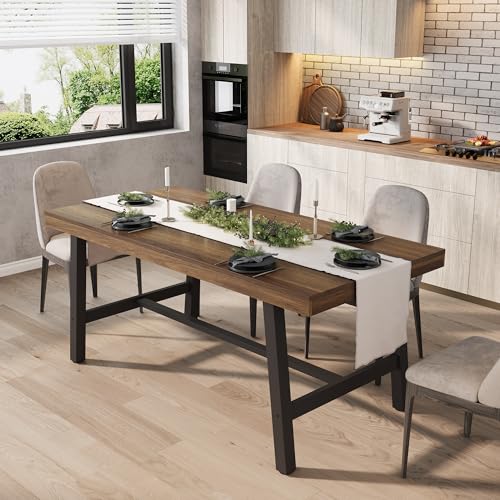
GarveeHome Industrial Dining Table for 4-6 People, 63" Long Large Kitchen Table with Sturdy Metal Frame, Rectangular Counter for Dinner, Kitchen, Dining Room (Brown, 63" Non-extendable)
Check price on Amazon