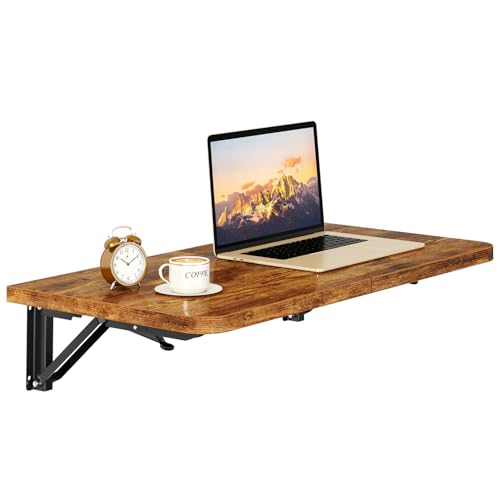
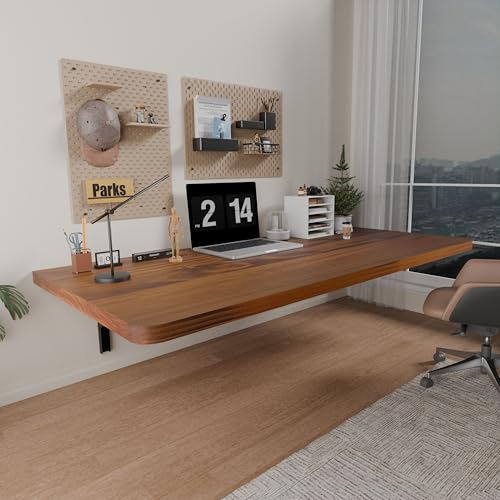
What Is a Floating Dining Table?
A floating dining table is a table that appears to hover above the floor. Instead of resting on four visible legs, it is anchored to a wall using heavy-duty brackets, a cantilever frame, or a concealed pedestal system. The result is a clean silhouette with unobstructed floor space underneath—ideal for small rooms, narrow dining nooks, and minimalist interiors.
Some floating tables are permanently wall-mounted, while others use a fold-down or drop-leaf mechanism so the surface can be tucked away when not in use. This flexibility makes them a strong option for studios, micro-apartments, and multi-purpose rooms where every square foot matters.
Quick definition: A floating dining table is any dining table whose support structure is hidden or wall-anchored, creating a legless appearance and freeing up floor space beneath the tabletop.
Key Benefits of a Floating Dining Table
Homeowners and renters alike are drawn to floating tables for practical and aesthetic reasons. Here are the most significant advantages:
- Space efficiency: With no legs to navigate around, you reclaim floor area for chairs, foot traffic, and storage. This is especially valuable in compact dining rooms and open-plan layouts.
- Easy cleaning: Vacuuming and mopping beneath a floating table takes seconds because there are no legs or crossbars to work around.
- Modern aesthetic: The floating look reads as intentional, architectural, and minimalist—qualities that elevate contemporary and Scandinavian-inspired interiors.
- Improved seating flexibility: Without corner legs, you can seat guests along the sides and ends without knee obstructions. Backless benches and slim stools slide in effortlessly.
- Visual lightness: In small rooms, visible legs can make a space feel cluttered. A floating table reduces visual weight and helps the room feel airier.
Types of Floating Dining Tables
Not all floating tables work the same way. Understanding the main categories helps you choose the right fit for your space, wall type, and lifestyle.
1. Wall-Mounted Fixed Tables
These tables are permanently bolted to wall studs or masonry using steel brackets. They offer the most stable surface and the cleanest look, but they cannot be moved without patching the wall. Fixed wall-mounted models are best for dedicated dining areas where the table will stay in one place.
2. Fold-Down Floating Tables
A fold-down table hinges at the wall and drops flat when not in use. This is the most space-efficient option for studios and tiny kitchens. When deployed, it functions as a full dining surface; when folded, it occupies only a few inches of depth. Look for models with locking hinges and reinforced brackets for safety.
3. Cantilever and Concealed-Pedestal Tables
These tables use a heavy base or concealed steel frame to support an overhanging top, creating a floating effect without wall attachment. They are freestanding, so they work in rentals and open floor plans, but they require a weighted base to prevent tipping. Mid-range and premium cantilever designs often include stabilizing feet hidden beneath the tabletop.
4. Drop-Leaf Console-to-Dining Tables
A hybrid design that starts as a slim console against the wall and unfolds into a dining table. These are excellent for dual-purpose rooms and are closely related to drop-leaf console-to-dining tables. They combine the floating look with genuine convertible functionality.
Floating vs. Traditional Dining Tables: A Comparison
Before committing to a floating design, compare it side by side with a conventional legged table. The table below outlines the trade-offs across key criteria.
| Criteria | Floating Dining Table | Traditional Legged Table |
|---|---|---|
| Floor space | Maximized—no legs obstruct the floor | Legs and crossbars reduce usable floor area |
| Installation | Requires wall anchoring or weighted base | Freestanding, no installation needed |
| Portability | Fixed or semi-fixed; limited relocation | Easy to move and rearrange |
| Cleaning | Quick—open floor beneath | Requires navigating around legs |
| Seating flexibility | High—no corner leg obstructions | Moderate—legs limit chair placement |
| Best for | Small rooms, studios, modern interiors | Large dining rooms, formal settings |
| Rental suitability | Limited (wall drilling may be restricted) | High—no permanent modifications |
How to Choose the Right Floating Dining Table
Selecting a floating table involves more than picking a style you like. Use the following framework to narrow your options and avoid common mistakes.
Assess Your Wall and Installation Options
Wall-mounted tables must anchor into load-bearing studs, concrete, or masonry. Drywall alone cannot support a dining table. If you live in a rental or have plaster walls, a cantilever or concealed-pedestal design may be safer. Always confirm the bracket rating matches the table's weight capacity plus the weight of dishes, decor, and leaning guests.
Measure Clearance and Seating Depth
Allow at least 24 inches of table width per seated diner and 12–15 inches of knee clearance beneath the tabletop. For wall-mounted models, check that the table depth leaves enough room for chairs to tuck in without blocking walkways. If space is tight, a slender dining table or a wall-mounted folding dining table can be a smarter fit than a full-depth floating design.
Match the Table to Your Room Layout
A floating table works best against a solid wall with open floor in front. Avoid placing one in the middle of a room unless it uses a concealed pedestal base. For narrow rooms, consider pairing a floating table with a dining table against the wall layout to preserve circulation space.
Choose a Durable Material and Finish
Wall-mounted tables experience stress at the bracket connection, so the tabletop material matters. Solid wood, engineered hardwood, and high-pressure laminate are common choices. Premium and luxury tiers often use thicker slabs and reinforced mounting plates. Avoid thin veneers on entry-level wall-mounted models, as repeated load cycles can loosen the substrate over time.
Plan Your Seating
Backless benches and armless chairs are the most natural pairing for floating tables because they slide fully underneath. If you prefer upholstered seating, choose low-back chairs and confirm the seat height matches the table's underside clearance. For small spaces, a space-saving dining table and chair set can simplify the pairing process.
Installation Safety Checklist
- Locate wall studs with a stud finder before drilling.
- Use heavy-duty lag bolts or masonry anchors rated for the load.
- Install a secondary safety strap or bracket where the manufacturer provides one.
- Distribute weight evenly and avoid leaning or sitting on the table edge.
- Re-tighten fasteners after the first month of use and inspect periodically.
Floating Dining Table Styles and Design Ideas
The floating format adapts to nearly every interior style. Here are a few directions to consider:
Modern Minimalist
A slim engineered-wood top with a concealed steel frame and matte finish. Pair with backless benches and a single pendant light for a clean, architectural look. This style suits modern dining table leg aesthetics even though the legs are hidden.
Scandinavian Warmth
Light oak or ash veneer with rounded edges and a white or pale bracket system. Combine with woven chairs and a neutral runner. The floating effect keeps the room bright and uncluttered.
Industrial Loft
A thick timber slab on exposed black steel brackets. The visible hardware becomes part of the design language. This works well in converted lofts and open-plan apartments with concrete or brick walls.
Compact Studio
A fold-down table in a high-pressure laminate finish, mounted at counter height or standard dining height. When folded, it doubles as a shelf or desk surface. This is the most space-efficient interpretation of the floating concept.
Farmhouse Hybrid
A painted or distressed wood top on a concealed bracket, styled with a bench and a long dining table centerpiece. The floating structure keeps the farmhouse look from feeling heavy in a small room.
Common Mistakes to Avoid
- Mounting into drywall only: Always anchor into studs or masonry. Drywall anchors alone are not sufficient for a dining table.
- Ignoring weight limits: Check the bracket and tabletop rating, and account for dynamic loads such as someone leaning on the edge.
- Choosing a depth that blocks walkways: Measure clearance for chairs and foot traffic before ordering.
- Skipping the safety strap: Many wall-mounted tables include a secondary strap; install it.
- Pairing with tall-backed chairs: High backs can make a floating table feel cramped. Low-profile seating preserves the airy look.
Floating Dining Table Care and Maintenance
Maintenance is straightforward but important, especially at the mounting points. Wipe the tabletop with a soft damp cloth and a mild cleaner appropriate for the finish. Avoid soaking the surface, particularly at seams near the bracket. Every few months, check that bolts and brackets remain tight, and inspect the wall connection for any signs of loosening or stress. For wood tops, re-oil or re-seal according to the manufacturer's schedule to prevent moisture damage.
If you plan to move the table, disconnect it from the wall first and patch the anchor holes properly. Never drag a wall-mounted table while it is still attached.
Frequently Asked Questions
What is a floating dining table?
A floating dining table is mounted directly to a wall or supported by a concealed bracket system, creating the illusion that it hovers above the floor without visible legs. This design saves floor space and delivers a clean, modern look.
Is a floating dining table strong enough for daily use?
Yes, when properly installed into load-bearing wall studs or masonry with heavy-duty brackets. Quality wall-mounted models are engineered for daily dining, though weight capacity varies by tier and installation quality.
Can a floating dining table be installed in a rental?
It depends on the lease terms. Wall-mounted tables require drilling into walls, which may not be permitted in rentals. Consider a freestanding table with concealed center supports or consult your landlord first.
What seating works best with a floating dining table?
Backless benches, slim stools, and armless chairs tuck neatly beneath a floating table. Choose seating heights that match the table's underside clearance for comfortable legroom.
How much clearance do I need around a floating table?
Allow at least 36 inches of clearance from the table edge to walls or furniture for comfortable chair pull-out and walkway space. In tight rooms, 30 inches can work with backless seating.
Can I use a floating table outdoors?
Only if the table and brackets are rated for exterior use. Standard wall-mounted dining tables are designed for indoor environments and may warp or corrode outdoors.