
Antique Extension Dining Table: A Complete Buying Guide
Discover the charm, craftsmanship, and practicality of antique extension dining tables. Learn how to identify authentic pieces, evaluate mechanisms, assess condition, and choose the right vintage table for your home.
Start ExploringWhy Choose an Antique Extension Dining Table? An antique extension dining table combines the character and craftsmanship of a bygone era with the practical flexibility modern households need. Unlike contemporary tables, these vintage pieces carry a story—hand-cut joinery, solid wood construction, and a patina that only decades of use can create. Whether you are furnishing a traditional dining room, adding character to a modern space, or seeking a long-term investment in quality furniture, understanding the nuances of antique extension tables helps you make a confident and informed decision.
Recommended Antique Extension Dining Tables
⚠️ AFFILIATE DISCLOSURE: This website contains affiliate links. As an affiliate Associate, we earn from qualifying purchases. If you make a purchase through these links, we may receive a small commission at no additional cost to you. Read our full affiliate policy.

First of a Kind Rustic Dining Table 7 Piece Set - 18 Inch Extension Leaf, Trestle Base, Upholstered Seating, Antique White Finish - Dining Room Furniture
Check price on Amazon
GarveeHome 63-83" Extendable Dining Table, Industrial Rectangular Dining Room Table for 6-8 People, Expandable Kitchen Table with Heavy Duty Metal Frame for Dining Room, Kitchen & Parties, Brown
Check price on Amazon
Lexicon Dante Oval Counter Height Dining Table for 4, Expandable Wood Table with Extension Leaf & Built-in Storage Base, Easy Assembly for Kitchen Islands & Breakfast Bars - Rosy Brown/Antique White
Check price on Amazon
Signature Design by Ashley Haddigan Dining Extension Table, Seats 6-8 | Veneers, wood and engineered wood, Farmhouse style wood dining table, Self-storing 18-inch butterfly leaf, Kitchen table
Check price on Amazon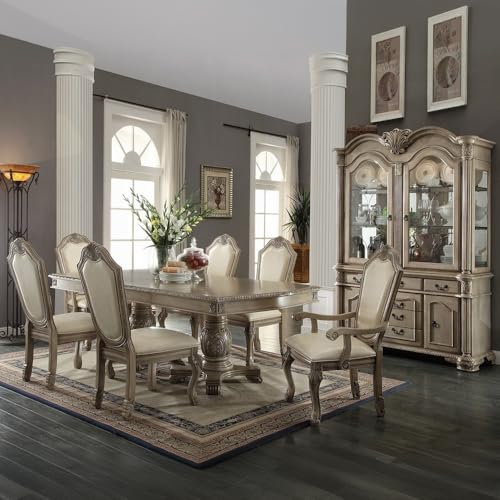
7-Piece Dining Set with Dining Extension Table, 4 Side Chairs and 2 Arm Chairs (A-Antique White)
Check price on Amazon
Alpine Furniture Aspen Dining Table with Extension
Check price on Amazon
Acme Chateau de Ville Dining Table in Antique White
Check price on AmazonWhat Is an Antique Extension Dining Table?
An antique extension dining table is a vintage piece of furniture—typically dating from the 19th or early 20th century—designed with a built-in mechanism that allows the tabletop to expand. This expansion is achieved by pulling the table ends apart to reveal a central gap, into which one or more additional leaves are inserted. The result is a table that can transform from an intimate everyday setting into a spacious surface for entertaining.
The term "antique" generally refers to items at least 100 years old, though in the furniture trade, pieces from the early to mid-20th century are often described as vintage or antique-style. What sets these tables apart from modern reproductions is the quality of materials—solid oak, mahogany, walnut, and teak—and the traditional construction techniques such as mortise-and-tenon joinery, hand-cut dovetails, and hand-turned legs.
Antique extension tables come in several configurations: pull-out tables with a sliding mechanism, drop-leaf tables where leaves fold down from the sides, and draw-leaf tables where leaves slide out from beneath the tabletop. Each design has its own mechanical characteristics and considerations for maintenance and restoration.
Types of Antique Extension Mechanisms
The extension mechanism is the heart of any antique extension dining table. Understanding the different types helps you evaluate functionality and identify potential repair needs.
- Pull-Out or Sliding Mechanism: The most common design, where the table separates into two halves that slide apart on wooden or metal tracks. Leaves are inserted into the central gap. Quality is determined by the smoothness of the slide and the stability of the locking mechanism.
- Drop-Leaf Mechanism: Leaves are hinged to the table edges and fold down when not in use. Commonly found on smaller antique tables, drop-leaf designs are space-efficient but typically offer less expansion than pull-out systems. See examples of oak drop-leaf dining tables and rustic drop-leaf tables for reference.
- Draw-Leaf Mechanism: Leaves are stored beneath the tabletop and slide out when needed. This design is convenient because the leaves are always with the table, but the mechanism requires careful maintenance to prevent binding or warping.
- Accordion or Butterfly Leaf: A folding leaf mechanism where the leaf folds in half and stores inside the table. This is a later innovation, often found on mid-century pieces, and is prized for its convenience.
When evaluating an antique table, test the mechanism thoroughly. A well-maintained mechanism should operate smoothly without excessive force, and the leaves should sit flush with the main tabletop when installed. Sticking, wobbling, or gaps may indicate wear, warping, or missing components that require professional attention.
Wood Types and Finishes in Antique Extension Tables
The wood species used in an antique table significantly affects its durability, appearance, and restoration potential. Different woods develop distinct patinas over time, and understanding these characteristics helps you appreciate and care for your table.
- Mahogany: A classic choice for fine antique furniture, mahogany is dense, stable, and takes a rich, deep finish. It is less prone to warping than softer woods, making it ideal for extension mechanisms. Mahogany tables often feature flame or ribbon grain patterns.
- Oak: Prized for its strength and prominent grain, oak is common in antique tables from the Arts and Crafts and farmhouse traditions. It is heavy and durable but can be susceptible to movement with humidity changes. See vintage round oak dining tables for examples of oak craftsmanship.
- Walnut: A premium hardwood with a rich, dark color and fine grain. Walnut antique tables are often associated with high-end furniture making and are highly sought after for their elegant appearance.
- Teak: Known for its natural oils and weather resistance, teak is often found in antique tables from tropical regions. It develops a beautiful silver-gray patina when left unfinished, or a warm golden tone when oiled. Explore vintage teak dining tables and natural teak tables for more information.
- Pine and Fruitwoods: Softer woods often used in country furniture. These tables show character through dents and wear but require more careful handling to avoid damage.
Finishes on antique tables vary from hand-rubbed oil and wax to shellac and varnish. Original finishes are valued for their patina, but worn or damaged finishes may need professional restoration. Avoid aggressive refinishing on pieces with historical or collectible value, as it can diminish their character and worth.
Evaluating Condition: A Tier-Based Framework
When assessing an antique extension dining table, condition is the most critical factor. To help you evaluate pieces consistently, we use a tier-based framework that describes the relative condition and market positioning of antique tables. This framework avoids specific monetary references and focuses on qualitative characteristics.
| Tier | Condition Profile | Best For |
|---|---|---|
| Starter Tier | Shows significant wear, may have repaired joints, non-original hardware, or finish loss. Mechanism functions but may need adjustment. Leaves may be mismatched or missing. | Buyers seeking character and patina, DIY restoration enthusiasts, or those planning to paint or repurpose the table. |
| Mid-Tier | Good structural condition with normal age-related wear. Original finish may be worn but intact. Mechanism operates smoothly. All leaves present and matching. Minor cosmetic flaws consistent with age. | Everyday use in a family dining room, buyers who appreciate authentic patina without major restoration needs. |
| High-End Tier | Excellent original condition or professionally restored. Tight joints, smooth mechanism, original finish with minimal wear. All leaves present and in excellent condition. May have provenance or maker's marks. | Collectors, formal dining rooms, buyers seeking a long-term investment piece with historical integrity. |
| Flagship / Museum Tier | Exceptional rarity, documented provenance, original finish in outstanding condition, complete with all leaves and possibly original documentation. Museum-quality craftsmanship. | Serious collectors, historical preservation, statement pieces for distinguished interiors. |
Use this framework as a guide, but always inspect the table in person when possible. Photographs can hide structural issues, and a table that appears pristine in images may have hidden repairs or replacements.
What to Inspect Before Buying an Antique Extension Table
Whether you are shopping at an antique dealer, an estate sale, or an online marketplace, a thorough inspection protects you from costly surprises. Here is a checklist of critical points to examine:
- Extension Mechanism: Operate the table through its full range. The halves should slide smoothly, the leaves should insert without force, and the locking mechanism should hold securely. Look for cracked or warped tracks, missing pins, or evidence of makeshift repairs.
- Structural Integrity: Check all joints—legs, aprons, and stretchers—for separation or looseness. Gently rock the table to test stability. Wobbly legs may indicate loose joinery or worn feet.
- Wood Condition: Look for signs of wood rot (soft spots, discoloration), insect damage (small holes, frass), and major cracks or splits. Surface cracks that do not affect structure are often acceptable, but deep splits in load-bearing areas are concerning.
- Leaves: Verify that all leaves are present and match the table's wood and finish. Mismatched leaves are common in older sets and can be difficult to replace. Check that leaves are flat and free of warping.
- Original Hardware: Examine hinges, screws, and slides for originality. Non-original hardware is not necessarily a dealbreaker but may indicate past repairs.
- Finish and Patina: Assess whether the finish is original or has been refinished. Original patina is valued for its authenticity; a professional refinish is acceptable but should be disclosed.
- Maker's Marks and Labels: Look underneath the table and on the leaves for stamps, labels, or signatures. These can add provenance and value.
If possible, bring a knowledgeable friend or hire an antique appraiser for high-value purchases. For online purchases, request detailed photos and ask specific questions about condition, repairs, and provenance.
Restoration and Care for Antique Extension Dining Tables
Antique furniture requires thoughtful care to preserve both function and character. The approach depends on the table's condition and your goals for its use.
Cleaning: Use a soft, slightly damp cloth to remove dust and surface grime. Avoid harsh detergents, ammonia-based cleaners, and abrasive pads, which can damage finishes. For deeper cleaning, consult a furniture conservator.
Waxing and Polishing: For sealed wood finishes, apply a high-quality furniture wax annually to protect the surface and enhance the grain. Products like beeswax or carnauba-based waxes are suitable. Avoid silicone-based polishes, which can leave residue and complicate future restoration.
Humidity Control: Wood expands and contracts with changes in humidity. Maintain indoor humidity between 40-50% to prevent cracking, warping, and joint separation. Use a humidifier in dry seasons and a dehumidifier in damp conditions.
Sunlight Protection: Prolonged exposure to direct sunlight can fade finishes and dry out wood. Position the table away from windows or use curtains and blinds to filter light.
Leaf Storage: Store extension leaves flat in a dry, climate-controlled location. Avoid leaning leaves against walls, which can cause warping. Wrap leaves in a breathable cloth for protection.
Professional Restoration: For major repairs—structural damage, missing veneer, or significant finish loss—engage a professional furniture restorer with experience in antique pieces. Attempting complex repairs yourself can reduce the table's value and authenticity.
For more detailed guidance on wood care, see our vintage teak dining table guide and related care articles. Proper maintenance ensures your antique extension table remains a functional and beautiful centerpiece for generations.
Styling Your Antique Extension Dining Table
An antique extension table is a natural focal point for a dining room. Its warm wood tones and characterful surface pair well with a range of interior styles, from traditional to eclectic.
Mixing Eras: Pair your antique table with modern chairs for a curated, collected look. Upholstered dining chairs in neutral fabrics can soften the wood's formality, while metal or cane chairs add contrast.
Table Linens and Decor: Use table runners and placemats to protect the surface while adding color and texture. A simple linen runner can highlight the wood grain without competing with it. For inspiration, see our guides on dining table cloth sets and table cloths for dining tables.
Centerpieces: A low arrangement of flowers, candles, or a bowl of fruit complements the table's antique character. Avoid tall centerpieces that obstruct conversation. Explore centerpiece ideas for dining room tables and small dining table centerpiece ideas for inspiration.
Lighting: A chandelier or pendant light above the table provides ambient illumination and draws attention to the table's craftsmanship. For round or oval antique tables, a single pendant or a small chandelier works well.
Rugs and Flooring: A vintage-inspired rug under the table anchors the dining area and protects the floor. Choose a rug size that allows chairs to slide in and out comfortably.
Where to Find Antique Extension Dining Tables
Antique extension tables are available through a variety of channels, each with its own advantages and considerations:
- Antique Dealers and Shops: Offer curated selections with knowledgeable staff who can provide provenance and condition details. Often the best choice for high-end pieces, though selection may be limited.
- Estate Sales and Auctions: Opportunities to find authentic pieces at competitive terms. Inspect in person when possible and be prepared for as-is condition.
- Online Marketplaces: Platforms like eBay, Etsy, and specialized antique furniture sites offer wide selection. Request detailed photos and ask about condition, repairs, and shipping arrangements.
- Consignment and Second-Hand Stores: Local shops often carry vintage and antique furniture. Inventory changes frequently, so visit regularly.
- Flea Markets and Antique Fairs: Ideal for treasure hunters. Bring a tape measure, a flashlight for inspecting mechanisms, and a critical eye.
For smaller antique tables, consider browsing small antique dining tables and antique dining table and chairs sets to find a complete ensemble. If you are considering a second-hand piece, see our guide on second-hand round dining tables for additional tips.
Making the Decision: Is an Antique Extension Table Right for You?
An antique extension dining table is more than a piece of furniture—it is a functional artifact with a history. It offers advantages that modern tables often cannot match: solid wood construction, traditional joinery, and a character that develops with time. However, it also requires a commitment to care and maintenance.
Consider an antique extension table if:
- You value craftsmanship and authentic materials.
- You enjoy the patina and character that only age can create.
- You are willing to invest time in proper care and occasional professional maintenance.
- You appreciate the sustainability of buying vintage furniture.
- You want a table that can adapt to different occasions through its extension mechanism.
You may prefer a modern table if:
- You need a specific size or configuration that antiques rarely offer.
- You prefer a flawless, factory finish.
- You are not prepared to deal with potential repairs or restoration.
- You need a table that can withstand heavy daily use without special care.
For many households, the charm and quality of an antique extension table outweigh the maintenance considerations. With the right piece and proper care, it becomes a cherished part of the home.
Frequently Asked Questions About Antique Extension Dining Tables
What is an antique extension dining table?
An antique extension dining table is a vintage table, typically 50 to 100+ years old, featuring a built-in mechanism that allows the tabletop to expand with additional leaves. These tables are valued for their craftsmanship, solid wood construction, and timeless design.
How do I identify a genuine antique extension table?
Look for hand-cut dovetail joints, solid wood construction (not veneer over particle board), patina consistent with age, hand-turned legs, and period-appropriate hardware. Check for maker's marks or stamps underneath the table. Consultation with an antique appraiser provides definitive authentication.
What should I check before buying an antique extension table?
Inspect the extension mechanism for smooth operation, check for wood rot or insect damage, verify all leaves are present and match, test stability and wobble, examine joints for separation, and confirm the table height works with your chairs. Always ask about provenance and restoration history.
How do I care for an antique extension dining table?
Dust regularly with a soft cloth, avoid direct sunlight and heat sources, maintain indoor humidity between 40-50%, use coasters and table pads, apply furniture wax annually for sealed finishes, and avoid harsh chemical cleaners. Store leaves flat in a dry location when not in use.
Can I use an antique extension table as an everyday dining table?
Yes, many antique extension tables are fully functional for daily use. However, they require more care than modern tables—using table pads, avoiding heat and moisture, and maintaining proper humidity. If the table is in good structural condition, it can serve as a reliable everyday dining surface.
Are antique extension tables a good investment?
Quality antique furniture can hold or appreciate in value over time, particularly pieces with documented provenance, original finishes, and exceptional craftsmanship. However, like any collectible, market demand varies. Buy for enjoyment and utility first, and consider investment potential as a secondary benefit.
Ready to Find Your Antique Extension Dining Table?
Explore our recommended selection of antique and vintage extension tables. Each piece is chosen for its character, craftsmanship, and functionality. Use our guide to evaluate condition and find the right table for your home.
View Recommended Tables