
Tempered Glass for Dining Table: The Complete Guide
Everything you need to know about tempered glass table tops — safety, durability, thickness, edge finishes, and how to choose the right glass dining table for your home.
Explore Top PicksWhy tempered glass? Tempered glass is heat-treated safety glass that is roughly four to five times stronger than standard annealed glass. If it ever breaks, it shatters into small, blunt pebbles instead of sharp shards — making it the preferred choice for dining table tops, especially in homes with children and pets. This guide walks you through specifications, real-world performance, and buying considerations so you can decide with confidence.
Recommended Tempered Glass Dining Table Tops & Glass Tables
⚠️ AFFILIATE DISCLOSURE: This website contains affiliate links. As an affiliate Associate, we earn from qualifying purchases. If you make a purchase through these links, we may receive a small commission at no additional cost to you. Read our full affiliate policy.

gaoyangjiaju 67" Tempered Glass Dining Table Metal Legs for Kitchen Dining | Rectangular Transparent Glass Top, Modern Minimalist Style, Scratch‑resistant surface, Stain‑resistant top for living room
Check price on Amazon
Augeno 48 inch Round 1/4" Thick Pencil Polished Edge Clear Glass Table Top with 6 Bumpers - Tempered, Scratch Resistant & Safety Replacement Glass for Dining, Coffee, Patio & End Tables
Check price on Amazon
Augeno 60 inch Round 1/4" Thick Pencil Polished Edge Clear Glass Table Top with 6 Bumpers - Tempered, Scratch Resistant & Safety Replacement Glass for Dining, Coffee, Patio & End Tables
Check price on Amazon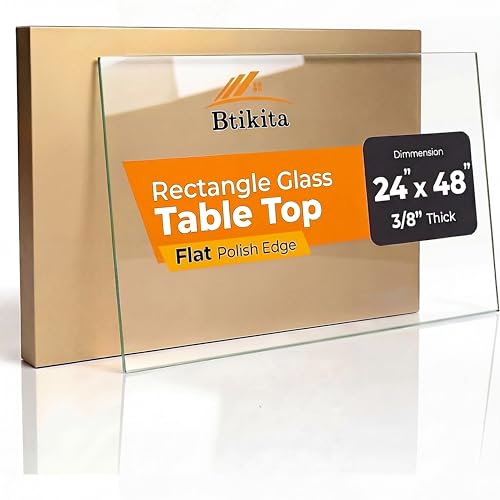
Btikita 24" x 48" Tempered Glass Table Top Rectangle 3/8" Thick Flat Polished Edge Top Protector for Dining, Patio, Coffee Table (24x48 inch)
Check price on Amazon
IANIYA 51.2" Glass Dining Table for 4-6, Kitchen Table Gold Metal Legs | Rectangular Modern Dinner Table, Space Saving, Adjustable Feet Easy to Assemble for Living Room, Office and Small spaces
Check price on Amazon
VeemuGlass Dining Tablearo 51.2" Glass Dining Table for 4 People, Rectangular Glass Kitchen Table with Black Steel Legs, Modern Dining Room Table for Dinner Kitchen Dining Room
Check price on Amazon
Ebullient 71" Rectangular Glass Dining Table, Chrome Dining Room Table | 71 Inch Rectangular Glass Top Dining Table with Chrome Legs, Modern Tempered Glass Dining Room Table for 6-8
Check price on Amazon
NIERN Tempered Glass Dining Table with Chromed Legs, 47in Rectangular Kitchen Table for Kitchen Dining Room Home Office (47.24 * 27.55, White/Silver)
Check price on AmazonWhat Exactly Is Tempered Glass?
Tempered glass — also called toughened glass — is produced by heating standard glass to around 600°C and then rapidly cooling it. This controlled thermal process creates balanced internal stresses that dramatically increase strength and change the break pattern. For a dining table, this is the crucial difference between a surface that could leave dangerous shards and one that fails safely into rounded fragments.
Glass dining tables come in two broad configurations. First, a full glass table uses a tempered top supported by metal, wood, or stone legs and a frame. Second, a glass table top is placed over an existing dining table frame — a practical route if you already own a base and want to refresh the surface. Both rely on the same material standard, but the second approach requires careful measurement of the frame and consideration of how the glass will be secured.
If you are still deciding between materials, our glass dining table guide and frosted glass top overview cover adjacent options. For frames that pair well with a glass surface, see the dining table legs for glass top reference.
Why Choose Tempered Glass for Your Dining Table?
Safety First
When tempered glass breaks, it fragments into small, granular pieces with dull edges — dramatically reducing the risk of serious cuts compared with standard glass.
High Strength
Tempered glass resists impact and thermal stress far better than annealed glass. It handles the daily knocks of plates, serving dishes, and elbows with ease.
Heat Tolerance
A tempered top can withstand hot serving dishes and warm cookware far better than untreated glass — though trivets are still recommended for very hot items.
Visual Space
Glass keeps a dining room feeling open and light. In compact apartments, a glass top visually recedes, making the room feel larger and less cluttered.
Easy Maintenance
A non-porous surface wipes clean quickly. Spills do not soak in, and there are no grain patterns to trap crumbs or stains.
Design Versatility
Clear, frosted, smoked, and tinted variants let you match modern, industrial, or minimalist interiors without changing the frame.
Choosing the Right Thickness
Thickness is one of the most practical decisions you will make. Too thin and the top may flex or feel unstable; too thick and it becomes heavy and visually dominant. The table below organizes common options by tier rather than by any numeric figure, so you can match thickness to your frame and usage pattern.
| Glass Tier | Best For | Considerations |
|---|---|---|
| Entry-level | Small tables, occasional use, lightweight frames | Lighter and easier to handle; may flex slightly on wide spans |
| Mid-range | Standard family dining tables, 4–6 seaters | Balanced strength-to-weight ratio; the most common choice |
| Premium | Large tables, heavy daily use, commercial-grade settings | Greater rigidity and impact resistance; requires sturdy support |
As a rule of thumb, wider unsupported spans need thicker glass. If your frame has a central support beam or a full perimeter rail, you have more flexibility. Always confirm the frame's rated load capacity before ordering a replacement top.
Edge Finishes and Their Impact
Edges are where glass tables are most often handled, bumped, and inspected. The finish you choose affects safety, appearance, and durability.
- Polished flat edge: The standard clean look. Smooth to the touch and suitable for most modern frames.
- Beveled edge: A sloped cut that catches light and adds a premium feel. Common on formal dining tables.
- Pencil polish: A rounded profile that softens the edge — a comfortable option for family tables.
- Ogee edge: An S-curved decorative profile for traditional and classic interiors.
- Raw or seamed edge: Less common on dining surfaces; best reserved for industrial or DIY applications where a frame conceals the edge.
Whichever profile you select, confirm that the edge is fully polished or finished — this reduces the chance of chipping and makes the surface safer around children. Our glass dining table with leaf guide shows how edge and extension design interact.
Safety and Break Behavior
Tempered glass is classified as safety glass because of how it fails. Under extreme impact or stress, the entire panel releases its stored energy and breaks into small pieces with relatively blunt edges. There are no large, dagger-like shards — which is the core reason it is the standard for furniture tops.
That said, tempered glass is not indestructible. It can break from edge impacts, which are its weak point. A sharp knock to the perimeter, a dropped heavy object directly on the edge, or improper handling during installation can trigger failure. Always lift a glass top from the frame rather than dragging it, and use protective pads where the glass meets hard metal or stone contact points.
Small nicks or chips near the edge should be taken seriously — they concentrate stress and can lead to sudden failure. If you notice edge damage, consider replacing the top rather than continuing to use it. For related care topics, see our glass dining table cleaning guide (available through our care hub).
Clear, Frosted, Smoked, and Tinted Glass
| Type | Character | Best For |
|---|---|---|
| Clear | Fully transparent, maximum light flow | Modern and minimalist rooms; small spaces |
| Frosted | Translucent, diffuses light, hides smudges | Busy households; softer contemporary looks |
| Smoked / tinted | Darker tone, reduces glare, adds drama | Moody interiors, industrial and luxe schemes |
| Textured / patterned | Surface relief that hides fingerprints and scratches | High-traffic family tables and outdoor-adjacent setups |
Smoked and frosted options pair especially well with metal frames — see our metal indoor dining table guide and smoked glass dining table set overview for inspiration. If you are working with a compact footprint, a small glass dining table for two is a practical starting point.
Matching Glass to Your Frame
A glass top is only as stable as the frame beneath it. Before ordering, measure the frame's inner and outer dimensions, note whether it uses corner brackets or a full perimeter lip, and check for adjustable feet that can compensate for floor unevenness. If you are building or refreshing a base, our wood dining table legs reference and legs for a dining room table guide explain load and attachment considerations.
Pedestal bases are popular with round glass tops because they eliminate corner legs that can crowd chairs. Our base for round glass dining table guide covers the geometry involved, and the standard round dining table sizes article helps you match diameter to seating count.
Care and Maintenance Essentials
Clean Gently
Use a soft microfiber cloth and a glass cleaner or mild soapy water. Avoid abrasive pads and scouring powders that can dull the surface.
Use Coasters and Trivets
While tempered glass tolerates heat well, sudden temperature changes from very hot cookware can stress the edge. Trivets remain good practice.
Protect the Edge
Edge impacts are the leading cause of breakage. Position chairs so they do not knock the rim, and avoid dropping heavy items near the perimeter.
Avoid Dragging
Lift rather than slide the top when moving it. Dragging can scratch the underside and stress contact points with the frame.
For a fuller routine, see our dining table routine upkeep guide. If you use a protective pad beneath the glass, the dining table pad protection guide explains compatible materials. A clear dining table cover is another option for households with young children.
Tempered Glass Buying Checklist
- Confirm it is genuinely tempered. Reputable suppliers mark the glass with a small stamp or provide certification. Ask directly if you are unsure.
- Measure the frame precisely. Include overhang, corner radius, and any cutouts for umbrella holes or cable management.
- Match thickness to span and usage. Use the tier table above as a starting point.
- Choose an edge profile you can live with. Polished edges are safer and easier to clean.
- Check the frame's load rating. A heavy premium top needs a frame rated for the weight.
- Plan the delivery and installation. Glass tops are heavy and awkward; two people and protective gloves are standard.
- Ask about replacement parts. If you are refreshing an existing table, confirm that the supplier offers exact-fit tops.
If you are still selecting a table configuration, our glass dining table with leaf guide and three-piece glass dining set overview show how tops integrate with complete sets. For outdoor settings, the outdoor glass dining table and chairs guide covers weather considerations.
Who Should Choose a Tempered Glass Dining Table?
Tempered glass suits a wide range of households, but it is especially strong for certain situations. If you live in a smaller apartment, a clear top keeps sightlines open — see our apartment-size dining table and chairs guide. If you have young children, the safety break pattern and easy-clean surface are meaningful advantages; a small two-chair dining set is a common first purchase.
Glass also pairs naturally with metal and industrial bases. The retro metal dining table guide and retro chrome dining table overview show how a glass top can soften a hard-edged frame. For a more glamorous look, the mirrored dining table guide explores reflective surfaces.
If you prefer a completely different aesthetic, our solid pine dining table and chairs guide and tiger oak dining table overview cover wood alternatives. Glass is not the right fit for every home — but for light, modern, safety-conscious dining spaces, it is hard to beat.
Frequently Asked Questions
Is tempered glass safe for a dining table?
Yes. Tempered glass is classified as safety glass because it breaks into small, blunt fragments rather than sharp shards. It is the standard material for glass furniture tops and is widely used in family homes. That said, edge impacts remain its weak point, so handle and position the table thoughtfully.
How can I tell if glass is tempered?
Look for a small stamp or etch mark, typically near a corner, that indicates tempering. Suppliers should also provide certification on request. Polarized light inspection and professional testing are the most reliable methods, but a stamp or documentation is usually sufficient for furniture purchases.
Can tempered glass be cut or drilled after purchase?
No. Tempering happens after cutting and drilling, and any later modification would destroy the internal stress pattern and the safety characteristics. All holes, cutouts, and edge profiles must be specified before tempering — which is why precise measurement matters so much.
Will a tempered glass table scratch easily?
Glass is harder than most household materials and resists everyday scratches well, but it is not scratch-proof. Grit, ceramics, and abrasive cleaners can leave marks over time. Use coasters, placemats, and a soft cloth to keep the surface clear.
Can I put hot dishes directly on a tempered glass table?
Tempered glass tolerates heat far better than standard glass, but sudden temperature changes can still stress the edge. Trivets are recommended for very hot cookware, especially on thinner tops.
What if my tempered glass table breaks?
It will break into many small pebbles rather than large shards. Clear the area carefully, wear gloves, and dispose of the pieces in a sturdy container. Then contact the supplier for a replacement top — many manufacturers offer exact-fit replacements if the frame is undamaged.
Is a glass dining table good for small spaces?
Yes. Clear glass visually recedes, making compact rooms feel less crowded. Pair a smaller top with a slim frame and tuck-in chairs — our small-space dining table for six guide and cute dining table for small space overview offer layout ideas.
Final Thoughts
Tempered glass is an excellent choice for a dining table top when you want safety, light, and easy maintenance. The key is to treat it as a specified component rather than an afterthought: confirm the tempering, match thickness to span and usage, choose a polished edge, and pair it with a frame rated for the load. Do those things and a glass dining table will serve your household well for years.
If you are ready to browse options, the product section above highlights tempered glass tops and glass dining tables across entry-level, mid-range, and premium tiers. For a broader survey of glass table styles, our glass dining table guide and outdoor glass-top dining table overview are useful next reads. And if you are weighing materials, the wood vs glass dining table comparison (available via our shopping hub) lays out the trade-offs.