
Round Dining Table Legs: Complete Guide & Ideas
Everything you need to know about choosing, pairing, and maintaining legs for a round dining table — from pedestal bases to splayed wooden legs.
Why legs matter on a round table: The leg design of a round dining table does more than support the top — it shapes legroom, visual balance, and long-term stability. Because round tables have no corners to hide bracing, the base becomes a defining design feature. This guide walks you through the most common leg styles, the materials that hold up best, and how to match a base to your space and seating needs.
Why Round Dining Table Legs Deserve Careful Attention
A round dining table invites conversation and fits neatly into compact dining areas, but its circular top changes how weight is distributed compared with a rectangular table. That makes the leg or base design especially important. A well-chosen base keeps the table steady when someone leans on the edge, protects the floor, and preserves comfortable knee clearance for every seat.
Legs also influence how the table reads in a room. Slim tapered legs make a round table feel light and airy, while a chunky pedestal grounds it as a focal point. If you are still comparing table shapes, our guide to standard round dining table sizes can help you match the top diameter to the base style you prefer.
Common Leg and Base Styles for Round Tables
1. Central Pedestal Base
The pedestal is the classic base for a round dining table. A single central column, often with a wide foot and a spreading top plate, carries the load evenly and leaves the entire perimeter free for chairs. Pedestal bases are available in fixed and extendable configurations, and they pair especially well with glass tops where a visible frame would look cluttered.
- Best for: small and medium round tables, glass tops, compact dining nooks.
- Watch for: a foot wide enough to prevent tipping; some lightweight pedestals benefit from a weighted base.
2. Three-Leg (Tripod) Base
Three legs create a naturally stable tripod and are common on mid-century and Scandinavian designs. They offer generous legroom and a distinctive silhouette. Because three points always sit level, tripod bases handle slightly uneven floors well.
- Best for: smaller round tables, lighter wooden tops, design-forward spaces.
- Watch for: ensure the legs splay wide enough for stability; narrow tripods can feel tippy on carpet.
3. Four Splayed or Tapered Legs
Four legs remain the most familiar arrangement and suit solid wood round tables beautifully. Splayed legs (angled outward) add stability, while tapered legs keep the look refined. Four-leg round tables usually include an apron or stretcher for bracing.
- Best for: solid wood tops, family dining rooms, classic and farmhouse styles.
- Watch for: leg placement that limits knee space; check that the apron does not sit too low.
4. Cross or X-Shaped Bases
An X-shaped or cross base is a modern alternative that spreads support across the floor. These bases are common on metal round tables and on designs that combine wood tops with metal indoor dining tables. They provide strong lateral stability with a clean, architectural look.
- Best for: contemporary interiors, metal-topped tables, larger diameters.
- Watch for: floor protection — metal feet should have glides or pads.
Choosing the Right Material for the Legs
Material affects durability, visual weight, and how easily the base can be repaired or refinished.
| Material | Best For | Durability Tier | Notes |
|---|---|---|---|
| Solid hardwood | Classic, farmhouse, and mid-century styles | Mid-range to premium | Repairable and refinishable; pair with the right wood species. |
| Steel or iron | Industrial and modern tables | Mid-tier to commercial-grade | Heavy-duty and stable; choose rust-proof finishes. |
| Cast stone / marble pedestal | Luxury and formal dining rooms | High-end tier | Very stable but heavy; moving requires care. |
| Engineered wood | Entry-level and starter tier tables | Essential tier | Light and uniform; less suited to heavy tops. |
Practical tip: If you are sourcing a base separately, confirm the bolt pattern and weight rating before ordering. A mismatched base can compromise stability even when both parts are high quality.
Stability, Floor Protection, and Maintenance
Stability is the first thing to test on any round table. Gently press down on the edge of the top — a well-built base should resist tipping and rocking. On wooden floors, add felt glides under each leg or under the pedestal foot. Metal bases should have rubber or plastic pads to prevent scratching and reduce noise.
Check fasteners periodically. Bolts on removable legs can loosen over months of daily use, especially on tables used by children. Tightening them once or twice a year keeps the base solid. Wooden legs benefit from occasional wax or polish, while metal legs usually need only a wipe with a damp cloth.
If your table is in a space with seasonal humidity swings, choose a base that allows slight wood movement rather than a fully rigid design. If you are replacing a worn base, our guide to legs for a dining room table covers mounting options in more detail.
Matching the Base to Your Table and Seating
The base should complement the top and the chairs around it. A thin glass top pairs naturally with a slim pedestal or a metal frame. A thick solid wood top looks balanced on four tapered legs or a substantial column. For pedestal designs, check that chair seats tuck under the top without hitting the column — a common frustration on narrow round tables.
Seat height matters too. Standard dining chairs work with most round tables, but counter-height and bar-height designs use taller bases. If you are planning a mixed set, our guidance on high bench seating for a dining table can help you align heights correctly.
When to Consider a Base-Only or Replacement Leg Set
Sometimes the top is fine but the base is worn, mismatched, or poorly suited to the room. A modern dining table base only purchase lets you keep a good top while upgrading stability or style. This is common with glass tables, where the top lasts for years but hardware can loosen with use.
For glass-topped round tables, look for bases rated for the top's weight and diameter — our article on bases for round glass dining tables outlines the specific considerations.
Frequently Asked Questions
What are the most stable leg styles for a round dining table?
A central pedestal base with a wide foot is generally the most stable option. It distributes weight evenly and eliminates leg obstruction. Four-leg designs with splayed or tapered legs are also stable when properly braced.
How many legs should a round dining table have?
Most round dining tables use either a single central pedestal, three legs, or four legs. A pedestal offers the cleanest look and best legroom. Three legs provide stable tripod support. Four legs offer classic visual balance and are common on wooden tables.
Can I replace the legs on my round dining table?
Yes, many round dining tables allow leg replacement, especially those with bolt-on legs or removable pedestal bases. Check the mounting hardware and table apron compatibility before choosing replacement legs.
What material is best for round dining table legs?
Solid wood is the most popular choice for warmth and repairability. Metal legs offer high durability and a modern look. Pedestal bases often combine wood, metal, or stone for stability and design contrast.
Ready to compare options? Browse our curated selection of round dining tables and bases below.
Explore Recommended TablesRecommended Round Dining Tables & Legs
⚠️ AFFILIATE DISCLOSURE: This website contains affiliate links. As an affiliate Associate, we earn from qualifying purchases. If you make a purchase through these links, we may receive a small commission at no additional cost to you. Read our full affiliate policy.

Metal Table Legs 28 Inch, Round Dining Table Base Fits Glass Marble Wood | 1000LBS Capacity, Golden Ratio Easy To Install with Suction Cups, 4 Adjustment Pads, Suitable for Indoor and Outdoor Use
Check price on Amazon
FUSHIAIPTC 28 Inch Metal Dining Round Table Legs Only for Wood/Glass/Marble | Heavy Duty Load-bearing 1000LB Artistic Curve Table Base with Suction Cups & Pre-drilled Holes
Check price on Amazon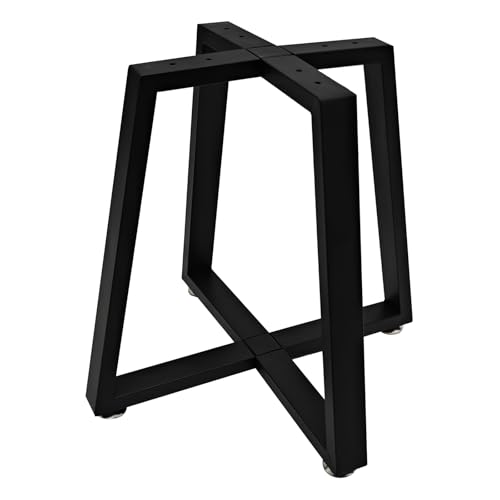
Metal Coffee Table Base Only,Round End Table Legs,Dining Table Base 16 Inch | Made of Hard Iron,4 Adjustment Pads,Easy To Install,Satisfy Family DIY,Stabilize The Table And Protect The Floor
Check price on Amazon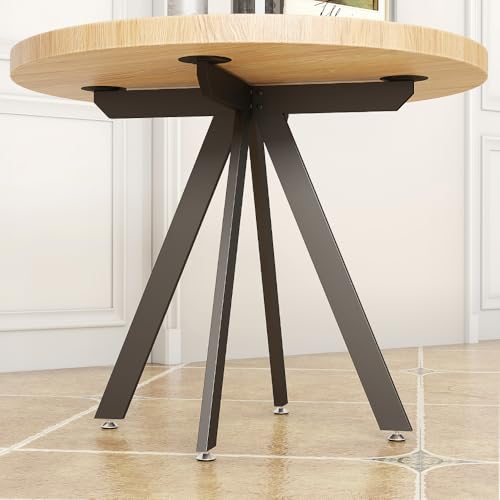
KaKaBB 28 Inch Metal Round Table Legs, Heavy Duty Round Table Base for Marble, Wood, Glass Top, Desk Legs with Suction Cups (+ Shape, 28Inch)
Check price on Amazon
Metal Table Legs 28 Inch, Round Dining Table Base Fits Glass Marble Wood | 1000LBS Capacity, Golden Ratio Easy To Install with Suction Cups, 4 Adjustment Pads, Suitable for Indoor and Outdoor Use
Check price on Amazon
Round Coffee Table Legs,Coffee Table Base Only,Metal End Side Table Leg | 16 Inch,Made of Hard Iron,3 Adjustment Pads,Easy To Install,Satisfy Family DIY,Stabilize The Table And Protect The Floor
Check price on Amazon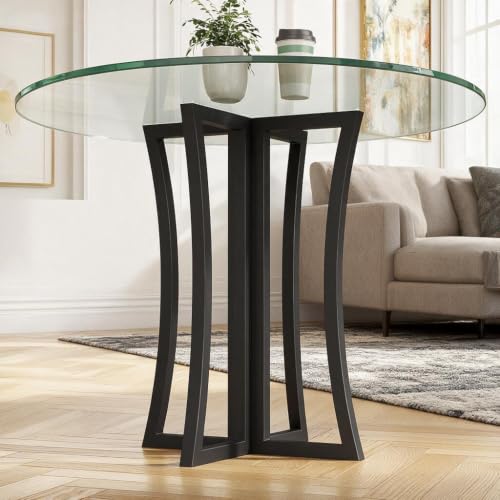
LBSLMJB Metal Table Base, 28 Inch, Black, for Glass and Wood Tops | DIY dining table and desk projects; suction cups and pre-drilled mounting holes for different tabletop materials
Check price on Amazon