
Retro Dining Table and Chairs: A Complete Buying Guide
Bring nostalgic charm to your dining space with a retro dining table and chairs set. Explore vintage styles, materials, sizing, and practical buying tips before you choose your centerpiece.
EXPLORE THE GUIDEWhy retro dining sets endure: A retro dining table and chairs set brings character, warmth, and a sense of history into the home. Whether you love the bold colors of the 1950s diner era, the clean lines of mid-century modern design, or the playful curves of 1960s kitchen tables, a well-chosen retro set can anchor your dining room with personality that mass-produced contemporary furniture rarely matches. This guide walks you through every decision point so you can choose with confidence.
What Defines a Retro Dining Table and Chairs Set
Retro dining furniture refers to designs that revive or reference the aesthetics of the mid-20th century — roughly the late 1940s through the 1970s. The term covers a broad spectrum, from faithful reproductions of iconic diner sets to modern reinterpretations that borrow vintage color palettes and silhouettes. Understanding the key hallmarks helps you identify a genuinely retro-inspired piece rather than furniture that merely looks dated.
Key Hallmarks of Retro Design
- Curved silhouettes: Rounded table edges, soft chair backs, and tapered legs are recurring features, especially in mid-century and 1960s styles.
- Bold or pastel color palettes: Retro sets frequently embrace chrome, cream, turquoise, mustard, coral, and mint tones that stand out against neutral interiors.
- Mixed materials: Chrome and steel frames paired with laminate tops, vinyl upholstery, or wood veneers were hallmarks of the era.
- Compact proportions: Many vintage kitchen tables were designed for smaller homes, making retro sets naturally suited to compact dining spaces.
- Distinctive chair forms: Molded fiberglass shells, upholstered diner chairs, and spindle-back wooden chairs each signal a different retro sub-style.
A retro dining table and chairs set is not just furniture — it is a design statement. If you are also considering how the set will fit into a compact apartment, the principles in our guide to a dining table and chairs for a small apartment apply equally to retro layouts.
Popular Retro Styles for Dining Sets
Retro is an umbrella term, and the specific style you choose shapes everything from material selection to chair comfort. Here are the most common retro dining aesthetics and what distinguishes each.
1. Mid-Century Modern
Characterized by clean lines, tapered wooden legs, and organic curves. Walnut and teak finishes dominate, often paired with upholstered chairs in muted tones. Mid-century modern sets tend to be more refined than playful, making them versatile across both vintage and contemporary interiors. A retro dining table set in this style often features a rectangular or oval top with splayed legs.
2. 1950s Diner Style
Chrome-edged laminate tabletops, vinyl-upholstered chairs, and bright color combinations define the classic diner look. These sets are durable and easy to clean, making them popular for kitchens and casual dining areas. The retro 60s dining table aesthetic often overlaps with this style, adding slightly more rounded shapes and softer pastels.
3. 1960s and 1970s Kitchen Sets
Warmer wood tones, Formica surfaces, and curved chair backs are typical. These sets often emphasize compact footprints and practical family living, with drop-leaf or extendable options appearing frequently. Our guide to fold-away dining tables with chairs is useful if space flexibility matters to you.
4. Vintage Farmhouse with Retro Touches
Some retro sets blend traditional farmhouse construction with retro color treatments or hardware. If you lean toward this blend, explore vintage farmhouse dining tables for complementary inspiration.
Materials and Construction in Retro Dining Sets
The materials used in a retro dining table and chairs set directly affect durability, maintenance, and how faithfully the piece captures the vintage look. Here is what to look for by material category.
Tabletop Materials
- Laminate and Formica: The classic diner surface. Durable, easy to clean, and available in solid colors or patterns. Entry-level and mid-range sets frequently use laminate with decorative edge banding.
- Solid wood and wood veneer: Walnut, teak, oak, and beech are common in mid-century styles. Solid wood offers repairability, while veneer provides affordability and consistent grain patterns.
- Glass tops: Some 1960s and 1970s designs pair glass with sculptural bases. Glass is visually light but demands careful maintenance; our guide to a small glass dining table and chairs covers practical considerations.
- Marble and stone: Less common in strict retro designs but seen in high-end reproductions. A round Carrara marble dining table can pair beautifully with mid-century chairs.
Frame and Leg Materials
- Chrome and steel: Essential to diner and 1960s styles. Look for rust-resistant plating and reinforced joints on mid-range and premium sets.
- Solid wood legs: Common in mid-century designs. Tapered legs are a signature detail; our article on turned dining table legs explains construction differences if you prefer traditional profiles.
- Cast aluminum and molded metal: Found in some 1950s patio-influenced designs, offering lightweight durability.
Chair Upholstery and Shells
- Vinyl and faux leather: The most authentic diner choice and the easiest to wipe clean. Premium vinyls offer better resistance to cracking over time.
- Fabric and velvet: Softer and more refined for mid-century upholstered chairs. Fabric requires more maintenance but suits formal dining areas.
- Molded fiberglass and plastic shells: Iconic to mid-century modern. Modern reproductions often use polypropylene for improved durability.
Material choices should also account for the overall dining table frame construction. A reinforced frame with quality joinery is what separates a set that lasts a decade from one that wobbles within a year.
Sizing and Seating Capacity
Retro sets come in a surprisingly wide range of sizes, and choosing the right footprint is critical — especially since many retro designs are intended for compact kitchens.
Common Retro Set Configurations
- Two-seater sets: Ideal for breakfast nooks and small apartments. A dining table and chair set for 2 in a retro style keeps a small space full of character without crowding.
- Four-seater sets: The most common retro configuration. A dining table 4 seater set balances everyday usability with a manageable footprint.
- Round and oval tables: Round tops encourage conversation and fit well in corners. Explore small round dining table and chairs options and vintage oval dining tables for softer silhouettes.
- Drop-leaf and extendable: Perfect for homes that host occasionally. Our guide to a drop-leaf dining table explains how these mechanisms work and what to check.
Key Measurements to Confirm
- Table height: Standard dining height is typically around 30 inches, but retro sets occasionally sit slightly lower or higher. Verify against the ideal height of a dining table to ensure chair compatibility.
- Chair-to-table clearance: Chairs should slide under the table comfortably. Sets designed with this in mind — like a dining table with chairs that fit underneath — maximize floor space.
- Room walkway: Allow at least 36 inches of clearance around the table for comfortable movement, more if the room is a primary circulation path.
Chair Comfort and Ergonomics
A retro dining set is only as good as the chairs you sit in. Vintage designs sometimes prioritized form over comfort, so modern reproductions and well-restored originals often improve on the original ergonomics. Here is what to evaluate.
Seat Depth and Height
Look for seats approximately 17 to 19 inches deep and 17 to 18 inches high. Retro diner chairs often sit at the upper end of this range; pair them with tables around 30 inches tall for proper alignment.
Back Support
Mid-century chairs with curved plywood or molded shells generally offer good lumbar support. Upholstered diner chairs with tall backs are comfortable for longer meals, while low-back spindle designs suit shorter gatherings.
Upholstery and Padding
Firm padding with a resilient foam core outlasts soft, deep cushioning. For families with children, vinyl covers are far easier to maintain than fabric. If you prefer a modern upholstered alternative, our guide to upholstered dining chair selection covers padding and fabric choices in detail.
Chair Weight and Stability
Heavier chairs with reinforced joints feel more stable and last longer. Check for wobble at the joints, and confirm that chair legs have protective glides to prevent floor scratches.
Quality Tiers Explained
Retro dining sets span a wide range of construction quality. Rather than focusing on numbers, use the tier system below to understand what you get at each level and where the sensible trade-offs lie.
| Tier | Typical Construction | Best For |
|---|---|---|
| Entry-Level | Laminate or veneer tops, tubular steel frames, basic vinyl upholstery, flat-pack assembly | First apartments, casual kitchens, occasional-use dining |
| Mid-Range | Reinforced steel or solid wood frames, higher-grade laminate or wood veneer, improved foam cushioning | Everyday family dining, retro enthusiasts seeking longevity |
| Premium | Solid wood construction, quality chrome plating, dense foam, UV-resistant finishes | Primary dining rooms, design-conscious households |
| Luxury / Flagship | Hand-finished solid hardwood, authentic period-accurate reproductions, premium upholstery and joinery | Collectors, heritage interiors, statement dining spaces |
Within the mid-range tier, you will often find sets that combine a solid wood base with a laminate top — a practical balance that keeps weight manageable while improving durability. Premium sets justify their positioning through reinforced joinery and materials that resist wear over many years.
Matching a Retro Set to Your Room
A retro dining table and chairs set can feel out of place if it clashes with the surrounding architecture or dominates the room. Use these guidelines to integrate it naturally.
Color Coordination
Retro palettes are bold by nature. If the set is turquoise or mustard, keep walls and flooring neutral so the furniture remains the focal point. For wood-toned mid-century sets, warm neutrals and muted greens create a cohesive look. Our guide to a neutral dining table palette offers a useful framework for balancing strong colors.
Space and Flow
Retro sets often have distinct silhouettes that need breathing room. Avoid crowding them with oversized sideboards or tightly placed wall art. If your dining area is open plan, review layouts for open concept dining layouts to ensure the set reads as a defined zone.
Lighting
Pendant lights with exposed bulbs or sputnik-style fixtures complement mid-century and diner aesthetics. Position lighting centrally over the table and avoid casting harsh shadows across the chairs.
Flooring and Rugs
A rug helps define the dining zone and protects flooring. Rectangular rooms suit rectangular tables; round tables pair well with round or square rugs. Our dining table rug placement guide explains recommended proportions.
Care and Longevity for Retro Dining Sets
Retro furniture rewards good maintenance. The care routine depends heavily on the materials you select, but a few general principles apply across all retro sets.
Laminate and Chrome Surfaces
- Wipe daily with a soft damp cloth and mild soap; avoid abrasive pads that dull the finish.
- Dry chrome immediately after cleaning to prevent water spots; apply a light metal polish occasionally.
- Use placemats and coasters to prevent heat marks and scratches.
Solid Wood and Veneer
- Dust regularly and wipe with a slightly damp cloth; dry immediately.
- Re-oil or wax wood surfaces according to the manufacturer’s recommendation, typically once or twice a year.
- Keep the set away from direct sunlight and heat sources to minimize fading and cracking.
Upholstery
- Vacuum fabric chairs weekly to remove crumbs and dust.
- Treat spills immediately; vinyl can be wiped, while fabric may require spot cleaning with a suitable cleaner.
- Rotate cushions where possible for even wear.
If you notice scratches or minor damage, our dining table scratch touch-up guide explains safe methods for wood, laminate, and painted surfaces.
Common Buying Mistakes to Avoid
Buying a retro set is part design decision, part practical assessment. These are the missteps that most often lead to disappointment.
- Ignoring chair comfort during the viewing: Sit in the chairs for several minutes before committing. Aesthetic appeal fades quickly if the seat is uncomfortable.
- Overestimating room size: Retro sets can look compact online but feel large once assembled. Measure your floor area and walkways carefully.
- Choosing color without considering the whole room: A bold set is a permanent commitment. Confirm that the color works with existing flooring, walls, and lighting.
- Overlooking assembly complexity: Some retro reproductions require detailed assembly. Check whether tools and instructions are included and whether you are comfortable with the process.
- Underestimating maintenance: Vinyl and chrome are easy to care for, but fabric and solid wood demand more attention. Match materials to your lifestyle.
- Buying without verifying chair-table height compatibility: Always confirm the seat height and table height work together for comfortable dining.
Final Buying Checklist
Before you purchase a retro dining table and chairs set, run through this checklist to confirm every practical detail.
- Confirm the table dimensions fit your available floor space with at least 36 inches of walkway clearance.
- Verify seat height and table height compatibility for comfortable dining.
- Check chair weight capacity and frame stability.
- Review material durability against your household’s needs (children, pets, daily use).
- Confirm whether the set requires assembly and what tools are needed.
- Read verified buyer feedback for real-world durability and comfort signals.
- Confirm the return policy and warranty coverage.
- Plan placement to avoid direct sunlight, heat sources, and high-traffic walkways.
Ready to Choose Your Retro Dining Set?
Use the recommended product section below to compare curated retro dining table and chairs options. Check availability and read full product details to find the set that fits your space, style, and daily needs.
VIEW RECOMMENDED SETSRecommended Retro Dining Table and Chairs Sets
⚠️ AFFILIATE DISCLOSURE: This website contains affiliate links. As an affiliate Associate, we earn from qualifying purchases. If you make a purchase through these links, we may receive a small commission at no additional cost to you. Read our full affiliate policy.

Coaster Retro Diner 5-Piece Oval Dining Table Set, White and Black 2065-S5 | 60-inch oval white table with four black padded faux-leather chairs and bright chrome frames
Check price on Amazon
SilkWood Studio Ramsey Retro Faux Leather Dining Chairs Set of 2, Red/White
Check price on Amazon
Coaster Retro Diner 5-Piece Round Dining Table Set, White and Red 2388-S5R | 42-inch round white table with four red padded faux-leather chairs and bright chrome frames
Check price on Amazon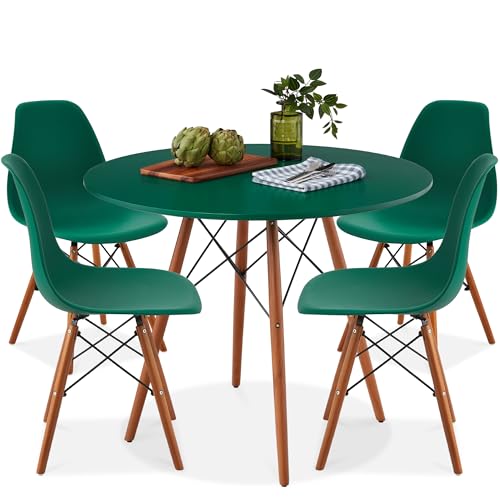
Best Choice Products 5-Piece Mid-Century Dining Set - Dark Green/Walnut | Compact modern table & chair set w/ 4 chairs, plastic seats, wooden legs & metal frame for home or apartment
Check price on Amazon
Coaster Retro Metal Chrome Faux Leather Dining Chairs Set of 2, Black 2066 | Two black faux-leather side chairs with padded seats and backs, chrome frames and a 19.5-inch seat height
Check price on Amazon
Coaster Retro Diner 42-Inch Round Dining Table with Chrome Legs, White 2388 | Round white laminate top with chrome trim and metal legs; 42 inches wide and 30 inches high
Check price on Amazon
Coaster Retro Diner 60-Inch Oval Dining Table with Chrome Legs, White 2065 | Oval white laminate top with chrome trim and metal legs; 60 inches wide and 29.5 inches high
Check price on Amazon
Best Choice Products 5-Piece Padded Dining Set - Walnut/Olive Green | Compact mid-century modern table & 4 chairs w/ cushioned seats, padded backrests & wooden frame
Check price on AmazonFrequently Asked Questions
What period counts as “retro” for dining furniture?
Retro generally refers to styles from the late 1940s through the 1970s. Within that span, mid-century modern, 1950s diner, and 1960s–70s kitchen styles are the most common retro dining aesthetics. Modern reproductions and retro-inspired new designs also fall under the term.
Are retro dining sets comfortable for daily use?
Yes, provided you choose a set with adequate seat depth, supportive backs, and firm padding. Many modern reproductions improve on the original ergonomics. Always sit in the chairs before committing if possible.
How do I know if a retro set will fit my dining room?
Measure your table footprint, add 36 inches on each side for walkway clearance, and compare against your room dimensions. Confirm doorways and hallways can accommodate the set during delivery and assembly.
Are laminate tabletops durable enough for family use?
Quality laminate is highly durable and easy to clean, making it well suited to family dining. Entry-level laminates may chip at edges over time; mid-range and premium sets typically use reinforced edges that hold up better.
Can a retro dining set work in an open-plan space?
Yes. Define the dining zone with a rug or pendant lighting, and keep surrounding furniture heights proportionate. Bold retro colors work best when the rest of the room remains neutral.
Final Thoughts
A retro dining table and chairs set is a long-term design investment as much as a functional purchase. By confirming sizing, materials, construction quality, and comfort before you buy, you can choose a set that brings warmth and character to your dining space for years to come. Use the tier framework and checklist above to narrow your options, and take advantage of the recommended product section to compare specific sets that match your chosen style.