
Replacement Dining Table Leaf: Complete Buyer's Guide
Everything you need to source, measure, and fit a replacement leaf for your extendable or drop-leaf dining table — so your table keeps serving family meals for years to come.
Why You Might Need a Replacement Dining Table Leaf
Dining table leaves are removable panels that extend the tabletop for larger gatherings. Over time, they can become lost during moves, damaged by moisture, or simply wear out from repeated insertion and removal. Common scenarios include:
- Lost or misplaced leaves after a house move or storage clear-out.
- Warping or swelling from humidity changes, especially in solid wood leaves stored in damp spaces.
- Surface damage such as scratches, water rings, or heat marks that cannot be refinished economically.
- Mismatched leaves inherited with a second-hand table, where the original leaf is missing or the wrong size.
- Upgrading to a thicker or more durable leaf for a table that is used daily.
If your table is an antique or vintage model, sourcing an exact replacement can be challenging — but it is often possible through specialist woodworkers or by adapting a compatible leaf from a similar table. For tables with proprietary mechanisms, checking the manufacturer first is the fastest route. You may also find that a antique extension dining table benefits from a custom-made leaf that matches its original joinery.
Types of Dining Table Leaves and How They Fit
Before you shop, identify which leaf system your table uses. The three main types are:
1. Drop-Leaf Tables
Drop-leaf tables have hinged panels on one or both sides that fold down when not in use. The "leaf" is attached by hinges and supported by a swing leg or gateleg. Replacement here usually means a full hinged panel, not a loose insert. If you own a rustic drop-leaf dining table or an oak drop-leaf dining table, check the hinge type and panel thickness before ordering a replacement.
2. Extension Tables with Loose Leaves
These tables separate in the middle and accept one or more loose leaves. The leaf sits on wooden rails or metal tracks and is secured by alignment pins or a locking mechanism. This is the most common type for antique extension tables and many modern extendable models. The leaf's thickness, width, and alignment pin spacing must match the table's opening.
3. Butterfly or Self-Storing Leaves
Some tables store the leaf inside the table itself, folding out like a butterfly. Replacing this type is more complex because the leaf is integrated with the table's internal mechanism. It is usually best to contact the original manufacturer or a furniture restoration specialist.
| Leaf Type | Best For | Replacement Difficulty |
|---|---|---|
| Drop-leaf (hinged panel) | Compact kitchens, small dining nooks | Moderate — hinge and support leg must match |
| Loose extension leaf | Family dining rooms, holiday hosting | Easier — measure opening and thickness |
| Butterfly / self-storing | Premium and space-saving tables | Difficult — integrated mechanism |
How to Measure for a Replacement Leaf
Accurate measurements are the single most important step. A leaf that is even a few millimeters off can sit unevenly, wobble, or fail to lock into place. Follow this checklist:
- Opening width: Extend the table fully and measure the gap between the two table halves. This is the width your leaf must fill.
- Table depth: Measure from the front edge to the back edge of the tabletop. The leaf should match this depth exactly.
- Leaf thickness: Measure the thickness of the existing tabletop or, if you have a leaf, measure its thickness. The replacement must sit flush with the table surface.
- Alignment pin spacing: If your table uses alignment pins or dowels, measure the distance between them and their diameter. This is critical for a secure fit.
- Apron clearance: Check the height of the apron or skirt beneath the tabletop. The leaf must clear it when inserted.
- Rail or track type: Note whether the table uses wooden rails, metal slides, or a locking latch. Photograph the mechanism for reference.
For tables with unusual dimensions — for example, a 40 x 72 dining table or a 36-inch square dining table set — custom fabrication may be the most reliable route. If your table is a round counter-height dining table with a leaf, the leaf is usually a pie-shaped or rectangular insert, and measurement should follow the table's specific geometry.
Pro Tip: Create a Measurement Card
Write down all measurements on a card and keep it with your table's documentation. Include the table's brand, model number (if visible), leaf type, and a photo of the locking mechanism. This makes future replacement orders much easier and helps a woodworker quote accurately.
Choosing the Right Material for Your Replacement Leaf
The material affects durability, weight, appearance, and how well the leaf matches your existing table. Here is how the main options compare:
Solid Wood
Solid wood leaves are the most durable and can be sanded and refinished if damaged. Oak, walnut, maple, and teak are common choices. A solid wood leaf is heavier, so check that your table's rails and locking mechanism can support it. It also expands and contracts with humidity, so store it in a climate-controlled space. If you own a vintage teak dining table or a natural teak dining table, a matching teak leaf is the ideal choice for both appearance and durability.
Veneered Engineered Wood
Veneered leaves use a thin layer of real wood over a stable core such as MDF or plywood. They are lighter than solid wood, more dimensionally stable, and usually more consistent in appearance. The trade-off is that veneer cannot be sanded as aggressively if damaged. This is a solid choice for mid-range tables where matching the grain pattern is important.
Glass
Glass leaves are used on glass-top tables, particularly glass dining room tables with extensions and 6-foot glass dining tables. Replacement glass must be tempered and match the thickness and edge profile of the original. Glass leaves are easy to clean but can chip if handled roughly.
Laminate or Composite
Laminate leaves are practical for casual or outdoor tables. They resist moisture and stains well, but they cannot be refinished. They are a reasonable choice for glass-top wicker outdoor dining tables or other outdoor settings where a wood leaf might swell.
| Material | Durability | Best For |
|---|---|---|
| Solid wood | High — refinishable | Heirloom and daily-use tables |
| Veneered engineered wood | Moderate — stable and light | Mid-range tables, easy handling |
| Tempered glass | High — chip-resistant if handled carefully | Glass-top tables |
| Laminate / composite | Moderate — moisture-resistant | Casual and outdoor tables |
Matching the Finish to Your Existing Table
A replacement leaf that fits perfectly but clashes in color will always look like an afterthought. Finish matching involves three variables: wood species, stain color, and sheen level.
- Wood species: Oak, walnut, maple, and teak each have distinct grain patterns and natural colors. Choose a species that matches your table, or one that takes stain similarly.
- Stain color: Bring a small sample of your tabletop — or high-quality photos in natural light — to a finish specialist. They can tint a new leaf to match.
- Sheen level: Matte, satin, semi-gloss, and gloss finishes reflect light differently. A satin finish on a gloss table will be noticeable. Specify the sheen when ordering.
- Aging: Wood darkens or lightens over time. A new leaf may look slightly different from an aged table. A skilled finisher can replicate the aged tone.
If you are restoring an older piece, read our guide to redoing a dining room table for refinishing tips that apply equally to leaves. For tables in a modern style, such as a white oak modern dining table, a clean satin finish with a subtle grain match is usually the best approach.
Where to Source a Replacement Leaf
There are four main routes, each with trade-offs:
1. Original Manufacturer
The most reliable option if your table is still in production. Contact the brand with your model number and proof of purchase. Many manufacturers keep spare leaves or can fabricate one to spec. This is especially useful for proprietary butterfly-leaf mechanisms.
2. Specialist Furniture Restorers
For antique or vintage tables, a restorer can fabricate a leaf that matches the original joinery, wood, and finish. This is the best route for antique dining tables and chairs or vintage circular dining tables where authenticity matters.
3. Custom Woodworkers
A local woodworker can build a leaf to your exact measurements, including alignment pins and edge profiles. This is often the most flexible option for unusual sizes or tables with non-standard mechanisms.
4. Universal or Aftermarket Leaves
Some retailers sell universal leaves that can be trimmed or adapted. These are a reasonable choice for simple loose-leaf tables, but they rarely match proprietary locking systems. Always confirm the return policy before ordering.
If you are also considering a different table style altogether, our guides to modern dining table styles and 50s-style dining tables can help you compare options before committing to a replacement.
Fitting and Caring for Your New Leaf
Once your leaf arrives, test-fit it before making any adjustments:
- Extend the table fully and clean the rails or tracks.
- Insert the leaf gently, checking that alignment pins seat correctly.
- Press down on all corners to confirm the leaf sits flush with the tabletop.
- Engage the locking mechanism and gently rock the table to check for wobble.
- If the leaf is tight, do not force it — sand the edges lightly or consult a professional.
To keep your leaf in good condition, store it flat in a dry, climate-controlled space when not in use. Avoid leaning it against a wall for long periods, which can cause warping. For solid wood leaves, apply a furniture wax or polish periodically to maintain the finish. If your table is used daily, consider a protective pad under the leaf when stored.
For more maintenance guidance, see our articles on dining table cloth sets and table cloths for dining tables, which can protect the leaf surface during meals.
Frequently Asked Questions
How do I measure for a replacement dining table leaf?
Measure the table's opening width, the depth from front to back, and the thickness of the existing top. Also check alignment pin spacing and the rail or track type. Record all measurements and photograph the locking mechanism before ordering.
Can I buy a replacement leaf for any extendable table?
Many extendable tables use proprietary leaf designs, so check with the manufacturer or a specialist supplier first. Universal leaves exist but must match the apron, thickness, and locking mechanism to fit securely.
What materials are used for replacement table leaves?
Solid wood, veneered engineered wood, tempered glass, and laminate are common. Solid wood offers durability and refinishing options, while veneered boards are lighter and more dimensionally stable.
How do I match the finish of my replacement leaf to my table?
Bring a small existing sample or detailed photos to a woodworker or finish specialist. Stain color, sheen level, and wood species all affect how closely the new leaf blends with the original table.
Can I use a replacement leaf on a drop-leaf table?
Drop-leaf tables use hinged panels rather than loose inserts. Replacement usually means a full hinged panel with matching hinges and a support leg. Measure the panel dimensions and hinge type carefully, or consult a furniture restorer.
Ready to Find Your Replacement Leaf?
Explore our recommended replacement dining table leaves and extension accessories below. Check availability and compare features to find the right fit for your table.
View Recommended LeavesRecommended Replacement Dining Table Leaves
⚠️ AFFILIATE DISCLOSURE: This website contains affiliate links. As an affiliate Associate, we earn from qualifying purchases. If you make a purchase through these links, we may receive a small commission at no additional cost to you. Read our full affiliate policy.

Table Pad Leaf - Replacement Leaf for Lost or Damaged Pads NOT Full Table
Check price on Amazon
Briwooody 2 Pack 26" Standard Table Extension Slides Set Table Extender | (allows for Max 52" Opening) for Dining Table with 4 Legs Smooth Extension and Easy Installation, 26" L, 2.75" W, 2.38" H
Check price on Amazon
SDTC Tech 2 Pack Dining Table Locks Spring Table Leaf Buckle Connector | Heavy Duty Dining Training Table Latches Metal for Tables Leaf, Extension Tables, Conference Desks (Bronze)
Check price on Amazon
Coaster Bucknell 3-Piece Round Drop Leaf Dining Table Set Natural 130006 | Round drop-leaf table and two ladder-back chairs in Natural, with beige padded seats; expands from 21 to 35 inches
Check price on Amazon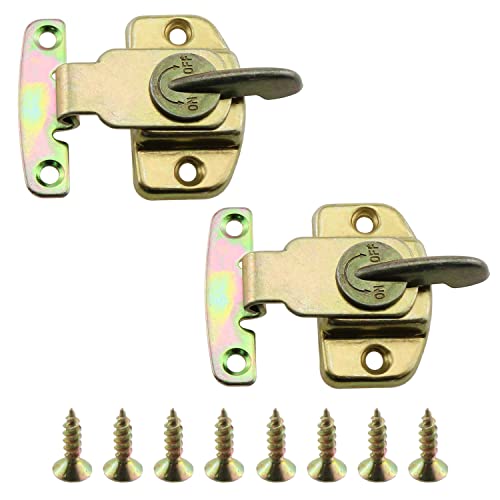
Heyous 2PCS Heavy Duty Dining Training Table Buckles Connectors Align-N-Lock Table Locks for Table Leaf, Extension Tables, Computer Workstations and Conference Tables, Colored Zinc
Check price on Amazon
HJGarden 20PCS Black Steel Table Leaf Leveler Furniture Hardware Furniture Hardware Horizontal Buckle Fasteners for Desks, Cabinet Dining Tables
Check price on Amazon
VINGLI 31.5" Drop Leaf Dining Table Set for 2, 3 Pieces Dining Table with Chair for Small Space, Small Kitchen Extendable Folding Dining Table for Dining Room,Home, Apartment, Saving Places, Walnut
Check price on Amazon