
Low Height Dining Table: The Complete Guide to Comfort, Style & Smart Space Planning
Everything you need to know before choosing a low dining table — from ideal heights and seating pairings to materials, styles, and room layout tips. Make a confident, well-informed decision for your home.
Explore Recommended PicksWhat Is a Low Height Dining Table?
A low height dining table is a table whose surface sits closer to the floor than a conventional dining table. While standard dining tables typically stand around 30 inches high, low dining tables usually range from 28 to 30 inches — and some floor-level designs sit as low as 12 to 18 inches. These compact, grounded designs have grown steadily in popularity among homeowners who value relaxed dining, open sightlines, and flexible room layouts.
The term covers a wide spectrum. At the upper end, a low dining table may simply be a slightly shorter version of a standard rectangular or round table, paired with low-back chairs or benches. At the lower end, you will find Japanese-inspired chabudai-style tables and floor-level designs that encourage cushioned seating and a more casual, lounge-like atmosphere.
What unites all low height dining tables is their ability to change how a room feels. Because the table occupies less vertical space, the surrounding area appears more open and airy — a quality that matters greatly in compact apartments, studio layouts, and open-plan living spaces. If you are working with a limited footprint, our guide to dining table options for small spaces pairs well with the ideas discussed here.
Key Benefits of Choosing a Low Dining Table
Going low is not just an aesthetic decision — it brings practical advantages that many households appreciate once they experience them. Here are the most significant benefits to weigh as you research your options.
1. A More Open, Spacious Feel
Because a low table blocks less of your line of sight, the room behind and around it remains visible. This visual continuity makes small dining areas feel larger and helps open-plan kitchens and living rooms flow more naturally. If your dining zone sits close to a window or an open doorway, a low table preserves the view and keeps the space from feeling boxed in.
2. Relaxed, Casual Dining Atmosphere
Low tables naturally encourage a slower, more conversational style of eating. They work beautifully for family meals, informal gatherings, and households that prefer a lounge-like environment over formal dining. Many people find that low seating reduces the stiffness of traditional dining and makes guests feel more at ease.
3. Excellent for Small Spaces and Multi-Use Rooms
In studio apartments or rooms that double as a workspace, a low dining table can serve multiple purposes. It functions as a dining surface, a coffee-table alternative, a craft station, or a homework spot. The lower profile also makes it easier to tuck away or reposition when the room needs to switch functions. Pairing a low table with a compact bench is a particularly space-efficient strategy — our guide to a small dining table and bench set explores this setup in more depth.
4. Great for Families with Young Children
Low tables are easier for toddlers and young children to reach, which can make family meals more inclusive. Many parents also appreciate that a low surface reduces the risk of heavy falls compared to tall, bar-style tables. With rounded edges and sturdy construction, a low dining table can be a family-friendly centerpiece for years.
5. Versatile Styling Potential
From Japanese minimalism to Scandinavian warmth to rustic farmhouse charm, low tables fit a wide range of interior styles. They pair beautifully with floor cushions, low benches, poufs, and compact stools — giving you plenty of room to express your personal taste. If you are drawn to natural textures, a wooden picnic-style dining table offers a similarly relaxed, grounded feel that complements low-profile designs.
Height & Seating Guide: Getting the Proportions Right
The single most important factor in choosing a low height dining table is the relationship between table height and seat height. If the two are mismatched, even a beautifully made table will feel uncomfortable. Use the table below as a starting reference, then adjust based on your own body proportions and seating preferences.
| Table Type | Typical Surface Height | Recommended Seat Height | Best For |
|---|---|---|---|
| Standard dining table | 28–30 inches | 17–19 inches | Formal and everyday dining |
| Low-profile dining table | 24–27 inches | 14–17 inches | Relaxed family meals, casual entertaining |
| Floor-level dining table | 12–18 inches | Floor cushions or low stools | Lounge-style dining, meditation-inspired spaces |
| Counter-height table | 34–36 inches | 24–26 inches | Kitchen-adjacent dining, casual seating |
How to Test the Fit
Before committing to a low table, sit at it with the seating you plan to use. Your thighs should rest comfortably beneath the tabletop without pressing against it, and your forearms should rest naturally on the surface when you are eating. A good rule of thumb is to allow 10 to 12 inches of clearance between the seat and the underside of the table.
If you are unsure about proportions, adjustable-height designs can offer flexibility. Our article on the adjustable height dining table explains how these tables accommodate different seating arrangements and user preferences over time.
Popular Low Height Dining Table Styles
Low tables come in a rich variety of forms. The style you choose should reflect both your interior design preferences and the practical demands of your space.
Round Low Tables
Round low tables are sociable and space-efficient. With no corners to navigate, they suit compact rooms and encourage conversation. A simple round dining table in a low profile works especially well in breakfast nooks and open-plan apartments. For a more decorative option, consider a boho round dining table with natural textures and warm finishes.
Rectangular Low Tables
Rectangular low tables offer generous surface area and fit neatly against walls. They are a strong choice for narrow rooms and for households that need extra prep or serving space. If you like the idea of a low table that can still seat a crowd, an extendable high-top dining table in a lower height variant may offer useful flexibility — though always confirm the specific height before purchasing.
Square Low Tables
Square low tables are compact and symmetrical, making them ideal for two to four diners. A 2-person square dining table in a low height is a wonderful fit for cozy apartments and reading nooks. For slightly larger gatherings, a 32-inch square dining table offers a balanced footprint without overwhelming the room.
Floor-Level & Chabudai-Inspired Tables
At the lowest end of the spectrum, floor-level tables bring a distinctly calm, grounded presence to a room. These designs pair with floor cushions, meditation pillows, or low wooden stools. They are especially popular in Japanese-inspired and minimalist interiors, and they can double as a low coffee table when not in use for dining. If this style appeals to you, our guide to the low-to-the-ground dining table explores the practical considerations in detail.
Drop-Leaf & Folding Low Tables
For maximum flexibility, drop-leaf and folding low tables let you expand or shrink the dining surface as needed. A small drop-leaf dining table and chairs set is a smart choice for guests who occasionally need extra seating. Similarly, a small folding outdoor dining table can bring the same low-profile convenience to a patio or balcony.
Materials & Finish Options for Low Dining Tables
The material you choose affects durability, maintenance, and the overall character of your dining space. Below is a comparison of the most common options, organized by market tier so you can match your selection to your priorities.
Solid Wood — Entry-Level to Mid-Range
Pine, rubberwood, and mango wood offer durable construction at the entry-level and mid-range tiers. They are easy to maintain and bring warmth to a room. Expect some natural movement in the wood over time.
Solid Hardwood — Mid-Range to Premium
Oak, walnut, and teak sit in the mid-range to premium tiers. They offer superior durability, refined grain patterns, and long-term resilience. A solid oak or walnut low table is a worthwhile investment for daily use.
Glass & Metal — Balanced Tier
Glass tops with metal frames create a light, modern look. They are easy to wipe clean and visually expand small rooms. Look for tempered glass and rust-proof finishes for long-term durability.
Marble & Stone — Premium to Luxury
Marble and stone tops deliver a high-end tier aesthetic. They are heavy and require sealing to resist stains. A grey marble top dining table can be a stunning focal point in a low-profile design.
Composite & Resin — Essential Tier
Resin and composite tables are lightweight, weather-resistant, and well-specified for casual settings. They are a solid choice for outdoor patios and multi-use spaces where easy maintenance matters most.
Rattan & Wicker Accents — Specialty Tier
Rattan and wicker elements add texture and a relaxed coastal feel. They pair naturally with low tables and are often used in boho and tropical-inspired interiors. Check the weave quality for long-term durability.
Whichever material you choose, pay attention to the finish. Matte finishes hide fingerprints well, while glossy finishes reflect light and can make a room feel brighter. Oiled finishes bring out natural grain but require periodic re-oiling. If you are comparing surface options in more depth, our marble dining table guide and wooden dining table buying guide offer detailed material insights.
Low Dining Tables for Small Spaces and Compact Rooms
Low tables shine brightest in compact environments. Their reduced visual weight keeps small rooms from feeling cluttered, and their lower height often allows them to sit beneath windows or in alcoves where a standard table would not fit.
Space-Saving Layout Ideas
- Corner placement: Tuck a round or square low table into a corner and pair it with a curved bench or two stools. This frees up the center of the room.
- Under-window dining: A low table positioned beneath a window creates a bright, inviting breakfast spot without blocking the view.
- Multi-functional zones: Use the table as a dining surface during meals and as a low coffee table or workspace at other times. This is especially effective in studio apartments.
- Fold-away designs: Choose a drop-leaf or folding low table that can be collapsed when not in use. Our guide to a small area dining table set covers additional compact solutions.
Seating That Complements a Low Table
Low benches, backless stools, floor cushions, and poufs are natural companions for a low dining table. They are easy to move, easy to store, and they reinforce the relaxed character of the setup. If you prefer a more structured look, low-back chairs with a seat height of 14 to 17 inches will pair well with most low-profile tables.
For outdoor compact spaces, consider a small dining table for patio in a low height — these designs often combine weather-resistant materials with space-efficient footprints.
Indoor vs. Outdoor Use: What to Consider
Not every low table is suitable for outdoor placement. If you plan to use the table on a patio, balcony, or in a garden, check the material specifications carefully.
Indoor Low Tables
Indoor low tables can use a wider range of materials, including solid wood, marble, glass, and veneered composites. They are not exposed to rain or harsh sunlight, so maintenance is generally straightforward. Wood tables may still benefit from occasional oiling or waxing to preserve their finish.
Outdoor Low Tables
Outdoor-rated low tables are typically made from teak, aluminum, weather-resistant resin, or powder-coated steel. Teak is a premium option that naturally resists moisture and insects. Aluminum is lightweight and rust-proof when properly finished. Resin tables are an essential-tier choice that handles sun and rain well without much upkeep.
If you are furnishing a patio, our guide to the small outdoor dining table for 6 and the patio dining table set with umbrella can help you plan a complete outdoor dining zone. And for a low-profile outdoor option, a small folding outdoor dining table offers convenience and portability.
Low Height Dining Table Buying Checklist
Before you finalize your choice, run through this checklist to make sure the table you select fits your room, your seating, and your daily routine.
- Measure your room and walkways. Leave at least 30 inches of clearance around the table for comfortable movement. In tight rooms, 24 inches may be acceptable for occasional use.
- Confirm the table height. Decide whether you want a low-profile standard (28–30 inches), a counter-low design (24–27 inches), or a floor-level table (12–18 inches).
- Match your seating. Measure your existing chairs or plan to purchase seating with the correct seat height. Aim for 10–12 inches of clearance between seat and tabletop.
- Choose a durable material for your lifestyle. Households with young children may prefer easy-clean surfaces; households that entertain often may prefer solid hardwood.
- Consider storage and flexibility. Drop-leaf, folding, or nesting designs can make a low table more adaptable in multi-use rooms.
- Check the finish and edge profile. Rounded edges are safer for families; matte finishes hide wear better than glossy ones.
- Plan for outdoor use if needed. Only choose outdoor-rated materials if the table will be exposed to the elements.
- Read the assembly and care instructions. Some flat-pack low tables require significant assembly; others arrive fully assembled.
For further reading, our first dining table checklist covers the full decision process for new buyers, and the dining table buying mistakes guide highlights common pitfalls to avoid.
Recommended Low Height Dining Tables & Space-Saving Picks
⚠️ AFFILIATE DISCLOSURE: This website contains affiliate links. As an affiliate Associate, we earn from qualifying purchases. If you make a purchase through these links, we may receive a small commission at no additional cost to you. Read our full affiliate policy.
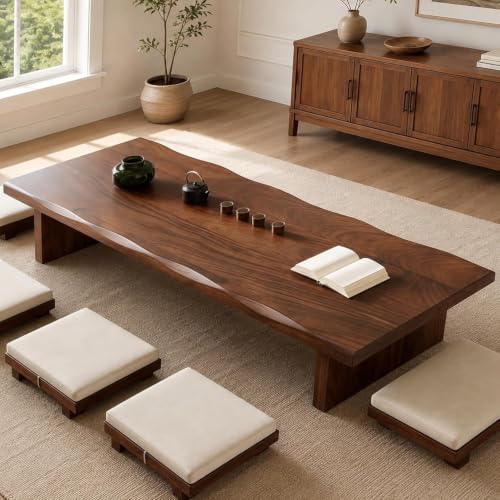
Sobstkeo 55" Solid Wood Japanese Floor Table, Low Dining Table for Floor Seating, Tatami Tea Table, Modern Chabudai Coffee Table for Living/Dining/Office (Walnut, 140 * 60 * 35cm)
Check price on Amazon
Ekjkldo Folding Japanese Floor Table -31.5 inch Bamboo Coffee Table Small | Low Coffee Table, Sturdy & Stable with 180 lbs Capacity, Floor Desk for Tea Room, Tatami, Dining, No Assembly
Check price on Amazon
DONGMUWUJEE Solid Wood Small Dining Table for 2-6, 23.6"L-47.2"L Expandable Kitchen Table, Designed for Small Spaces, Easy Assembly, Suitable for Kitchen, Dining Room, Living Room, Apartment (Walnut)
Check price on Amazon
Nnewvante Large Floor Desk Foldable Tray for Adults, Bamboo 33.5 x 17.7in | Folding Low Floor Table for Adults,Ideal for Gaming, Writing, Studying, Meals and RV Living
Check price on Amazon
Milostelom 44x22 Low Floor Folding Picnic Table | Portable low table for 4-6, with adjustable height, mortise & tenon joints, and runner for beach picnics.
Check price on Amazon
Memobarco 47.2" Dining Table for 4-6 People, Rectangular Kitchen Table | Modern Wooden Dining Room Table with Open Storage Shelf and Rounded Corners for Kitchen Living Room (Walnut)
Check price on AmazonFrequently Asked Questions About Low Height Dining Tables
What is considered a low height dining table?
A low height dining table typically has a surface height between 28 and 30 inches, compared to the standard 30 inches for most dining tables. Some floor-level designs sit even lower, around 12 to 18 inches, and are paired with floor cushions or low stools. The term covers a spectrum — from slightly lower standard tables to fully grounded, Japanese-inspired chabudai designs.
Are low height dining tables comfortable for everyday use?
Yes, when paired with the right seating. A low table with properly scaled chairs or benches allows natural posture and relaxed dining. The key is matching seat height to table height so your thighs fit comfortably beneath the surface and your forearms rest naturally. Aim for 10–12 inches of clearance between seat and tabletop.
Do low height dining tables work in small spaces?
They can be an excellent choice for small spaces. Their lower profile creates an open visual field, making compact dining areas feel less crowded. Many low tables also feature space-saving designs like drop leaves or folding mechanisms, which allow you to expand or reduce the dining surface as needed.
What materials are best for low height dining tables?
Solid wood is the most popular choice for durability and warmth. Oak, walnut, and teak are excellent mid-range to premium options. For a more contemporary look, glass and metal combinations work well. Marble and stone tops offer a luxury feel but require more careful maintenance. For outdoor use, look for teak, aluminum, or weather-resistant resin.
Can a low height dining table be used outdoors?
Some low tables are designed for outdoor use, particularly those made from teak, aluminum, or weather-resistant composite materials. Always check that the specific table is rated for outdoor exposure before placing it on a patio or deck. Folding low tables are especially convenient for outdoor use because they can be stored indoors when not needed.
How do I choose between a round and rectangular low dining table?
Round low tables are sociable and space-efficient, making them ideal for compact rooms and conversation-focused layouts. Rectangular low tables offer more surface area and fit neatly against walls, which suits narrow spaces and households that need serving or prep space. Consider your room shape, the number of diners, and whether you need to place the table against a wall.
Ready to Choose Your Low Dining Table?
Explore our recommended low height dining tables and space-saving picks above. Each selection is chosen for durability, design quality, and practical performance — helping you make a confident, well-informed purchase.
View Recommended Picks