
Wooden Dining Table Buying Guide
Learn how to choose a wooden dining table that fits your room, your daily life, and your long-term expectations — from wood species and construction to finishes and sizing.
A research-first guide for buyers who already know they want wood and need the details to decide well.
Why this guide matters: A wooden dining table is one of the most used pieces of furniture in a home, yet the differences between two tables that look similar in a showroom are often hidden in the species, the joinery, the drying process, and the finish. This guide walks you through each of those layers so you can judge a wooden table like an informed buyer — and avoid the mistakes that show up only after a year of daily use.
1. Why Choose a Wooden Dining Table
Wood remains the most popular material for dining tables for reasons that go beyond appearance. It is warm to the touch, forgiving in daily use, and repairable in ways that glass, stone, and metal are not. A solid wooden table can be sanded and refinished, meaning a scratch or a faded finish is rarely the end of the table's life.
Wood also ages visually in a way most owners appreciate. Patina, subtle color shifts, and the natural grain becoming more pronounced over time give a wooden table character that composite surfaces cannot replicate. For households that host often, wood offers a quiet, comfortable surface for plates, elbows, and conversation.
The trade-offs are real, though. Wood reacts to humidity, can be damaged by standing water and heat, and varies enormously in quality. Two tables made from the same species can behave very differently depending on how the lumber was dried, how the top was constructed, and how the base was engineered. Understanding those variables is the core of this guide.
If you are still weighing wood against other materials, our comparison of wood vs glass dining tables covers the practical differences in maintenance, acoustics, and styling.
2. Wood Species Compared
The species of wood determines hardness, grain character, color, movement in humidity, and how well the table accepts a finish. Hardwoods come from broad-leafed trees and are generally denser; softwoods come from conifers and are generally lighter and softer. For a dining table, hardness matters because it directly affects resistance to dents and scratches.
| Wood Species | Type | Character | Best For |
|---|---|---|---|
| Oak (white & red) | Hardwood | Open grain, very hard, takes stain well | High-traffic family tables, farmhouse and rustic styles |
| Walnut | Hardwood | Dense, rich brown tone, refined grain | Premium and luxury settings, modern and mid-century interiors |
| Maple | Hardwood | Very hard, fine closed grain, pale color | Clean modern looks, painted or natural finishes |
| Teak | Hardwood | Oily, naturally weather-resistant | Indoor dining and covered outdoor use |
| Cherry | Hardwood | Medium-hard, darkens with age | Traditional and transitional interiors |
| Mango | Hardwood | Dense, varied grain, eco-friendly sourcing | Mid-tier tables with strong visual character |
| Pine | Softwood | Soft, knotty, light color | Entry-level tables, casual and cottage styles |
| Rubberwood | Hardwood (plantation) | Uniform, moderate hardness | Entry-level and starter-tier tables |
How to read this table
Hardness is not the only factor. A very hard wood with poor grain alignment or inadequate drying can still crack. Likewise, a softer wood with excellent construction can outlast a harder wood built poorly. Use the species table as a starting filter, then evaluate construction in the next sections.
If you are drawn to the look of a particular species, our style hubs can help match it to your interior: rustic styling, farmhouse styling, modern styling, and Scandinavian styling.
3. Solid Wood vs Veneer Construction
This is one of the most misunderstood distinctions in furniture buying. "Solid wood" does not automatically mean high quality, and "veneer" does not automatically mean poor quality. What matters is how the top is built and what the seller means by the term.
Solid wood tops
A true solid wood top is made from planks of the same species, edge-glued together. It can be sanded and refinished repeatedly, which is why it is considered a long-term investment. The main risks are movement — solid wood expands and contracts with humidity — and internal stress if the planks were not properly dried or if the design does not allow for movement.
Veneer tops
Veneer is a thin layer of real wood applied over a stable substrate such as plywood or MDF. High-quality veneer offers excellent flatness, uses less of a scarce species, and can look identical to solid wood from above. The limitation is refinishing: there is only so much veneer thickness to sand, so a veneer top cannot be restored as many times as a solid top.
Engineered and mixed construction
Many mid-range and premium tables use a solid wood frame with an engineered core, or a solid wood top with a veneered apron and legs. These are not inferior by definition. In fact, engineered cores often resist warping better than fully solid tops in rooms with fluctuating humidity. The key question is whether the seller describes the construction honestly and specifically.
What to ask before buying
- Is the top solid wood, veneer over substrate, or a mixed construction?
- If solid, are the planks edge-glued or is it a butcher-block style?
- If veneer, what is the substrate, and how thick is the veneer layer?
- Has the lumber been kiln-dried, and to what moisture content?
- Does the design allow for seasonal wood movement?
4. Joinery, Base, and Build Quality
Construction is where two tables with identical species and finish separate into different quality tiers. Look at four areas: joinery, the base or leg system, the apron, and the tabletop attachment.
Joinery
Traditional joints such as mortise-and-tenon and dovetail distribute stress across a larger area than simple screws or staples. On a dining table, the most stressed joints are where the legs meet the apron and where the apron meets the top. Well-made tables often combine glued joints with mechanical fasteners for long-term stability. If you can see pocket screws only, that is a signal of a lighter build, though it is not automatically a defect in entry-level tables.
Base and leg system
Four-leg tables are the most common and generally the most stable for rectangular tops. Pedestal bases free up legroom and suit round and oval tables, but the pedestal must be wide and heavy enough to resist tipping. Trestle bases distribute weight well and are common in farmhouse and rustic designs. Whatever the style, check for cross-bracing or stretchers on larger tables; a long span without support tends to wobble over time.
Apron
The apron is the horizontal frame under the top. A deeper, thicker apron adds rigidity. On extendable tables, the apron also houses the extension mechanism, so its build quality matters even more. Our extendable vs fixed dining table comparison explains how the mechanism affects the overall build.
Tabletop attachment
Solid wood tops should be attached in a way that allows the top to move slightly. Figure-eight fasteners, z-clips, and slotted screw holes are common solutions. A top that is rigidly screwed down in every direction is more likely to crack as the seasons change. This is a small detail that separates informed construction from budget construction.
5. Finishes and Surface Protection
The finish is your table's first line of defense against spills, heat, and daily abrasion. It also determines how the wood looks and how much maintenance the table will need. There is no single best finish for every household; the right choice depends on how you use the table.
| Finish Type | Look | Protection | Upkeep |
|---|---|---|---|
| Matte polyurethane | Natural, low sheen | High | Low — wipe clean |
| Satin lacquer | Soft sheen, smooth | High | Low to moderate |
| Gloss lacquer | Reflective, formal | High | Moderate — shows marks |
| Hardwax oil | Natural, tactile | Moderate | Higher — periodic re-oiling |
| Danish oil / penetrating oil | Warm, close to raw wood | Moderate | Higher — reapply regularly |
For busy family tables, a matte or satin polyurethane or lacquer finish usually offers the best balance of protection and low maintenance. Oiled finishes are beautiful and easy to spot-repair, but they need regular reapplication and are less forgiving of standing water. If you want to understand how finishes fit into a wider care routine, our dining table surface care guide covers cleaning and protection in detail.
Finish choice also interacts with color strategy. A matte finish tends to soften strong grain and works well with a neutral dining table palette, while a satin sheen brings out depth in darker woods and pairs naturally with a harmonized color scheme.
6. Sizing and Shape for Your Room
Even an excellent wooden table will feel wrong if it does not fit the room. Sizing is a two-part decision: how many people you need to seat comfortably, and how much clearance remains around the table for chairs and walking.
Seating rules of thumb
- Allow roughly 24 inches of table width per seated person along each side.
- Allow about 12 to 15 inches of depth per place setting from the table edge.
- Keep at least 36 inches between the table edge and any wall or obstruction for comfortable chair pull-out and walking.
- For a round table, a 40-inch top seats four comfortably; 54 inches seats six; 60 inches and above suits larger gatherings.
Shape considerations
Rectangular tables maximize seating per square foot and suit long rooms. Round tables encourage conversation and flow better in compact or square rooms. Oval tables split the difference, offering a softer edge while keeping capacity. If you are deciding between the two most common options, our round vs rectangular dining table guide breaks down traffic flow, room shape, and hosting style.
Smaller rooms benefit from careful placement. Our guides to compact dining nook arrangement and dining table pathway width show how to keep a wooden table comfortable without crowding the space. If your room is open-plan, the open concept dining layouts guide addresses how a wooden table anchors a shared space.
7. Market Tiers: Entry-Level to Luxury
Wooden dining tables are sold across a wide quality spectrum. Rather than comparing prices, it helps to understand what each tier typically delivers in materials, construction, and finish. The descriptors below describe relative market position and should be read as a guide to expectations, not a ranking of brands.
| Tier | Typical Materials | Construction Signals | Best For |
|---|---|---|---|
| Entry-level / starter tier | Rubberwood, pine, mixed hardwood, veneer over MDF | Pocket screws, simpler joinery, thinner tops | First apartments, temporary setups, light daily use |
| Mid-range / mid-tier | Solid mango, oak, or acacia with veneered accents | Glued and screwed joints, thicker aprons, better finishes | Family homes, regular daily use, balanced investment |
| Premium / high-end tier | Solid oak, walnut, maple, teak | Mortise-and-tenon joinery, kiln-dried lumber, quality lacquer | Long-term family tables, design-led interiors |
| Luxury / flagship tier | Select-grade walnut, white oak, rare species, book-matched veneers | Hand-finished joinery, engineered movement control, premium hardware | Statement pieces, formal dining rooms, collector-grade furniture |
Tier descriptors are most useful when combined with the specific construction questions in Section 4. A mid-tier table with honest joinery and good drying can outperform a premium table from a brand that prioritizes appearance over build. If you want to see how this plays out across real product categories, browse our highest rated dining tables and editor's choice dining tables roundups, or compare popular dining table brands for patterns in construction and warranty terms.
8. Care, Humidity, and Longevity
Wood is a living material in the sense that it responds to its environment. Indoor heating in winter and humid summers cause expansion and contraction. A well-built wooden table is designed to accommodate this movement, but the owner's environment still matters.
Humidity control
Indoor relative humidity between roughly 40% and 60% is generally comfortable for wood furniture. Extended periods far outside that range increase the risk of gaps, warping, or finish checking. If your home swings widely, a simple hygrometer and a humidifier or dehumidifier can protect a long-term investment.
Daily habits that extend table life
- Use coasters for cold drinks and trivets for hot dishes.
- Wipe spills promptly, especially on oiled finishes.
- Avoid placing the table near radiators, heating vents, or direct strong sunlight.
- Use felt pads under decorative objects that are moved frequently.
- Dust with a soft, slightly damp cloth rather than abrasive cleaners.
Seasonal maintenance is covered in more depth in our dining table care and maintenance hub. If you are assembling a new table, the dining table assembly instructions guide covers safe handling and leveling. For any defects that appear within the warranty period, review the dining table warranty claim process before attempting repairs.
Recommended Wooden Dining Tables
⚠️ AFFILIATE DISCLOSURE: This website contains affiliate links. As an affiliate Associate, we earn from qualifying purchases. If you make a purchase through these links, we may receive a small commission at no additional cost to you. Read our full affiliate policy.

Visit the World from Your Dining Room Table: How to Host a Themed Dinner Party with Ease
Check price on Amazon
Dining Tables: Outstanding Projects from America's Best Craftsmen (Furniture Projects)
Check price on Amazon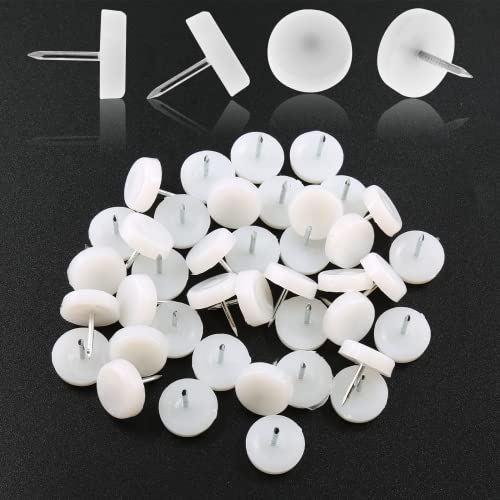
Qjaiune 40 PCS 18mm Nylon Nail-In Glides, Chair Leg Floor Protectors | Metal Nail For Secure Grip, Durable Nylon Surface, Reduces Floor Damage And Noise, Easy Hammer-On For Wooden Legs
Check price on Amazon
Jeaoouu 16-Pcs Square Silicone Chair Leg Floor Protectors, Thick & Durable | Protect Hardwood Floors from Scratches & Noise, Fit Dining Table & Bar Stool Legs (Fits 3/5" to 7/10")
Check price on Amazon
Jeaoouu 24 Pcs Extra Large Square Silicone Chair Leg Floor Protectors | Thick & Durable, Protect Hardwood Floors from Scratches & Noise, Fit Dining Table & Bar Stool Legs (Fits 1-2/5" to 1-4/5")
Check price on Amazon
Aloimiki 2 Pack Wooden Cookbook Stand, Foldable Recipe Book Holder | Rustic Brown Farmhouse Cookbook Stand for Kitchen Counter, Set of 2 Recipe Books Holder for Tablets & Cookbooks, Fold Flat
Check price on Amazon
MAIDERN 42 Inch Round Cork & Leather Table Pad Protector, Cuttable Size (36-42 Inch), Trimmable Dining Table Mat, Heat Resistant/Non-Slip Table Cover for Kitchen, Office, or Restauran (Brown)
Check price on Amazon
HomeyHo Farmhouse Rustic Faux Linen Dining Table Runner 15 x 94 Inch Blue | Boho Heavy Double Layer, With Fringe, Heat Resistant, for Rectangle Kitchen Coffee Table Buffet Cabinet TV Stand
Check price on Amazon9. Final Pre-Purchase Checklist
Before you commit to a wooden dining table, run through this checklist. It is designed to catch the issues that are hardest to fix after delivery.
Wooden dining table checklist
- Species and hardness: Confirm the exact species, not just a generic label like "hardwood."
- Top construction: Solid planks, veneer, or mixed — and how the planks are joined.
- Drying and movement: Ask about kiln-drying and how the top is attached to allow seasonal movement.
- Joinery: Look for glued joints beyond pocket screws at the leg and apron connections.
- Base stability: Check for stretchers or bracing on long tables, and a wide enough pedestal on round tables.
- Finish: Match the finish type to your household's daily use and willingness to maintain it.
- Dimensions: Measure the room, not just the table. Confirm chair clearance and walkway width.
- Warranty: Read what the warranty covers, especially against warping and finish defects.
- Delivery and assembly: Understand whether assembly is required and who handles defects on arrival.
For a shorter, task-focused version of this list, see the first dining table checklist. If you are still exploring shapes and mechanisms, the dining table types hub and the extendable vs fixed comparison are the most useful next reads.
Ready to Compare Wooden Dining Tables?
Use the recommended section above to explore current wooden dining table options, then come back to this guide to evaluate construction, finish, and sizing before you decide.
View Recommended TablesFrequently Asked Questions
What is the most durable wood for a dining table?
Hardwoods such as oak, walnut, maple, and teak offer the best durability for dining tables. Their dense grain resists dents, scratches, and daily wear far better than softwoods like pine. Among common options, white oak and hard maple are especially resistant to surface damage.
Is solid wood better than veneer for a dining table?
Solid wood can be sanded and refinished many times over its lifespan, making it a long-term investment. High-quality veneer offers a stable surface and excellent flatness, but it cannot be refinished as many times. The right choice depends on how long you expect to keep the table and how much restoration potential you want.
Which wood finish is best for a busy family dining table?
A matte or satin polyurethane or lacquer finish offers strong protection against spills and scratches while hiding everyday marks well. Oiled finishes look natural but require more frequent upkeep and are less forgiving of standing water.
How thick should a solid wood dining table top be?
A top between 1 inch and 1.5 inches is standard for most residential dining tables. Thicker tops of 1.75 inches or more suit heavy-duty or commercial-grade builds but add significant weight and require a stronger base.
Do wooden dining tables warp over time?
Wood naturally expands and contracts with humidity. Properly kiln-dried lumber and a base design that allows for movement greatly reduce the risk of warping, especially when the table is kept in a consistent indoor environment with moderate humidity.
How do I match a wooden table to my existing interior?
Start with the dominant undertone of your room — warm, cool, or neutral — and choose a wood species and finish that either harmonizes or intentionally contrasts. Our guides to dining table color harmony and two-tone dining table design cover practical matching strategies.