

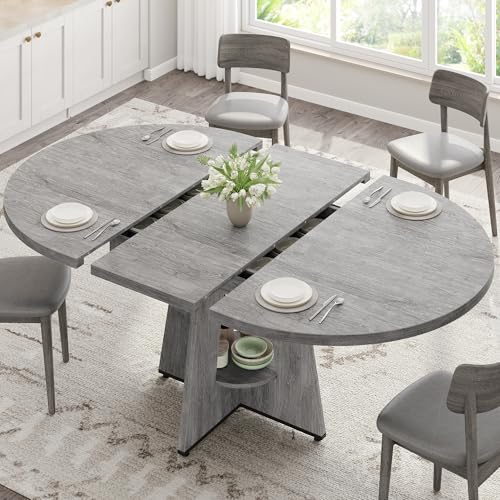



What Defines a True Hotel Dining Table
A hotel dining table is not simply a residential table placed in a commercial setting. Hospitality furniture is engineered for a different duty cycle: high-frequency use, aggressive cleaning schedules, and continuous visual scrutiny from guests. The best hotel dining tables combine commercial-grade construction with a design language that matches the property's interior concept — whether that is a modern boutique lobby, a classic fine-dining room, or a casual all-day café.
When sourcing tables for a hotel, professional buyers evaluate four core dimensions: structural durability, surface performance, design consistency, and maintenance efficiency. Each of these influences how the table performs over its service life and how well it supports the guest experience.
Structural Durability: The Commercial-Grade Standard
Hotel tables are subject to constant lateral stress — guests lean on edges, chairs are pushed in and out hundreds of times per week, and cleaning staff move tables for floor care. A commercial-grade frame typically uses reinforced steel or solid hardwood joinery with corner blocks, cross-bracing, and heavy-duty fasteners. Entry-level hospitality tables may use thinner gauge metal or staple-and-glue joints, which can loosen under sustained commercial use. Mid-range and premium hotel tables almost always feature welded steel frames or mortise-and-tenon hardwood construction designed for years of daily service.
Pay particular attention to the table base. Pedestal bases with weighted plates are common in hotel dining rooms because they reduce leg obstruction and improve chair placement flexibility. However, the pedestal column and mounting plate must be heavy-duty; a lightweight pedestal will wobble under repeated use. For rectangular hotel tables, four-leg frames with reinforced aprons provide superior stability, especially in high-traffic breakfast rooms. If you are comparing base styles, our guide to rotating dining table tops explains how swivel mechanisms add functionality in hospitality settings where guests share condiments and service items.
Surface Materials for Hospitality Environments
The tabletop is the most visible and most abused component of any hotel dining table. Hospitality buyers typically choose from four material families: high-pressure laminate (HPL), compact laminate, engineered stone (quartz), and sealed natural stone. Each has a distinct performance profile.
| Material | Durability Tier | Best For | Maintenance Profile |
|---|---|---|---|
| High-Pressure Laminate (HPL) | Essential / Mid-Tier | All-day cafés, breakfast rooms, high-turnover seating | Wipe-clean daily; resists stains and scratches |
| Compact Laminate | Mid-Range to Premium | Fine dining, lobby restaurants, outdoor-adjacent seating | Moisture-proof core; highly resistant to impact |
| Engineered Quartz | Premium | Upscale dining rooms, suite dining tables | Non-porous; resists heat and staining |
| Sealed Natural Stone | Luxury | Signature restaurants, presidential suites | Requires periodic resealing; premium visual impact |
HPL and compact laminate are the workhorses of hotel dining because they deliver excellent durability at a practical tier for large table counts. Quartz and natural stone elevate the perceived quality of upscale venues but require more careful handling during cleaning and moving. For hotels with outdoor-adjacent dining or terrace service, a glass-top wicker outdoor dining table can bridge indoor comfort with weather-ready construction.
Pro Sourcing Tip
Always request the manufacturer's commercial warranty and abrasion test data. A residential warranty is a red flag for hotel use. Commercial-grade tables typically carry warranties rated for contract environments, and the surface should be tested against common cleaning agents used by housekeeping teams.
Design Standards That Match Hotel Interiors
Hotel dining tables must harmonize with the property's interior design language while remaining practical. In modern boutique hotels, clean-lined tables with matte finishes and slim metal bases dominate. In heritage properties, warm wood tones and traditional silhouettes are preferred. The goal is visual continuity — a table that looks like it belongs in the space rather than a generic commercial unit.
For properties pursuing a contemporary look, a white oak modern dining table offers a light, refined aesthetic that photographs well and suits bright dining rooms. Hotels with a warmer, more classic identity often specify tables with rich wood grain and substantial aprons. If your dining space features a circular layout or a statement chandelier, a brass-base round dining table delivers a hospitality-grade focal point that works equally well in lobby restaurants and suite dining areas.
Suite and in-room dining tables deserve special attention. Compact tables that double as work surfaces are increasingly common in business hotels. A coffee table that raises to dining table height is an efficient solution for suites with limited footprint, giving guests a flexible surface for both relaxation and in-room dining.
Size and Seating Configuration for Hotel Dining Rooms
Hotel dining tables are usually specified in 2-seat and 4-seat configurations, with larger 6- and 8-seat tables reserved for family dining, private rooms, or buffet-adjacent seating. The right mix depends on your service model. A breakfast-focused hotel may favor many 2-seat tables that can be pushed together, while a fine-dining restaurant might specify a higher proportion of 4-seat tables for a more anchored layout.
Space planning is critical. Hospitality floor plans must account for server access, chair pull-out clearance, and emergency egress. As a rule of thumb, allow at least 36 inches between table edges for chair movement and server passage, and more in fine-dining settings. For compact hotel dining areas or suite kitchens, a small dining table with four chairs provides a complete, space-efficient set that maintains a consistent look across rooms.
If your property includes flexible event or multi-use spaces, consider tables with extension capability. An antique extension dining table style can suit heritage properties, while modern extension mechanisms offer smoother operation for staff. For hotels that need to reconfigure rooms quickly, tables with folding or drop-leaf functionality reduce storage footprint and setup time.
Maintenance and Long-Term Performance
Hotel dining tables are cleaned multiple times per day, often with commercial disinfectants. Surfaces must resist chemical degradation, and frames must resist moisture from repeated wiping. HPL and compact laminate are largely impervious to standard cleaning agents, while natural stone requires pH-neutral products and periodic resealing. Wood surfaces in hotel settings should be factory-finished with commercial-grade lacquer or conversion varnish rather than oil, which requires frequent reapplication.
Establish a simple inspection routine: check frame fasteners monthly, inspect tabletop edges for impact damage, and touch up surface scratches before they become visible to guests. Replacing a single damaged tabletop is far more efficient than replacing an entire table, so specify tables with replaceable tops where possible. Our guide to replacement dining table leaves covers how modular components extend the service life of extension tables in hospitality use.
Matching Tables to Hotel Dining Concepts
Different hotel dining concepts call for different table specifications. A lobby café with high turnover benefits from compact laminate tops and pedestal bases that are easy to clean and rearrange. A signature restaurant may invest in quartz or stone tops with custom bases to create a memorable design statement. An all-day dining venue needs a balanced tier — durable enough for three meal periods, refined enough for evening service.
For hotels with a retro or mid-century design identity, a 50s-style dining table can reinforce the concept while still being specified with commercial-grade materials. Properties with a rustic or farmhouse aesthetic often use teak dining tables with benches in casual dining areas, pairing natural warmth with robust construction. And for hotels near outdoor or garden settings, a large outdoor teak dining table extends the dining experience to terraces and poolside areas.
Lighting and Table Presentation in Hotel Dining Rooms
The table is only part of the guest experience. Lighting directly affects how a hotel dining table reads in photographs and in person. Pendant fixtures centered over round tables create intimate pools of light, while linear fixtures over rectangular tables support a more formal dining rhythm. Our guide to dining room lighting for round tables explains how to layer ambient, task, and accent lighting so the table remains the visual anchor without glare.
Table presentation — centerpieces, linens, and service ware — should reinforce the property's brand. Hotels often use low, unobtrusive centerpieces so guests can see across the table. A round dining table centerpiece arrangement can be designed to be removed quickly during turnover, which is essential in high-volume breakfast service.
Budget Tier Framework for Hotel Table Sourcing
Because hospitality projects vary widely in scale and positioning, the most useful way to plan table procurement is by tier rather than by unit figure. Entry-level hospitality tables are suitable for back-of-house staff dining, casual breakfast areas, or overflow seating where visual refinement is secondary. Mid-range tables balance durability and design, making them the default choice for most all-day dining rooms. Premium and luxury tiers are reserved for signature restaurants, suites, and public areas where the table is part of the design story.
When comparing tiers, focus on the components that drive longevity: frame gauge, joinery type, surface thickness, and warranty coverage. A mid-range table with a welded steel frame and compact laminate top will typically outperform an entry-level table with a lighter frame and thin laminate, even if both look similar on the showroom floor. For hotels replacing tables in phased renovations, buying within a consistent tier across phases simplifies maintenance and keeps replacement parts compatible.
Final Checklist Before Specifying Hotel Dining Tables
- Confirm the frame is rated for commercial use with reinforced joinery.
- Select a surface material matched to your cleaning protocol and service style.
- Verify the table dimensions against your floor plan and egress requirements.
- Check that the finish and silhouette align with the property's design language.
- Request commercial warranty documentation and care instructions.
- Plan a replacement-part strategy for tops, bases, and extension mechanisms.
- Test a sample table under realistic cleaning and turnover conditions before full procurement.
With the right specification, a hotel dining table becomes more than furniture — it becomes a reliable, guest-facing asset that supports service quality for years. Use the recommended picks above as a starting point, then refine your selection against the criteria in this guide.