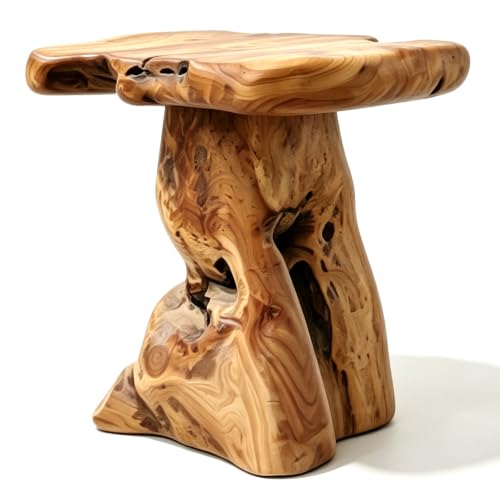
Tree Stump Dining Table Base: The Complete Guide to Natural Rustic Bases
Everything you need to know about choosing, stabilizing, finishing, and maintaining a tree stump base — from wood species and moisture control to pairing with a tabletop and keeping it beautiful for years.
Why a tree stump base? A tree stump dining table base brings raw, organic character into a dining room in a way that no factory-finished pedestal can match. It turns a functional table into a sculptural centerpiece, celebrates natural grain and growth rings, and pairs beautifully with live-edge and solid wood tops. But a stump base also demands more planning than a standard metal or engineered base — wood movement, stability, and sealing are all critical. This guide walks you through every decision so you can buy or build with confidence.
What Is a Tree Stump Dining Table Base?
A tree stump dining table base is a support structure made from a section of a tree trunk — typically the lower trunk and root flare — used in place of conventional legs or a pedestal. The stump is cut to a desired height, leveled at both ends, dried, sealed, and mounted beneath a tabletop. Because every stump is unique, no two bases look alike: growth rings, bark texture, natural splits, and irregular silhouettes are all part of the appeal.
Stump bases are most often paired with live-edge slabs, thick solid wood tops, and reclaimed timber tops. They suit rustic, farmhouse, industrial, and organic-modern interiors, and they work especially well in open-plan dining areas where the table is meant to be seen. For a broader look at how bases compare, see our guide to choosing a dining table base.
Why Choose a Stump Base? Key Benefits
- One-of-a-kind character: Natural grain, rings, and root shapes make each base unique.
- Strong visual weight: A substantial stump anchors the table and grounds the room.
- Excellent for live-edge tops: The organic silhouette complements natural slab edges.
- Stable when properly built: A wide, flat base with a low center of gravity resists tipping.
- Sustainable option: Often made from reclaimed, storm-felled, or salvaged timber.
- Design flexibility: Single-stump, double-stump, and split-stump configurations suit many table sizes.
Choosing the Right Wood Species
The species of the stump affects density, stability, grain appearance, and how well it holds up over time. Dense hardwoods generally resist denting and wear better than softwoods, but they are heavier and require more careful drying.
| Wood Species | Character & Grain | Stability Notes | Best For |
|---|---|---|---|
| Oak | Strong, pronounced grain; warm tone | Dense and durable; dries slowly, so seasoning matters | Heavy live-edge tops and long-lasting bases |
| Walnut | Rich dark brown; elegant figure | Stable when well-dried; premium appearance | Refined rustic and modern-organic interiors |
| Pine | Light, knotty, casual grain | Softer wood; dents more easily; needs good sealing | Farmhouse and cottage-style dining rooms |
| Cedar | Aromatic, reddish-brown, lightweight | Naturally rot-resistant but softer; best indoors | Light rustic bases and covered patio use |
| Maple | Fine, even grain; pale color | Hard and dense; very durable when sealed | Clean, contemporary rustic looks |
| Teak | Golden-brown, oily, weather-resistant | Excellent moisture resistance; premium tier | High-end bases and covered outdoor dining |
If you are building a full table around a specific wood, our guide to a small light oak dining table and the modern round walnut dining table show how species choice shapes the final look.
Single-Stump vs. Double-Stump Configurations
Single-Stump Base
A single large stump works best under round, square, and small-to-medium rectangular tops. It offers a sculptural, monolithic look and keeps the under-table area open. However, a single stump must be wide enough at the base to prevent tipping — a general rule is a base diameter of at least one-third of the tabletop's smallest dimension. Single-stump bases are ideal for round dining tables and compact setups.
Double-Stump Base
Two matched stumps placed near each end of a rectangular top provide better support for long tables and reduce the risk of sagging. Double-stump bases are common under rectangular dining tables and long live-edge slabs. The stumps should be similar in height and diameter, and each should be independently leveled.
Split-Stump and Root-Flare Bases
Split stumps and root-flare sections create dramatic, asymmetric silhouettes. They are heavier and harder to level but deliver the strongest organic statement. These are best reserved for statement tables in spacious rooms where the base is visible from multiple angles.
Stability: The Most Important Factor
A beautiful stump base is useless if the table wobbles or tips. Stability comes down to four things: moisture content, base footprint, leveling, and weight distribution.
- Moisture content: Use only thoroughly dried wood. Green or partially dried stumps shrink, crack, and shift as they lose moisture, which can throw the table out of level.
- Base footprint: A wider bottom means a lower center of gravity. A recessed or chamfered foot helps the base sit flat.
- Leveling: Both the top and bottom of the stump must be cut flat and parallel. Hidden adjustable feet or a metal mounting plate can compensate for minor unevenness.
- Weight distribution: Heavy tops need heavier, wider bases. Pair a thick slab with a substantial stump, not a slender one.
Drying and Seasoning the Stump
Freshly cut wood contains a high percentage of moisture. As it dries, it shrinks — and uneven shrinkage causes cracks, warping, and loosened joints. Proper drying is the difference between a base that lasts decades and one that splits within a season.
- Air drying: Slow and gentle. Seal the end grain with wax or a sealer to slow moisture loss and reduce checking, then stack the stump in a dry, ventilated area for months or longer depending on thickness.
- Kiln drying: Faster and more controlled. Kiln-dried stumps reach a stable moisture content suitable for indoor furniture, though very thick pieces may still develop minor cracks.
- Accept natural checks: Small cracks are normal in natural wood and often add character. Structural cracks that run through the full diameter should be stabilized with bowties or epoxy before use.
Finishing and Sealing the Base
Finishing protects the wood from moisture, stains, and insects while preserving its natural look. The right finish depends on whether the base stays indoors or moves to a covered patio.
Indoor Finishes
- Penetrating oil: Soaks into the grain, enhances natural color, and feels natural to the touch. Requires periodic reapplication.
- Hardwax oil: Combines oil and wax for a matte, natural finish with good water resistance. Popular for Scandinavian and organic-modern interiors — see our Scandinavian design dining table set guide.
- Polyurethane or lacquer: Forms a protective film on the surface. More resistant to spills but can look less natural and may show scratches over time.
Outdoor and Covered-Patio Finishes
- Marine-grade spar varnish: Flexible and UV-resistant, suitable for covered outdoor use.
- Exterior oil: Penetrates and protects against moisture; needs regular maintenance.
- Epoxy encapsulation: Fully seals the wood but changes the surface feel. Best for statement pieces and heavy-use areas.
Always seal the bottom of the stump as carefully as the sides and top. Moisture enters and exits through end grain fastest, and an unsealed bottom is a common cause of cracking and rot. For general care guidance, see our dining table care and maintenance hub.
Pairing the Base With a Tabletop
The base and top should work together structurally and visually. Consider these pairings:
- Live-edge slab top + single stump: The classic organic combination. Keep the base diameter proportional to the slab's width.
- Thick reclaimed wood top + double stump: Ideal for long farmhouse tables. Reclaimed timber ties in with the salvaged character of the stump.
- Glass top + sculptural stump: A glass top lets the base be seen fully and lightens the visual weight — pair with a polished or epoxy-finished stump. See our glass dining table guide.
- Marble or stone top + stump: An unexpected but striking contrast between raw wood and polished stone. Use a metal mounting plate to distribute the weight. Our marble dining table guide covers stone-top considerations.
For rectangular tops with a stump base, also consider clearance for chairs. Our guide on how much room you should have around a dining table helps you plan the surrounding space.
Buying a Stump Base: What to Check
If you are purchasing a ready-made stump base, inspect it carefully before committing. Whether you buy from a custom maker or a reclaimed-furniture seller, look for the following:
- Moisture content: Ask whether the wood is kiln-dried or adequately air-dried and what the target moisture content is.
- Flat, parallel ends: Both ends should be cut flat and level. A slightly recessed foot is a good sign of thoughtful construction.
- Stabilized cracks: Natural checks are fine, but structural cracks should be filled or reinforced.
- Finish quality: All surfaces, especially the bottom, should be sealed.
- Mounting hardware: A metal plate or threaded inserts for attaching the top make installation safer and more stable.
- Weight and proportions: Confirm the base is heavy and wide enough for your intended top.
For DIY and custom options, our guides on dining table bases and river epoxy dining tables offer additional context on base selection and creative construction.
Care and Maintenance Over Time
- Dust regularly with a soft cloth to prevent grit from dulling the finish.
- Wipe spills promptly with a slightly damp cloth and dry immediately.
- Re-oil annually if you use a penetrating or hardwax oil finish.
- Control humidity: Keep the base away from radiators, heating vents, and direct sun. Seasonal humidity swings are the main cause of new cracks in dried wood.
- Check leveling feet periodically and adjust as needed.
- Watch for pests: Indoor, sealed stumps rarely attract insects, but inspect any new or reclaimed piece before bringing it inside.
For broader guidance on protecting wood surfaces, see our dining table routine upkeep guide and humidity care guide.
Design Ideas and Styling
A stump base sets a strong natural tone, so styling should feel intentional rather than cluttered. Consider these approaches:
- Rustic farmhouse: Pair with a reclaimed top, a linen runner, and simple ceramic tableware. See our rustic dining room table decor ideas.
- Organic modern: Keep the palette neutral and let the wood grain be the focal point. A dining table runner in a natural fiber grounds the setting.
- Industrial contrast: Pair a natural stump with black metal chairs or a metal-frame top for a balanced mixed-material look — explore our metal frame dining table and chairs guide.
- Seasonal styling: A formal dining table centerpiece with natural elements like branches and stoneware echoes the stump's organic character.
Tree Stump Bases in Small or Compact Dining Spaces
A stump base can work in a compact dining area, but it needs careful proportioning. A single, relatively narrow stump under a small round top is often the best fit, since it keeps the floor plan open and avoids the visual clutter of four legs. For tighter rooms, review our guides on small apartment dining table ideas and dining tables for tight spaces. A mini dining table paired with a compact stump can become a charming breakfast nook.
Pros and Cons at a Glance
Advantages
- Unique, sculptural character that cannot be replicated
- Strong aesthetic match for live-edge and reclaimed tops
- Stable and grounding when properly built
- Often sourced from reclaimed or salvaged timber
Trade-offs
- Requires careful drying and sealing to prevent cracking
- Heavy and difficult to move
- Natural variation means no two bases are identical
- Not ideal for fully exposed outdoor settings without special treatment
- Leveling and mounting demand more effort than standard bases
Frequently Asked Questions
Are tree stump dining table bases stable enough for daily use?
Yes, a properly dried, sealed, and leveled tree stump base can be very stable. The key is using a well-seasoned stump with a wide, flat bottom surface and a low center of gravity. Many custom and commercial-grade stump bases are engineered with hidden metal plates or a recessed foot to improve stability and floor protection.
How do I prevent a tree stump base from cracking?
Cracking happens when moisture leaves the wood unevenly. Use a stump that has been air-dried or kiln-dried to a low moisture content, seal all exposed surfaces including the bottom, and keep the base away from direct heat sources and rapid humidity swings. Applying a penetrating oil or wax finish helps slow moisture exchange.
Can a tree stump dining table base be used outdoors?
Only if the stump is specifically treated for exterior use. Natural wood expands and contracts with outdoor humidity, and untreated stumps can rot, split, or attract insects. For covered patios with stable conditions, a sealed stump base may work, but for fully exposed outdoor dining areas a metal or stone base is generally more durable.
How thick should a stump be for a dining table base?
There is no single rule, but the stump should be wide enough that the tabletop is stable when leaned on. As a starting point, aim for a base diameter of at least one-third of the tabletop's smallest dimension, and choose a thicker stump for heavier tops. Double-stump configurations can use slightly narrower stumps.
What is the best finish for a tree stump base?
For indoor use, a penetrating oil or hardwax oil gives a natural look with good protection. For covered outdoor use, a marine-grade spar varnish or exterior oil is more suitable. In all cases, seal the bottom of the stump as thoroughly as the visible surfaces.
Final Thoughts
A tree stump dining table base is one of the most characterful ways to support a dining table — but it rewards careful planning. Choose a dense, well-dried wood; confirm the base is wide, flat, and level; seal every surface including the bottom; and match the base's proportions to your tabletop and room. Do that, and you will have a dining table that feels less like furniture and more like a piece of the landscape brought indoors.
Ready to explore more dining table foundations and styles? Visit our dining table types hub or review our shopping and reviews section for more guidance.