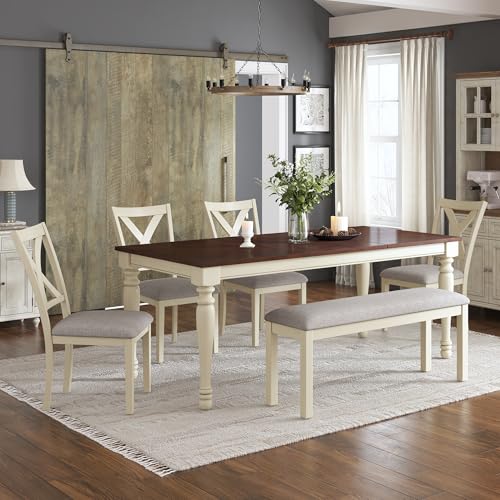
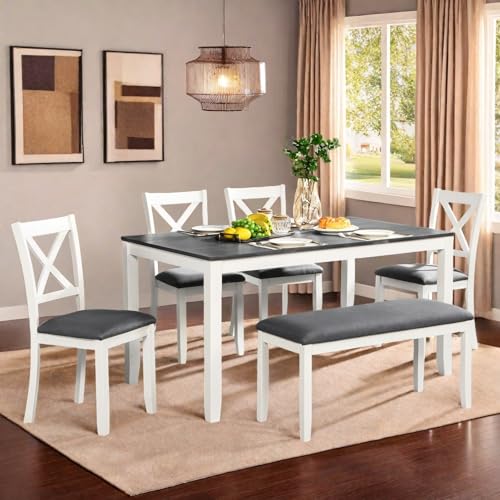
Why a White Dining Table with Bench and Chairs Works
A white dining room table with bench and chairs is one of the most versatile seating arrangements in modern homes. White surfaces reflect natural light, make compact dining areas feel larger, and pair effortlessly with almost any wall color, flooring, or chair style. Adding a bench to one side solves a practical problem at the same time: it lets a single piece of furniture seat two or three people, keeps the walkway clear, and gives the room a relaxed, family-oriented character that a full row of chairs cannot match.
This arrangement suits open-plan kitchens, coastal-inspired interiors, farmhouse dining rooms, and small apartments alike. The mix of bench and chairs also creates a natural visual rhythm — structured seating on one side, casual bench seating on the other — which keeps a bright room from feeling flat.
If you are still deciding whether a bench belongs in your dining setup, compare it with a compact dining table and bench set to see how the proportions work in tighter rooms, or review a four-seat dining table set if you prefer a fully matched seating arrangement.
Quick planning rule: Measure the table first, then the bench, then the chairs. A bench should run about 12–15 inches shorter than the table so it slides under without blocking chair legs on the opposite side.
Understanding the Table Surface Options
The word "white" covers a wide range of materials and finishes, and the surface you choose determines how well the table survives daily meals, homework sessions, and craft projects. Before you settle on a style, it helps to understand how white finishes behave in a real dining room.
Painted and Lacquered Wood
Solid wood or engineered wood with a painted or lacquered white finish is the classic choice. A high-grade lacquer creates a smooth, wipe-clean surface that resists moisture and mild staining. Painted timber has a warmer, more matte appearance and suits farmhouse and cottage interiors, though it may need periodic touch-ups around the edges and legs over the years. This is the finish most people picture when they imagine a light farmhouse dining room table.
White Laminate and Composite Tops
Laminate and composite surfaces are engineered for households with children. They are durable, resistant to scratches and spills, and require very little maintenance beyond a damp cloth. A white laminate top can mimic the look of painted wood or matte stone while offering a more forgiving surface for everyday use.
White Stone and Marble
White marble, quartz, and similar stone surfaces bring a premium, high-end feel to a dining room. They stay cool, reflect light beautifully, and pair well with upholstered chairs and natural wood benches. Stone requires sealing and careful handling of acidic spills, but for a formal or semi-formal dining space it delivers a timeless result. If this direction appeals to you, explore a round marble dining table with chairs to see how the material performs in a softer shape.
White Glass and Gloss Surfaces
White-tinted glass or high-gloss composite tops create an airy, contemporary look. They are easy to clean and visually lightweight, which is ideal for narrow rooms. The trade-off is that gloss surfaces show fingerprints more readily, so they suit households that wipe down the table frequently.
Bench and Chair Combinations That Fit Together
Mixing seating types is not simply a matter of placing a bench on one side. The bench height, depth, and back style all influence comfort and the overall look of the set. Here is how the most common combinations compare.
| Seating Combination | Best For | Comfort Consideration |
|---|---|---|
| Backless bench + four chairs | Compact rooms, open-plan kitchens, family homes | Bench tucks fully under the table; chairs provide back support for longer meals |
| Bench with low back + upholstered chairs | Semi-formal dining rooms, coastal and transitional interiors | Adds support for bench guests while keeping the silhouette low |
| Two benches + two end chairs | Large families, long rectangular tables | Maximum seating density; end chairs anchor the table visually |
| Corner bench + side chairs | Dining nooks, breakfast corners, small apartments | Efficient use of corners; pair with a small circle dining table set for tight layouts |
Bench depth matters more than most buyers expect. A bench that is too deep pushes guests away from the table, while an overly shallow bench becomes uncomfortable after twenty minutes. A depth of roughly 14 to 16 inches is a reliable starting point for backless benches. Upholstered benches with a back can go slightly deeper.
Chair selection on the opposite side is equally important. Chairs with slim legs and a low profile keep the visual weight of the set balanced. If the bench is farmhouse-style with a solid panel base, pair it with chairs that have open frames so the two sides do not compete. For chair-specific guidance, see the dining chair selection guide.
Space Planning Around a White Table, Bench, and Chairs
White furniture tends to make a room feel larger, but the physical footprint of the table and seating is unchanged. Plan the layout around actual clearance, not perception.
- Chair side clearance: allow at least 36 inches from the table edge to the nearest wall or furniture so guests can push back and stand up comfortably.
- Bench side clearance: a fixed bench needs less pull-out room, but still allow around 30 inches if the bench has a back or if guests need to slide along it.
- Walkway width: keep a minimum of 36 inches for main traffic paths behind seating, and 42 inches or more in busy open-plan rooms.
- Bench against a wall: only place a bench directly against a wall if guests enter from the ends. Otherwise, leave a gap so the bench can be used from both sides.
For a deeper walkthrough of measurements, spacing, and traffic flow, read the dining table space planning guide. If the room is genuinely tight, a collection of dining table options for small spaces can help you compare shapes and footprints before committing.
Styling a White Dining Table with Bench and Chairs
White is a quiet backdrop, which makes it an excellent canvas for texture, color, and seasonal styling. A few principles keep the arrangement looking intentional rather than sparse.
Add Warmth Through Materials
Pair the white table with natural materials — a rattan bench, woven placemats, linen runners, or warm wood chairs. The contrast between crisp white and natural texture is what makes the arrangement feel designed rather than plain. A rattan chair paired with a dining table is a simple way to introduce that warmth on the chair side.
Use a Runner to Anchor the Table
A table runner visually connects the bench side and the chair side, especially on long rectangular tables. Choose a runner in a muted tone — oatmeal, sage, terracotta, or charcoal — and keep the centerpiece low so sightlines across the table stay open. The dining table runner guide covers sizing and fabric selection in detail.
Keep Centerpieces Low and Layered
Because bench seating puts guests at slightly different eye levels, low centerpieces work best. A shallow bowl, a cluster of small candle holders, or a low vase of seasonal stems keeps the table usable and the view clear. For inspiration, see the dining table centerpiece guide.
Balance the Bench and Chairs Visually
If the bench is a solid, heavy piece, choose lighter chairs. If the bench is open and slatted, heavier upholstered chairs will balance it. The goal is a set that looks deliberate from every angle — not two unrelated seating groups pushed together.
Durability and Everyday Maintenance
A white dining table will see spills, crayons, hot plates, and the occasional accidental fork scratch. The finish you choose should match the reality of your household.
- Lacquered and painted wood: wipe spills promptly, avoid abrasive cleaners, and keep felt pads under chairs and bench legs to prevent scuffing.
- Laminate and composite: the most forgiving surface for families; clean with a damp cloth and mild soap.
- Stone and marble: seal according to the manufacturer's schedule and wipe acidic spills immediately.
- Glass and gloss: use a microfiber cloth to avoid streaks; fingerprints are the main maintenance concern.
For a full routine, including seasonal deep cleaning and stain removal, consult the dining table care and maintenance hub. If the table is solid wood, the wood dining table wax and polish guide explains how to protect the finish without dulling it.
Bench care tip: benches take more lateral movement than chairs, so check the leg joints every few months and tighten hardware if the bench starts to wobble. A padded bench cushion also reduces wear on the seat surface and adds comfort for longer meals.
Choosing the Right Size for Your Room
White tables come in every common shape — rectangular, round, oval, and square — and each shape changes how bench and chair seating works.
- Rectangular tables: the most natural fit for a bench on one long side. A table around 60–72 inches long comfortably seats a bench of two to three people on one side and two to three chairs on the other.
- Round tables: benches are less common on round tables, but a curved or backless bench can work on one side of a large round table. For smaller rooms, a small white round dining table paired with chairs is often more practical than a bench.
- Oval tables: a bench on the straight side of an oval table works well, while chairs on the curved side follow the shape. A coastal oval dining table is a natural match for white finishes and bench seating.
- Square tables: benches are usually reserved for one side of a square table in a nook or corner. A small square dining table for two shows how bench seating can work in a compact footprint.
If you are comparing specific sizes, the dining table size chart provides seating capacity and clearance references for each common dimension.
Where a White Table with Bench and Chairs Fits Best
This arrangement is not limited to formal dining rooms. It performs well in several common settings:
- Open-plan kitchens: a white table with a bench on the kitchen side keeps the walkway clear and visually separates the cooking and eating zones without a wall.
- Coastal and bright interiors: white surfaces reflect daylight, making the dining area feel connected to the rest of the room.
- Family homes: bench seating packs more people around the table and is easier for children to climb onto than individual chairs.
- Small apartments: a bench can double as a window seat or entryway perch when the table is not in use. A white dining table for two paired with a narrow bench is a practical compact solution.
- Dining nooks and corners: corner benches and built-in seating turn awkward angles into usable seating. See the compact dining nook arrangement guide for layout ideas.
Common Mistakes to Avoid
- Buying the bench before the table. Bench length and height must be matched to the table, not chosen independently.
- Ignoring bench depth. A bench that is too deep forces guests to lean forward; too shallow and it becomes uncomfortable.
- Overloading one side visually. A heavy bench opposite delicate chairs can make the set look lopsided. Balance material and visual weight across both sides.
- Skipping the clearance check. Measure the full pull-out zone for chairs, not just the table footprint.
- Choosing a finish that does not match daily life. A high-gloss white table in a household with young children will require constant wiping; a laminate or matte lacquer is often a better fit.
Ready to Compare White Dining Sets?
Explore curated options that pair white tables with bench and chair seating, filtered by material, size, and seating capacity.
View Recommended SetsFrequently Asked Questions
Is a white dining table practical for everyday family use?
Yes, provided you choose the right finish. A white dining table with a lacquered, matte-sealed, or composite surface resists stains and wipes clean easily. Solid white-painted wood needs periodic touch-ups, while laminate and composite tops are the most forgiving for households with children.
What bench length works with a white dining table?
A bench should run roughly 12 to 15 inches shorter than the table length so it tucks under neatly. For a six-seater table around 72 inches long, a bench of about 58 to 60 inches is a comfortable fit for two adults or three children.
Do bench and chair seating mix well at the same table?
Absolutely. A bench on one long side and chairs on the other is one of the most practical arrangements. It maximizes seating, keeps the walkway clear, and adds visual variety without breaking the room's symmetry.
How much clearance is needed around a white dining table with bench and chairs?
Plan for at least 36 inches of clearance on the chair side so guests can push back comfortably, and around 30 inches on the bench side where seating is fixed. Add extra room behind the bench if it is against a wall or window.
Final Thoughts
A white dining room table with bench and chairs is a practical, bright, and flexible foundation for a family dining space. The key is to plan the surface material around your household, match the bench dimensions to the table, and balance the visual weight of both seating sides. Once those decisions are made, styling becomes straightforward — and the result is a dining room that feels open, welcoming, and built for everyday use.
For related layouts, explore dining room table and four chairs arrangements, or browse white dining tables for two if you are furnishing a smaller space.