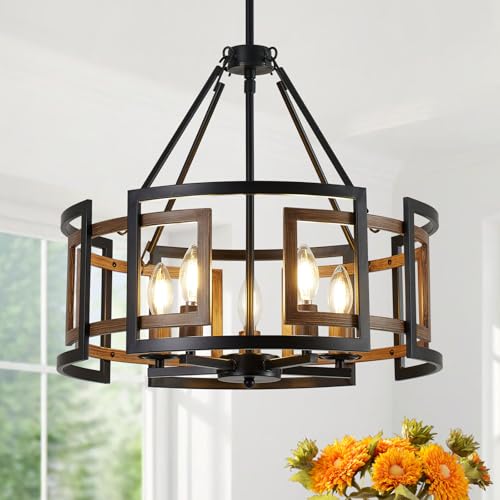
Farmhouse Dining Room Table Light: Bright Ideas & Buying Guide
Discover how a light farmhouse dining table can brighten your dining room, create an airy atmosphere, and anchor a warm, welcoming space — even in rooms with limited natural light.
Start the GuideA farmhouse dining room table light is more than just a piece of furniture — it is the visual anchor of a bright, welcoming dining space. In farmhouse design, light finishes such as natural oak, whitewashed pine, and distressed elm bring a sense of openness and calm, while still delivering the rustic warmth that defines the style. If you have been researching farmhouse tables and want to understand how a light finish changes the look and feel of a dining room, this guide walks you through the key considerations step by step.
Readers who reach this page are usually in the research phase. They already know they want a farmhouse table, but they are weighing finishes, sizes, materials, and how to keep the room feeling bright. Below, we break down what makes a light farmhouse table work, how to pair it with the right room elements, and the practical factors to check before you decide.
Why a Light Farmhouse Dining Table Works So Well
Farmhouse style is often associated with dark, heavy wood — but the light interpretation of farmhouse design has become a favorite for good reasons. A light finish reflects more light, which visually expands the room and creates an inviting daytime feel. It also acts as a neutral canvas, making it easier to coordinate with chairs, rugs, and wall colors.
There are three core benefits of choosing a light farmhouse table:
- Brighter visual footprint: Light wood, whitewashed, and natural finishes bounce light around the room, reducing the need for heavy artificial lighting during the day.
- Versatile styling: Light finishes work with almost any color palette — from crisp whites and sage greens to warmer terracotta and navy accents.
- Balanced rustic character: You still get knots, grain, and distressed details, but the lighter tone keeps the space feeling fresh rather than heavy.
If you are exploring broader farmhouse-style options, you can also review a barn dining table set for a more classic rustic silhouette, or compare it with a wooden dining table and four chairs to see how light finishes change the overall mood.
Key Factors When Choosing a Light Farmhouse Dining Table
Before settling on a specific table, evaluate the room and your daily routine. The right choice depends less on trends and more on how the table will be used and how much light the room already receives.
1. Material and Finish
Light farmhouse tables typically use oak, pine, elm, or mango wood with a natural, whitewashed, or distressed finish. A matte or oiled finish preserves the rustic texture, while a light lacquer offers easier cleaning. For a more muted, modern-rustic look, a small round rustic dining table can be a great compact option.
2. Size and Seating Capacity
Match the table size to the room and the number of regular diners. A common mistake is choosing a table that is too large for the space, which can make even a light finish feel crowded. If space is limited, review dining table options for small spaces to compare compact solutions, including a small 4-person dining table that keeps the room airy.
3. Shape and Room Flow
Rectangular tables suit longer rooms, while round and oval tables improve flow in compact or open-plan spaces. A small oval dining table and chairs is particularly effective in narrow farmhouse dining rooms because it softens the traffic path and still feels generous.
4. Lighting Compatibility
The phrase “table light” often refers to both the table finish and the lighting above it. A light farmhouse table works best under warm-toned pendant lights or a simple linear chandelier. Keep the fixture proportional to the table size, and use a dimmable bulb to shift from bright daytime to cozy evening ambience.
5. Seating and Textiles
Light tables pair naturally with woven chairs, rattan chairs for dining table setups, or painted wooden benches. Avoid overly dark upholstery if your goal is a bright room; instead, lean toward natural linen, oatmeal, or soft grey tones.
| Table Tier | Best For | Typical Characteristics |
|---|---|---|
| Starter tier | First farmhouse table, casual daily use | Simpler joinery, lighter weight, basic light finish |
| Mid-tier | Family dining with moderate daily use | Solid wood top, reinforced frame, durable finish |
| High-end tier | Long-term investment and frequent hosting | Premium hardwood, refined joinery, hand-finished light tone |
How to Keep a Farmhouse Dining Room Bright
A light table is the foundation, but the room around it determines how bright the space ultimately feels. Use these practical strategies to build a cohesive, airy farmhouse dining room.
- Layer light neutrals: Combine white or cream walls with natural wood tones and soft textiles. The contrast between a light table and a slightly warmer floor keeps the room grounded.
- Choose an appropriate rug: A natural fiber rug in jute or a light woven cotton helps reflect light and defines the dining zone without darkening the floor.
- Use warm artificial light: Pendant lights with warm bulbs (around 2700K–3000K) flatter light wood finishes and add the cozy farmhouse glow that makes the room feel welcoming at night.
- Keep window treatments simple: Sheer linen curtains or bare windows maximize daylight, which is especially valuable in north-facing dining rooms.
- Style with restraint: A simple centerpiece — a ceramic vase, a wooden bowl, or a linen runner — keeps the table’s light character visible.
For more compact layouts, a small dining table and bench set can preserve open floor space while still offering comfortable seating. If you are working with a very tight area, a small area dining table set is worth comparing before committing to a full-size rectangular table.
Light Farmhouse Table vs. Dark Farmhouse Table
Both finishes belong to the farmhouse family, but they serve different rooms and moods. A light finish is generally better for smaller or darker rooms, while a dark finish can anchor a large, well-lit space. The table below summarizes the trade-offs so you can match the table to your room rather than to a trend.
| Consideration | Light Farmhouse Table | Dark Farmhouse Table |
|---|---|---|
| Visual effect | Expands the room, reflects daylight | Anchors the room, adds formality |
| Best room type | Small, north-facing, or open-plan rooms | Large, well-lit, or formal dining rooms |
| Styling flexibility | Very high — works with most palettes | High — pairs well with warm neutrals and metals |
| Maintenance visibility | Shows scratches and stains more readily | Hides minor wear more effectively |
If you are specifically drawn to darker wood, a dark wood dining table with upholstered chairs can be a strong contrast piece. For a balanced middle ground, a grey dining table set for 4 offers a muted tone that still keeps the room relatively light.
Practical Shopping Checklist
Before finalizing your choice, run through this checklist. It is designed for research-stage buyers who want to avoid common surprises after delivery.
- Measure the room twice: Confirm the table footprint plus at least 36 inches of clearance on all walkway sides.
- Check the finish sample: Request or view a physical sample where possible, since light finishes vary significantly between manufacturers.
- Confirm seating height: Ensure the table height matches your chair seat height for comfortable dining.
- Review assembly requirements: Some farmhouse tables ship partially assembled; check whether tools and instructions are included.
- Plan the lighting early: Decide on pendant placement before the table arrives so the proportions work together.
If you need a table that adapts to occasional guests, an extendable option may be smarter. Compare dining table with four chairs configurations and consider how an extendable model would fit your room during larger gatherings.
Frequently Asked Questions
What is a “farmhouse dining room table light”?
It refers to a farmhouse-style dining table with a light finish — such as natural oak, whitewashed pine, or distressed elm — chosen to brighten the dining room. The term also relates to the lighting placed above the table, which strongly influences how bright and inviting the room feels.
Is a light farmhouse table good for small dining rooms?
Yes. Light finishes reflect more daylight and make a small room feel larger. Pair the table with simple seating and a light rug to maximize the effect. For very small rooms, a small white round dining table or a 2-person square dining table keeps the footprint tight without sacrificing the farmhouse feel.
How do I keep a light table looking clean?
Use coasters and placemats, wipe spills promptly with a soft damp cloth, and re-oil or re-seal the surface according to the manufacturer’s guidance. A matte or oiled finish may need periodic maintenance, while a light lacquer is easier to wipe down but can show scratches more visibly.
What lighting works best above a light farmhouse table?
Warm-toned pendant lights or a simple linear fixture suit farmhouse style. Keep the fixture proportional to the table, install it roughly 30–36 inches above the tabletop, and use a dimmable bulb so you can shift between bright daytime and cozy evening lighting.
Can I mix a light farmhouse table with darker chairs?
Absolutely. A light table with darker chairs creates a deliberate contrast that adds depth. Just balance the palette with lighter wall tones, a natural rug, or light window treatments so the room does not feel top-heavy.
Final Thoughts
A farmhouse dining room table light is one of the most effective ways to create a bright, welcoming dining space without losing the rustic warmth that makes farmhouse style so appealing. Focus on the right finish for your room’s light levels, measure carefully, and plan your lighting early. With those decisions made, the table becomes the natural centerpiece of a room that feels open by day and cozy by night.
For readers still comparing styles, the linked guides above cover compact layouts, rustic finishes, and seating combinations in more detail. Each one is designed to help you move from research to a confident decision.