
Rattan Chairs with a Dining Table: The Complete Guide
Everything you need to choose, pair, and care for rattan dining chairs — from weave quality and frame construction to table matching, seating height, and long-term maintenance.
Why rattan chairs deserve a place at your dining table: Rattan brings warmth, texture, and a relaxed natural character that few other materials can match. Used correctly, rattan dining chairs are sturdy, comfortable, and surprisingly long-lasting. This guide walks you through the decisions that matter most — material grade, frame type, weave pattern, table pairing, and care — so you can buy with confidence and avoid the common mistakes that shorten a rattan chair's lifespan.
What "Rattan" Actually Means for Dining Chairs
Rattan is a climbing palm that grows in tropical forests across Southeast Asia. Its long, flexible stems are harvested, peeled, and shaped into furniture — either as a solid bent frame or as thin strips woven into a seat and back. This distinction matters when you shop, because the two components age differently and carry different quality signals.
Confusingly, the words rattan, wicker, and cane are often used interchangeably in product listings. They are not the same thing:
- Rattan is the raw material — the palm vine itself. A chair described as "solid rattan" usually has a bent-rattan frame with woven panels.
- Wicker is a weaving technique, not a material. A wicker chair can be made from rattan, willow, bamboo, synthetic polymer, or paper. Always check what the wicker is woven from.
- Cane is rattan that has been split into thin, flat strips and woven into a mesh — the classic pattern you see on dining chair seats and backs.
For a dining chair that will be used daily, the ideal build is a solid rattan or hardwood frame with a tightly woven cane or rattan seat. Chairs made entirely of thin woven rattan without a structural frame tend to flex and loosen over time, which is fine for occasional accent seating but not for a family dining table.
Rattan Chair Quality Tiers: What to Look For
Rather than thinking about labels alone, think in tiers. The table below uses a consistent quality-tier system so you can compare chairs on construction and finish rather than on any single number.
| Tier | Typical Build | Best For |
|---|---|---|
| Entry-level tier | Thin rattan strips over a lightweight frame; basic wrap joints; factory-applied clear coat. | Light-duty dining, accent seating, seasonal use, or a first rattan purchase. |
| Mid-range tier | Solid rattan or hardwood frame; tighter weave; reinforced corner joints; better sanding and finish. | Everyday family dining — the sweet spot for most households. |
| High-end tier | Hand-shaped solid rattan frame; premium cane weaving; mortise-and-tenon or doweled joints; oil or lacquer finish. | Daily use with long-term durability and a refined look. |
| Luxury tier | Artisan-woven panels; premium natural rattan with consistent color; upholstered seat pad; protective foot glides. | Design-led dining rooms, high-traffic entertaining, and statement interiors. |
Within any tier, a well-specified chair is one with a tight, evenly tensioned weave (no sagging or gaps), smoothly sanded edges where the rattan meets the frame, and reinforced joints at the leg-to-seat connection. These are the points that fail first on lower-grade chairs.
Frame construction: bent rattan vs. hardwood core
Bent rattan frames are traditional and visually authentic, but they require skilled steaming and shaping. A well-made bent-rattan frame has a uniform curve and no cracking at the bend. Hardwood-core frames — where rattan is wrapped or woven over a wood structure — are generally more rigid and better suited to heavy daily use. If the listing does not state the frame material, treat that as a warning sign and look for a specification sheet before deciding.
Weave patterns and what they signal
- Close cane weave (mesh): the classic six-way or open-weave seat. Tight, even strands indicate better craft. Open weaves are breathable and comfortable in warm climates.
- Herringbone and diagonal weaves: more decorative and often found on high-end tier chairs. They distribute stress well when executed tightly.
- Loose or coarse weaves: common on entry-level tier chairs. They can stretch and sag with daily use, especially under heavier diners.
Recommended Rattan Chairs for Dining Tables
⚠️ AFFILIATE DISCLOSURE: This website contains affiliate links. As an affiliate Associate, we earn from qualifying purchases. If you make a purchase through these links, we may receive a small commission at no additional cost to you. Read our full affiliate policy.

Zesthouse Natural Rattan Dining Chairs Set of 2, Modern Cesca Kitchen Chair | Mid Century Modern Dining Chairs with Solid Wood Back & Cane Mesh, Upholstered Faux Leather Chairs with Chrome Base, Brown
Check price on Amazon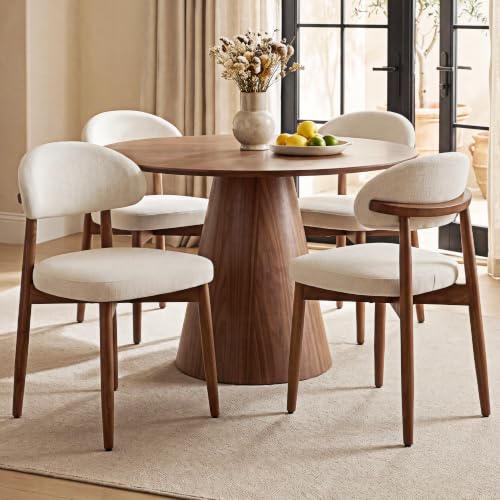
GRUSIGN Dining Chairs Set of 4,Upholstered Wooden Kitchen Chairs,Beige | Ergonomic Curved Backrest, Solid Wood Legs, Soft Fabric Seat, Mid Century Modern, for Dining Kitchen Living Room, Beige
Check price on Amazon
Orweiin Solid Wood Dining Table Set for 4, 43.3" Dining Table with Chairs Set, Kitchen Dining Table Set with Woven Rattan Backs, Farmhouse Solid Wood Table and Chairs, Natural
Check price on Amazon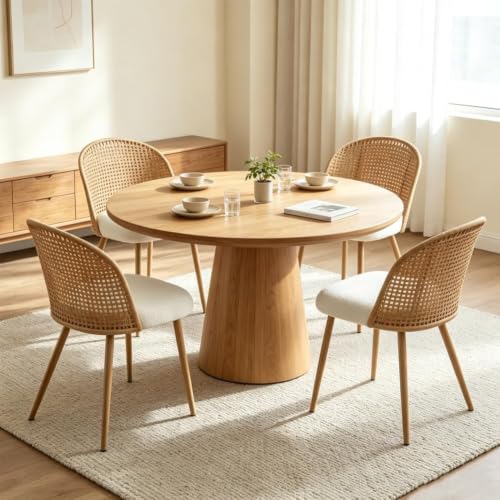
Rattan Dining Chairs Set of 4, Modern Upholstered PE Wicker Kitchen Chair | Metal Legs, Ergonomic Curved Backrest, Mid Century boho, Hand-woven dining chairs, Dining Rooms, Kitchens and Living Rooms
Check price on Amazon
HNY Mid Century Modern Rattan Dining Chairs Set of 6, Linen Upholstered Kitchen & Dining Room Chairs with Ergonomic Curved Back, Solid Wood Frame, Farmhouse Accent Chairs for Home, Apartment, Beige
Check price on Amazon
HNY Mid Century Modern Rattan Dining Chairs Set of 4, Linen Upholstered Kitchen & Dining Room Chairs with Ergonomic Curved Back, Solid Wood Frame, Farmhouse Accent Chairs for Home, Apartment, Beige
Check price on Amazon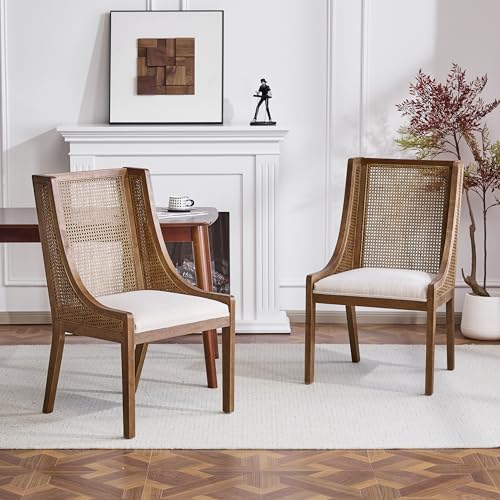
Christopher Knight Home Yone Dining Chairs Set of 2, Modern Dining Chair with Fabric Upholstery, Rubberwood Frame Kitchen Chairs with Cane Webbing, Extra Seat for Dining Room, Beige + Brown
Check price on Amazon
Rattan Dining Chairs Set of 2,Velvet Cesca Chair Kitchen Chair,Olive Green | VICBARLEY Mid Century Modern Dining Chairs,Wood Cane Backrest&Chrome Base,Upholstered Side Chair for Dining Room,Kitchen
Check price on AmazonMatching Rattan Chairs to Your Dining Table
The table is the anchor, and the chairs should feel like they belong to it without disappearing into it. Rattan's natural honey, amber, and light-brown tones are versatile, but the pairing still matters.
Wood tables: the natural pairing
Solid wood and engineered wood tops work beautifully with rattan because the warm tones echo each other. A light oak or ash table with natural rattan chairs creates a bright, Scandinavian-leaning look. A walnut or teak table with darker-stained rattan chairs leans more mid-century and rich. For a farmhouse or cottage feel, pair a light farmhouse dining table with natural rattan chairs and a simple linen runner. If you prefer a bolder frame, a navy dining table and chairs set shows how rattan can also serve as a soft counterpoint to stronger color.
Glass and stone tables: contrast and lightness
Glass tops keep the room visually open and let the rattan weave read as texture rather than mass. A glass and chrome dining table with natural rattan chairs is a clean, contemporary combination. Stone and marble tops are heavier visually; rattan chairs soften that weight. If you are working with a round marble dining table with chairs, rattan seating can make the whole set feel less formal and more livable.
Small spaces and round tables
Rattan chairs are often slim, which makes them a smart choice for compact dining areas. A small 4-person dining table paired with four rattan chairs keeps sightlines open. For tighter rooms, consider a small dining table and bench set and use rattan chairs on the open side — the visual mix breaks up the furniture mass. A boho round dining table is a particularly natural partner for rattan, since both lean into relaxed, organic styling.
Seating height: the measurement that matters most
Rattan chairs come in a wide range of seat heights, and this is the single most common mismatch. Measure the distance from your table's apron (the underside of the tabletop) to the floor, then choose chairs whose seat height leaves 10 to 12 inches of clearance between the seat and the apron. A standard dining table of about 30 inches tall pairs with chairs of roughly 18 inches seat height. Taller counter-height and bar-height tables need proportionally taller chairs — see tall dining table height for guidance before ordering.
Quick pre-purchase checklist for rattan dining chairs
- Confirm the frame material — solid rattan, hardwood core, or synthetic.
- Check the seat height against your table's apron clearance.
- Inspect weave tension — press gently; it should not sag or shift.
- Look for reinforced joints at the leg-to-seat connection.
- Ask whether the finish is indoor-rated or all-weather synthetic.
- Plan for felt pads on the feet to protect hard floors.
- Budget for a seat cushion if the chair has a hard cane seat.
Comfort: Making Rattan Work for Daily Meals
Rattan chairs are comfortable in a different way from upholstered dining chairs. The woven seat has slight natural give, and the open back allows airflow — a real advantage in warm rooms. But a bare cane seat can feel firm during a long dinner, and the woven edge can press against the back of the thighs.
The practical fix is a firm seat cushion, 2 to 3 inches thick, with a fabric cover that can be removed and cleaned. A cushion of that depth adds comfort without hiding the weave or changing the chair's silhouette too much. If you want a tailored look, choose cushions with ties that wrap around the back posts so they stay put when diners slide in and out. For a softer, layered look that suits boho round dining table styling, a mix of neutral linen and woven-texture covers works well.
Also think about armrests. Armless rattan chairs tuck more easily under a table and are better for smaller dining areas; armchairs are more comfortable for lingering but take up more footprint and may not fit under the apron. In a tight room, armless chairs on the long sides and one armchair at each end is a workable compromise.
Placement and Styling Ideas
Rattan dining chairs are forgiving in most interior styles, which is part of their appeal. A few placement and styling notes that genuinely help:
- Mixed seating: pair rattan chairs with a bench or with upholstered end chairs for a collected, layered look. This works especially well around a dining table and 4 chairs setup where you want visual variety.
- Rug and floor: rattan's natural texture reads best against a simple rug or bare wood floor. Avoid very busy patterns underneath, which compete with the weave.
- Lighting: a pendant over the table highlights the weave texture. Warm-toned bulbs (around 2700K) flatter rattan's amber tones.
- Centerpiece restraint: keep table decor simple — a linen runner, a few candles, or a low bowl. The chairs are already the textural feature.
- Outdoor adjacency: if your dining area opens to a patio, an outdoor L-shaped couch with dining table setup can share the same relaxed material language — but keep indoor rattan chairs indoors and use all-weather synthetic rattan outside.
For compact dining nooks, a small dining table for a patio paired with two rattan chairs can create a charming breakfast spot, provided the chairs are rated for covered outdoor use or you bring them in after meals. If you are planning a full outdoor dining zone, a patio dining table set with umbrella plus synthetic rattan chairs is the more durable route.
Care and Maintenance for Rattan Dining Chairs
Rattan is durable but not indestructible. Heat, dryness, and direct sun are its main enemies indoors, while moisture is the main enemy outdoors. A simple routine keeps chairs looking good for years.
Weekly and monthly care
- Dust the weave with a soft brush or a vacuum on the low-suction upholstery setting. Dust settles into the weave and dulls the finish.
- Wipe spills promptly with a slightly damp cloth, then dry immediately. Do not let water sit in the weave.
- Check the feet for worn felt pads and replace them — exposed hard feet scratch floors and can chip at the leg base.
Seasonal care
- Re-wax or re-seal once or twice a year with a clear furniture wax or a rattan-specific sealant. This protects against drying and minor scuffs.
- Keep chairs away from radiators, fireplaces, and direct sun where possible. Prolonged dry heat makes rattan brittle and can cause cracking at bends.
- Rotate chairs if they sit near a window so sun exposure stays even and the color fades uniformly.
- Humidity balance: in very dry climates, a room humidifier in winter helps prevent splitting; in humid climates, keep chairs in ventilated, air-conditioned spaces and avoid damp corners.
What not to do
- Do not soak rattan chairs or hose them down — moisture weakens the weave and can cause mold.
- Do not use harsh chemical cleaners or abrasive scrubs on the weave or frame.
- Do not store rattan chairs in damp basements or unventilated garages.
Common Mistakes to Avoid
- Buying "wicker" without checking the material. Wicker is a technique; the underlying material determines durability. Ask specifically whether the chair is natural rattan, cane over a frame, or synthetic.
- Ignoring seat height. A beautiful chair that leaves too little knee clearance under the table will be uncomfortable every meal. Measure first.
- Using indoor rattan outdoors. Natural rattan and cane are not weather-resistant. For patios, choose synthetic all-weather rattan explicitly rated for outdoor use.
- Skipping cushions on hard cane seats. A firm cushion transforms a firm chair into an everyday-comfortable one and also protects the weave from wear.
- Overlooking joint quality. The leg-to-seat joint is where lower-grade chairs fail first. Check for reinforcement and smooth finishing at every joint.
- Placing chairs in direct heat. Radiators and fireplaces dry out rattan and cause cracking. Keep a safe distance.
Related Dining Table and Seating Guides
Frequently Asked Questions
Are rattan chairs comfortable enough for everyday dining?
Yes, when paired with a firm seat cushion. Rattan itself has slight natural give, and a 2–3 inch cushion with a removable fabric cover adds comfort without hiding the weave. Choose chairs with a slightly reclined back and a seat height that matches your table — comfort is as much about proportions as it is about padding.
What dining table materials pair best with rattan chairs?
Solid wood and engineered wood tops are the most natural pairings because their warm tones echo rattan's honey and amber hues. Glass tops create a light, airy contrast, while stone and composite tops give a more formal, contemporary look. Avoid very dark, heavy finishes if you want rattan to stay the visual focus.
How do I protect rattan chairs from wear around a dining table?
Use felt pads under the legs, keep chairs away from direct heat sources, and wipe spills promptly. Apply a clear furniture wax or a rattan-specific sealant once or twice a year. If the chairs sit near a window, rotate them periodically so sunlight exposure stays even.
Can rattan chairs be used outdoors on a patio dining set?
Only if the chair is explicitly rated for outdoor use. Natural rattan and cane are not weather-resistant and will crack or mold when exposed to rain and humidity. Outdoor-rated synthetic rattan (often called all-weather wicker) is the correct choice for patio dining tables.
How many rattan chairs fit around a typical dining table?
A standard rectangular table seats four to six with rattan chairs; a round table of about 48 inches seats four comfortably. Always measure knee clearance and chair footprint, especially if the chairs have arms. For tight rooms, armless rattan chairs on the long sides maximize usable space.