
Metal Top Dining Table: The Complete Buying Guide
Explore steel, aluminum, and zinc-topped dining tables — their durability, styling potential, and how to choose the right metal surface for your dining room, kitchen, or open-plan space.
Why metal tops deserve a closer look: A metal top dining table combines industrial character with serious everyday resilience. Unlike wood, which reacts to spills and heat, a properly finished metal surface shrugs off moisture, resists staining, and holds its shape for years. This guide walks you through the materials, finishes, structural considerations, and styling approaches so you can decide with confidence whether a metal-top table fits your home.
What Is a Metal Top Dining Table?
A metal top dining table is a table whose primary eating surface is formed from metal — most commonly steel, aluminum, or zinc — rather than wood, glass, or stone. The metal may be used as a solid sheet, a folded edge-wrapped panel, or a thin veneer bonded to a substrate. Underneath, the table is typically supported by a metal frame, a wood apron, or a mixed-material base such as wood legs with a metal crossbar.
These tables sit at the intersection of function and design. The industrial dining table look — exposed rivets, brushed steel, and utilitarian silhouettes — has moved from workshop cafés into home dining rooms, while sleeker powder-coated versions suit modern and minimalist interiors. If you are comparing this surface against other options, our broader materials and finishes hub is a useful companion read.
Types of Metal Tops Explained
Stainless Steel
High-grade steel with a brushed or mirror finish. Extremely durable, rust-resistant when properly finished, and easy to sanitize. A top-tier choice for busy households and commercial-grade settings.
Powder-Coated Steel
Steel with a baked-on colored coating. Offers a wide range of colors and a smooth matte look. The coating adds scratch resistance but can chip under sharp impact, so heavier gauge is preferable.
Aluminum
Lightweight and naturally corrosion-resistant. Entry-level and mid-range aluminum tops are easy to move and clean, though thinner sheets can dent. Best for lighter-duty dining use.
Zinc
A premium patina-friendly metal that develops a living, mottled finish over time. Zinc tops are a hallmark of luxury and farmhouse-industrial design, but they require more careful care to avoid acidic staining.
Copper & Brass
Warm-toned specialty metals used in high-end tier designs. They age beautifully but are softer and more prone to patina changes, making them a statement choice rather than a low-maintenance one.
Metal-Veneer Composite
A thin metal skin bonded over a wood or engineered core. This hybrid keeps weight and material use efficient while delivering the metal look — a balanced tier option for design-led spaces.
Metal Top Materials Compared
| Material | Durability | Maintenance | Best For | Market Tier |
|---|---|---|---|---|
| Stainless Steel | Excellent — resists scratches, heat, moisture | Low — wipe clean | Family kitchens, commercial-grade use | Premium to top-tier |
| Powder-Coated Steel | Very good — coating adds protection | Low — gentle cleaning | Modern and industrial interiors | Mid-range to premium |
| Aluminum | Good — lightweight, can dent if thin | Very low — easy to clean | Apartments, secondary dining areas | Entry-level to mid-range |
| Zinc | Good — develops patina, softer surface | Moderate — avoid acidic spills | Farmhouse-industrial design | Premium to luxury |
| Copper / Brass | Moderate — soft and reactive | Higher — patina management | Statement dining rooms | Luxury |
| Metal Veneer Composite | Good — depends on core quality | Low | Design-led, lighter-weight tables | Balanced tier |
Key Benefits of a Metal Top Dining Table
1. Exceptional Surface Resilience
Metal does not absorb liquids, so spilled drinks, sauces, and condensation stay on the surface rather than soaking in. A properly coated or brushed top resists heat marks far better than wood, which means hot dishes can be placed down with less caution — though trivets are still wise for very hot cookware.
2. Easy Hygiene and Cleaning
Stainless and powder-coated surfaces wipe clean in seconds. This makes metal tops a natural fit for households that cook and eat together daily, and for anyone who wants a dining surface that stays presentable with minimal effort.
3. Design Versatility
A metal top can anchor an industrial dining table, soften into a farmhouse look with wood legs, or sharpen a minimalist modern interior. Because the metal is often paired with mixed materials, it adapts to a wide range of room styles.
4. Long-Term Durability
A heavy-duty steel top with a rust-proof finish is a long-term investment. Where wood may need refinishing after years of use, a good metal surface holds its appearance with routine upkeep. Our routine upkeep guide covers the habits that keep any table looking sharp.
5. Slim, Contemporary Profile
Metal tops are often thinner than solid wood slabs, giving the table a lighter visual footprint — useful in compact or open-plan dining areas where a chunky top would feel heavy.
Things to Consider Before Buying
Gauge and Thickness
Thicker metal resists denting and feels more substantial. Entry-level aluminum tops may use thinner sheets that flex or dent under impact, while premium steel tops feel solid and quiet. If you plan to host often or have children, prioritize a heavier gauge.
Finish and Coating Quality
The finish determines both appearance and durability. Brushed stainless is forgiving and hides fingerprints; powder coating adds color and scratch resistance but can chip; zinc and copper develop a living patina that some owners love and others find unpredictable. Match the finish to your tolerance for surface change.
Temperature Feel and Noise
Metal feels cooler than wood and can sound slightly sharper when dishes are set down. Placemats, a runner, or a fitted dining table cover pad soften both the temperature and the acoustics while protecting the surface.
Edge Design and Safety
Look at how the edge is finished. Folded or wrapped edges are safer around children than sharp exposed sheet metal. Rounded corners are preferable in family dining rooms.
Base and Frame Construction
The top is only half the story. A wobbly base undermines even a premium metal top. Check that the frame is reinforced and that the table feels stable when leaned on. Our dining table frame guide explains what to inspect.
Size and Seating Fit
Confirm the table comfortably seats your household. A 52-inch round dining table suits four to five diners, while larger rectangular metal tables work for six or more. Measure your room and walkway clearance before committing.
Recommended Metal Top Dining Tables
⚠️ AFFILIATE DISCLOSURE: This website contains affiliate links. As an affiliate Associate, we earn from qualifying purchases. If you make a purchase through these links, we may receive a small commission at no additional cost to you. Read our full affiliate policy.

Flash Furniture 63" x 31.5" Metal Indoor-Outdoor Table, Silver | Commercial Grade, Indoor/Outdoor, Resists UV Fading
Check price on Amazon
MECHYIN 55"-71" Extendable Dining Table for 4-8 with Built-in Flip Leaf | Space‑Saving Modern Rectangle Dining Table, Built‑in Flip Leaf, Sturdy Metal Legs, for Kitchen & Dining Room,Small Apartments
Check price on Amazon
42" Round Dining Table for 2-4, Modern Kitchen Table with Faux Marble Tabletop & Metal Legs, Space Saving Circle Table with Storage, Wood Kitchen & Dining Room Tables for Kitchen Dining Room
Check price on Amazon
Roundhill Furniture Noyes Metal Dining Table with Laminated Faux Marble Top, Off-White
Check price on Amazon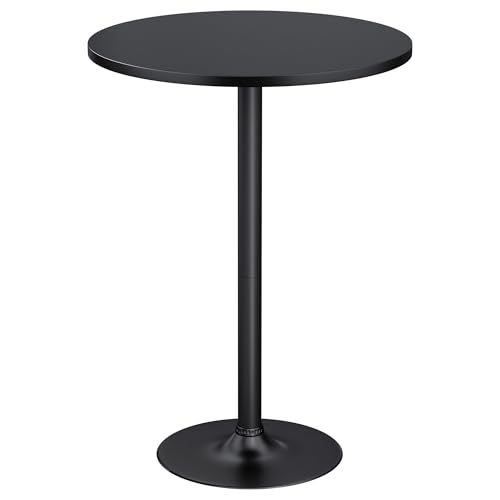
Furmax Bistro Pub Table Round Bar Height Cocktail Table for Home Bar, Round Bar Tables for Party, Dining Room, Living Room and Wedding, Metal Base MDF Top, 40.6 Inch Height (1, Dark Black-1)
Check price on Amazon
Garvee 87" Heavy Duty Kitchen Table, 10 Person Dining Table, Brown | 87" Kitchen Table, Rustic Dining Table For 10, Sturdy 2x2 Metal Legs, Thick Wood Top, Waterproof Finish
Check price on Amazon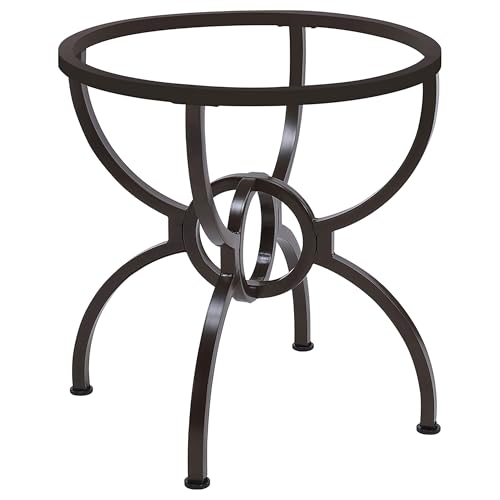
Aviano Dining Table Base Gunmetal
Check price on AmazonHow to Style a Metal Top Dining Table
A metal top is a strong visual anchor, so styling works best when you balance its cool, industrial character with warmth.
- Soften with textiles: A linen runner, woven placemats, or a textured centerpiece cloth add warmth against the metal sheen.
- Mix materials: Pair metal with wood chairs or solid wood chairs for a dining table to create contrast and comfort.
- Add soft seating: Comfortable upholstered dining chairs balance the hard surface and make long dinners more pleasant.
- Keep centerpieces grounded: A low bowl, a cluster of candles, or a simple vase reads cleanly on metal. Our centerpiece guide has more ideas.
- Control glare: If the finish is glossy, position lighting so it does not reflect directly into diners' eyes.
For a full design approach, explore our industrial dining table styling guide and the wider style and design hub.
Caring for a Metal Top Dining Table
Metal tops are low-maintenance, but a few habits extend their life considerably.
- Wipe daily: Use a soft damp cloth with mild soap, then dry immediately to prevent water spotting.
- Avoid abrasives: Steel wool and harsh scouring pads can dull brushed finishes and remove coatings.
- Manage acidic spills on zinc and copper: Wipe promptly, as acids can etch reactive metals.
- Use trivets for very hot cookware: Even heat-resistant metal benefits from protection against extreme direct heat.
- Inspect coatings: Touch up or repair chipped powder coating early to prevent corrosion at the exposed edge.
For surface-specific routines, see the dining table surface care guide and our stain removal guide.
Who Should Choose a Metal Top Dining Table?
A metal top dining table is a strong fit for:
- Busy family households that need a surface that tolerates spills, heat, and daily use.
- Industrial or modern design lovers who want a statement surface with clean lines.
- Open-plan homes where a slim, durable top bridges kitchen and living areas.
- Anyone seeking low-maintenance furniture that stays presentable with minimal effort.
It may be less ideal if you prefer the warm tactile feel of wood under your hands or want a surface that patinas unpredictably. In those cases, a wood or stone top may suit you better — our wooden dining table buying guide and marble dining table guide explore those alternatives.
Frequently Asked Questions
Is a metal top dining table durable for daily family use?
Yes. A well-finished steel or aluminum top resists scratches, heat, and moisture far better than most wood surfaces, making it a strong choice for busy households with children.
Does a metal top dining table feel cold to the touch?
Metal conducts temperature, so it can feel cooler than wood. Using placemats, a table runner, or a fitted table pad solves this comfortably while protecting the surface.
Can a metal top dining table scratch or dent?
Thin metal can dent under heavy impact, and softer finishes may show fine scratches. Choosing a heavier gauge top with a powder-coated or brushed finish greatly improves resistance.
How do I clean a metal top dining table?
Wipe with a soft damp cloth and mild soap, then dry immediately. Avoid abrasive pads and harsh chemicals, which can dull the finish or remove protective coatings.
Which styles suit a metal top dining table best?
Industrial, modern, and farmhouse interiors pair naturally with metal tops. Mixed-material designs combining metal with wood legs or upholstered chairs create balance and warmth.
How many people can a metal top dining table seat?
Seating depends on size and shape. A round metal top around 52 inches seats four to five, while rectangular versions seat six or more. Match the footprint to your room and walkway clearance.
Ready to Find Your Metal Top Dining Table?
Explore curated metal-top dining tables selected for durability, design, and everyday practicality.
View Recommended Tables