
Comfortable Upholstered Dining Chairs: The Complete Buyer's Guide
Discover how to choose upholstered dining chairs that combine lasting comfort, durable materials, and a style that fits your dining room. From cushion construction to fabric selection, this guide covers everything you need before you decide.
Why upholstered dining chairs matter: A dining chair is where your family and guests spend the most time during a meal. A well-padded, supportive chair transforms long dinners into relaxed gatherings, while a poorly built one causes discomfort within minutes. This guide explains the components that define comfort and helps you match chairs to your table, your room, and your daily routine.
Recommended Comfortable Upholstered Dining Chairs
⚠️ AFFILIATE DISCLOSURE: This website contains affiliate links. As an affiliate Associate, we earn from qualifying purchases. If you make a purchase through these links, we may receive a small commission at no additional cost to you. Read our full affiliate policy.

Beige Fabric Upholstered Dining Chairs Set of 4, Curved Solid Wood Legs | Soft fabric; channel tufted back; thick padded seat; armless design; sturdy frame; dining room chairs;kitchen chairs
Check price on Amazon
LUE BONA Dining Chairs Set of 4 with Lumbar Support, Green | Modern Upholstered Kitchen Chairs with Solid Wood Legs, Curved Backrest & Comfortable Fabric for Home Dining Room, Restaurant
Check price on Amazon
COLAMY Upholstered Dining Chairs Set of 4, Mid Century Modern Kitchen Chairs with Back, Farmhouse Fabric Side Dining Room Chairs with Wood Legs for Dining Room Restaurant, Beige
Check price on Amazon
DUMOS Dining Chairs Set of 2, Mid Century Modern Chair Round Upholstered Curved Backrest, Kitchen Vanity Living Room Chairs with Black Metal Legs, Green
Check price on Amazon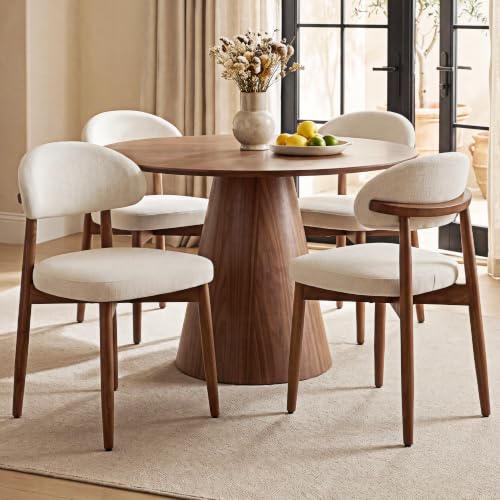
GRUSIGN Dining Chairs Set of 4,Upholstered Wooden Kitchen Chairs,Beige | Ergonomic Curved Backrest, Solid Wood Legs, Soft Fabric Seat, Mid Century Modern, for Dining Kitchen Living Room, Beige
Check price on Amazon
VKNOW Dining Chairs Set of 4, Fabric Dining Chairs, Green | Modern Mid-Century Upholstered Farmhouse Dinner Chair for Kitchen Dining Room Restaurant, Easy Assembly
Check price on Amazon
MALOL Dining Chairs Set of 2 with Lumbar Support,Fabric Upholstered Kitchen Chairs with Wooden Legs,Beige
Check price on Amazon
COLAMY Button Tufted Dining Chairs Set of 4, Accent Parsons Diner Upholstered Fabric Dining Room Stylish Kitchen Chairs with Solid Wood Legs and Padded Seat, Black
Check price on AmazonWhat Defines a Comfortable Upholstered Dining Chair
Comfort in a dining chair is not a single feature but the result of several elements working together. Before comparing styles or fabrics, it helps to understand the mechanics of a supportive seat. The most comfortable chairs balance ergonomics, cushioning, and a solid frame so that the chair supports posture without feeling rigid.
Seat Height and Table Clearance
The seat height determines how naturally you sit at the table. Standard dining chairs usually sit around 18 to 19 inches from the floor, leaving roughly 10 to 12 inches of clearance between the seat and the table apron. If you are pairing chairs with a counter-height table, choose seats around 24 to 26 inches; for bar-height tables, look for seats around 28 to 30 inches. Matching seat height to table height prevents slouching and keeps your knees from hitting the table.
Seat Depth and Width
Seat depth should allow your back to rest against the backrest while leaving a small gap behind your knees. A depth of around 16 to 18 inches suits most adults. Width matters too: a seat that is too narrow creates pressure on the hips, while an overly wide seat can make the chair feel unstable. If you are furnishing a table for mixed guests, a slightly wider seat offers better flexibility.
Cushion Density and Foam Quality
The foam inside the seat is what most people associate with comfort. High-density foam retains its shape longer and resists sagging, while low-density foam feels soft initially but flattens quickly. Many premium chairs combine a firm support core with a softer top layer, giving both structure and softness. Chairs described as mid-range or high-end tier often use this layered construction, while entry-level models may rely on a single foam block.
Backrest Angle and Lumbar Support
A backrest that is perfectly vertical forces you to sit unnaturally straight, while an overly reclined back makes it hard to reach the table. The best upholstered chairs use a gentle recline and a subtle curve that supports the lower back. Some designs include a slight lumbar contour or a taller backrest that reaches the shoulder blades for additional support during long meals.
Upholstery Materials Compared
The fabric or leather covering affects comfort, durability, and maintenance. Each material has strengths that suit different households and dining habits. Consider how often you eat at the table, whether children or pets are present, and how much time you are willing to spend on upkeep.
| Upholstery Type | Comfort Feel | Durability | Best For |
|---|---|---|---|
| Linen and Cotton Blends | Breathable, soft, natural | Moderate; prone to stains | Formal dining rooms and low-traffic settings |
| Performance Fabric | Smooth, supportive | High; resists stains and spills | Families with children and daily use |
| Velvet | Plush, warm, luxurious | Moderate; needs gentle care | Statement dining rooms and accent seating |
| Bonded or Genuine Leather | Firm, supportive, smooth | High; easy to wipe clean | Busy households and modern interiors |
| Faux Leather | Firm, cool to the touch | Moderate to high | Contemporary spaces and easy maintenance |
| Microfiber | Soft, plush | High; repels liquids well | Everyday dining with pets |
For households that host frequently, performance fabrics and leather remain the most practical. If comfort and a soft hand feel matter more than easy cleaning, linen blends and velvet deliver a richer sensory experience. Whatever the material, look for tight, even stitching and reinforced seams, since these details signal a well-constructed chair.
Frame Construction and Long-Term Support
The frame is the skeleton of an upholstered chair and determines how long it stays comfortable. A solid hardwood frame, such as oak or beech, resists wobbling and holds its shape for years. Plywood frames are common in entry-level chairs and can perform well when properly joined, while particleboard frames tend to weaken faster under daily use.
Check how the frame is joined. Mortise-and-tenon and dowel joints are more durable than staples alone. Corner blocks add rigidity, and some high-end chairs use metal brackets for extra strength. If the chair is designed with a matching table, consider the overall dining set construction. Our guide to counter dining tables explains how frame quality and table height influence seating choices, while the counter height dining room table sets overview shows how chairs and tables are paired as coordinated sets.
Styles That Suit Different Dining Rooms
Modern and Contemporary
Sleek silhouettes, tapered legs, and smooth upholstery in neutral tones. These chairs pair naturally with clean-lined tables, including a contemporary white dining table that brightens the room.
Scandinavian and Danish Modern
Light wood frames, curved backs, and understated fabric. A Danish modern dining table and chairs set often uses these chairs to create an airy, functional dining space.
Traditional and Farmhouse
Rolled backs, nailhead trim, and richer fabrics. These chairs add warmth to rustic settings and pair well with solid wood tables and benches.
Industrial and Urban
Metal frames combined with padded seats and backrests. A custom metal dining table base can anchor an industrial dining setup alongside upholstered chairs.
Mixed Material
Wood or metal frames with contrasting upholstery. These chairs bridge styles and work well in open-plan rooms where the dining area blends into the living space.
Compact and Space-Saving
Smaller upholstered chairs designed for tight rooms. They suit couch dining table sets and other multi-functional furniture arrangements.
Matching Chairs to Your Table and Room
Upholstered chairs should complement both the table and the room. The chair back height affects visual balance: taller backs suit formal dining rooms with high ceilings, while lower backs keep compact spaces feeling open. Upholstery color can either blend with the table or create contrast. For example, a cypress dining table with its natural grain pairs beautifully with neutral or earthy fabric tones.
If you are planning a flexible dining space, consider chairs that work with multiple table configurations. A console table that expands to a dining table benefits from lightweight upholstered chairs that are easy to reposition when the table is extended. Similarly, a counter height extendable dining table set often includes upholstered counter stools or chairs that match the taller table height.
For glass-topped tables, a custom glass top for dining table creates a light, open look that pairs well with upholstered chairs in solid colors, since the transparency keeps the room from feeling crowded.
Comfort Features Worth Prioritizing
- Contoured seat pan: A gently curved seat distributes weight more evenly than a flat one.
- Lumbar support: A subtle curve at the base of the backrest reduces strain during long meals.
- Armrests: Helpful for older guests and long dinners, but they add width, so measure clearance carefully.
- Breathable upholstery: Natural fibers and perforated performance fabrics reduce heat buildup.
- No-slip feet: Felt pads or rubber glides protect floors and keep chairs steady.
- Weight capacity: A reinforced frame and sturdy legs ensure the chair stays stable for all guests.
Care and Maintenance Tips
Upholstered chairs stay comfortable longer when maintained properly. Vacuum fabric seats weekly with a soft brush attachment to remove crumbs and dust. Blot spills immediately rather than rubbing, which can push stains deeper into the fibers. For fabric chairs, a fabric protector spray adds a layer of stain resistance. Leather and faux leather should be wiped with a damp cloth and conditioned occasionally to prevent drying and cracking.
Rotate chairs if you use some seats more than others, and tighten any loose screws or bolts every few months. Keep chairs away from direct sunlight to prevent fading, and avoid placing them too close to heat sources that can dry out upholstery. For a deeper look at protecting dining furniture, see our dining table care and maintenance hub.
Common Mistakes to Avoid
- Choosing style over seat height: A beautiful chair that is too tall or too short for your table causes discomfort every meal.
- Ignoring foam density: Soft cushions feel great in the showroom but flatten quickly under daily use.
- Overlooking maintenance: Light-colored fabric in a busy household requires more cleaning than many buyers expect.
- Buying mismatched sets: Chairs that differ in seat height or back angle create an uneven dining experience.
- Skipping the frame check: A sturdy frame matters as much as the upholstery for long-term comfort.
Frequently Asked Questions
What makes an upholstered dining chair comfortable?
Is fabric or leather better for dining chairs?
How do I keep upholstered dining chairs clean?
What seat height should upholstered dining chairs have?
Are upholstered dining chairs suitable for everyday use?
Ready to Choose Your Upholstered Dining Chairs
Use the guidance above to match seat height, upholstery, and frame quality to your table and daily routine. When you have a clear picture of what you need, explore the recommended chairs above to find the right fit for your dining space.
Explore Chair Options