
Hairpin Dining Room Table: The Complete Guide
A hairpin dining room table pairs the iconic mid-century silhouette of thin, bent-steel legs with a practical dining surface. This guide explains what to look for in construction, sizing, tabletop materials, stability, and styling — so you can choose a hairpin leg table that suits your room and daily life.
Start the Buying GuideWhat Is a Hairpin Dining Room Table?
A hairpin dining room table uses hairpin legs — steel rods bent into a sharp V or U shape — as its support structure. The legs are typically welded or bolted to a mounting plate beneath the tabletop. From a distance, the thin rods read as delicate lines, which is why hairpin tables are often described as visually light or airy compared with pedestal or trestle designs.
The style is closely associated with mid-century modern and industrial interiors, but it adapts well to contemporary, Scandinavian, and eclectic rooms. Because the leg profile is narrow, a hairpin table can make a compact dining area feel less crowded. That visual lightness is the main reason the design has stayed in production for decades and continues to appear in both starter-tier and premium furniture collections.
Design Origins and Why It Endures
The hairpin leg was developed in the mid-20th century as a response to the desire for furniture that felt lighter and more open than heavy wooden forms. The bent-rod construction allowed designers to use minimal metal while retaining strength, and the resulting silhouette became a hallmark of mid-century modern furniture.
Today the hairpin dining room table fits several trends at once: the renewed interest in mid-century design, the industrial aesthetic that celebrates exposed structural elements, and the practical need for furniture that doesn't dominate small rooms. It is also a favorite for DIY and furniture-upcycling projects, because hairpin legs can be attached to a wide range of tabletops. If you enjoy mixing eras and materials, a hairpin base can sit comfortably next to a rustic cabin dining table aesthetic or a more polished royal dining table style, depending on the top you choose.
Construction and Durability: What Actually Matters
Two hairpin tables can look nearly identical in photos but perform very differently in daily use. The difference comes down to a handful of construction details. When you evaluate a hairpin dining room table, check the following:
Leg rod diameter and steel grade
Thicker rods resist flexing and wobble better than thin rods. Entry-level tables often use thin rods that are adequate for light use but can feel springy under heavy loads. Mid-range and premium tables typically use larger-diameter, high-grade steel with cleaner welds. A solid build also depends on consistent bend geometry — legs that are bent unevenly will make the table rock.
Mounting plates and fasteners
The legs attach to the tabletop through mounting plates. Look for plates that are large enough to spread the load and screws that are appropriate for the tabletop material. Reinforced plates with multiple fasteners reduce the chance of the legs loosening over time. On solid wood tops, threaded inserts are a more durable mounting method than screws driven directly into the wood.
Welds and finish
Inspect the welds where the rods meet the mounting plate. Smooth, complete welds indicate better quality control. Powder-coated or rust-proof finishes protect the steel and are especially important in humid climates. A weather-resistant coating is a plus if the table will sit near a window with condensation or in a semi-outdoor space.
Tabletop attachment
The tabletop should sit flush and be secured so it does not shift when someone leans on an edge. A well-built hairpin table will have a clear attachment method and, ideally, cross-bracing or a sub-frame for larger tops. Very large tabletops supported only by four hairpin legs can develop a bouncy feel; a sub-frame distributes the load more evenly.
Quality Tiers: Entry-Level, Mid-Range, and Premium
Hairpin dining tables are available across the market spectrum. To compare options without relying on numeric figures, it helps to think in tiers. The table below uses a consistent tier system throughout this guide.
| Tier | Typical Build | Best For | What to Expect |
|---|---|---|---|
| Entry-level | Thinner steel rods, basic mounting plates, simpler finishes | Light use, occasional dining, staged spaces, first apartment | Good value for its tier; may feel springy under heavy weight; check welds carefully |
| Mid-range | Thicker rods, reinforced plates, better welds, solid wood or quality veneer tops | Everyday family dining, home offices, long-term daily use | Balanced tier; smoother stability and cleaner finish than entry-level options |
| Premium | High-grade steel, precision bending, large mounting plates, premium tops, refined finishes | Design-focused interiors, heavy daily use, statement dining rooms | Top-tier stability and finish; a long-term investment piece |
The jump from entry-level to mid-range usually brings the most noticeable improvement in stability, because the leg rods and mounting plates are more substantial. Premium tables refine the details further: cleaner welds, more precise geometry, and higher-grade tabletop materials. If the table will be used every day by a family, the mid-range tier is generally the most sensible starting point.
Sizing and Seating Capacity
Hairpin legs take up less visual space than pedestal bases, but they still need clearance. The table size should be driven by the room and the number of regular diners, not by the leg style. As a general rule, allow roughly 24 inches of table width per seated person and at least 30–36 inches of clearance between the table edge and walls or other furniture for comfortable chair pull-out.
| Seating | Typical Table Shape | Room Consideration |
|---|---|---|
| 2 people | Small round or square | Compact nooks and apartments; pair with a dining table for 2 people layout |
| 4 people | Square or small rectangle | Works well in a small dining table for 4 set arrangement |
| 6 people | Rectangle | Most common family size; check walkway clearance on all sides |
| 8+ people | Large rectangle or oval | Consider a sub-frame or additional legs; see large dining table size guidance |
Round hairpin tables are particularly effective in tight rooms because there are no corners to navigate around, and the thin legs keep sightlines open. If your room is narrow, a 4-seater dining table for small space with hairpin legs can be a strong fit. For very compact setups, a small round dining table for 4 with chairs preserves circulation better than a rectangular top of similar seating capacity.
Tabletop Materials and Finishes
The tabletop determines the table's warmth, maintenance needs, and visual weight. Hairpin legs are neutral enough to pair with many surfaces, but the combination changes the character of the piece.
Solid wood
Warm, repairable, and classic with hairpin legs. Look for a sealed finish for easier cleaning. Solid wood can be refinished if it develops wear, which supports its long-term investment value.
Wood veneer
Offers a consistent look with less movement than solid wood. Quality veneer over a stable core can be durable; check edge banding and avoid prolonged moisture exposure.
Marble and stone
Adds a luxe, modern contrast to thin steel legs. Stone is heavy, so confirm the leg and mounting plate can support the weight. A faux marble dining table set is a lighter alternative.
Glass
Maximizes the airy effect of hairpin legs. Tempered glass is essential for safety. Fingerprints and smudges are more visible, so plan for regular cleaning.
Finish choice matters too. Matte finishes hide minor marks and suit industrial and Scandinavian interiors, while glossy or lacquered tops reflect light and feel more contemporary. If the table sits in a sunny spot, consider fade-resistant finishes and use window treatments during peak hours.
Stability, Floor Protection, and Safety
The most common concern about hairpin dining room tables is stability. A well-built hairpin table is stable for normal dining, but the design has less inherent bracing than a four-post or pedestal base. A few practical points help:
- Weight distribution: Heavier tops increase stability but also load the legs. Match the top to the leg specification rather than assuming any top will work.
- Floor protection: Hairpin legs end in small feet that can mark hard floors. Add felt pads or rubber caps and replace them when worn.
- Rocking: If the table rocks, check whether the legs are bent evenly and whether the floor is level. Adjustable glides solve many minor rocking issues.
- Child safety: Because the legs are thin and angled, supervise young children who may pull on the table edge. Avoid placing a hairpin table where it will be used as a climbing aid.
- Heavy leaning: Avoid leaning full body weight on one edge; the cantilever effect is greater than on a pedestal base.
If the table will see frequent moving or reconfiguration, a lighter top and mid-range legs are easier to handle than a heavy stone top on premium legs. For rooms with uneven floors, prioritize legs with adjustable feet or plan to add glides.
Styling a Hairpin Dining Table
The hairpin silhouette invites a light touch. Because the legs are visually thin, the surrounding decor can either emphasize openness or create contrast. A few styling approaches work consistently well:
Chair pairing
Molded plastic, upholstered dining chairs, and cane-back chairs all complement hairpin legs. Mixing chair styles — sometimes called a mixed chairs dining table look — suits the eclectic side of mid-century design. For a warmer, more traditional contrast, pair a wood-top hairpin table with upholstered chairs.
Rugs and lighting
A rug grounds the dining zone and protects the floor. Make sure the rug is large enough that chair legs stay on it when pulled out; see guidance on a large rug under dining table for proportions. A pendant light centered above the table anchors the space visually and compensates for the open feel of the thin legs.
Centerpieces
Keep centerpieces low and simple so they don't compete with the light leg profile. A shallow bowl, a small vase, or a short candle arrangement works well. For a more styled look, a cane dining table and chairs pairing shares the same airy design language.
Who a Hairpin Dining Table Suits — and Who Should Avoid It
A hairpin dining room table is a strong choice if you want a visually light piece that fits mid-century, industrial, Scandinavian, or contemporary interiors. It works especially well in smaller rooms where a bulky base would crowd the space, and in open-plan layouts where sightlines matter.
It may be less suitable if you need maximum rigidity for heavy daily use, if the room has very uneven floors, or if young children will use the table edge as a support. In those cases, a pedestal or trestle base may be more practical. If you prefer a solid, grounded look, a farmhouse dining table top with a heavier base will feel more stable.
Buying Checklist for a Hairpin Dining Room Table
Use this checklist to compare options consistently. It focuses on construction and fit rather than numeric figures.
- Measure the room and the walkway: Confirm chair pull-out clearance on all sides before choosing a size.
- Choose a tier: Entry-level for light use, mid-range for daily family dining, premium for design-focused and heavy-use spaces.
- Verify leg diameter and steel grade: Thicker, high-grade steel resists flexing better than thin rods.
- Inspect mounting plates and fasteners: Larger plates with multiple fasteners distribute load and reduce loosening.
- Check the tabletop attachment: Look for a flush fit, sub-frame or bracing on larger tops, and appropriate fasteners for the material.
- Confirm finish and floor protection: Rust-proof or powder-coated legs for humid rooms; felt pads or rubber caps for hard floors.
- Plan the styling: Chair pairing, rug size, and pendant placement should be decided before the table arrives.
- Read the warranty and assembly notes: Assembly difficulty varies; check whether the legs come pre-attached or require installation.
Ready to Compare Hairpin Dining Tables?
Browse recommended hairpin dining room tables and related styles in our product section below. Compare construction details, tiers, and tabletop options before you decide.
View Recommended TablesFrequently Asked Questions
What is a hairpin dining room table?
A hairpin dining room table uses thin steel rods bent into a V or U shape as legs. The design originated in mid-century modern furniture and creates a light, airy visual effect that makes the table feel less bulky in a room.
Are hairpin leg dining tables stable enough for everyday use?
Yes, when properly constructed. Entry-level tables use thinner rods, while mid-range and premium versions use thicker, high-grade steel with reinforced mounting plates. For daily family dining, choose a mid-range or better build with solid mounting plates and substantial rod diameter.
What tabletop materials work best with hairpin legs?
Solid wood, quality wood veneer, marble, and tempered glass all pair well. Solid wood and veneer create the classic mid-century warm look, marble adds a modern luxe contrast, and glass amplifies the airy effect of the thin legs.
How do I style a hairpin dining room table?
Keep the surrounding decor light to balance the thin legs. Pair with upholstered or molded chairs, use a rug large enough for chair pull-out, and add a pendant light above to anchor the dining zone. Low, simple centerpieces complement the mid-century aesthetic.
Do hairpin legs scratch floors?
Hairpin legs usually have small glides or feet that can mark hard floors if worn. Add felt pads or rubber caps to protect flooring and reduce noise, and replace worn glides periodically.
Recommended Hairpin Dining Room Tables
⚠️ AFFILIATE DISCLOSURE: This website contains affiliate links. As an affiliate Associate, we earn from qualifying purchases. If you make a purchase through these links, we may receive a small commission at no additional cost to you. Read our full affiliate policy.

Sleekform Wooden Folding Dining Table for 4, 47 x 30 Inch | Collapsible Hairpin Legs, Portable & Lightweight for Small Spaces
Check price on Amazon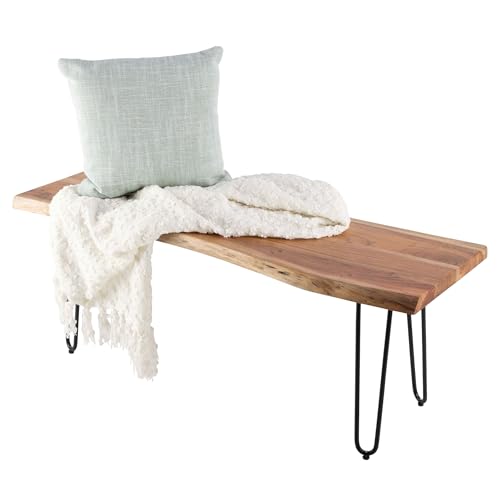
Alaterre Furniture Live Edge Entryway Bench with Hairpin Metal Legs, 48” | Solid Wood Narrow Long Shoe Bench, End of Bed Bench, Modern Farmhouse Table Bench, for Entryway, Dining Room or Bedroom
Check price on Amazon
IRONCK Dining Table Set for 2, Rustic Brown | Small Kitchen Table with Upholstered Chairs, Compact Dining Set for Small Spaces, Kitchen & Dining Room
Check price on Amazon
Jocoevol Round Dining Table for 4,Kitchen Dining Room Circle Dinner Pedestal Table,Space Saving Wood Kitchen & Dining Room Furniture (Vintage, 46In)
Check price on Amazon
Memobarco 47.2" Dining Table for 4-6 People, Rectangular Kitchen Table | Modern Wooden Dining Room Table with Open Storage Shelf and Rounded Corners for Kitchen Living Room (Walnut)
Check price on Amazon
PeacefulHues 71''Industrial Dining Table for 6-8 People,Large Kitchen Table | Rectangular Heavy Duty Kitchen Table with MDF Wood Top & Metal Legs, Large Dining Room Table, Table Only, Grey
Check price on Amazon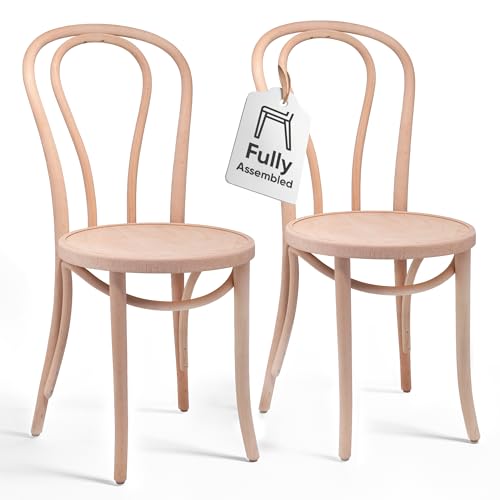
1018 Hairpin Bentwood Dining Chairs Set of 2 | Natural Handcrafted Wood Frame, Rustic Indoor Furniture | Wooden Chair for Kitchen Table, Coffee Shop, Cafe, or Bistro | Dining Room Chairs in rew
Check price on Amazon
Extendable Dining Table, Round Kitchen Dining Room Dinner Table with for 4 6 8 People, Space Saving Modern Oval Expandale Furniture with Storage and Pedestal for Kitchen Living Room (Black)
Check price on AmazonRelated Dining Table Guides
If you are still comparing styles, these guides cover nearby topics that often come up alongside hairpin tables:
- Vintage wood round dining table — for a warmer, traditional alternative to thin steel legs.
- Cane dining table and chairs — another airy, textural pairing that suits mid-century interiors.
- Small round dining table for 4 with chairs — a practical layout for compact rooms.
- High top dining table with chairs — for a taller, more pub-style dining setup.
- Dining table for 2 people — sizing guidance for couples and small households.