
Seating Bench for Dining Table: The Complete Buying Guide
Everything you need to know before choosing a dining bench — sizing, materials, safety, comfort, and styling ideas that make your dining space feel intentional and inviting.
START THE GUIDEWhy a dining bench deserves your attention: A seating bench for a dining table is one of the most practical upgrades you can make to a dining room. It maximizes seating without crowding the table, tucks neatly under the tabletop when not in use, and adds a relaxed, layered look that chairs alone cannot achieve. This guide walks you through the details that matter so you can choose with confidence.
Recommended Dining Benches for Your Table
⚠️ AFFILIATE DISCLOSURE: This website contains affiliate links. As an affiliate Associate, we earn from qualifying purchases. If you make a purchase through these links, we may receive a small commission at no additional cost to you. Read our full affiliate policy.
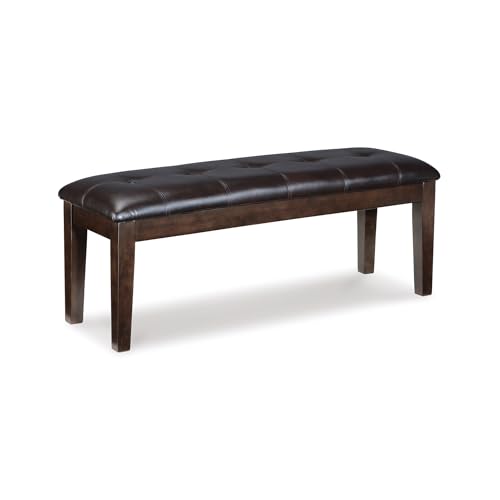
Signature Design by Ashley Haddigan 1-Piece Dining Bench, Faux Leather | Classic button tufted seat, Wood and engineered wood frame, 18.75 in seat height, 2-person capacity, Dark brown finish
Check price on Amazon
Signature Design by Ashley Moriville Wood Upholstered Dining Bench, Beige | Cushioned 48-inch dining seat in textured beige polyester, Rustic distressed nutmeg wood frame with bronze nailhead trim
Check price on Amazon
Signature Design by Ashley 1-Piece Wood Dining Bench, 48" 2-Tone Farmhouse | Sturdy solid wood frame with mango veneer and MDF substrate seat, Space-saving 48-inch profile, Wildenauer Series
Check price on Amazon
HOOBRO 39.3'' Bamboo Dining Bench, Farmhouse Kitchen Table Bench, Kitchen & Living Room Furniture, Easy to Assemble, Sturdy and Stable, Mocha MA03CD01G2
Check price on Amazon
Signature Design by Ashley Cabalynn Farmhouse Upholstered Dining Bench, Foam Cushion, Hardwood Solids, 63.5" W x 16.5" D x 19.75" H, Beige & Light Brown
Check price on Amazon
HNY Farmhouse Upholstered Dining Bench Seat, 45" Linen Entryway Bench with Natural Wood Legs, Mid Century Modern End of Bed Bench for Kitchen Bedroom Living Room Hallway, for 2-3 Person, Beige
Check price on Amazon
VASAGLE Dining Bench Set of 2, 42.5'' Kitchen Bench | Industrial Style, Steel Metal Frame, for Kitchen, Dining Room, Living Room, Entryway, Rustic Brown and Black, UKTB33X
Check price on Amazon
Breakfast Nook Dining Table Set for 4-6, Corner Bench with Storage Shelves | A 43.3 x 23.62 in table, L-shaped corner bench and separate bench create flexible seating for daily meals and guests
Check price on AmazonWhat Is a Seating Bench for a Dining Table?
A seating bench for a dining table is a long, backless (or low-backed) seat designed to slide under or alongside a dining table. Unlike individual chairs, a bench seats multiple people along a single span, which makes it a natural fit for one side of a rectangular or oval table. Most benches are built at the same seat height as dining chairs, so mixing a bench with chairs on the opposite side is completely workable and a common design choice in modern homes.
Benches come in three broad configurations:
- Standard dining benches — fixed height, typically 17–19 inches at the seat, positioned along one long edge of the table.
- High benches — taller seats designed for bar-height or counter-height dining tables; a high bench for dining table pairs with a raised table rather than a standard one.
- Corner and L-shaped benches — built-in or freestanding nook seating that wraps around a corner, often used in compact dining areas.
Why Choose a Bench Instead of Chairs?
Benches are not simply a cheaper alternative to chairs — they solve specific spatial and stylistic problems that chairs cannot. Understanding these advantages helps you decide whether a bench belongs in your dining room.
1. More Seating in the Same Footprint
A bench can seat three people in the space that two chairs occupy, because there are no armrests or wide seat pans to separate sitters. For households that regularly host guests, this is often the single biggest reason to add a bench to one side of the table.
2. Cleaner Visual Lines
Because a bench tucks fully beneath the tabletop, the dining room reads as less cluttered when the table is not in use. This matters in open-plan living spaces where the dining area is visible from the kitchen or living room.
3. A Relaxed, Layered Aesthetic
Mixing a bench with dining chairs creates visual contrast — a hard wood bench against upholstered chairs, or a sleek metal bench against warm timber. This mixed-seating approach is a hallmark of contemporary and Scandinavian dining room design.
4. Practical for Children and Casual Meals
Kids can slide onto a bench easily, and it works well for casual family meals where people come and go. Benches also pair naturally with compact arrangements such as a corner small dining table setup in a kitchen or breakfast nook.
Bench Sizing: Getting the Proportions Right
The most common mistake with dining benches is choosing the wrong length or height. A bench that is too long crowds the table legs, while one that is too short leaves an awkward gap. Use the following benchmarks as a starting point.
| Bench Attribute | Recommended Range | Why It Matters |
|---|---|---|
| Seat height | 17–19 inches from floor | Matches dining chair seat height so all diners sit level with the tabletop |
| Bench length (for a 6-seat table) | Roughly 60–70% of table length | Seats two to three people without overhanging the table legs |
| Bench depth | 14–16 inches | Deep enough for comfort, shallow enough to tuck under the table |
| Clearance to table edge | 12–15 inches | Allows diners to tuck in and stand up comfortably |
| Walkway behind bench | 36 inches minimum | Keeps movement safe when someone is seated |
For a compact dining room, a shorter two-person bench can work alongside a 2 chairs small dining table set style arrangement. In larger rooms, a long bench along one side of an 8 chair high top dining table is a practical way to seat a crowd without adding eight separate chairs.
Materials: Which Bench Surface Suits Your Home?
Bench materials determine durability, comfort, and how the bench fits the rest of your dining furniture. The main families are solid wood, upholstered, metal, and mixed-material.
Solid Wood Benches
Wood is the most versatile choice. Oak, walnut, pine, and teak are all common, and matching the bench to your table's wood species creates a cohesive set. A solid pine dining table and chairs pairing, for example, benefits from a pine or painted bench that shares the same grain character. Wood benches are easy to wipe down, can be refinished, and develop patina over time. If you are still deciding on table species, our guide to good wood for dining table construction explains how hardness and grain affect long-term wear.
Upholstered Benches
Upholstered benches add softness and are the most comfortable option for long dinners. Look for high-density foam, removable covers, and a solid frame underneath. Fabric choice matters in a dining context — performance weaves and tightly woven textiles resist spills better than loose linens. Upholstered benches suit farmhouse and transitional interiors particularly well, including a farmhouse rustic dining table set where a fabric bench softens the room's heavy timber tones.
Metal Benches
Metal benches — steel, aluminum, or powder-coated iron — are durable and easy to clean, making them a strong fit for industrial and modern schemes. A metal indoor dining table paired with a matching metal bench creates a clean, consistent look. Metal is also a practical choice in households with young children because it resists dents and stains.
Mixed-Material Benches
Wood-and-metal benches combine a timber seat with a metal frame, offering the warmth of wood with the structural rigidity of steel. These are among the most popular mid-range options because they suit both rustic and contemporary dining rooms.
Comfort and Ergonomics
A backless bench is less supportive than a chair over long periods, so comfort details matter more than they do with chairs. Consider these factors before buying:
- Cushioning: A bench pad or upholstered top distributes weight and prevents the seat from feeling hard after 30 minutes.
- Seat depth: 14–16 inches is the comfort sweet spot; deeper benches encourage slouching and are harder to tuck in.
- Edge profile: Rounded or eased front edges reduce pressure on the back of the thighs.
- Footrest: Some benches include a stretcher or lower rail that acts as a footrest, improving posture for taller diners.
If someone in the household needs extra support, pairing a bench with an adjustable dining chair on the opposite side gives each diner the seat type that suits them.
Safety and Stability
Benches are safe when specified correctly, but a few checks prevent common problems:
- Weight rating: Confirm the bench is rated for the number of people it will seat. Two adults per bench length is a reasonable planning assumption for standard dining benches.
- Anti-slip feet: Rubber or felt pads under the legs prevent sliding on hard floors and protect the floor surface.
- Stable base: A bench with a wide leg stance or a full apron is less likely to tip than one with narrow, inset legs.
- Wall anchoring: Built-in or corner benches should be fixed to the wall or floor where possible.
- Child supervision: Backless benches invite climbing; keep an eye on younger children and avoid placing a bench directly beside a hot radiator or sharp table corner.
Pro Tip: Test the Tuck
Before committing, measure the clearance between your table apron and the floor. A bench with a tall backrest or thick cushion may not slide fully under the table — check the combined height of the bench plus cushion against your table's under-apron clearance.
Matching a Bench to Your Dining Table Style
The bench should feel like it belongs with the table, even if it is not from the same set. Use these pairings as a guide:
Modern and Minimalist Tables
Pair a sleek table with a slim, backless wood or metal bench. Avoid heavy upholstery and ornate detailing. For a starting point, browse modern dining table base only options to see how clean-lined bases pair with low-profile benches.
Farmhouse and Rustic Tables
Chunky timber benches with visible grain or painted finishes match rustic tables well. A metal farmhouse dining table can take a matching industrial bench, while an unfinished farmhouse dining table invites a DIY-finished bench in the same tone.
Marble and Stone Tables
Stone tops need visually lighter seating. A slim bench with a metal frame balances the weight of a marble top. See how seating is styled around a small marble dining table for 4 for a compact example.
Glass Tables
Glass tops reward benches that echo their transparency — metal or light-wood frames work best. A glass dining table with leaf pairs naturally with a minimal bench along one side.
Styling a Dining Bench
Benches are styling-friendly because they offer a long, uninterrupted surface. A few ideas that work across styles:
- Layer a bench pad or throw across the seat for color and comfort — the same principle as a dining table throw but applied to seating.
- Add pillows at the ends of an upholstered bench to define the seating zones.
- Use under-bench baskets for storing linens, placemats, or children's tableware.
- Keep the top clear during meals, and style it with a runner or tray when the table is not in use.
- Coordinate with centerpieces — a bench along one side gives the table a natural direction, which changes how you place a beautiful dining table centerpieces arrangement.
Bench vs. Chairs: A Practical Comparison
| Consideration | Bench | Chairs |
|---|---|---|
| Seats per linear foot | More efficient — no armrests | Fewer per foot due to seat width |
| Visual footprint | Tucks fully under the table | Backrests remain visible |
| Long-meal comfort | Good with cushioning; less back support | Better back support |
| Flexibility | Fixed on one side | Can be rearranged individually |
| Best for | Family dining, casual hosting, compact rooms | Formal dining, individual comfort |
Many households use both: a bench along the wall side and chairs on the open side. This hybrid approach gives you the space efficiency of a bench without sacrificing chair comfort everywhere.
Bench Placement and Room Flow
Where you place the bench affects how the whole dining room functions. The bench is usually best along the side of the table that faces a wall, a window, or a built-in banquette, leaving the open side for chairs and circulation. This keeps traffic paths clear and lets the bench act as a visual anchor.
In a narrow room, a bench can sit flush against the wall with the table pushed close, freeing floor space on the opposite side. Compact arrangements like a cute dining table for small space or a hideaway dining table benefit most from this wall-side bench strategy. If the room doubles as a workspace, a dining room table and desk combination also works well with a bench that slides away when the desk is in use.
Care and Maintenance
A dining bench takes daily wear, especially along its front edge. Simple habits keep it in good condition:
- Wipe wooden surfaces with a soft damp cloth and dry immediately; avoid soaking the timber.
- Re-oil or wax wood benches once or twice a year depending on use.
- Vacuum upholstered benches regularly and spot-clean with a fabric-appropriate cleaner.
- Check leg fasteners every few months and tighten as needed.
- Use felt pads to protect both the bench legs and your flooring.
For deeper maintenance routines, our broader care resources cover surface protection and repair in detail.
A Quick Buying Checklist
Before you finalize your choice, run through this list:
- Measured the table length and confirmed a bench length of roughly 60–70% of it
- Verified seat height matches your dining chairs (17–19 inches)
- Checked the bench depth (14–16 inches) and tuck clearance under the table
- Confirmed the material suits your room's humidity, traffic, and cleaning routine
- Checked the weight rating for the number of people it will seat
- Planned walkway clearance of at least 36 inches behind the bench
- Decided whether the bench will pair with chairs or with another bench
- Reviewed the return policy and assembly requirements
Ready to Choose Your Dining Bench?
Browse the curated bench selection above to compare styles, materials, and seat configurations that match your table and room.
VIEW RECOMMENDED BENCHESFrequently Asked Questions
What is the ideal height for a dining bench?
A standard dining bench seat height should be between 17 and 19 inches from the floor, matching the seat height of your dining chairs so everyone sits at a comfortable level relative to the tabletop.
How much space do I need between a dining bench and the table?
Allow roughly 12 to 15 inches of clear space between the bench edge and the table edge so people can tuck in comfortably. You should also leave at least 36 inches of walkway clearance behind the bench for safe movement.
Can a dining bench be used with any dining table?
A bench works with most rectangular, oval, and square tables, especially along a wall side or a long edge. Round pedestal tables are less ideal unless the bench is curved, and the bench length should closely match or slightly under-run the table edge.
Are upholstered dining benches comfortable for long meals?
Yes, upholstered benches with high-density foam padding provide excellent comfort for extended meals. Look for removable, washable covers and firm cushioning so the bench stays supportive and easy to maintain.
How do I protect a wooden dining bench from scratches?
Use felt pads under the legs, avoid dragging the bench across the floor, wipe spills promptly, and periodically apply a wood conditioner or wax. A bench pad or cushion also protects the seat surface from daily wear.
Can I mix a bench with dining chairs at the same table?
Absolutely. Mixing a bench on one side with chairs on the other is one of the most common and practical dining room layouts. It balances space efficiency with individual comfort and creates visual contrast.