
Rustic Teak Outdoor Dining Table: The Complete Buying & Care Guide
Everything you need to choose, size, and maintain a rustic teak outdoor dining table — from wood grades and weather resistance to seating capacity and long-term care.
Why Teak Is the Benchmark for Outdoor Dining Tables
Teak has been the go-to wood for outdoor furniture for generations, and for good reason. The timber contains natural oils and silica that make it resistant to moisture, rot, and insect damage. That built-in protection is what allows a rustic teak outdoor dining table to sit through rain, sun, and seasonal swings while keeping its structural integrity.
Compared with softwoods such as pine, teak is denser and more dimensionally stable, which means it is less prone to warping and cracking when humidity shifts. It also ages gracefully: left untreated, the wood develops a silvery-grey patina that fits naturally into garden and patio settings. This is why teak is often described as a long-term investment rather than a disposable furniture purchase.
If you are comparing materials, it helps to understand how wood behaves in outdoor conditions before committing. Our wooden dining table buying guide breaks down how different species hold up, while the materials and finishes hub explains the trade-offs between solid wood, stone, and composite surfaces.
Teak Grades and What "Rustic" Really Means
The word "rustic" describes character, not necessarily quality. A rustic teak table typically shows visible grain, small knots, and natural color variation. Some pieces lean into a hand-hewn or reclaimed look, while others keep a cleaner face but preserve the warm, organic tones of the wood.
Teak is commonly graded by the amount of heartwood versus sapwood. Heartwood is the dense, oily core of the tree and carries the natural protection that makes teak desirable. Sapwood is lighter in color and less durable. For outdoor use, look for tables built primarily from heartwood, even if the surface has a rustic finish.
| Tier | Typical Characteristics | Best For |
|---|---|---|
| Entry-level | Mixed heartwood and sapwood, simpler joinery, thinner tops | Light seasonal use and sheltered patios |
| Mid-range | Mostly heartwood, solid joinery, consistent grain matching | Year-round outdoor use in most climates |
| Premium | Grade-A heartwood, kiln-dried, reinforced mortise-and-tenon joints | High-exposure patios and long-term investment |
| Luxury | Hand-selected timber, artisan detailing, flagship construction | Design-led outdoor spaces and commercial-grade durability |
Joinery matters as much as the wood itself. Mortise-and-tenon joints, doweled frames, and reinforced corner blocks hold up far better outdoors than simple screwed connections. When you inspect a table, check the underside and the joints — that is where quality reveals itself.
Sizing Your Teak Outdoor Dining Table
Outdoor dining tables need more breathing room than indoor ones because chairs are often pushed back further and guests move around more freely. A practical rule is to allow about 24 inches of table edge per seated person, and to leave at least 36 inches of clearance on all sides for chair pull-out and walkways.
| Seating | Suggested Table Size | Best For |
|---|---|---|
| 4 people | Round, roughly 47–50 inches across | Balconies, small patios, intimate gatherings |
| 6 people | Rectangular, around 70–72 inches long | Standard family patios and decks |
| 8 people | Rectangular or oval, 84–96 inches long | Entertaining and larger garden spaces |
| 10+ people | Extendable or oversized rectangular | Hosting, holiday meals, commercial settings |
Round tables are sociable and work well in compact or irregular spaces, while rectangular tables maximize seating along a wall or railing. If your guest count varies, an extendable model gives you flexibility without a second table. Our dining table space planning guide covers how to measure your area accurately, and the dining table size chart is a handy reference for matching dimensions to seat counts.
Shapes and Configurations for Rustic Teak Tables
The shape you choose shapes how the space feels and functions. Here are the most common configurations for a rustic teak outdoor dining table and who each one suits.
Round Teak Tables
Round tables encourage conversation and suit smaller patios, balconies, and nooks. A large round wood table can seat six or more without the awkward corner reach of a rectangular design. If you have a generous patio, a large round wood dining table brings a natural, grounded look to the outdoors.
Oval Teak Tables
Oval tables combine the sociability of a round top with the seating efficiency of a rectangle. They soften the lines of an outdoor space and are ideal for eight-seat setups. For a wider footprint, a large oval dining table that seats 8 balances elegance with practical capacity.
Extendable Teak Tables
If you host occasionally but want a compact footprint day to day, an extendable table is the smart choice. Teak extension mechanisms hold up well outdoors when properly maintained. An expandable teak dining table lets you shift from family meals to full gatherings without changing furniture.
Pedestal and Statement Pieces
Pedestal bases keep the space under the table clear for chairs and feet, which is especially useful on patios. A rustic pedestal design can double as a visual centerpiece. If you want a sculptural silhouette, compare how a round pedestal outdoor dining table handles seating clearance versus a four-leg frame.
Finish and Patina: What to Expect Over Time
One of the defining features of teak is that it changes appearance as it ages. New teak is a warm honey-gold. With exposure to sun and rain, the surface gradually turns a soft silvery grey. Neither state is "wrong" — the choice is aesthetic and practical.
Oiled Teak
Oiling preserves the golden-brown tone and slows moisture absorption. It requires reapplication every few months in high-exposure settings, but it keeps the wood looking richer and can reduce surface checking. Use a teak-specific oil and apply thin, even coats.
Weathered Teak
Left untreated, teak develops its natural patina. This low-maintenance approach suits rustic and garden settings where a weathered look is part of the charm. Even with a weathered finish, periodic cleaning keeps the surface free of dirt and mildew.
Sealed and Lacquered Finishes
Some tables ship with a factory sealant. These finishes look polished at first but can flake or wear unevenly outdoors, eventually requiring stripping and refinishing. For a rustic outdoor table, an oiled or natural finish is usually more forgiving. Our oiled dining table guide explains application in more detail.
Care and Seasonal Maintenance
Teak is low-maintenance by outdoor furniture standards, but a little care goes a long way toward extending its life. The goal is to keep the surface clean and to prevent standing water from sitting in joints.
Routine Cleaning
- Wipe down with mild soap and warm water every few weeks during the season.
- Use a soft-bristle brush for textured or rustic surfaces, and avoid abrasive pads.
- Rinse thoroughly and dry with a cloth to prevent water spots.
- Address mildew promptly with a diluted, gentle cleaner rather than harsh bleach.
Seasonal Protection
- During harsh winters, cover the table with a breathable cover or move it to a sheltered area.
- In freezing climates, bring the table indoors to prevent ice from expanding inside joints.
- Check and tighten hardware at the start and end of each season.
- Re-oil if you want to maintain the golden tone; otherwise, let the patina develop.
For a deeper dive, our dining table routine upkeep guide and the care and maintenance hub cover cleaning schedules, stain removal, and long-term protection strategies. If you notice wobbles, the wobbly dining table fix guide walks through common causes and fixes.
Buying Checklist for a Rustic Teak Outdoor Dining Table
Before you commit, run through this checklist to make sure the table fits your space, your climate, and your lifestyle.
- Wood quality: Confirm the table is primarily heartwood, not sapwood.
- Joinery: Look for mortise-and-tenon or doweled construction, not just screws.
- Dimensions: Measure your patio and confirm seating clearance of at least 36 inches on all sides.
- Shape: Match the table shape to your space and guest count.
- Finish: Decide between oiled and natural patina before you buy.
- Hardware: Check that fasteners are rust-resistant, ideally stainless steel.
- Weight and stability: Heavier tables resist wind better on open patios.
- Warranty: A solid warranty signals confidence in outdoor durability.
If you are weighing teak against other wood species, our teak dining table guide compares it directly with oak, walnut, and other popular timbers. For a broader view of material behavior outdoors, the solid oak dining table guide is a useful contrast.
Frequently Asked Questions
Is teak a good wood for an outdoor dining table?
Yes. Teak contains natural oils and silica that make it highly resistant to moisture, rot, and insects, which is why it has long been a preferred wood for outdoor furniture. A rustic teak outdoor dining table can handle sun, rain, and seasonal changes far better than most softwoods.
Should I oil or leave my teak table to weather?
Both are valid choices. Oiling preserves the warm golden-brown tone and slows moisture absorption, but it requires periodic reapplication. Leaving teak untreated lets it develop a silvery-grey patina that many people find attractive in a rustic setting. Whichever you choose, stay consistent.
How many people can a teak outdoor dining table seat?
A general rule is to allow about 24 inches of table edge per person. A round table around 48 inches across seats four comfortably, while a rectangular table around 72 inches long seats six, and larger tables seat eight or more. Always confirm chair clearance around the table.
Can a teak outdoor table stay outside all year?
Teak is designed to endure outdoor exposure, but a cover during harsh winter months and periodic cleaning will extend its life. In freezing climates, bring the table indoors or into a sheltered area to prevent ice damage to joints.
How do I remove mildew from a teak table?
Use a diluted solution of mild soap and warm water with a soft brush. For stubborn mildew, a dedicated teak cleaner is gentler than bleach. Rinse thoroughly and dry the surface afterward.
Ready to Compare Rustic Teak Outdoor Dining Tables?
Browse our curated picks and compare features, sizes, and construction quality side by side.
Explore Shopping & ReviewsRecommended Rustic Teak Outdoor Dining Tables
⚠️ AFFILIATE DISCLOSURE: This website contains affiliate links. As an affiliate Associate, we earn from qualifying purchases. If you make a purchase through these links, we may receive a small commission at no additional cost to you. Read our full affiliate policy.
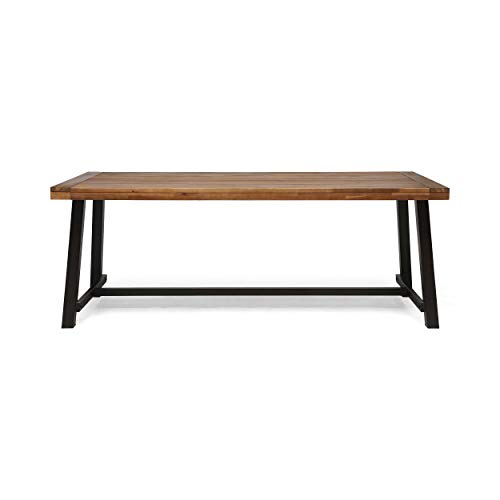
Great Deal Furniture Beau Outdoor Eight Seater Wooden Dining Table, Teak and Rustic Metal Finish
Check price on Amazon
SEEHILL 9 Pieces Aluminum Patio Dining Set, Outdoor Dining Set for 8, Teak | Never-Rust, Outdoor Dining Table and Chairs Set & Cushions, Wood-Like Texture, Patio Furniture Set for Deck, Garden, Poolside
Check price on Amazon
Christopher Knight Home Balew Patio Acacia Wood Dining Table, Indoor and Outdoor Dining Room Table for 6-8 Persons, Rectangular Dining Table for Backyard/Garden, Teak
Check price on Amazon
ComfCove Outdoor Dining Set, Aluminum & HDPS Outdooor Table and Chairs Set | 7 Peice Patio Dining Set, 67" Large Table with Umbrella Hole, All -Weather Outdoor Furniture for Porch, Yard (Gray & Teak)
Check price on Amazon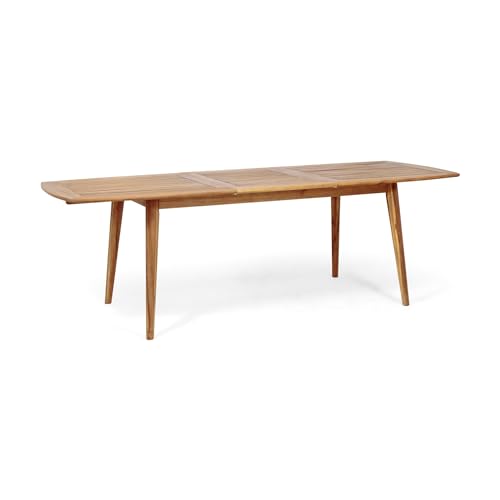
Christopher Knight Home Stamford Outdoor Acacia Wood Expandable Dining Table, Teak
Check price on Amazon
SEEHILL 9 Pieces Never-Rust Aluminium Outdoor Dining Set, Patio Table and Chairs for 8, Patio Dining Set with Rectangle Table, Outdoor Dining Chairs with Removable Cushions for Deck, Backyard, Teak
Check price on Amazon
SEEHILL Never-Rust Aluminum Patio Dining Table, 63" x 35" Rectangular Outdoor Dining Table for 6, Outdoor Patio Table with Umbrella Hole for Backyard, Garden, Balcony, Deck, Teak
Check price on Amazon