
Round Glass Dining Table 42 Inches: Complete Buyer's Guide
A 42-inch round glass dining table is one of the most versatile choices for compact and open-plan dining spaces. This guide covers seating capacity, glass thickness, base styles, safety, care, and how to choose the right model for your home.
EXPLORE RECOMMENDED MODELSWhy a 42-Inch Round Glass Dining Table Works
A 42-inch round glass dining table sits in a sweet spot between compact and functional. The round shape removes sharp corners, which makes traffic flow smoother in tighter dining areas, kitchens, and breakfast nooks. The glass top reflects light and visually opens up the room, while the transparent surface keeps the space feeling airy rather than heavy.
Compared with solid wood or stone tops, glass is easy to wipe clean and does not absorb spills, stains, or odors. For households that entertain often or have young children, that practical advantage matters. A 42-inch diameter is large enough to seat four adults comfortably and can accommodate a fifth person in a pinch, which is why this size is popular for apartments, condos, and smaller dining rooms.
The glass top also pairs well with many base styles, from slim metal pedestals to sculptural wooden columns. If you are exploring broader options in this category, our glass dining table with metal base guide explains how frame material influences stability and style. For a classic pairing, see our overview of the glass and steel dining table.
Dimensions and Seating Capacity
A 42-inch round table has a diameter of about 107 centimeters. The usable surface area is roughly 1,385 square inches, which is enough for four full place settings with a shared centerpiece. Here is a practical breakdown of how many people the table can seat and how much clearance each diner gets.
| Seating Setup | People | Comfort Level | Best For |
|---|---|---|---|
| 4 chairs, one per quadrant | 4 | Comfortable | Everyday family meals |
| 4 chairs plus 1 folding chair | 5 | Snug | Occasional guests |
| 2 chairs and a bench | 3–4 | Comfortable | Casual breakfast nook |
| 2 chairs opposite each other | 2 | Very spacious | Couples and small apartments |
For reference, each diner needs about 24 inches of table edge to eat comfortably. A 42-inch circle has a circumference of about 132 inches, which theoretically allows five seats, but four is the practical limit once you account for elbow room and serving dishes. If you regularly host six or more people, a larger model such as a 54-inch round white dining table or a 60 x 36 inch dining table may be a better fit.
The standard dining table height is 28 to 30 inches. A 42-inch round glass table at this height pairs well with standard dining chairs with a seat height of 18 to 19 inches. If you prefer a more casual, pub-style setup, read our guide to the 28-inch high dining table to compare heights before committing.
Glass Types and Thickness
The glass top is the defining feature of this table, so it deserves careful attention. Most quality 42-inch round glass tables use tempered glass, which is heat-treated to resist impact and shatter into small, blunt pieces rather than sharp shards if it breaks. Tempered glass is the baseline expectation for dining use and should be confirmed in the product specification.
Thickness varies by tier. Entry-level models often use 8mm glass, while mid-range and premium tables typically use 10mm to 12mm glass. Thicker glass feels more substantial, reduces flex, and handles the weight of serving dishes more gracefully. A 10mm tempered top is a solid middle ground for a 42-inch diameter, while 12mm is common on high-end and commercial-grade models.
| Glass Thickness | Typical Tier | Characteristics | Best For |
|---|---|---|---|
| 8mm tempered | Entry-level | Lighter weight, more flex under load | Light daily use, two-person households |
| 10mm tempered | Mid-range | Balanced rigidity and weight | Families, regular entertaining |
| 12mm tempered | Premium / high-end | Substantial feel, minimal flex | Frequent hosting, long-term investment |
Beyond thickness, the edge finish matters. Beveled and polished edges soften the look and reduce the risk of chipping. Some tables use a frosted or tinted glass to reduce glare and fingerprints, while clear glass maximizes the open, airy effect. If you want a stone-inspired look without the weight, a marble glass dining table uses a printed or laminated glass surface that mimics marble veining.
Base and Frame Options
The base determines stability, legroom, and the overall visual weight of the table. Because the glass top is visually light, the base often carries the design character. Here are the most common options for a 42-inch round glass table.
Pedestal Base
A central pedestal base is the most popular choice for round glass tables. It eliminates corner legs, which means no one at the table has to straddle a leg, and it makes the table easy to tuck chairs under. Pedestals come in metal, wood, and composite materials. A glass top pedestal dining table is a classic configuration that works well in both modern and transitional rooms. Some pedestals include a spreader foot for added stability; others use a weighted disc base.
Four-Leg Metal Frame
A four-leg frame with a metal apron gives the table a more traditional silhouette. Steel and aluminum are common, often with a powder-coated or chrome finish. Our glass dining table with metal base article compares these frames in detail. Metal frames are durable and tend to be stable on uneven floors, though legroom at the corners is reduced compared with a pedestal.
Cross and X-Frame Bases
Cross bases and X-frame designs are popular in contemporary and industrial-style interiors. They offer a wide footprint for stability and a distinctive look. Pair them with chairs that have slim profiles to keep the overall composition from feeling busy.
Trestle and Sculptural Bases
For a design-forward room, sculptural bases in wood or mixed materials turn the table into a focal point. These are typically premium or luxury tier models. Keep in mind that sculptural bases can limit chair placement, so measure the footprint carefully before buying.
Safety and Tempered Glass
Glass dining tables are safe when the glass is properly specified and the base is well engineered. The two most important safety factors are tempered glass and a stable base with a wide enough footprint relative to the top.
- Tempered glass: Required for dining use. It is roughly four to five times stronger than ordinary glass and breaks into small, granular pieces if it fails.
- Base footprint: The base should extend wide enough that the table does not tip when weight is placed on the edge. A central pedestal with a spreader foot or a wide disc base is generally more tip-resistant than a narrow column.
- Weight distribution: Avoid placing heavy serving dishes all on one side. Distribute weight evenly, especially on thinner 8mm tops.
- Floor protection: Use felt pads under metal bases to prevent scratches and reduce noise.
- Children and pets: Rounded edges and tempered glass reduce risk, but glass tops still show fingerprints and smudges more than wood. Keep glass cleaner within reach for quick touch-ups.
If the table arrives flat-packed, follow the assembly instructions carefully and check all fasteners after the first week of use. A wobbly table is a safety issue, not just an annoyance. Our guide to fixing a dining table frame covers common stability problems and how to address them.
Space Planning and Room Fit
A 42-inch round table is a strong fit for rooms that are roughly 8 by 8 feet or larger, provided you leave adequate walkway clearance. The general rule is to allow 36 inches between the table edge and the nearest wall or furniture so chairs can be pulled out and people can walk behind them. In tighter spaces, 30 inches is the minimum for comfortable seating.
Because the table is round, corner clearance is less of an issue than with rectangular tables. That makes it a good choice for breakfast nooks, bay windows, and open-plan kitchens where the dining area flows into the living space. If your room is unusually narrow, our dining table for 6 small space guide explores layout strategies that maximize flow.
Consider the visual weight of the room as well. A glass top with a slim metal base recedes visually, which helps small rooms feel larger. If you want to anchor the table in a larger room, choose a pedestal with more presence, such as a sculptural wooden column or a wide brushed-metal base. For inspiration on layout, see our kitchen design dining table guide.
| Room Size | Fit Assessment | Recommended Clearance |
|---|---|---|
| Under 7 x 7 ft | Tight; consider a smaller or folding model | 24–30 inches |
| 7 x 7 to 9 x 9 ft | Good fit for a 42-inch round table | 30–36 inches |
| 9 x 9 ft and larger | Comfortable; room for sideboard or buffet | 36 inches or more |
Cleaning and Maintenance
Glass is one of the easiest table surfaces to maintain, but it does require a consistent routine to stay streak-free. Here is a practical care schedule.
- Daily: Wipe with a microfiber cloth and a mild glass cleaner or a solution of water and a few drops of dish soap. Avoid abrasive pads and ammonia-heavy cleaners on tinted or coated glass.
- Weekly: Clean both sides of the glass if the table is accessible. Dust and fingerprints accumulate on the underside and are visible through the top.
- Monthly: Check the base fasteners and tighten any that have loosened. Inspect the glass edges for chips; a small chip can be a stress point, so handle it promptly.
- Seasonally: Use a glass polish to remove hard-water spots and haze. For deeper cleaning guidance, see our glass dining table cleaning guide.
Prevent scratches by using placemats and coasters, and avoid sliding ceramic or metal serving dishes across the surface. Heat-resistant mats are recommended for hot pans, even on tempered glass, because thermal shock can weaken the material over time. For a broader maintenance routine, our dining table care and maintenance hub covers wood, stone, and metal surfaces as well.
How to Choose the Right 42-Inch Round Glass Table
With the technical details covered, here is a decision framework to narrow your options. Match the table to your household, your room, and your maintenance preferences.
1. Confirm Seating Needs
If you consistently seat four people, a 42-inch round table is ideal. If you often host five or six, consider a larger diameter or an extendable model. Our guide to the dining table that converts to a game table shows how convertible designs can add flexibility without adding floor space.
2. Choose the Base for Your Floor and Layout
Pedestal bases suit rooms where chair placement changes often. Four-leg frames suit rectangular room proportions and traditional interiors. Check the base footprint against your floor plan and confirm that chairs tuck under the top without hitting the base.
3. Match Glass Thickness to Use
For light daily use, 8mm tempered glass is serviceable. For families and regular entertaining, 10mm is the balanced choice. For a long-term investment with frequent hosting, 12mm tempered glass is the top-tier option.
4. Consider the Overall Style
A glass top is inherently modern, but the base can shift the style from industrial to Scandinavian to glam. If you are drawn to a softer, more organic look, compare this table with a small round wood dining table or a light round dining table. For a bolder statement, explore a round metal dining table and chairs set.
5. Plan for Chairs and Accessories
The table is only part of the setup. Upholstered or slim-profile chairs work well with glass tops; heavy wooden chairs can look unbalanced against a delicate base. For chair selection advice, see our dining chair selection guide. A round table also pairs naturally with a round dining table with round bench for a cohesive look.
Recommended Round Glass Dining Tables
⚠️ AFFILIATE DISCLOSURE: This website contains affiliate links. As an affiliate Associate, we earn from qualifying purchases. If you make a purchase through these links, we may receive a small commission at no additional cost to you. Read our full affiliate policy.

Tangkula 42" Round Glass Dining Table Set for 4-6, 0.3” Modern Tempered Glass Tabletop with 4 Padded Chairs, ModernTable and Chairs Set of 4-6 for Kitchen Dining Room Breakfast Nook
Check price on Amazon
KATBOC 36-Inch Round Tempered Glass Dining Table for 2-4 Person Space-Saving Small Kitchen Table with Heavy-Duty Metal Legs Perfect for Dining Room, Apartment, Condo (Silver)
Check price on Amazon
Audio-Visual Direct 42" Round Tempered Glass Table Top, 5/16" Thick
Check price on Amazon
SZG 42" Inch Round Glass Table Top 1/3" Thick Tempered Beveled Edge for Dining Table, Coffee Table, Restaurant Table, Office Table, Side Table, Living Room Table(42 in)
Check price on Amazon
Augeno 42 inch Round 1/4" Thick Pencil Polished Edge Clear Glass Table Top with 6 Bumpers - Tempered, Scratch Resistant & Safety Replacement Glass for Dining, Coffee, Patio & End Tables
Check price on Amazon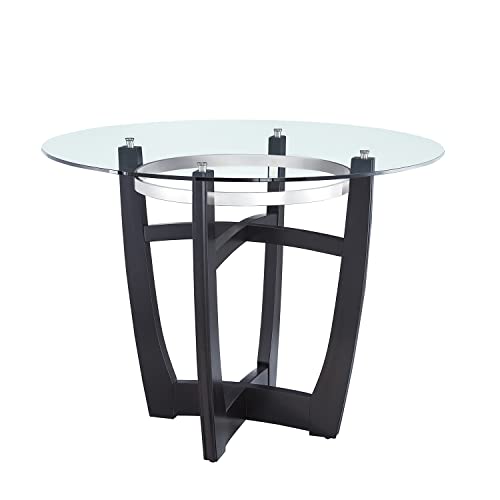
BAXMUY 42" Round Bar Height Glass Dining Table, Solid Wood Base, 42" Height | 1/2" Thick Tempered Glass Top, Modern High Top Table, Bar Table for Kitchens, Dining Room & Apartment
Check price on Amazon
velohomy 42" Round Glass Table Top, 3/8" Thick Clear Tempered Replacement Glass, Pencil Polished Edge for Coffee, Dining, Patio Tables & Furniture Protection
Check price on AmazonFrequently Asked Questions
How many people can sit at a 42-inch round glass dining table?
Four adults can sit comfortably, one at each quadrant. Five is possible with a compact or folding chair, but the setting becomes snug. For regular seating for five or more, choose a larger diameter or an extendable table.
Is a 42-inch round table big enough for a family of four?
Yes. A 42-inch diameter provides about 24 inches of edge space per person for four diners, which is the standard comfortable allocation. It works well for everyday meals, though you may want a larger table if you frequently serve family-style platters.
What is the difference between tempered and standard glass?
Tempered glass is heat-treated to increase strength and safety. If it breaks, it shatters into small, blunt granules rather than sharp shards. Standard glass is not suitable for dining tables. Always confirm tempered glass in the product specification.
How thick should the glass be on a 42-inch round table?
10mm tempered glass is the balanced mid-range choice for most households. 8mm is acceptable for light use, while 12mm is preferred for frequent entertaining and a more substantial feel. Thicker glass also reduces flex across the span.
Does a glass dining table scratch easily?
Glass is more scratch-resistant than wood or laminate, but it is not scratch-proof. Avoid sliding ceramic or metal dishes across the surface and use placemats for daily meals. Minor surface marks can usually be polished out with a glass polish.
Can I use a glass table outdoors?
Only if the manufacturer specifies it for outdoor use. Indoor glass tables are not designed for UV exposure, temperature swings, or moisture. If you want an outdoor round table, look for a dedicated white outdoor round dining table or a patio set dining table rated for the elements.
How do I keep fingerprints off a glass tabletop?
Use a microfiber cloth and a mild glass cleaner, and wipe in overlapping circles. A glass polish or a small amount of distilled water with a drop of dish soap helps reduce streaks. Keeping a lint-free cloth nearby makes quick touch-ups easy.
Is a pedestal base more stable than four legs?
Stability depends on the base footprint, not just the number of legs. A wide pedestal disc or a pedestal with a spreader foot is very stable and offers better legroom. A four-leg frame is also stable when the legs are splayed properly. Check the base width relative to the 42-inch top before buying.