
Kitchen Design Dining Table: The Complete Guide
Discover how to integrate a dining table into your kitchen design. From layout planning and size selection to material choices and styling, everything you need to create a functional and beautiful kitchen dining space.
Start Planning Your Kitchen Dining SpaceWhy Kitchen Dining Design Matters: The kitchen has become the true heart of the modern home, and the dining table sits at its center. A well-planned kitchen dining table transforms a purely functional cooking zone into a social hub for family meals, casual breakfasts, homework sessions, and entertaining. This guide walks you through every decision — from measuring your footprint and choosing the right table shape to selecting durable materials and creating a cohesive design that ties your kitchen and dining area together.
Why Integrate a Dining Table Into Your Kitchen Design
Kitchen dining integration is one of the most requested layout features in modern home design. Rather than treating the kitchen as a separate workroom, today's homeowners want a single, connected space where cooking, eating, and socializing flow naturally. A dining table placed within or adjacent to the kitchen serves several practical and design purposes:
- Multi-functional surface: A kitchen dining table doubles as a prep station, landing zone for groceries, homework desk, and casual gathering spot.
- Improved family connection: Hosts can cook while guests or family members sit and converse, making the kitchen a more sociable place.
- Space efficiency: In smaller homes, an integrated kitchen table eliminates the need for a separate dining room, freeing up valuable square footage.
- Design cohesion: When the table and kitchen cabinetry share materials or finishes, the entire space reads as one deliberate, polished room.
- Better traffic flow: A thoughtfully positioned table creates a natural circulation path between the cooking zone and the rest of the home.
The key is to treat the dining table not as an afterthought but as an integral part of the kitchen design — planned alongside cabinetry, lighting, and flooring from the very beginning.
Kitchen Dining Layout & Space Planning
Before selecting a table, map out your kitchen's footprint. The layout determines which table shapes and sizes will work without crowding the room or blocking essential work zones.
The 36-Inch Clearance Rule
A widely used planning guideline is to leave at least 36 inches (about 91 cm) of clearance between the edge of the dining table and any wall, counter, or obstacle. This allows chairs to be pulled out comfortably and gives people room to walk behind seated diners. For primary walkways that serve as the main route through the kitchen, aim for 42 to 48 inches where possible.
Common Kitchen Dining Layouts
Two-Seater Kitchen Nook
Ideal for small kitchens, apartments, and breakfast corners. A round or square two-seater table tucked against a wall or in a bay window makes efficient use of limited space. Consider a drop-leaf or folding design that can be expanded when guests arrive.
Four-Seater Island Extension
A four-seater table placed at the end of a kitchen island or peninsula creates a natural dining extension. This layout keeps the cook connected to the table while preserving counter space for meal prep.
Six to Eight-Seater Dining Zone
In open-plan kitchens, a larger rectangular or oval table defines the dining zone. Use a rug, pendant lighting, or a change in flooring to visually separate the dining area from the cooking zone without walls.
Parallel Dining Table
In galley kitchens, a narrow rectangular table can run parallel to the counter run, creating an efficient eat-in kitchen. Keep the table slim — around 30 to 36 inches wide — to preserve the central walkway.
Measuring Your Space
Measure the available floor area and subtract the clearance zones before choosing a table. For example, if your kitchen dining area is 10 feet by 10 feet (120 by 120 inches), and you need 36 inches of clearance on all sides, the maximum table footprint is roughly 48 by 48 inches — enough for a four-seater round or square table. For detailed sizing guidance, see our dining table space planning guide.
Choosing the Right Table Shape for Your Kitchen
The shape of your kitchen dining table affects traffic flow, seating capacity, and the overall visual balance of the room. Here is how the main shapes perform in a kitchen setting:
| Table Shape | Best For | Seating Capacity | Considerations |
|---|---|---|---|
| Round | Compact kitchens, breakfast nooks, sociable gatherings | 2 to 6 | No sharp corners, easy circulation, encourages conversation; less efficient against walls |
| Square | Corner nooks, small family kitchens | 4 | Space-efficient in corners, symmetrical look; limited expansion |
| Rectangular | Galley kitchens, island extensions, open-plan layouts | 4 to 8+ | Efficient use of wall space, accommodates more diners; corners can impede flow |
| Oval | Open-plan kitchens, transitional spaces | 4 to 6 | Soft edges improve flow, elegant look; requires more floor space than rectangular |
| Drop-Leaf / Folding | Very small kitchens, multi-use spaces | 2 to 4 | Converts from compact to dining mode; mechanism quality varies by tier |
For a deeper look at shape-specific guidance, explore our round dining table guide and extendable dining table guide. If you are working with a very tight footprint, our small round dining table resource covers space-saving options in detail.
Best Materials for a Kitchen Dining Table
Kitchen dining tables face more daily wear than formal dining room tables — spills, heat, crumbs, and frequent cleaning. Material choice should balance durability, maintenance, and aesthetic fit with your kitchen design.
Solid Wood
Oak, maple, and walnut offer durable construction and a warm, natural look. Wood can be refinished over time, making it a long-term investment. Sealed finishes resist everyday spills. Best for family kitchens with a traditional or farmhouse aesthetic.
Quartz & Stone
Quartz and granite surfaces resist stains, scratches, and heat. They wipe clean easily and suit modern kitchen designs. Marble adds luxury but requires periodic sealing. Best for busy kitchens where easy cleaning is a priority.
Glass
Tempered glass tops create a visually light look that suits compact kitchens. Glass and steel combinations offer a contemporary feel. Requires frequent cleaning to avoid smudges. Best for modern, minimalist kitchen designs.
Laminate
High-pressure laminate delivers a practical, easy-clean surface at the entry-level tier. Modern laminates mimic wood and stone convincingly. Best for rental kitchens, starter homes, and high-traffic family use.
Metal
Steel and aluminum bases paired with wood or glass tops offer heavy-duty support and an industrial look. Rust-proof finishes extend lifespan. Best for modern, industrial, and loft-style kitchens.
Acrylic & Resin
Acrylic and resin tables are lightweight and easy to move, making them suitable for flexible kitchen layouts. They suit contemporary spaces and compact dining zones. Best for temporary or multi-use setups.
For a comprehensive comparison, visit our materials and finishes hub. If you are leaning toward wood, our solid oak dining table guide explains why oak remains a top-tier choice for kitchen dining.
Size and Seating Guide for Kitchen Dining Tables
Choosing the right size prevents overcrowding and ensures comfortable seating. Use this guide as a starting point, then adjust based on your clearance measurements.
| Seating | Recommended Table Size | Typical Shape | Best Kitchen Type |
|---|---|---|---|
| 2 people | 30–36 inch round or square | Round / Square / Drop-leaf | Apartment, breakfast nook |
| 4 people | 36–48 inch round or 48x30 inch rectangular | Round / Square / Rectangular | Small to mid-size kitchen |
| 6 people | 54–60 inch round or 60x36 inch rectangular | Rectangular / Oval / Round | Family kitchen, open-plan |
| 8 people | 72x36 inch rectangular or 60 inch round | Rectangular / Oval | Large open-plan kitchen |
| 10+ people | 84+ inch rectangular or extendable design | Rectangular / Extendable | Entertaining-focused kitchen |
Always leave 24 inches of table width per seated person for comfortable elbow room. For a complete measurement reference, see our dining table size chart. If you need a table that adapts to changing household sizes, an extendable dining table is a practical solution.
Kitchen Dining Table Design & Styling Ideas
The dining table should feel like a natural extension of your kitchen design. Here are styling strategies to create cohesion:
Match or Contrast Materials
For a seamless look, choose a dining table in the same wood tone as your kitchen cabinetry. For a more dynamic design, introduce a contrasting material — such as a marble-top table against painted wood cabinets, or a warm walnut table in an all-white kitchen. A two-tone approach can also work well: a wood top with a painted base that echoes cabinet color.
Lighting the Kitchen Dining Zone
Pendant lighting above the dining table visually anchors the dining zone within an open-plan kitchen. Hang pendants 30 to 36 inches above the tabletop for optimal illumination without glare. For a complete breakdown, read our dining table lighting placement guide.
Define the Zone with a Rug
A dining rug helps separate the dining area from the cooking zone and adds warmth underfoot. Choose a rug that extends at least 24 inches beyond the table edge on all sides so chairs remain on the rug when pulled out. Our dining table rug placement guide covers sizing and material choices.
Keep Surfaces Practical
In a kitchen setting, avoid permanent centerpieces that crowd the surface. Instead, use a simple runner, a small vase of flowers, or a tray that can be moved aside when the table is used for meal prep or homework. Our dining table runner guide and centerpiece guide offer ideas that balance style and function.
Kitchen Dining Table Tiers Compared
Kitchen dining tables are available across a wide spectrum of build quality and design sophistication. Understanding the tiers helps you match a table to your expected usage and design goals. The following classification uses universal quality descriptors rather than specific figures.
Essential Tier
Built for basic functionality and budget-conscious buyers. These tables typically use engineered wood, laminate surfaces, or lightweight metal frames. Suitable for starter kitchens, rentals, and light daily use. Mechanisms on folding or extendable models are simpler than higher tiers.
Balanced Tier
Offers solid construction with better materials — often solid wood legs, veneered tops, or durable laminate finishes. These tables balance durability and design versatility, making them a solid choice for most family kitchens. Expect smoother folding and extension mechanisms than entry-level models.
High-End Tier
Features premium materials such as solid hardwood, genuine stone tops, and reinforced joinery. Designed for long-term daily use with refined finishes and tighter tolerances. A worthwhile investment for homeowners who want a kitchen table that lasts for years and serves as a design focal point.
Flagship Tier
Represents the top-tier of kitchen dining furniture. Expect hand-finished solid wood, book-matched stone, custom metal bases, and designer collaborations. These tables are statement pieces built for entertaining-focused kitchens and open-plan homes where the dining table is central to the design.
Professional-Grade
Heavy-duty construction intended for high-traffic use — cafes, rental properties, or large busy households. Features reinforced frames, commercial-grade surface coatings, and robust folding mechanisms. Prioritizes durability above all else.
Specialty Tier
Includes drop-leaf, folding, nesting, and convertible designs engineered for compact kitchens. Quality varies widely — the best models in this tier use solid hardware and smooth-release mechanisms that hold up to frequent daily conversion.
Tier selection should reflect how intensively the table will be used. A busy family kitchen benefits from the balanced tier or higher, while a secondary breakfast nook may only need the essential tier. For more buying guidance, explore our first dining table checklist and dining table buying mistakes.
Recommended Kitchen Design Dining Tables
⚠️ AFFILIATE DISCLOSURE: This website contains affiliate links. As an affiliate Associate, we earn from qualifying purchases. If you make a purchase through these links, we may receive a small commission at no additional cost to you. Read our full affiliate policy.
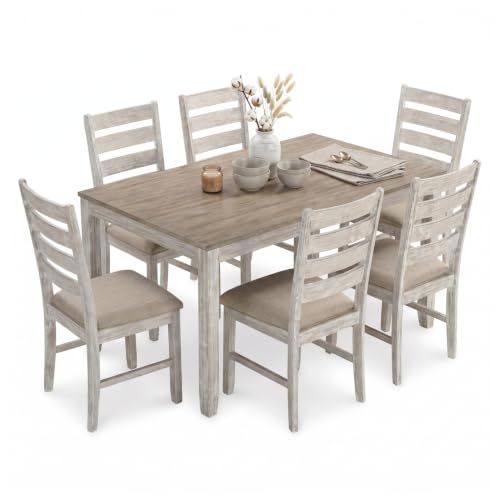
Signature Design by Ashley Skempton 7-Piece Dining Table Set for 6 | Solid Wood, Engineered Wood & Acacia Veneer Construction, 60-In Table, Cushioned Polyester Seating, Two-Tone Finish
Check price on Amazon
Signature Design by Ashley Caitbrook Dining Table Set for 6, Gray Wash | Acacia Veneer & Engineered Wood, X-Back Cushioned Chairs, 36x60 Inch Footprint, Nailhead Trim Accents
Check price on Amazon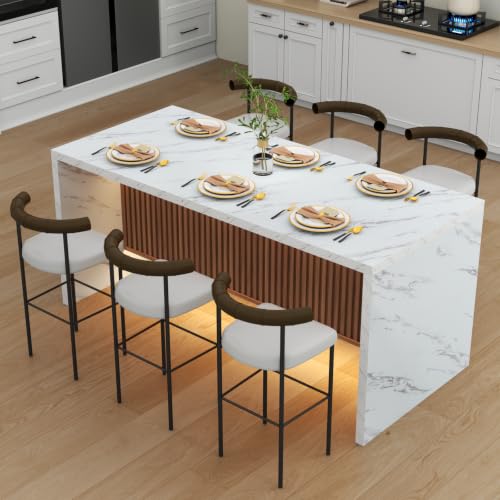
71" Large Imitation Marble Dining Table for 6-8 People, with LED Lights | Mordern Island Table, Marble Stripes Kitchen Dining Table with Grille design for Dining Room, Home,Office,Living Room (White)
Check price on Amazon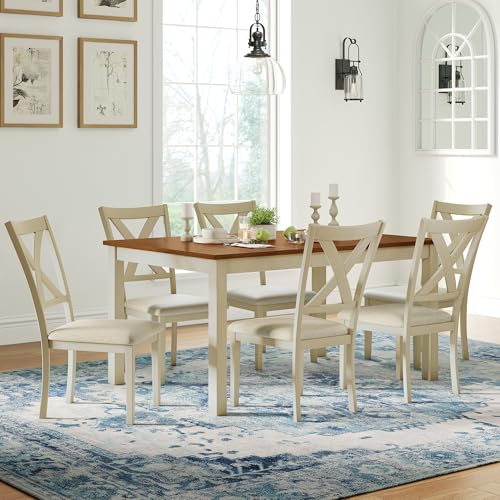
AMERLIFE 7-Piece Farmhouse Solid Wood Dining Table Set for 6, Rustic Cream | 60" Solid Wood Table, 6 Upholstered Chairs, Space-Saving Design, Rustic Dining Set, Dining Room and Kitchen
Check price on Amazon
Signature Design by Ashley 6-Piece Dining Table Set with Bench, Dark Brown | Veneers, Wood and Engineered Wood, Wipe-Clean Faux Leather Seats, Space-Saving Tuck-Away Bench, Bennox Series
Check price on Amazon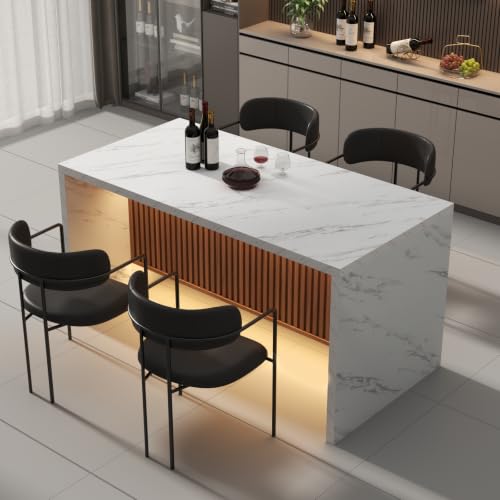
63" Large Imitation Marble Dining Table for 4-6 People, with LED Lights | Modern Kitchen Island Table, Marble Stripes Kitchen Dining Table with Grille design for Dining Room,Living Room (White)
Check price on Amazon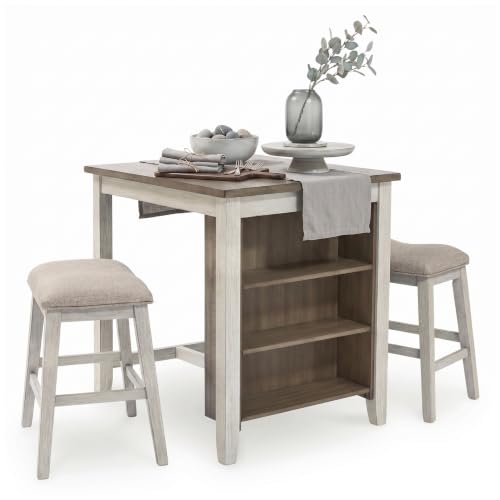
Signature Design by Ashley Skempton 3-Piece Counter Height Dining Table Set | Wood, Acacia Veneer and Engineered Wood, 3 Built-In Open Shelves, 2 Upholstered Stools, Space-Saving Design, Dining Room
Check price on Amazon
Tribesigns 63" Dining Table for 4 to 6, White and Gold Kitchen Table | Modern Large Rectangular Dinner Table Kitchen & Dining Room Furniture with Faux Marble Tabletop and Geometric Legs
Check price on AmazonSmall Kitchen Dining Table Solutions
Not every kitchen has room for a full-size dining table. The following space-saving strategies allow you to enjoy a proper dining table even in a compact footprint:
- Drop-leaf tables: Fold down one or both sides when not in use. Ideal for galley kitchens and apartment layouts. Browse our drop-leaf dining table guide for sizing tips.
- Round two-seaters: A 30 to 36 inch round table fits in tight corners and encourages conversation. See our small round dining table recommendations.
- Wall-mounted or bench seating: A wall bench combined with a slim table maximizes floor space. Our dining bench seating guide explains how to plan bench depth and clearance.
- Counter-height tables: Bar-height and counter-height tables align with kitchen counters for a cohesive look and can double as prep space. Explore our counter-height dining table guide.
- Multi-functional designs: Some tables convert from coffee table to dining table or include storage. See our convertible coffee table dining options.
For a narrow galley layout, a slim rectangular table such as a 3 x 4 dining table can work well. And if your kitchen opens directly onto a patio, a small round table with outdoor-rated materials extends your dining footprint without taking interior floor space.
Maintaining Your Kitchen Dining Table
Kitchen dining tables endure spills, heat, crumbs, and frequent cleaning. A simple maintenance routine preserves both appearance and durability:
- Wipe immediately: Clean spills promptly with a soft, damp cloth. Avoid abrasive cleaners on wood and stone.
- Use heat protection: Place trivets under hot dishes. Even heat-resistant surfaces can develop marks over time from direct contact with hot cookware.
- Seal stone surfaces: Quartz is non-porous, but marble and granite benefit from periodic resealing. See our marble dining table sealing guide.
- Protect wood finishes: Apply a quality wood polish or wax every few months to maintain the finish and prevent drying. Our wood dining table wax and polish guide covers the process step by step.
- Address scratches early: Minor scratches are easier to fix than deep gouges. Our dining table scratch touch-up guide explains simple repair methods.
For a complete seasonal maintenance routine, visit our care and maintenance hub.
Frequently Asked Questions
What size dining table fits in a kitchen?
The right size depends on your kitchen footprint. A general rule is to leave at least 36 inches of clearance around the table for comfortable chair pull-out and walkway flow. In compact kitchens, a two- or four-seater round or drop-leaf table maximizes usable space, while open-plan kitchens can accommodate six- to eight-seater rectangular designs. Measure your floor area and subtract clearance zones before choosing.
What is the best material for a kitchen dining table?
Solid wood, quartz, and laminate are popular choices. Solid oak and maple offer durable construction and warmth, quartz delivers stain resistance and easy cleaning, and high-pressure laminate provides a practical surface for busy family kitchens. Glass tops suit modern kitchens but require more frequent cleaning. The best material is the one that balances your maintenance preferences with your kitchen design style.
Can a dining table be part of kitchen design?
Absolutely. An integrated kitchen dining table can serve as a prep surface, casual eating area, homework station, and gathering hub. Designers often align the table with kitchen cabinetry, match finishes, or use a contrasting material to define the zone while keeping the layout cohesive. Treating the table as a design element — not an afterthought — creates a unified, functional kitchen.
How do I create a kitchen dining zone in an open-plan space?
Define the dining zone with a rug, pendant lighting, a change in flooring, or a furniture arrangement that creates a visual boundary. Keep walkway clearance of at least 36 to 42 inches between the dining table and kitchen counters to preserve traffic flow. A backless bench on one side can save space while maintaining the dining zone's visual definition.
Should I choose a counter-height or standard-height table for my kitchen?
Counter-height tables (around 36 inches) align visually with kitchen counters and can double as prep space, making them a cohesive choice for kitchens where the dining table sits adjacent to the counter. Standard-height tables (around 30 inches) are more comfortable for longer seated meals and for children. Consider how you will use the table most often — as a casual perch or a primary dining surface.
Ready to Choose Your Kitchen Dining Table?
Explore our recommended kitchen design dining tables above, or dive deeper into our guides on table shapes, materials, and space planning to make a confident decision for your home.
View Recommended Tables