
Resin Dining Table Outdoor: The Complete Weatherproof Buying Guide
Everything you need to know before choosing a resin dining table for your patio, deck, or garden — from material grades and frame construction to care routines and design matching.
Explore Recommended TablesWhy resin deserves a closer look: A resin dining table outdoor setup combines the visual warmth of wood with the weather resilience of modern polymers. Unlike timber that swells, splits, or rots after repeated rain exposure, high-density resin keeps its shape and color through seasonal cycles. This guide walks you through the material science, the construction details that separate quality tiers, and the practical checks that help you avoid common buying mistakes.
What Exactly Is a Resin Dining Table?
Resin outdoor dining tables are built from synthetic polymers — most commonly high-density polyethylene (HDPE) or a polypropylene blend — molded into planks, slats, or solid panels that mimic the look of painted timber. The material is engineered to be non-porous, which means water beads on the surface instead of soaking in. That single property is what makes resin a genuinely practical choice for uncovered patios and poolside decks.
Unlike traditional wooden outdoor furniture, resin does not need annual oiling, staining, or sealing. It also will not harbor mold the way untreated wood can. If you have previously considered a white solid wood dining table for a covered porch, resin offers a comparable clean aesthetic with far less seasonal upkeep. Many buyers pair a resin top with a metal or resin frame to get a table that can stay outside year-round without a cover.
Key Benefits of Resin for Outdoor Dining
Moisture & Rot Resistance
Non-porous resin cannot absorb water, so it will not rot, swell, or develop the soft spots that plague untreated timber after a wet season.
UV-Stabilized Color
Mid-range and premium resin grades include UV inhibitors that slow fading. Entry-level pieces fade faster, so check the specification before committing.
Low Maintenance
A wipe with mild soapy water is usually enough. No sanding, no re-oiling, no refinishing — a strong argument for busy households.
Lightweight Yet Sturdy
Resin tops are lighter than solid stone or dense hardwood, making seasonal repositioning easier without sacrificing structural stability.
Insect & Pest Proof
Termites and wood-boring insects have nothing to feed on. This is a meaningful advantage in humid climates where timber furniture needs constant vigilance.
Splinter-Free Surface
Safe for bare arms and children's hands. The molded surface stays smooth even after years of exposure, unlike weathered wood that can raise splinters.
Construction Quality: How Tiers Differ
Not all resin tables are built the same. The difference between an entry-level piece and a high-end tier model usually comes down to three things: resin density, frame material, and joint engineering. Understanding these differences helps you match the table to how much exposure it will face.
| Tier | Resin Quality | Frame | Best For |
|---|---|---|---|
| Entry-level | Standard HDPE, thinner slats, limited UV stabilization | Powder-coated steel or aluminum | Covered patios, seasonal use, light traffic |
| Mid-range | Denser HDPE with UV inhibitors, thicker profiles | Reinforced aluminum or stainless hardware | Year-round outdoor use in moderate climates |
| Premium | High-density resin, color-through molding, textured finishes | Heavy-duty aluminum or marine-grade fasteners | Uncovered decks, coastal areas, high-traffic homes |
| Luxury / commercial-grade | Architectural-grade resin with deep grain replication | Welded aluminum or stainless steel base | Hospitality use, exposed rooftop terraces, long-term investment |
If your table will sit under a pergola or covered porch, an entry-level or mid-range piece is usually sufficient. For fully exposed patios, coastal salt air, or heavy daily use, step up to premium or commercial-grade construction — the reinforced frame and denser resin pay off over the table's lifespan.
Choosing the Right Shape and Size
Outdoor spaces tend to be tighter than indoor dining rooms, so shape matters as much as material. A round table works well on small balconies because it eliminates corner collisions and lets everyone reach the center. If you are considering a round option, our guide to 24-inch round dining tables explains how small diameters fit compact patios, while a round dining table with six chairs suits larger family gatherings.
Rectangular and oval resin tables are better for narrow decks — they follow the line of the railing and leave clear walkways. If you want the flexibility of extending for guests, look for models with drop-leaf or add-on sections. The principles in our small oval dining table with leaf guide apply to outdoor resin versions as well: measure the extension footprint before you commit, since patio space is often unforgiving.
Ready to compare resin dining tables built for real outdoor conditions?
View Recommended Outdoor Resin TablesFrame, Legs, and Stability on Uneven Ground
The resin top is only half the story. Outdoor surfaces — decking, pavers, gravel, or grass — are rarely perfectly level, so the base design determines whether your table wobbles every time someone leans on it. Four-legged designs distribute weight evenly and are easier to shim than pedestal bases, and the same logic covered in our four-legged dining table guide applies outdoors.
For larger round tables, a pedestal base with a wide weighted foot can be more stable on windy patios because it lowers the center of gravity. Our 40-inch pedestal dining table guide breaks down how pedestal geometry affects tipping resistance — a useful reference if your resin table will sit on an exposed deck.
Check that all fasteners are stainless steel or marine-grade. Standard zinc-coated bolts corrode quickly in coastal air, and once the hardware fails the table becomes unstable regardless of how good the resin is.
Pairing Your Resin Table With the Right Chairs
Resin tables pair naturally with resin, aluminum, or all-weather wicker chairs, but material mixing can also look intentional and elevated. Rattan-style chairs bring texture and warmth to a plain resin surface, and our guide on rattan chairs for dining tables covers how to balance the visual weight of a solid resin top with a lighter woven seat.
If you prefer a coordinated set, look for tables sold with matching chairs — the manufacturer has already tuned seat height and clearance to the table's apron depth. For a farmhouse-leaning patio, a resin table styled with rustic accents can echo the look of a dark farmhouse dining table without the maintenance burden of painted timber outdoors.
Care and Maintenance Routine
- Weekly: Wipe the surface with a soft cloth and mild soapy water. Rinse and dry to prevent water spots on darker finishes.
- Monthly: Clean slatted surfaces with a soft brush to remove debris trapped in grooves, which can trap moisture and encourage mildew.
- Seasonally: Check frame fasteners for looseness and tighten as needed. Inspect feet for wear if the table sits on rough paving.
- Peak summer: Use a fitted cover during long stretches of intense sun if the table is fully exposed — this extends color life even on UV-stabilized resin.
- Winter: In freezing climates, store the table indoors or cover it securely. Resin handles cold well, but trapped ice in slats can stress joints.
Avoid abrasive pads, bleach, and solvent-based cleaners — these can dull the surface finish and accelerate fading. For stubborn stains, a paste of baking soda and water applied gently usually lifts marks without harming the resin.
Buying Checklist Before You Order
- Measure your patio footprint and confirm walkway clearance of at least 36 inches around the table.
- Verify the resin grade — ask whether it is UV-stabilized and color-through molded.
- Confirm the frame material and hardware grade (stainless or marine-grade preferred).
- Check the assembly method — tool-free click systems are convenient, but bolted frames tend to be sturdier.
- Look for a warranty that covers fading and structural integrity, not just manufacturing defects.
- Confirm the table height matches your existing or planned chairs (standard dining height versus counter height).
Common Mistakes to Avoid
The most frequent error is buying an entry-level resin table for a fully exposed location and then being disappointed when it fades within a couple of seasons. Entry-level resin is genuinely useful — just match it to a covered space. The second mistake is overlooking the frame: a premium resin top bolted to a thin, poorly coated steel frame will fail at the joints long before the resin itself wears out.
Finally, do not ignore wind exposure. Lightweight tables on open rooftops or elevated decks can shift in strong gusts. Choose a model with a weighted base or plan to add sandbags to the feet during storm season.
Recommended Resin Dining Tables for Outdoor Use
⚠️ AFFILIATE DISCLOSURE: This website contains affiliate links. As an affiliate Associate, we earn from qualifying purchases. If you make a purchase through these links, we may receive a small commission at no additional cost to you. Read our full affiliate policy.

Compamia Viva 31" Resin Square Patio Dining Table in White, Commercial Grade
Check price on Amazon
Compamia Truva Transitional Plastic 42" Round Resin Patio Dining Table in White
Check price on Amazon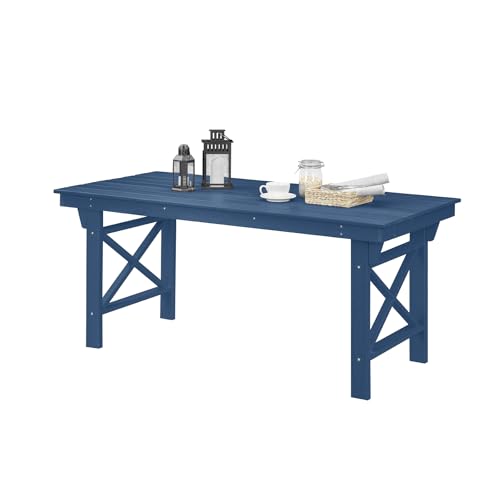
SEEHILL HDPE Outdoor Dining Table, 66.9” Rectangle Patio Dining Table for 6, All-Weather HDPE Outdoor Table with 2.2” Umbrella Hole, HDPE Patio Furniture for Deck, Backyard, Garden, Pool, Navy
Check price on Amazon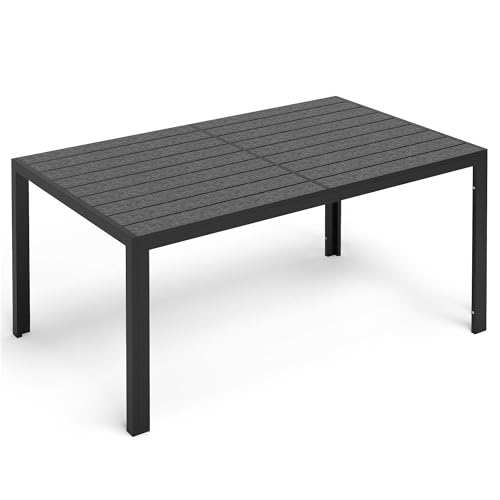
PIZZELLO Patio Dining Table for 6, 59" Rectangular Outdoor Patio Tables | Wood-Like HIPS Slat Top, All Weather Metal Outdoor Dining Table for Lawn Backyard Garden, Black
Check price on Amazon
SERWALL 7 Pcs Outdoor Dining Set, 67" HDPE Dining Set for 6, Blue | Outdoor Dining Furniture with Rectangular Table & 6 Chairs, All-Weather Resistant Dining Set
Check price on Amazon
SERWALL 7 Pcs Outdoor Dining Set, 67" HDPE Dining Set for 6, Black | Outdoor Dining Furniture with Rectangular Table & 6 Chairs, All-Weather Resistant Dining Set
Check price on Amazon
PIZZELLO Patio Dining Table for 8, 83" Rectangular Outdoor Patio Tables | Wood-Like HIPS Slat Top, All Weather Metal Outdoor Dining Table w/Umbrella Hole for Lawn Backyard Garden, Black
Check price on Amazon
SAFAVIEH Outdoor Stella Resin Patio Bistro Table, 23.6" White PAT4704C | Patio Bistro Table, 23.6", Resin, Weather Resistant, No Assembly Required, Patio Outdoor
Check price on AmazonFrequently Asked Questions
Is a resin dining table suitable for outdoor use?
Yes. High-density resin is engineered to resist moisture, UV exposure, and temperature swings, making it one of the most reliable outdoor dining table materials. Quality resin tables will not rot, warp, or crack under normal patio conditions.
How long does an outdoor resin dining table last?
A well-made resin dining table outdoor model typically lasts many years with routine cleaning. Mid-range and premium tiers with UV-stabilized resin and reinforced frames resist fading and structural fatigue far longer than entry-level pieces.
Does resin furniture fade in the sun?
Entry-level resin may fade over time. UV-stabilized resin used in mid-range and high-end outdoor tables holds color much better. Placing the table under a patio cover or using a fitted cover during peak summer months further protects the surface.
How do I clean a resin dining table outdoor surface?
Wipe with a soft cloth and mild soapy water, then rinse and dry. Avoid abrasive pads and harsh solvents. For textured or slatted surfaces, a soft brush helps remove debris from grooves without scratching the resin.
Can a resin table stay outside all winter?
In mild climates, yes. In freezing or snowy regions, cover the table securely or store it indoors to prevent ice from stressing joints. Resin itself tolerates cold, but trapped moisture in slats and hardware can cause long-term issues.
Final Thoughts
A resin dining table outdoor setup is one of the most practical ways to enjoy alfresco meals without committing to a seasonal maintenance routine. Match the resin grade to your exposure level, verify the frame and hardware quality, and measure your space carefully before ordering. With those three steps done, a resin table can serve as a dependable centerpiece for your patio for many years — and free you to focus on the meals rather than the upkeep.