
Indoor Dining Table with Bench Seats: The Complete Buying Guide
Bench seating turns an everyday dining table into a warm, sociable gathering spot. This guide explains how to size, choose, and arrange an indoor dining table with bench seats so it fits your room, your family, and your daily routine.
Explore Bench Seating OptionsWhy bench seating works indoors: A dining bench tucks neatly under the table, seats more people per linear foot than individual chairs, and creates a relaxed, family-style look. The trade-off is that benches are less adjustable than chairs, so getting the height, depth, and clearance right from the start matters far more than it does with a standard dining set.
Recommended Indoor Dining Tables with Bench Seats
⚠️ AFFILIATE DISCLOSURE: This website contains affiliate links. As an affiliate Associate, we earn from qualifying purchases. If you make a purchase through these links, we may receive a small commission at no additional cost to you. Read our full affiliate policy.

VASAGLE Dining Bench Set of 2, 42.5'' Kitchen Bench | Industrial Style, Steel Metal Frame, for Kitchen, Dining Room, Living Room, Entryway, Rustic Brown and Black, UKTB33X
Check price on Amazon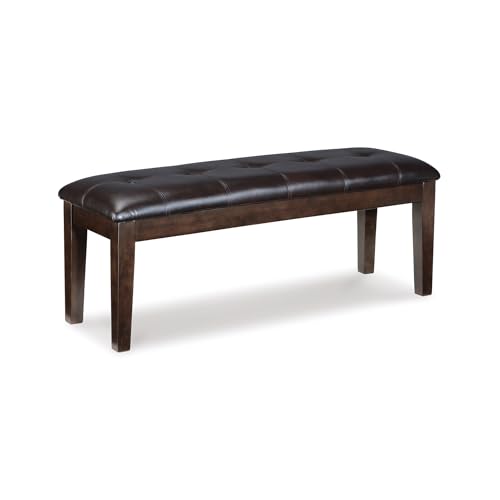
Signature Design by Ashley Haddigan 1-Piece Dining Bench, Faux Leather | Upholstered Button Tufted Seat, Wood and Engineered Wood Frame, 18.75 in Seat Height, 2-Person Capacity, Dark Brown Finish
Check price on Amazon
Signature Design by Ashley Ralene Tufted Upholstered Dining Room Bench, Medium Brown
Check price on Amazon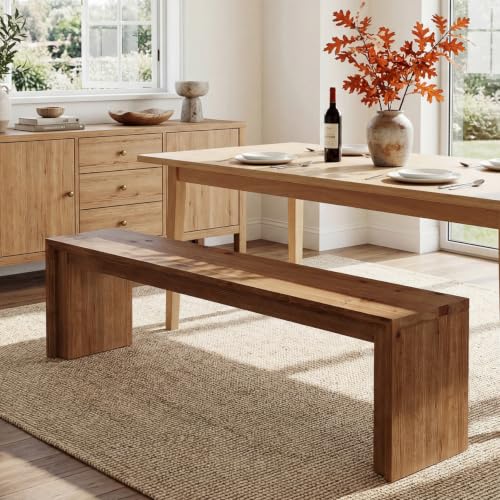
TRIBEWOOD 63-Inch Solid Wood Dining Bench, Farmhouse Long Bench for Dining Table, Wooden Entryway Bench for 2-3 People, Indoor Seating for Entryway, Hallway, Bedroom, Dining Room, Brown
Check price on Amazon
Signature Design by Ashley Upholstered Wood Dining Bench, 63-Inch, Oatmeal | Hardwood Solids and MDF Substrates, Comfortable Modern Farmhouse Seating, Versatile 63-Inch Profile, Cabalynn Series
Check price on Amazon
HLOPEWSTUK 6 Ft Folding Bench Rectangular Wooden Foldable Bench L71"x W11" | Portable Bench Seating with Handle Indoor Outdoor Benches for Party, Dining, Picnic, Camping, Sports, Temporary Events, Brown
Check price on Amazon
Signature Design by Ashley 1-Piece Wood Dining Bench, 48" 2-Tone Farmhouse | Sturdy Solid Wood Frame with Mango Veneer and MDF Substrate Seat, Space-Saving 48-Inch Profile, Wildenauer Series
Check price on Amazon
HOOBRO Dining Bench, 47.2 Inch Dining Table Bench, Industrial Style Kitchen Bench, Steel Frame, Easy to Assemble, for Kitchen, Dining Room, Rustic Brown and Black BF45CD01
Check price on AmazonWhy Choose an Indoor Dining Table with Bench Seats
Bench seating is one of the most practical ways to make a dining room feel both more spacious and more welcoming. Because a bench has no armrests and no individual footprint, it slides completely under the table when not in use, freeing up floor space in compact dining rooms and open-plan kitchens alike.
There is also a social benefit. Sitting shoulder to shoulder on a bench encourages conversation and makes large family meals feel informal and inclusive. For households that regularly host children, casual brunches, or holiday gatherings, bench seating often seats more people than a chair-only setup of the same footprint.
The main compromise is flexibility. A chair can be pulled out and repositioned individually; a bench cannot. That is why bench seating works best when paired with chairs on the opposite side, so the table offers both anchored and adjustable seats. If you are still comparing table shapes, our guide to a oval pedestal dining table explains how curved silhouettes pair especially well with a long bench.
Sizing and Seating Capacity
Getting the dimensions right is the single most important step. A bench that is too tall crowds the tabletop; a bench that is too short leaves guests reaching upward. Use the following reference points as a starting framework.
| Table Length | Bench Seats (per side) | Recommended Bench Length | Best For |
|---|---|---|---|
| 60 inches | 2 adults | 44 to 52 inches | Compact kitchens and starter tier setups |
| 72 inches | 3 adults | 56 to 64 inches | Mid-range family dining rooms |
| 84 inches | 3 to 4 adults | 68 to 76 inches | Premium entertaining spaces |
| 96 inches and above | 4 adults | 80 to 88 inches | High-end tier and large family tables |
Seat height is equally important. The bench seat surface should sit roughly 10 to 12 inches below the tabletop. For a standard 30-inch dining table, that means a bench seat height of 18 to 20 inches. Keep seat depth between 15 and 17 inches so guests can sit upright without their knees hitting the apron.
If you are working with a fixed round or rectangular table, confirm the apron depth before buying a bench. Deep aprons reduce legroom and can make a bench feel cramped even when the height is correct. Our guide to a 72-inch round dining room table covers how apron design affects seating comfort on larger tables.
Clearance and Room Layout
Bench seating changes how much space you need around the table. On the bench side, guests slide in from the end rather than pulling the seat backward, so a bench can sit closer to a wall than a chair can. Plan for at least 12 to 18 inches between the bench back and the wall to allow entry and exit.
On the chair side, keep the standard 30 to 36 inches of clearance behind the chairs so they can be pushed back comfortably. This asymmetry is one of the biggest advantages of bench seating: it lets you push the table closer to one wall without making the room feel blocked.
- Wall-side bench: choose a backless design so guests can slide along the seat.
- Island or open side: keep the full chair clearance so the table remains accessible from both directions.
- Walkways: maintain at least 36 inches for main traffic paths and 24 inches for secondary paths.
- Rug sizing: extend the rug at least 24 inches beyond the bench edge so the bench legs stay fully on the rug.
For rooms with limited width, a bench along the long wall and chairs on the open side is often the most efficient layout. If your room is narrow, the techniques in our guide to a grey-washed dining table show how lighter finishes help a tight dining area feel more open.
Materials and Finishes
The bench should match the table in both material and finish so the set reads as a single piece of furniture. Solid wood benches are the most durable choice for daily family use, while upholstered benches add comfort and a softer, more tailored look.
Solid Wood Benches
Oak, walnut, and acacia are the most common hardwood options. Oak offers a hard, wear-resistant surface with a warm natural grain; walnut provides a darker, more refined tone for premium interiors. Solid wood benches can be refinished over time, making them a long-term investment for households that expect heavy use.
Upholstered Benches
Fabric or leather upholstery adds comfort for long meals but requires more care. Look for performance fabrics with stain resistance if the bench will be used by children. Removable, washable covers are a practical choice for busy dining rooms.
Metal and Mixed-Material Benches
Steel or iron frames paired with wood seats offer a robust, industrial look and are often more resistant to wobble than all-wood benches. These are a strong option for high-traffic kitchens and open-plan spaces.
Finish choice affects maintenance. Matte and oiled finishes hide scratches well but need periodic re-oiling; lacquered and glossy finishes are easier to wipe clean but show wear more clearly. Our guide to a light brown wood dining table explains how wood tone and finish interact with different interior palettes.
Style Pairings for Bench Seating
Bench seating fits a wide range of interior styles, but the pairing should be deliberate. A bench that clashes with the table silhouette can make an otherwise well-chosen set feel mismatched.
- Farmhouse and rustic: pair a solid wood bench with a trestle table and a distressed or oiled finish.
- Modern and minimalist: choose a slim, backless bench with clean lines and a matte finish.
- Scandinavian: light oak or ash benches with tapered legs and a pale, natural finish.
- Industrial: a metal-framed bench with a reclaimed wood seat and a dark, matte finish.
- Transitional: an upholstered bench with a tufted top and a neutral fabric that ties the room together.
For a classic, sociable look, a bench pairs naturally with a round or oval table. Our guide to a vintage round dining table and chairs shows how to blend bench seating into a traditional dining set without losing cohesion.
Comfort and Cushioning
A bench is only as comfortable as its seat. For everyday meals, a solid wood bench with a slightly contoured seat is sufficient. For longer dinners and entertaining, add a bench cushion or choose an upholstered bench with a supportive foam core.
Seat depth and backrest angle matter more than cushion thickness. A backrest angled slightly backward (around 5 to 10 degrees) reduces strain on the lower back during long meals. If the bench is backless, pair it with a low wall cushion or a bolster against the wall for support.
Family and Safety Considerations
Bench seating is popular in family homes, but it introduces a few safety points worth planning for. Benches without a backrest offer less support for young children and older adults, so consider an upholstered or backrest bench if the household includes either group.
- Stability: choose a bench with a wide base or cross-bracing to prevent tipping when someone leans back.
- Edges: rounded or eased edges reduce the risk of bumps for children.
- Weight capacity: check the manufacturer's stated load rating, especially for benches that will seat multiple adults.
- Access: ensure the bench can be reached from the end, not only by climbing over the seat.
If the table will be used as a workspace or homework station, a bench with a backrest is generally more supportive than a backless design. Our guide to a solid oak dining table discusses how sturdy hardwood construction contributes to long-term stability for family use.
Setup and Maintenance
Once the table and bench are in place, a few setup steps will keep the set comfortable and looking its best.
- Level the bench: check for wobble on uneven floors and use felt pads or shims under the legs.
- Protect the floor: add felt glides to prevent scratches, especially on hardwood and tile.
- Anchor the bench: if the bench sits against a wall, consider wall-anchoring hardware for added stability.
- Maintain the finish: re-oil solid wood benches annually and wipe upholstered benches weekly with a soft, damp cloth.
- Check hardware: tighten bolts and screws every few months, particularly on benches with metal frames.
For extendable tables, confirm that the bench length still works when the table is fully extended. Our guide to a double extendable dining table explains how extension mechanisms affect seating layout on both sides.
Frequently Asked Questions
How much clearance do I need behind a dining bench?
Allow at least 30 to 36 inches of clearance behind a bench so people can push back and stand up comfortably. If the bench sits against a wall, plan for a backless bench so guests can slide in from the side.
Is a bench seat comfortable for long dinners?
A bench works well for everyday meals and casual gatherings. For long dinners, choose an upholstered bench or add a seat cushion, and keep the seat depth between 15 and 17 inches with a slight backrest angle if possible.
What is the right bench height for a standard dining table?
The bench seat top should sit roughly 10 to 12 inches below the tabletop. For a standard 30-inch table, a bench seat height of 18 to 20 inches keeps knees clear and forearms level.
Can I mix a bench with dining chairs?
Yes. A common setup pairs a bench on one long side with chairs on the opposite side and ends. Match the seat height across all seating so the tabletop feels balanced and everyone sits at the same level.
Does bench seating work outdoors as well as indoors?
The same principles apply, but outdoor benches need weather-resistant materials. If you are considering a dual-purpose setup, our guide to a acacia wood extendable outdoor dining table explains how acacia handles moisture and sun exposure.
Final Checklist Before You Buy
Before committing to an indoor dining table with bench seats, run through this quick checklist to confirm the set will work in your space.
- Measure the table length and confirm the bench length leaves 6 to 10 inches of overhang at each end.
- Check the bench seat height against the tabletop height (10 to 12 inches lower).
- Confirm clearance behind the bench and on the chair side.
- Match the bench material and finish to the table for a cohesive look.
- Decide between backless and backrest benches based on the household.
- Plan for cushions, floor protection, and hardware checks.
If you are still exploring table formats, our guides to a black rectangular dining table and a 72-inch round dining table with leaf cover how shape and extension options interact with bench seating in different room layouts.
View Bench Seating Options