
Felt Dining Table Pads: The Complete Protection Guide
Discover how a felt dining table pad shields your tabletop from scratches, heat, and daily wear. Learn about thickness tiers, sizing, materials, and care so you can choose the right protector for your dining table with confidence.
Why felt table pads matter: A dining table is one of the most-used surfaces in a home. Every plate, serving dish, and hot casserole leaves a small mark over time. A felt pad sits between your tabletop and the items placed on it, absorbing impact and friction so your finish stays intact. This guide explains what felt pads do, how to size them, and which tier fits your table and household.
What Is a Felt Dining Table Pad?
A felt dining table pad is a protective mat made from compressed or needled felt, often layered with a soft backing or moisture barrier. It rests directly on the tabletop and provides a cushioning surface for dishes, centerpieces, and serving ware. Unlike thin plastic films, felt has a naturally textured surface that grips gently and reduces sliding.
Felt pads are commonly used on wooden, glass, and stone dining tables. On wood, they prevent fine scratches and dulling of the finish. On glass, they reduce the risk of chips from hard contact. On marble and granite, they help isolate the surface from heat and abrasive items. Because felt is soft yet dense, it distributes weight evenly and protects both the table and the items placed on it.
Many buyers pair a felt pad with a tablecloth or runner, but the pad itself is the layer that does the protective work. If you are still deciding on the base table, our formal dining room table sets guide and black and dark wood dining table overview can help you match a pad to the finish you own.
Key Benefits of Felt Table Protection
Surface Protection
Felt acts as a buffer between hard dishware and your tabletop. It absorbs the small impacts of plates, bowls, and serving trays, reducing the chance of scratches, dents, and scuff marks. This is especially valuable on softer wood finishes that show wear quickly.
Cushioning for Dishware
Delicate glassware and ceramic dishes benefit from a softer landing surface. A felt pad reduces the risk of chipping and cracking when items are set down, and it can dampen the sound of tableware during meals.
Heat Isolation
While felt is not a substitute for a dedicated trivet, a thicker pad provides a modest thermal barrier against warm serving dishes. This helps protect finishes that are sensitive to heat, such as certain lacquered and oiled surfaces.
Reduced Sliding
The textured surface of felt grips gently, keeping place settings and centerpieces from sliding around. This is helpful on smooth glass and polished stone tabletops.
Easy Storage and Reuse
Most felt pads roll or fold for storage, making them convenient for occasional use. They can be rolled out again when needed, which suits households that alternate between everyday and formal dining setups.
Felt Pad Tiers: Entry-Level to Premium
Felt table pads vary widely in density, thickness, and construction. To compare options without referencing specific figures, we use a tier system based on relative market positioning. The tiers below describe what each level typically offers so you can match a pad to your table and usage.
| Tier | Typical Construction | Best For |
|---|---|---|
| Entry-level | Thin needled felt, simple edge finish | Light daily use, casual kitchen tables, temporary protection |
| Mid-range | Denser felt with a soft backing layer | Everyday family dining, mixed use with dishware and centerpieces |
| Premium | High-density felt with reinforced backing and stitched edges | Frequent entertaining, heat-sensitive finishes, larger tables |
| Luxury / high-end tier | Multi-layer felt with moisture barrier and custom sizing | Formal dining rooms, antique or restored tables, long-term use |
Entry-level pads are a solid choice for starter tables and households that only need basic protection. Mid-range pads are the balanced tier for most families, offering better cushioning and durability. Premium and luxury tiers add denser felt, stronger backing, and often custom-fit options, which matter for larger tables and formal settings.
If you own a large or expandable table, consider a premium tier that can be cut or ordered to size. Our 60-inch rectangle extendable dining table and extendable 10-person dining table guides explain how pad sizing changes when a table is opened.
How to Size a Felt Pad for Your Table
Fit is the single most important factor in pad performance. A pad that is too small leaves edges exposed, while an oversized pad bunches and slides. Follow these steps to get an accurate fit.
- Measure the full tabletop: Measure length and width at the widest points, including any overhang.
- Account for extendable leaves: If your table has leaves, measure both the closed and open configurations. Some pads are made in sections so they can be added when the table is extended.
- Decide on edge coverage: Many buyers prefer the pad to sit slightly inside the table edge so it stays hidden under a cloth. Others prefer full coverage for maximum protection.
- Check for rounded corners: Round and oval tables need a pad with matching curvature. Rectangular pads on a round table leave gaps and slide easily.
Round tables need a circular or oval pad sized to the top diameter. Our large white round dining table guide covers how round pads sit on wide tops, and the self-storing leaf dining table overview explains how leaf storage affects pad placement.
Felt Materials and Backing Options
Needled Felt
Needled felt is made by interlocking fibers with barbed needles. It is durable, breathable, and resistant to matting. It is the most common construction for entry-level and mid-range pads.
Wool Felt
Wool felt is denser and more resilient than synthetic blends. It cushions well, resists compression, and holds its shape over time. Wool felt is typically found in premium and luxury tiers.
Synthetic Blends
Polyester and recycled fiber blends are common in starter and mid-range pads. They are lightweight, easy to clean, and resist moisture better than pure wool in some cases.
Backing Layers
Some pads add a soft cotton or flannel backing for extra grip, while others use a moisture barrier to protect against spills. Reinforced stitched edges prevent fraying and extend the pad's service life.
Material choice should match your table surface. A wool felt pad is a strong choice for antique wood, while a synthetic blend works well for casual kitchen tables. Our kitchen dining table set guide covers how pads fit into everyday kitchen dining setups.
Matching Pads to Table Surfaces
Different tabletop materials react differently to felt pads. The table below summarizes compatibility and practical notes.
| Table Surface | Felt Pad Compatibility | Notes |
|---|---|---|
| Solid wood | Excellent | Protects finish from scratches and dulling; choose a breathable felt to avoid trapping moisture |
| Veneer | Very good | Prevents edge chipping and surface scuffs; avoid heavy point loads |
| Glass | Good | Reduces chips and sliding; ensure the pad has a non-slip backing |
| Marble and granite | Good | Isolates heat and abrasive items; check for moisture barrier on porous stone |
| Lacquered or glossy finishes | Very good | Soft felt prevents micro-scratches; avoid abrasive backings |
For tables with a decorative finish or antique restoration, a luxury tier pad with a lint-free backing is the safest choice. If your table is part of a matched set with a buffet, our dining table and buffet set guide explains how to coordinate protection across pieces. For French country style tables with painted or distressed finishes, the French country style dining table overview covers finish care that pairs well with felt protection.
Cleaning and Care Tips
Felt pads are low-maintenance, but proper care extends their life and keeps them effective.
- Spot clean promptly: Blot spills with a dry cloth, then wipe gently with a damp cloth and mild soap.
- Air dry flat: Never machine dry felt. Lay it flat in a well-ventilated area away from direct heat.
- Avoid soaking: Excess water can mat the fibers and weaken the backing.
- Roll, don't fold: Store pads rolled rather than folded to prevent creases that create gaps.
- Rotate periodically: Rotating the pad can even out wear and keep the cushioning consistent.
- Inspect backing: Replace the pad if the backing cracks or the felt mats down in high-use areas.
Regular care keeps the pad working as intended. If you notice the pad sliding or bunching, re-check the fit and consider a tier with a stronger non-slip backing. Our 30-inch dining table guide is useful for compact tables where pad fit is especially tight.
Quick decision guide: Choose an entry-level pad for light use and starter tables, a mid-range pad for everyday family dining, a premium pad for frequent entertaining and heat-sensitive finishes, and a luxury tier pad for formal or antique tables that need custom sizing and long-term protection.
Recommended Felt Dining Table Pads
⚠️ AFFILIATE DISCLOSURE: This website contains affiliate links. As an affiliate Associate, we earn from qualifying purchases. If you make a purchase through these links, we may receive a small commission at no additional cost to you. Read our full affiliate policy.

LAMINET Table Protector for Dining Room Table Quilted Table Pads 52x108 | Quilted, heavy-duty cover protects wood surfaces; this non-slip oblong table pad can be easily customized to fit.
Check price on Amazon
LotuFlor Table Protector Pad with Flannel Backing, Heavy-Duty Vinyl Table Padding Under Tablecloth, Waterproof, Heat Resistant, 90 x 54 inches, Rectangular
Check price on Amazon
tablecloths by design - Quality Table Pad Protector, Superior Protection from Spills, Scratches & Heat - Reusable Table Cloth with Cushion Flannel Backing (90" L x 54" W)
Check price on Amazon
Vinyl Table Pad, Waterproof Table Protector with Flannel Back, 52 x 90 In | Trim to fit round, oval, or rectangular tables. Use alone or under a tablecloth and wipe clean after meals.
Check price on Amazon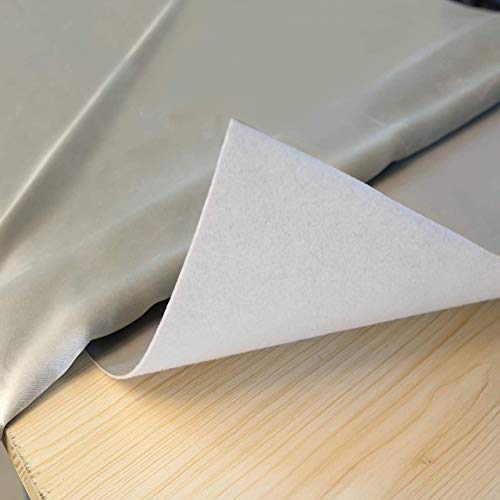
Nuvantee Revolutionary Table Pad - Waterproof, Protects Table from Spills and Heat - 52 X 108 Inch Deluxe Vinyl Premium Table Protector - Flannel Backing, Lies Flat
Check price on Amazon
Scotch Felt Pads 162 PCS Beige, Felt Furniture Pads for Protecting Hardwood Floors, Round, Assorted Sizes Value Pack, Self-Stick design, Protecting from nicks, dents and scratches (SP845-NA)
Check price on Amazon
Table Pad Protector with Flannel Backing for Dining Room | Waterproof Heat Resistant Heavy-Duty Table Cloth Protectors 54" x 108" Rectangle Vinyl Table Padding Under Tablecloth
Check price on Amazon
Felt Back Vinyl Table Pad, Cut-to-Fit Dining Table Protector, 52 x 108 in | 52 x 108 in vinyl table pad with soft flannel backing. Trim to fit with scissors, use under a tablecloth, and wipe clean.
Check price on AmazonFrequently Asked Questions
What is a felt dining table pad used for?
A felt dining table pad is a protective layer placed between the tabletop and items resting on it. It absorbs impact, reduces scratches, cushions dishware, and helps preserve the finish of wood, glass, and stone surfaces.
How thick should a felt table pad be?
Entry-level pads are typically thin and suited to light daily use. Mid-range pads offer a balanced thickness that cushions tableware while staying low-profile. Premium and high-end tiers add denser felt and reinforced backing for heavier use and better heat resistance.
Can felt table pads be cut to fit a custom table?
Many felt pads are sold in standard rectangular or round sizes, while mid-range and premium tiers often offer custom sizing or trimmable edges so the pad matches a specific tabletop footprint.
How do you clean a felt dining table pad?
Spot clean with a damp cloth and mild soap, then air dry flat. Avoid soaking felt, and keep the pad away from direct heat until fully dry to prevent warping or matting.
Do felt pads work on glass dining tables?
Yes. Felt pads on glass tables reduce the risk of chips from hard contact and help keep place settings from sliding. Choose a pad with a non-slip backing for the best grip on smooth glass.
Can I use a felt pad on an extendable table?
Yes, but you need to account for the leaves. Some pads are made in sections so they can be added when the table is opened. Measure both the closed and open configurations before ordering.