
Dining Table River: The Complete Guide to Live-Edge & Waterfall Designs
A river dining table turns a functional surface into a sculptural centerpiece. This research guide explains how river tables are built, which materials hold up best, and how to choose a design that fits your dining room for years to come.
What Is a River Dining Table?
A river dining table is a table top built around a flowing channel that runs lengthwise between two pieces of wood. The wood is usually a live-edge slab, meaning the outer contour of the tree trunk is preserved as the table's edge. The channel between the slabs is filled with clear or tinted epoxy resin, glass, or occasionally a contrasting wood inlay, creating the visual effect of a river cutting through natural terrain.
Because each slab carries its own grain, knots, and irregular edge, no two river tables are identical. That uniqueness is the main appeal for buyers who want a dining table that feels like a piece of art rather than a mass-produced item. The construction also lets makers preserve the natural shape of the tree, which connects the piece to the tradition of solid wood dining tables while giving it a distinctly modern character.
River tables sit at the intersection of craftsmanship and engineering. The wood must be properly kiln-dried and stabilized so it does not move after the resin is poured, and the resin must cure evenly to avoid bubbles, cracks, or cloudiness. Understanding these construction details is the first step toward choosing a river table that will hold up to daily family meals.
River Table Styles Compared
River dining tables come in several recognizable styles, each with its own visual personality and practical trade-offs. The table below summarizes the most common options so you can narrow down which direction suits your space.
Classic Epoxy River
Two live-edge slabs joined by a tinted or clear resin channel. The most iconic river look, offering strong contrast between organic wood grain and a smooth, glossy channel.
Waterfall Edge River
The river channel flows over the table's end and continues down the leg, creating a continuous vertical waterfall. Dramatic and sculptural, ideal as a focal point in open-plan dining rooms.
Glass River Inlay
A tempered glass strip replaces resin between the slabs. Glass is more heat-resistant than resin and gives a cleaner, cooler look, though it requires careful edge sealing.
Dual-Slab Bookmatched River
Two halves of the same log are opened like a book, so the grain mirrors across the river. This creates a symmetrical, gallery-style composition with a refined feel.
If you prefer a round or oval footprint, river tables are less common but do exist, often as a central channel running across a circular slab. For buyers leaning toward curved silhouettes, a large oval dining table that seats eight offers a similar organic feel with easier seating flow around the perimeter.
Best Wood Species for a River Table
The wood species determines the grain character, color, stability, and how well the slab holds its shape around a resin channel. Some species are naturally more stable than others, which matters because a river table combines two materials with different expansion rates.
| Wood Species | Character | Stability | Best For |
|---|---|---|---|
| Walnut | Rich chocolate tones, dramatic grain | High | Premium and luxury river tables |
| Oak | Open grain, pale to honey tones | High | Durable family dining tables |
| Teak | Golden brown, oily, weather-resistant | Very high | Sunroom and covered outdoor settings |
| Maple | Pale, tight grain, clean look | Moderate | Modern minimalist river designs |
| Elm | Wild grain, knots, rustic character | Moderate | Rustic and farmhouse river tables |
Walnut and oak are the most common choices because they balance stability with striking grain. Teak is favored when the table sits in a space with fluctuating humidity, such as a sunroom or a covered patio, and its natural oils help resist moisture. For buyers who want a darker, moodier slab, a black oak extendable dining table demonstrates how dark finishes can anchor a room while still showing grain detail.
Whatever the species, insist on kiln-dried slabs with a moisture content in the 6 to 8 percent range. Slabs that are too wet will shrink after assembly, and the resin channel can crack or separate as the wood moves.
Resin vs. Glass River Channels
The channel material is the defining feature of a river table, and the choice between resin and glass affects appearance, durability, and maintenance. Both are valid options, but they suit different households.
Epoxy Resin
Epoxy is the most popular channel material because it can be tinted, poured to depth, and polished to a glass-smooth finish. It bonds well to prepared wood edges and can fill irregular gaps that glass cannot. Quality matters enormously: entry-level resin tables may use thinner pours or less UV-stabilized resin that yellows over time, while premium builds use deep pours and UV inhibitors that keep the channel clear for years. A well-made resin river table is a long-term investment, and the difference between tiers is most visible in the clarity and depth of the pour.
Tempered Glass
Glass channels offer superior heat resistance and a cooler, more architectural look. Glass is easier to clean and will not yellow, but it cannot fill irregular edges as precisely, so the wood must be milled to a cleaner line. Glass also adds weight and requires careful edge sealing to prevent moisture from reaching the wood core.
Practical tip: If your household uses the dining table for homework, craft projects, and hot dishes, a glass channel or a resin channel with a protective topcoat will be easier to live with than an unprotected high-gloss resin pour.
Sizing a River Table for Your Dining Room
River tables are statement pieces, and their visual weight means sizing deserves extra attention. A table that is too large will crowd the room and make chairs hard to pull out, while one that is too small will look lost against the dramatic grain.
As a starting point, allow about 24 inches of table width per seated diner along the long side, and leave at least 36 inches of clearance between the table edge and any wall or furniture to pull chairs back comfortably. For a host who frequently entertains, an expandable teak dining table offers flexibility that a fixed river slab cannot, since river tables are usually built as single continuous pieces.
Consider the sightline as well. A waterfall-edge river table is best placed so the vertical drop is visible from the room's main entry point, while a classic flat river top works well centered under a pendant light. If your dining room is narrow, a round sintered stone dining table may be a more practical way to achieve a sculptural centerpiece without the footprint of a long slab.
Durability, Care, and Long-Term Maintenance
A river table is a hybrid piece, and each material needs its own care routine. The wood edges benefit from periodic oiling or waxing, while the resin or glass channel needs gentle cleaning with a soft cloth and mild soap. Avoid abrasive pads, acetone, and alcohol-based cleaners on resin, as they can dull the finish or cause clouding.
Heat is the biggest threat to resin channels. Always use trivets under hot dishes, and keep the table out of direct sunlight for long periods, since even UV-stabilized resin can fade under sustained exposure. Humidity swings are the main risk for the wood, so maintain indoor humidity in a moderate range and avoid placing the table directly over heating vents.
For households that want the organic look of natural stone without the maintenance of a resin pour, a solid marble dining table offers a different kind of statement with its own care requirements. And for buyers who want the river aesthetic in a lighter, airier palette, a white dining table with black legs shows how contrast can create visual drama without a resin channel.
Buying Checklist Before You Commit
Use this checklist to evaluate any river dining table you are considering, whether from a maker, a gallery, or an online retailer.
- Slab moisture content: Ask for kiln-dried slabs in the 6 to 8 percent range.
- Resin quality: Confirm UV-stabilized epoxy and a full-depth pour, not a thin surface layer.
- Base construction: Check that the base supports the slab evenly and allows for seasonal wood movement.
- Finish: Look for a protective topcoat over the resin and an oil or hardwax finish on exposed wood.
- Edge sealing: Verify that live edges are sealed to prevent moisture ingress.
- Weight and delivery: River tables are heavy; confirm delivery access and assembly requirements.
- Warranty: Understand what the maker covers for resin cracking or wood movement.
Buyers who want to explore other natural-material options before deciding can browse a wooden dining table collection to compare river tables against traditional solid wood designs. Those planning an outdoor or covered patio dining area may also consider an outdoor round pedestal dining table, which is built for weather exposure that a river table is not.
Frequently Asked Questions
What is a dining table river design?
A dining table river design is a table top where a flowing channel of resin, glass, or contrasting material runs between two live-edge wood slabs, mimicking the look of a river cutting through natural terrain.
Is an epoxy river dining table durable for daily family use?
Yes, when the epoxy is properly poured, fully cured, and sealed, a river table can handle daily use. UV-stabilized epoxy resists yellowing, and a protective topcoat helps the surface withstand heat, scratches, and moisture.
How do I care for a live-edge river dining table?
Wipe spills promptly, dust with a soft cloth, avoid harsh solvents on the resin, and keep the table away from direct heat and prolonged sunlight. Re-oil exposed wood edges periodically and use coasters and placemats.
Can a river dining table be extended or resized?
River tables are typically built as fixed pieces because the resin channel is poured as a single continuous element. Resizing usually requires commissioning a new build rather than adding leaves.
Ready to Explore River Dining Tables?
Compare live-edge and waterfall designs, review material options, and find the river table that fits your dining room.
Explore OptionsRecommended River Dining Tables & Live-Edge Designs
⚠️ AFFILIATE DISCLOSURE: This website contains affiliate links. As an affiliate Associate, we earn from qualifying purchases. If you make a purchase through these links, we may receive a small commission at no additional cost to you. Read our full affiliate policy.

FOEVAFLO Olive Wood Custom Epoxy Resin Dining Table, Ocean Wave, River, Solid Wood Indoor Modern Kitchen Table Furniture for Dining Room
Check price on Amazon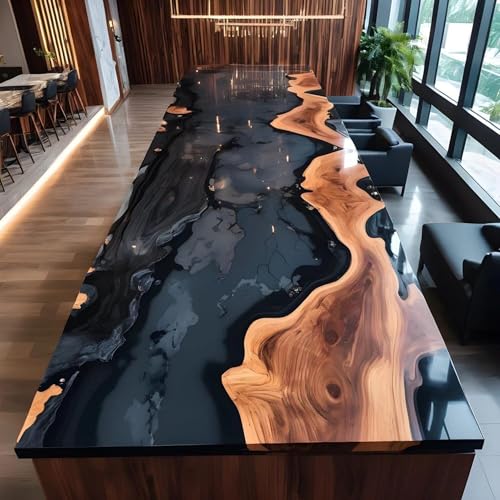
Treevona Elegant Black Epoxy Resin Dining Table, 48 x 32 x 2 Inches, Customizable Size, Shape, Color, Art Deco Style, Acacia Wood Top & Frame, Scratch Resistant, Easy Assembly
Check price on Amazon
TUZECH Customized Large EPOXY Table Top, Resin Dining Table for 2, 4, 6, 8 River Dining Table Top, Wood Epoxy Coffee Table Top, Living Room Table (28.5" Inches Tall, 72 x 36inches)
Check price on Amazon
Exquisite Ocean Blue Epoxy Resin Dining Table Coffee Table with Rock And Stone Console Table Side/End Table Living Room Coastal Table Bar Counter Table Home Décor (Without Stands, 108 x 36 Inches)
Check price on Amazon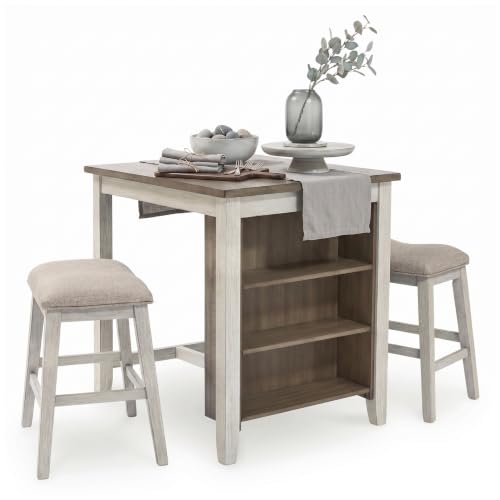
Signature Design by Ashley Skempton 3-Piece Counter Height Dining Table Set | Wood, Acacia Veneer and Engineered Wood, 3 Built-In Open Shelves, 2 Upholstered Stools, Space-Saving Design, Dining Room
Check price on Amazon
Tribesigns Wood Dining Table Farmhouse Kitchen Table for Living Room, 4-Person Square Dinner Table with Wooden Legs, Rustic Brown
Check price on Amazon