
Wrought Iron and Glass Dining Table: The Complete Buying Guide
Learn how wrought iron frames and glass tops combine structural strength with visual lightness, and discover exactly what to check before you bring one into your dining room.
EXPLORE RECOMMENDED MODELSWhy this pairing works: A wrought iron and glass dining table merges the industrial character of forged metal with the airy openness of glass. The result is a piece that feels visually light in compact rooms yet delivers the structural rigidity of a heavy-duty frame. This guide walks you through frame construction, glass specifications, durability expectations, and everyday care so you can make a confident decision.
What Is a Wrought Iron and Glass Dining Table?
A wrought iron and glass dining table is a furniture design where a forged or cast iron base supports a glass tabletop, typically tempered. Wrought iron refers to iron that has been worked (forged, bent, and shaped) rather than cast, giving it a distinctive combination of tensile strength and malleability. This is why wrought iron frames can be shaped into scrollwork, tapered legs, geometric bases, and decorative detailing that would be difficult or impossible to achieve with rigid cast iron.
The glass top is usually clear, tinted, frosted, or textured. Clear tempered glass is the most common choice because it maximizes the visual openness of the design and lets the iron frame remain the focal point. The pairing is popular in modern, industrial, transitional, and even farmhouse interiors because the metal provides weight and character while the glass keeps the piece from feeling visually heavy.
If you are comparing this style against other metal-and-glass approaches, our broader guide to a glass dining table with a gold base explores how finish color and base material change the overall mood, while the general rectangular dining table set for six overview helps you frame seating and room-fit decisions.
Understanding the Wrought Iron Frame
The frame is the structural backbone of any wrought iron and glass dining table. A well-built frame determines stability, longevity, and how safely the glass is supported. When you evaluate a table, look at the following construction elements.
Forged vs. Cast Iron
True wrought iron is forged from low-carbon iron and shaped under heat. It is tough, ductile, and resistant to fatigue. Many contemporary "wrought iron" tables actually use cast iron, steel, or a steel-iron alloy. Cast iron is heavier and more brittle but allows for intricate molded detailing. Steel is stronger per unit of weight and is often used for legs and structural rails. The descriptor "wrought iron" is frequently used as a style term rather than a strict metallurgical one, so verify the actual material in the product specification.
Joint Construction
Examine how the frame is assembled. Welded joints are the most durable and are typical of high-end tier and commercial-grade pieces. Bolted or screwed joints are common in mid-range and entry-level models and can loosen over time but are easier to disassemble for moving. Look for reinforced gussets or cross-bracing at stress points, especially where legs meet the apron or top rail.
Finish and Coating
Iron will rust if exposed to moisture, so the finish is critical. Powder coating is the most durable common finish because it is applied electrostatically and cured, creating a hard, chip-resistant shell. Wet paint is less durable. Some pieces use a hand-applied patina or antiqued finish for a rustic look, which is attractive but may need periodic touch-ups. A rust-proof finish is essential if the table sits near a window, in a humid climate, or in a home with frequent mopping.
Base Geometry and Stability
Four-leg bases are the most stable and traditional. Pedestal and trestle bases offer more legroom but can wobble if the foot spread is too narrow. Trestle and X-shaped bases are common in industrial designs. Check that the base footprint is wide enough to prevent tipping, especially for larger glass tops, and that the legs have adjustable glides to compensate for uneven floors.
Choosing the Right Glass Top
The glass top is what gives this table its signature look, but not all glass is equal. Understanding thickness, tempering, edge treatment, and color will help you avoid disappointment.
Tempered Glass Is Non-Negotiable
Tempered glass is heat-treated to increase strength and, crucially, to break into small, blunt fragments rather than large, jagged shards. For a dining table, always insist on tempered glass. Standard annealed glass is not appropriate for a dining surface. Thickness of around 10mm to 12mm is typical for dining tables; thicker glass feels more substantial and reduces flex but adds weight.
Edge Profile
Flat-polished edges are the most common and look clean. Beveled edges add a subtle decorative highlight. Rounded or bullnose edges are safer for households with children because they soften the sharp perimeter. A poor or unfinished edge is a quality red flag and can chip.
Glass Color and Texture
Clear glass keeps the design light and shows off the frame. Tinted glass, such as bronze, grey, or smoked, adds drama and can hide minor smudges. Frosted or acid-etched glass provides privacy and a softer look but is more prone to showing fingerprints. Textured or reeded glass adds tactile interest and hides scratches well but is harder to clean thoroughly.
How the Glass Is Attached
Glass tops are usually secured with suction cups, brackets, or rubber gaskets set into the iron frame. Suction cups can lose grip over time and should be checked periodically. Bracketed or gasketed mounting is more secure. Some designs simply rest the glass on rubber pads, which is acceptable for lighter tops but requires care when moving the table.
Advantages and Trade-Offs of Wrought Iron and Glass
Every material pairing has strengths and weaknesses. Here is an honest look at what to expect.
Strengths
- Visual lightness: Glass keeps sightlines open, making small dining rooms feel larger.
- Structural strength: A heavy-duty iron frame supports substantial weight and resists wobble.
- Design versatility: Iron can be shaped into scrollwork, geometric forms, and sculptural bases.
- Easy surface cleaning: Glass wipes clean quickly and does not absorb stains or odors.
- Timeless character: The industrial and transitional look suits many interior styles.
Trade-Offs
- Fingerprints and smudges: Glass shows marks more readily than wood or stone.
- Scratch sensitivity: While resistant, glass can scratch with abrasive contact.
- Weight: Iron frames are heavy, which is good for stability but makes moving harder.
- Rust risk: Poorly finished iron can rust in humid conditions.
- Noise: Glass and metal can amplify sound; felt pads and placemats help.
Wrought Iron and Glass vs. Other Table Materials
Use this comparison to see where wrought iron and glass sits relative to common alternatives. Tiers reflect relative market positioning, not absolute figures.
| Table Type | Market Tier | Best For | Durability | Care Level |
|---|---|---|---|---|
| Wrought iron and glass | Mid-range to premium | Industrial, modern, transitional dining rooms | High (tempered glass + powder-coated iron) | Low to moderate |
| Solid wood | Entry-level to luxury | Traditional, farmhouse, rustic interiors | High but susceptible to moisture and heat | Moderate |
| Marble top | Premium to luxury | Formal, elegant dining spaces | Very high but porous without sealing | Moderate to high |
| All-glass | Entry-level to mid-range | Compact, minimalist rooms | Moderate | Low |
| Engineered wood veneer | Entry-level to mid-range | Contemporary interiors | Moderate | Low |
Sizing and Seating for a Wrought Iron and Glass Table
Glass tables need careful sizing because the transparent surface makes the room feel more open, which can tempt you to oversize the table. Match the table to both the room and the number of regular diners.
Common Shapes
- Rectangular: The most common shape for this style and the easiest to seat six or more. See our guide to a rectangular dining table set for six for layout considerations.
- Round: Excellent for conversation and small rooms. A 35-inch round dining table suits four diners comfortably.
- Square: Balanced and space-efficient. A square dining table with storage adds practicality for smaller homes.
- Extendable: Useful for hosting. A long narrow extendable dining table works well in narrow rooms, and a dining table with a built-in leaf keeps the extension mechanism hidden.
Seating Clearance
Allow at least 24 inches (about 60 cm) of table width per diner for comfortable place settings. Leave a minimum of 36 inches (about 90 cm) between the table edge and walls or other furniture to pull chairs out. For larger gatherings, a 10-seat dining table set may be the right scale, and outdoor versions such as a ten-seater outdoor dining table follow similar spacing rules.
Chair Pairing
Iron-framed chairs with matching finishes create a cohesive look. Upholstered chairs with metal frames soften the industrial edge. Rattan or woven chairs add warmth and texture. Ensure seat height aligns with the table apron so diners can sit comfortably without knees hitting the frame.
Styling and Placement Ideas
A wrought iron and glass table is a strong visual anchor, so styling should complement rather than compete with it.
- Industrial: Pair with exposed brick, concrete floors, and Edison bulb lighting. Keep the tabletop minimal.
- Modern transitional: Use upholstered chairs in neutral tones and a simple centerpiece to keep the look refined.
- Farmhouse: Combine with wooden benches and woven runners for warmth. The iron adds a subtle rustic edge.
- Small spaces: Choose a round or square glass top to reduce visual clutter and improve flow.
- Lighting: A pendant light centered over the table highlights the glass surface and the frame detailing.
For a luxury-leaning look, a travertine dining table offers an alternative stone-based aesthetic, while a white dining table for six provides a brighter, more traditional contrast.
Care and Maintenance
Wrought iron and glass is one of the easier material pairings to maintain, provided you follow a few simple routines.
Cleaning the Glass
Use a soft microfiber cloth and a mild glass cleaner. Avoid abrasive sponges, scouring powders, and ammonia-heavy products near painted or powder-coated iron. Wipe spills promptly to prevent mineral buildup at the frame edges. For frosted or textured glass, use a soft brush to reach into the texture.
Protecting the Iron
Dust the frame weekly with a dry cloth. Inspect joints and welds periodically for signs of rust or loosening. If you notice rust, sand the affected area lightly and apply a matching touch-up paint. Keep the table away from prolonged moisture and wipe up spills on the frame quickly.
Preventing Scratches
Use placemats, coasters, and felt pads under objects. Avoid dragging ceramics or metal items across the surface. Consider a custom glass pad or table protector if the table sees heavy daily use.
Stability Checks
Check the glass mounting hardware every few months. Tighten brackets and replace worn suction cups or gaskets. Ensure adjustable glides are set so the table sits level and does not wobble.
What to Check Before You Buy
Use this checklist to evaluate any wrought iron and glass dining table you are considering.
- Glass specification: Confirm tempered glass and note the thickness.
- Frame material: Identify whether the frame is forged iron, cast iron, steel, or an alloy.
- Finish type: Prefer powder coating or a documented rust-proof finish.
- Joint construction: Look for welded joints and reinforced stress points.
- Base stability: Check footprint width and adjustable glides.
- Edge profile: Choose rounded or bullnose edges for safety.
- Assembly and moving: Consider weight and whether the table disassembles.
- Warranty: Verify coverage for the frame and glass separately.
Recommended Wrought Iron and Glass Dining Tables
⚠️ AFFILIATE DISCLOSURE: This website contains affiliate links. As an affiliate Associate, we earn from qualifying purchases. If you make a purchase through these links, we may receive a small commission at no additional cost to you. Read our full affiliate policy.
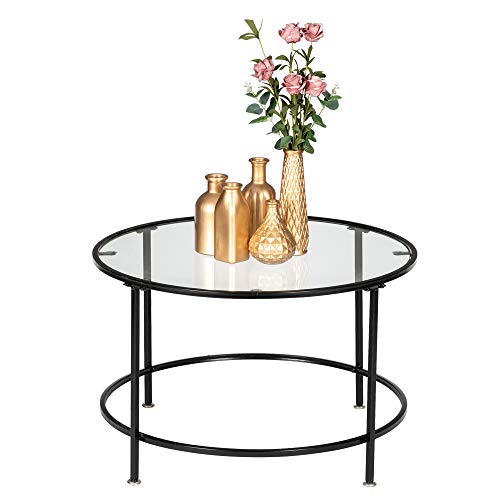
Round Tempered Glass Coffee Table Wrought Iron Coffee Table for Home, Living Room, Dining Room
Check price on Amazon
Seraphic Dining Table Centerpiece Decor, Candle Holders For Tables, 10-Cup | Rectangular Wrought Iron Candelabra, Fireplace Mantel Floating Centerpieces, Long Low Coffee Console Tabletop, 33" Long
Check price on Amazon
Darlee 42" x 72" Patio Dining Table with Glass Top in Antique Bronze
Check price on Amazon
Sino Salected Modern Black Glass DiningTable, 47.3"L x 27.6"W x 29.4"H | 800LBS Capacity Tempered Glass Top, Small Glass Dining Table, Space Saving for Apartments & Places, Small kitchen table
Check price on Amazon
Seraphic Centerpieces For Tables, Votive Candle Holder, 6-Cup, Black/Clear | Outdoor Patio Umbrella Centerpiece, Round Modern Dining Room & Kitchen Table Decor, Rustic Wrought Iron Candelabra
Check price on Amazon
VeemuGlass Dining Tablearo 51.2" Glass Dining Table for 4 People, Rectangular Glass Kitchen Table with Black Steel Legs, Modern Dining Room Table for Dinner Kitchen Dining Room
Check price on Amazon
PHI VILLA 80" Outdoor Cast Aluminum Expandable Table for 6-8, | Brown Rectangular Patio Dining Table with Umbrella Hole, All Weather Retro Furniture for Deck, Porch, Backyard
Check price on Amazon
Cloud Mountain 32" Outdoor Dining Table Patio Tempered Glass Table Patio Bistro Table Top Umbrella Stand Round Table Deck Garden Home Furniture Table, Dark Chocolate
Check price on AmazonFrequently Asked Questions
Is a wrought iron and glass dining table durable for daily use?
Yes. A properly finished wrought iron frame paired with tempered glass is highly durable for daily family use. The metal provides structural strength while tempered glass resists impact and breaks into safer fragments if damaged.
How do I clean a glass top on a wrought iron dining table?
Use a soft microfiber cloth with a mild glass cleaner. Avoid abrasive pads and ammonia-heavy products near painted or powder-coated iron. Wipe spills promptly to prevent mineral buildup at the frame edges.
Can a glass dining table scratch easily?
Glass is more scratch-resistant than many wood finishes but not scratch-proof. Always use placemats, coasters, and felt pads under objects, and avoid dragging ceramics or metal items directly across the surface.
What seating works best with a wrought iron and glass dining table?
Matching wrought iron chairs, upholstered metal-framed chairs, or rattan seating pair well. Ensure seat height aligns with the table apron and that chair backs do not obstruct the visual lightness of the glass top.
Will the iron frame rust over time?
With a quality powder-coated or rust-proof finish, rust should not be a concern in normal indoor conditions. Inspect joints periodically and touch up any chips to maintain the protective layer.
Ready to Choose Your Wrought Iron and Glass Dining Table?
Browse our shortlisted models above, compare frame construction and glass specifications, and pick the one that fits your room and lifestyle.
VIEW RECOMMENDED OPTIONS